
Why an Ergonomic Massage Office Chair Changes Your Workday
Imagine sitting through a four-hour strategy session, and instead of feeling stiffness in your lower back, you actually feel refreshed. That’s the promise of a well-designed ergonomic massage office chair. It’s like having a personal wellness coach built into your seat — targeting tension while you type, think, or lead meetings.
According to the Occupational Safety and Health Administration, sedentary work is a major contributor to musculoskeletal disorders. But a chair that combines science-backed ergonomics with on-demand massage can increase blood flow, reduce muscle fatigue, and keep you mentally sharp. Let’s explore how to pick the perfect one.
Key Wellness Features in Massage-Enabled Chairs
Not all massage chairs are created equal. Here are the core technologies you’ll encounter, and what they mean for your daily comfort.
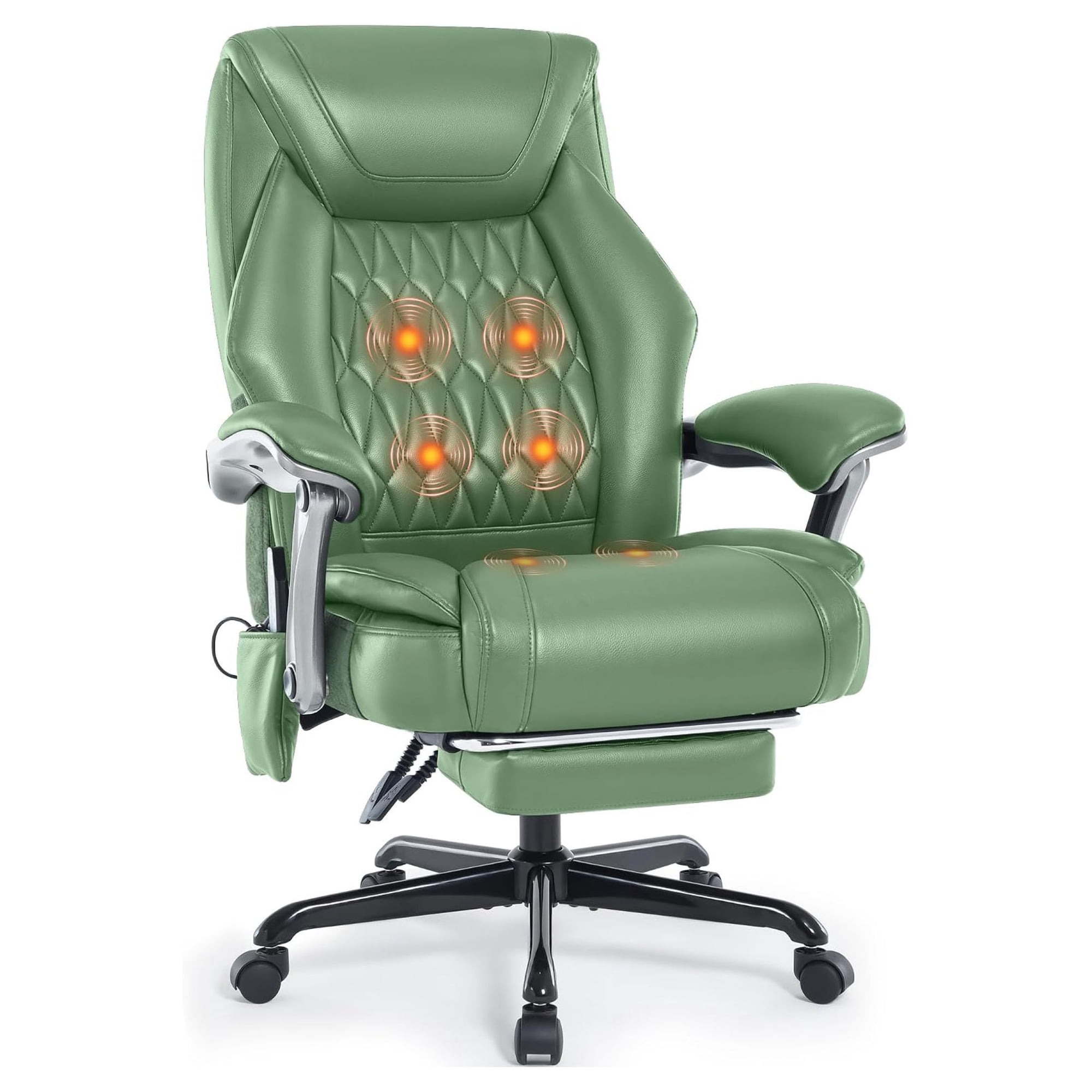
1. Vibration vs. Rolling vs. Shiatsu Massage
- Vibration massage: The most common type. Gentle oscillations in the lumbar or whole back area. Great for light relief and increasing circulation. Usually adjustable intensity.
- Rolling massage: Nodes move up and down along your spine, mimicking a kneading motion. Ideal for deeper muscle relaxation after intense focus sessions.
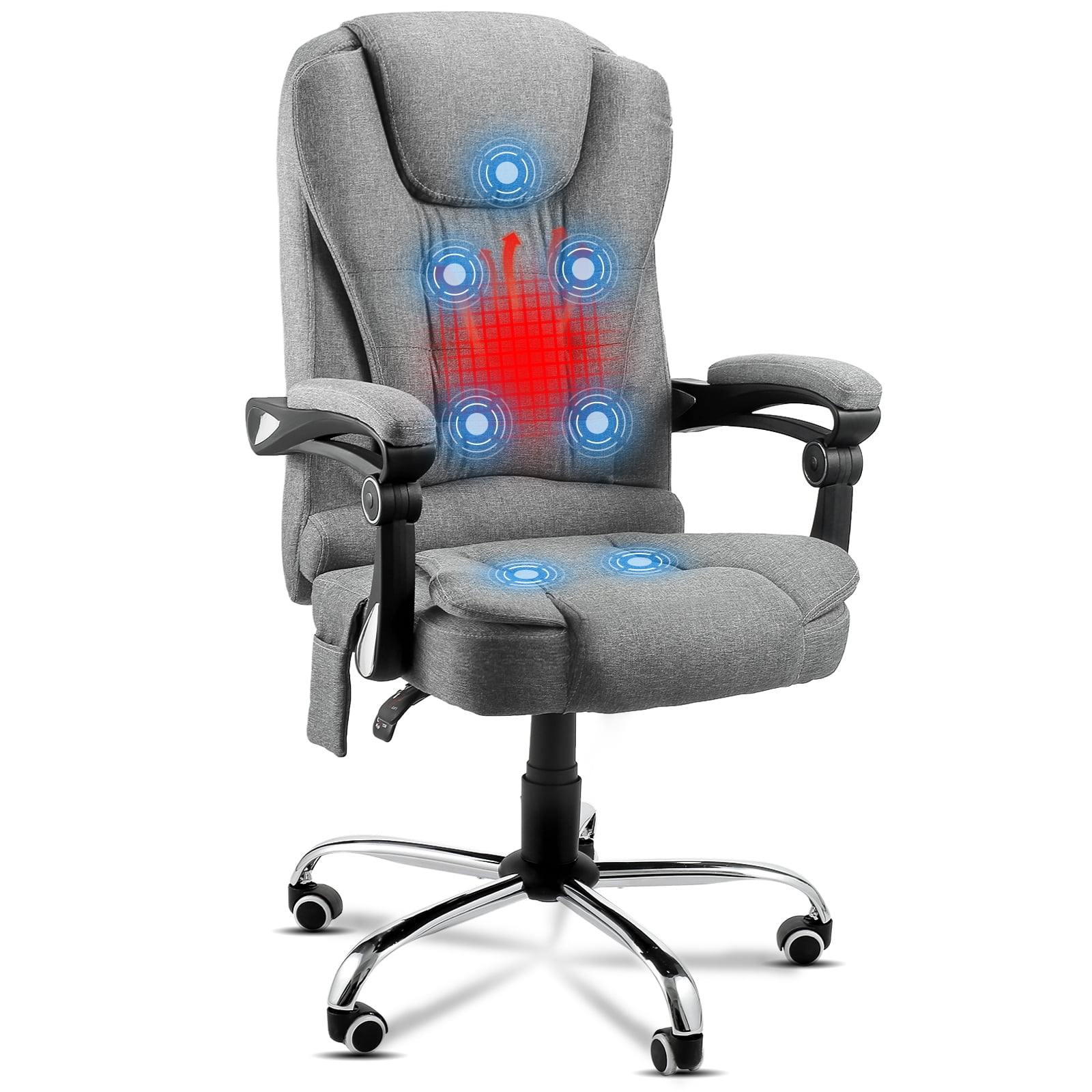
- Shiatsu-style nodes: Some higher-end chairs feature rotating nodes that press into acupressure points. Often includes heat option — think of it as a mini spa break.
2. Heat Therapy Integration
Heat soothes stiff muscles and enhances blood flow. Many ergonomic massage chairs offer a separate lumbar heating pad. It’s particularly beneficial if you suffer from lower back tightness. A 2021 study in the Journal of Clinical Medicine noted that continuous low-level heat therapy reduces pain and improves flexibility in desk workers.
3. Smart Controls & Programmability
Modern chairs let you choose massage mode, intensity, and timer via a remote or even an app. Look for chairs with memory presets — so you can start a 10-minute "after-lunch revival" with one tap.
Wellness insight: A survey by the American Chiropractic Association found that 68% of office workers who used massage-enabled chairs reported less end-of-day back fatigue. Moreover, 53% said they felt more engaged in the afternoon.
How to Select the Right Massage Chair (Step-by-Step Guide)
Use this framework to filter through options and find the chair that fits your body and work style.
- Map your pain points: Is your tension mostly in the lower back, upper shoulders, or both? Choose a chair with adjustable massage node height.
- Check ergonomic fundamentals: Massage is a bonus — the chair must still have adjustable lumbar support, seat depth, armrests (3D or 4D), and a synchro-tilt mechanism. Without these, the massage won’t compensate for poor posture.
- Evaluate noise level: If you’re on calls constantly, ensure the motor is quiet (usually under 45 dB). Some chairs have “whisper-quiet” motors that won’t disturb conversations.
- Power & placement: Measure the cord length. Most are 6–8 feet. If your desk is far from an outlet, you might need an extension cord.
- Weight capacity & build: Heavier individuals should look for reinforced steel frames and wider seats. Massage mechanisms in heavy-duty chairs are equally robust.
Real Benefits: More Than Just a Gimmick
🧘 Reduced Cortisol
Rhythmic massage can lower stress hormones, making you more resilient under pressure.
⚡ Micro-break recovery
A 5-minute massage during a break boosts microcirculation — like rebooting your back.
📈 Productivity lift
Less fidgeting from discomfort means more focus. Some users report 20% longer concentration spans.
💺 Encourages movement
Massage prompts you to shift position slightly, reducing static load on spinal discs.
Massage Chair vs. Add-on Cushion: Which is Better?
You might consider a separate massage cushion for your existing chair. While cheaper ($40–$150), cushions often slip, don’t integrate with ergonomic contours, and lack the seamless design of a dedicated massage chair. An ergonomic massage office chair provides cohesive support: the massage nodes are precisely placed within the lumbar curve, and the upholstery is built to last. Think of it as buying a car with heated seats vs. adding a fuzzy aftermarket cover — integrated always performs better.
Quick Feature Comparison: Massage Chair Levels
| Type | Massage zones | Heat option | Typical price range | Best for |
|---|---|---|---|---|
| Basic vibration | Lower back only | No | $250 – $450 | Gentle relief, budget |
| Mid-range rolling + vibration | Full back (2–4 motors) | Optional lumbar | $500 – $900 | All-day workers, moderate tension |
| Premium Shiatsu/heat | Lumbar + shoulder, programmable | Yes, with timer | $1,000 – $1,800 | Executives, chronic tightness |
Common Myths About Massage Office Chairs
- “They are only for people with back pain.” — Not at all. They’re preventive wellness tools, just like standing desks.
- “The massage drains the chair’s durability.” — Quality chairs use commercial-grade motors rated for thousands of hours.
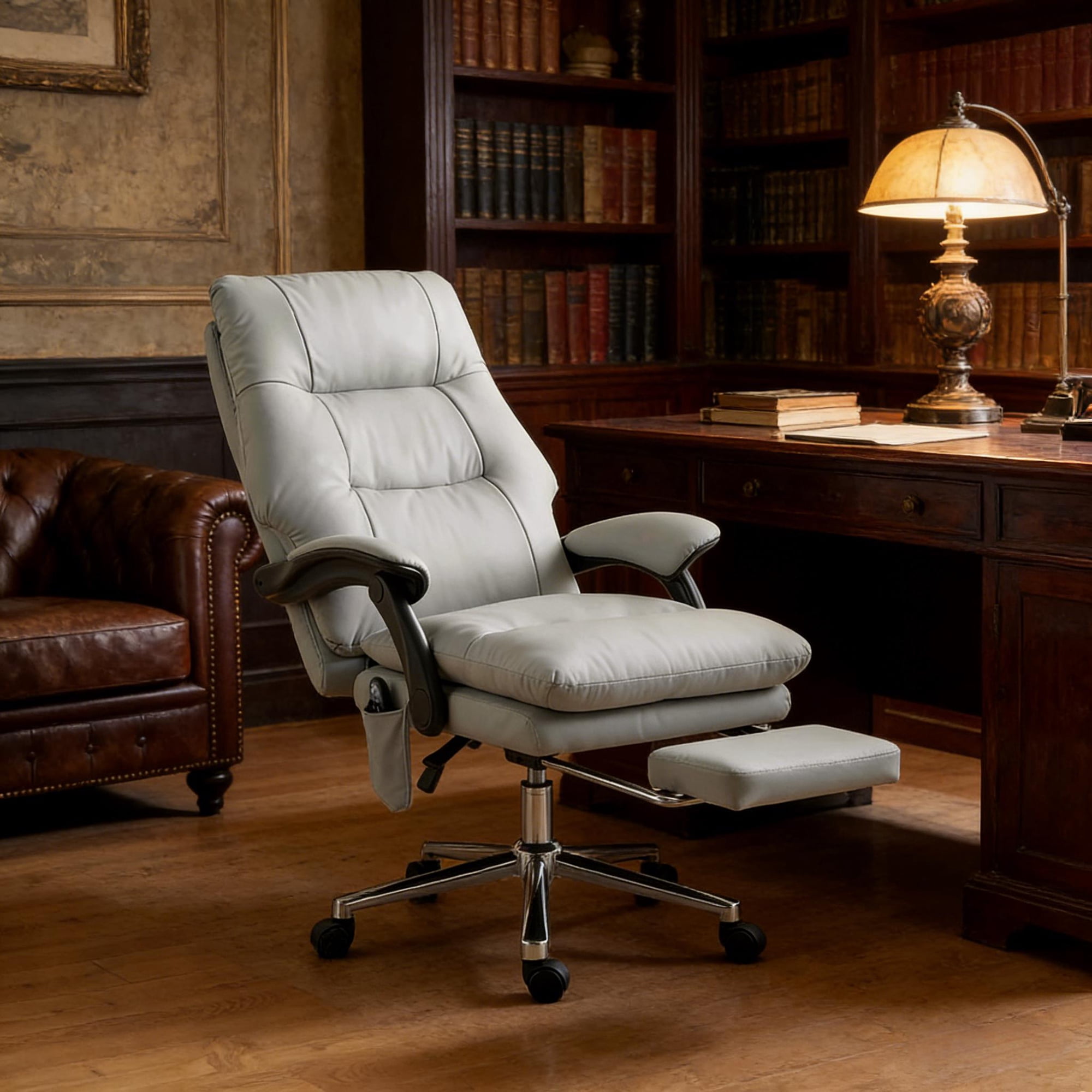
- “They look like bulky massage loungers.” — Today’s designs mimic sleek executive or task chairs, with the massage hidden in the contoured backrest.
Frequently Asked Questions – Ergonomic Massage Office Chair
Conclusion: Invest in Daily Wellness
An ergonomic massage office chair is not a luxury — it’s a strategic tool for long-term health and consistent performance. By choosing a model with robust ergonomic adjustments and a massage system that targets your stress points, you transform sitting from passive strain into active recovery. Whether you opt for a vibration model or a full Shiatsu-heat version, your back will thank you at 5 p.m. (and in ten years).