
Why Every Office Chair Needs a Carpet Protector
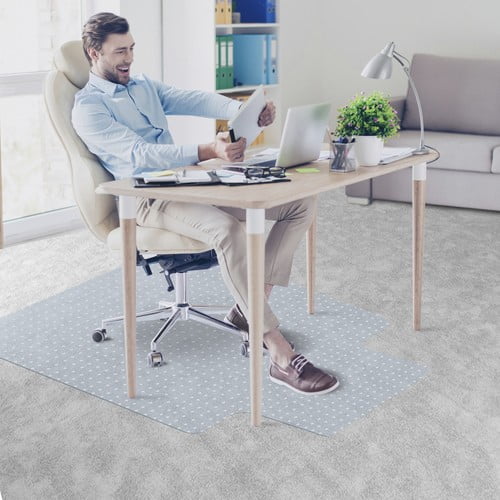
Imagine the constant grind of your office chair wheels—each tiny movement acts like sandpaper on your carpet fibers. Without protection, that beautiful plush carpet develops unsightly tracks, matted patches, and permanent indentations. A carpet protector for office chair is the simple, cost-effective barrier that preserves your flooring and enhances chair mobility.
Data Point: According to flooring industry studies, using a proper chair mat can extend the life of residential carpet by up to 70%. It also reduces the force needed to roll a chair by 40%, decreasing strain on your legs and back.
Anatomy of a Great Carpet Protector: What to Look For
Not all mats are created equal. Choosing the wrong one leads to cracking, sliding, or poor wheel movement. Let's dissect the key components so you can make an informed purchase.
1. Material Matters: Vinyl, Polycarbonate, Bamboo, or Glass?
Each material offers a distinct balance of durability, appearance, and floor compatibility.
✅ Best for High-Traffic: Polycarbonate
- Nearly unbreakable — won't crack under heavy chairs.
- Crystal clear — shows off your carpet color.
- Lifetime durability for commercial use.
⚠️ Budget Pick: PVC / Vinyl
- Affordable and widely available.
- Can crack in cold rooms or under heavy loads.
- May curl at edges over time.
✅ Eco-Chic: Bamboo
- Sustainable and stylish wood look.
- Hard surface ideal for low-pile carpet.
- Naturally anti-slip with proper backing.
⚠️ Premium Choice: Tempered Glass
- Stunning aesthetic — a true statement piece.
- Ultra-smooth rolling experience.
- Heavy and expensive; can break if mishandled.
2. Cleat Design: The Grip That Keeps You Put
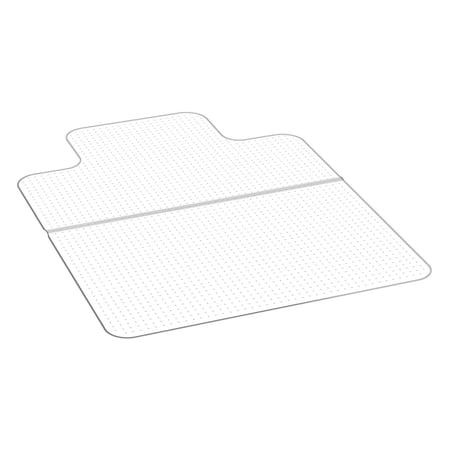
The underside of your mat determines whether it becomes a slip 'n slide or a stable platform. For carpet, you need "carpet cleats" — small, pointed studs that dig into the fibers.
- Standard cleats: Work for low to medium pile carpet (up to 1/2 inch).
- Long cleats: Essential for plush, thick, or shag carpet. They anchor deep to prevent the mat from shifting.
- No cleats (smooth back): Designed for hard floors only; avoid these for carpet.
3. Size and Shape: Cover Your Rolling Radius
Measure the area under your desk where your chair travels. A common mistake is buying a mat that's too small.
- Width: At least 36 inches to accommodate most chair bases.
- Depth: 48 inches allows you to roll back from the desk comfortably.
- Lip (straight edge): If your mat goes under a desk return or cabinet, a straight edge is better than a contoured edge.
- Contoured edge: The classic "home plate" shape is great for open areas.
Quick Material Reference Table
| Material | Durability | Best Carpet Type | Price Range | Eco-Friendliness |
|---|---|---|---|---|
| Polycarbonate | ★★★★★ (Lifetime) | Low to medium pile | $$$ | Recyclable |
| PVC / Vinyl | ★★★☆☆ (3-5 years) | Low to medium pile | $ | Low |
| Bamboo | ★★★★☆ (10+ years) | Low pile only | $$ | High |
| Tempered Glass | ★★★★★ (Indefinite) | Low pile only | $$$$ | High (recyclable) |
Beyond Floor Protection: The Ergonomic Connection
A quality carpet protector does more than save your floors—it directly impacts your physical comfort. A mat with low rolling resistance means you use less energy to move your chair, reducing strain on your hips and knees during a long workday. Think of it as the "ball bearings" for your office chair. A mat that allows smooth, effortless movement encourages micro-movements, which are vital for circulation and joint health.
Reduced Friction
Low-friction surface decreases the force needed to roll by up to 50%.
No More "Chair Jerk"
Eliminates the sudden stops caused by carpet grabbing casters.
Cleaner Air
Stops carpet fibers from being ground into dust, improving indoor air quality.
Stable Base
A non-slip mat ensures your chair stays put when you sit down or stand up.
Keeping Your Mat in Top Shape
To ensure longevity, clean your mat regularly:
- Vacuum the mat's surface and underside (cleats) to remove dust and debris.
- For vinyl or polycarbonate, wipe with a damp cloth and mild soap. Avoid ammonia-based cleaners which can cause cracking.
- Bamboo mats need occasional oiling to prevent drying.
- If the mat develops curling edges, try warming it gently with a hairdryer and placing weights on the edges until cool.
Frequently Asked Questions About Carpet Protectors
Conclusion: A Small Investment, A Big Return
Your office carpet is an investment. A carpet protector for office chair is the low-cost guardian that ensures that investment lasts. By choosing the right material, size, and cleat design for your specific carpet type, you create a workspace that is functional, professional, and protective of your assets. Whether you opt for a nearly-indestructible polycarbonate mat or a sustainable bamboo board, your floors—and your back—will thank you.