
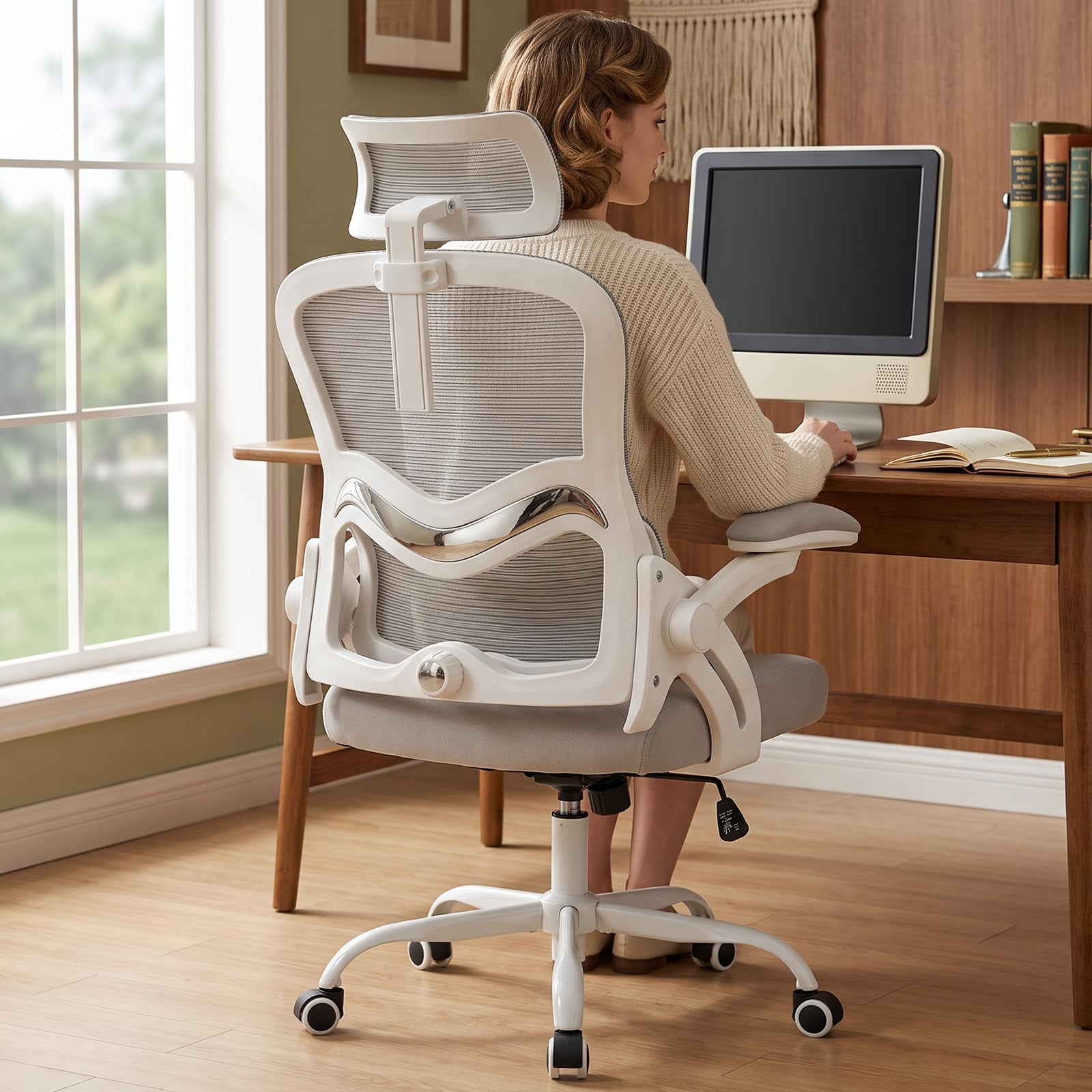
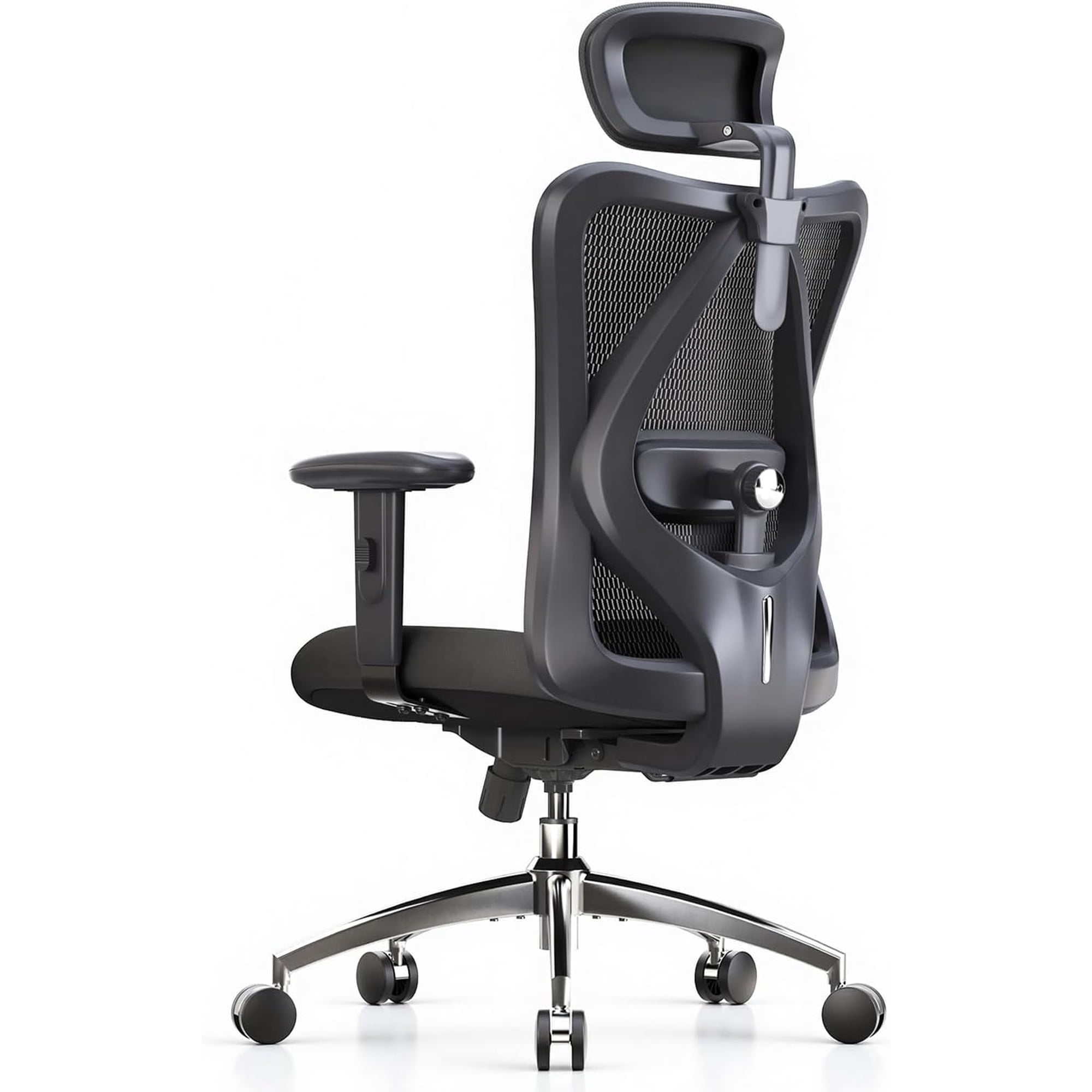
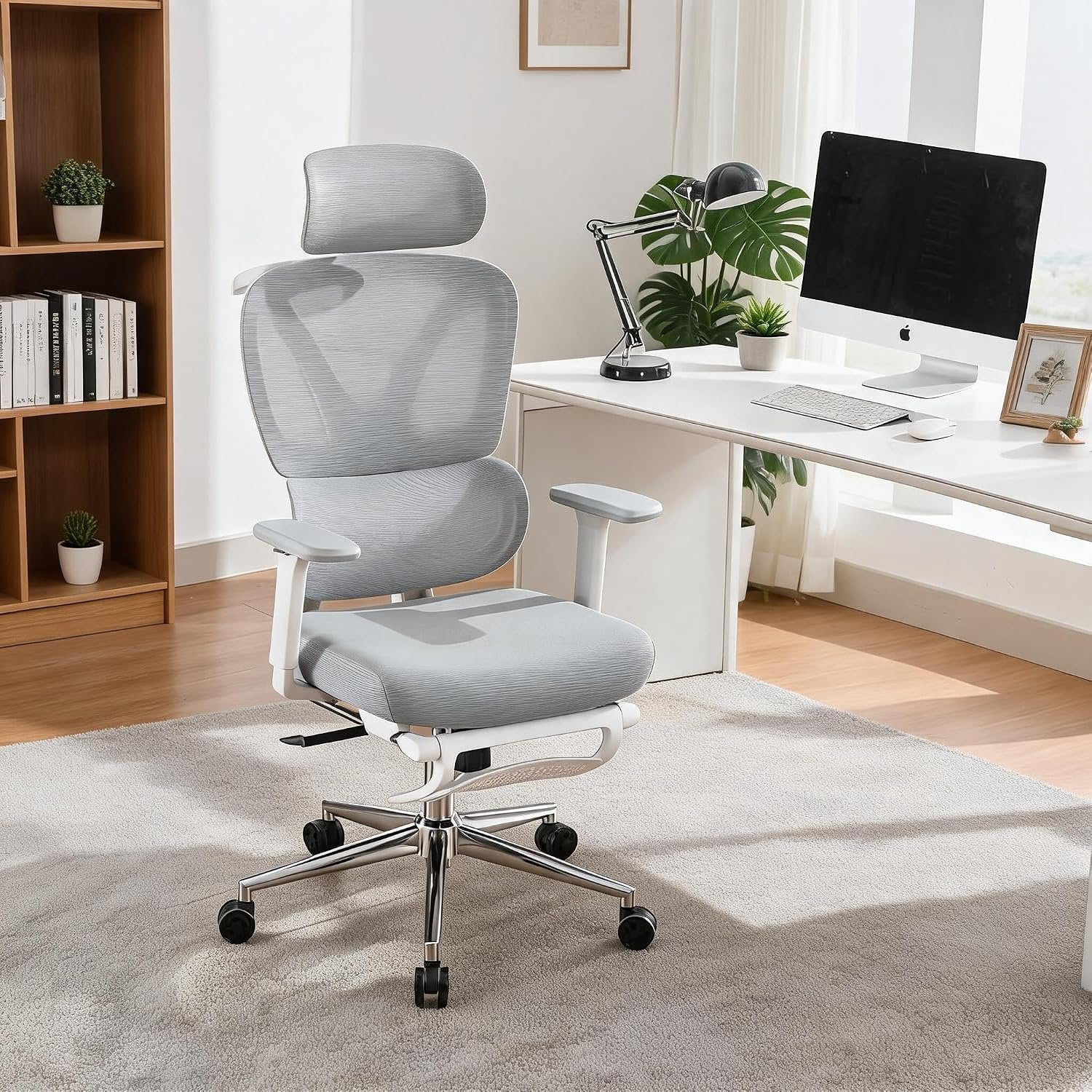
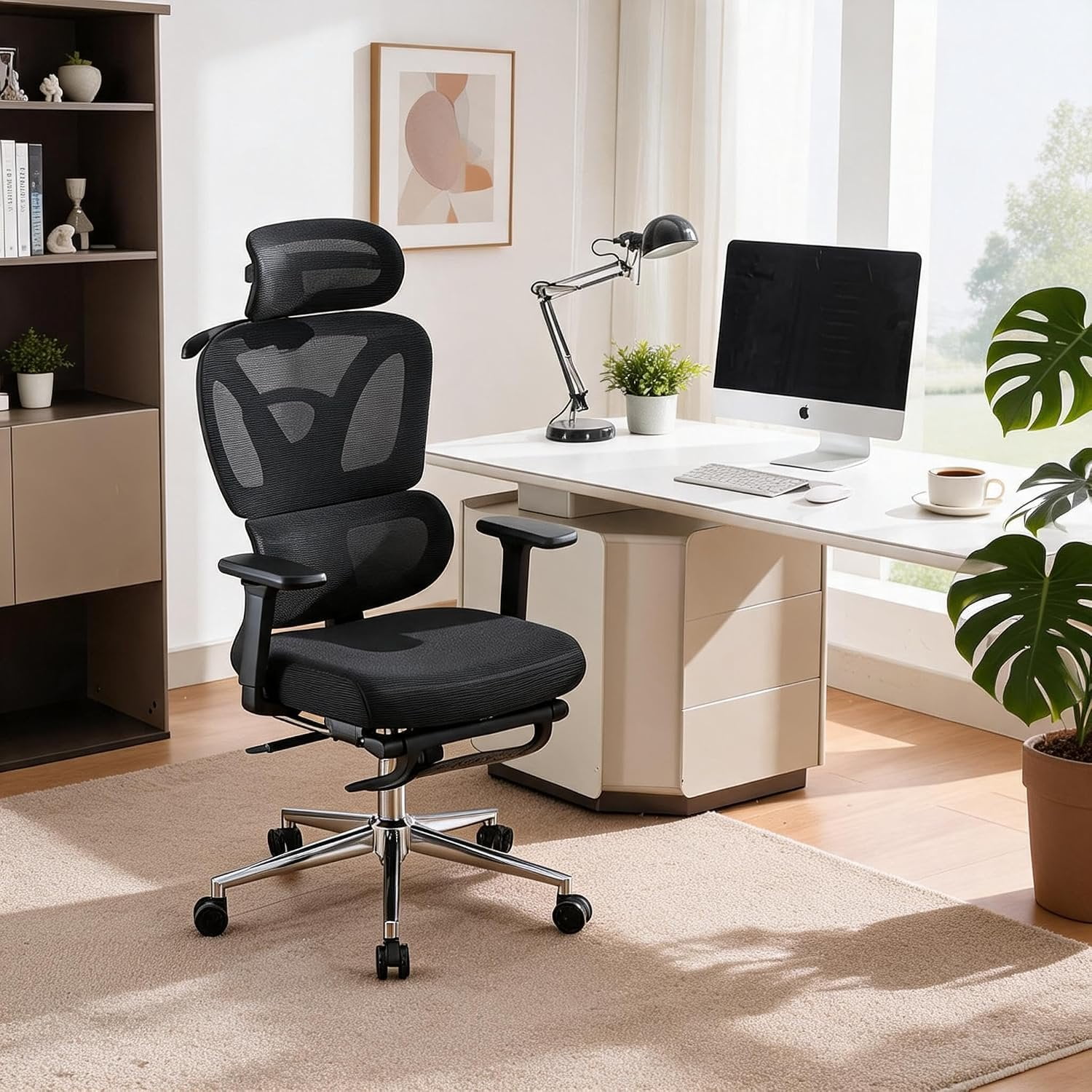
Why a Mesh Office Chair with Headrest is a Game-Changer for Your Workday
Imagine sitting in your office chair for 8+ hours without feeling sticky, sweaty, or developing that annoying neck crick by 3 PM. That's exactly what a quality mesh office chair with headrest delivers. Unlike traditional leather or fabric chairs that trap heat like a winter coat, mesh chairs breathe with you, keeping your back cool and dry even during marathon work sessions.
Ergonomic Insight: According to the Occupational Safety and Health Administration (OSHA), workers who use chairs with proper neck support report 47% less upper back and neck discomfort compared to those using headrest-less chairs. The combination of breathable mesh and adjustable headrest creates what ergonomists call the "cool comfort zone" — optimal temperature regulation plus spinal alignment.
The Science of Mesh: Why Breathability Matters
Mesh fabric isn't just about looking modern. It's engineered with thousands of micro-holes that create a ventilation system for your body. Think of it like the radiator in your car — it dissipates heat away from your body, preventing the heat buildup that causes fatigue and discomfort.
🌬️ Airflow Dynamics
Quality mesh allows 40-60% more air circulation than leather or dense fabric. This continuous airflow prevents sweat accumulation and keeps your body temperature regulated.
95% breathability rating vs. 30% for leather
⚡ Pressure Distribution
Mesh conforms to your body's shape while maintaining tension, distributing weight evenly across the backrest. This reduces pressure points by up to 30% compared to foam padding.
🔄 Elastic Response
Premium mesh has "memory" — it stretches slightly when you lean back but returns to its original shape, providing continuous support without permanent sagging.
The Headrest Factor: More Than Just a Place to Rest Your Head
A headrest on a mesh office chair isn't a luxury — it's a critical ergonomic feature that many professionals overlook. Here's why it matters:
- Neck Strain Prevention: Your head weighs 10-12 pounds. Without support, your neck muscles work constantly to hold it up. A properly positioned headrest reduces muscle tension by supporting the cervical spine.
- Micro-Breaks Enhancement: During moments of thinking or phone calls, you can lean back and give your neck a rest. These 30-second micro-breaks add up to significant recovery time over an 8-hour day.
- Screen Height Compensation: If your monitor is slightly too high (common with standing desks or dual monitor setups), a headrest allows you to maintain proper viewing angles without neck strain.
- Recline Support: When you recline for thinking sessions or casual work, a headrest keeps your head aligned with your spine, preventing awkward neck angles.
Types of Headrests in Mesh Office Chairs
Height-Adjustable
Moves up and down to accommodate different torso lengths. Essential for families sharing a chair or offices with multiple users.
Angle-Adjustable
Tilts forward and backward to match your sitting posture — upright for typing, reclined for relaxing.
Depth-Adjustable
Moves forward/backward to contact your neck properly, not just the back of your head.
4D Adjustable
Combines all three adjustments plus sometimes width or pivot. The gold standard for personalized comfort.
Key Features to Look for in a Mesh Office Chair with Headrest
Not all mesh chairs are created equal. Here's what separates a great chair from a mediocre one:
| Feature | Why It Matters | What to Look For |
|---|---|---|
| Mesh Quality | Determines durability, breathability, and support | High-tensile elastomer mesh, 1000+ denier, 5-year warranty against sagging |
| Headrest Adjustability | Ensures proper neck support for your body | Minimum 3-way adjustment (height, angle, depth) |
| Lumbar Support | Prevents lower back pain during long sits | Separate adjustable lumbar (not just mesh curve) with height and depth adjustment |
| Seat Depth Adjustment | Accommodates different leg lengths | 2-3 inches of slide adjustment to maintain 2-3 finger gap behind knees |
| Armrest Adjustability | Supports arms and shoulders, reduces neck strain | 4D armrests (height, width, depth, pivot) for complete customization |
| Tilt Mechanism | Allows dynamic sitting and recline | Synchro-tilt or multi-position lock with adjustable tension |
Mesh Office Chair with Headrest vs. Other Materials: A Comparison
✅ Mesh Chair Advantages
- Breathability: Airflow prevents sweating and heat buildup
- Temperature Neutral: Never feels hot in summer or cold in winter
- Easy Maintenance: Wipes clean, doesn't absorb spills
- Modern Aesthetic: Contemporary look for modern offices
- Hypoallergenic: Resists dust mites, mold, and allergens
- Consistent Support: Maintains tension without sagging
⚠️ Mesh Chair Considerations
- Less Padding: May feel firm initially (breaks in over time)
- Weight Capacity: Some mesh chairs have lower limits (check specs)
- Price Range: Quality mesh chairs cost $300-$1,000+
- Cleaning: Dust can accumulate in mesh weave
- Not Traditional: May not suit classic office decor
How to Properly Adjust Your Mesh Office Chair Headrest
Even the best headrest won't help if it's not adjusted correctly. Follow this step-by-step guide to optimize your setup:
Step-by-Step Headrest Adjustment
Sit in your chair as you normally would while working. Feet flat on floor, thighs parallel to ground, back against the backrest.
Adjust the headrest height so the center of the headrest aligns with the curve of your neck (where your neck meets your skull), not the middle of your head.
If available, adjust depth so the headrest gently contacts your neck when you're in your normal working posture. You shouldn't have to lean back to reach it.
Tilt the headrest so it matches the angle of your neck. For upright typing, it should be nearly vertical. For reclined positions, tilt it back slightly.
Work for 30 minutes, then reassess. Your neck should feel supported without pressure. Adjust in small increments until it disappears — you shouldn't notice the headrest, only the absence of neck strain.
Who Benefits Most from a Mesh Office Chair with Headrest?
While anyone can benefit, these professionals find mesh chairs with headrests particularly valuable:
- Programmers and Developers: Long coding sessions demand both breathability and neck support. The mesh keeps you cool during intense focus, while the headrest prevents "tech neck."
- Customer Service Representatives: Eight hours on phones or headsets requires neck mobility. A headrest provides support during calls while allowing freedom of movement.
- Graphic Designers and Video Editors: Precise visual work often involves leaning forward slightly. A headrest provides support when you lean back to review work, preventing cumulative neck strain.
- Hot Climate Workers: If you live in warm regions or your office runs warm, mesh is essential. The breathability difference is dramatic — users report feeling 5-10 degrees cooler in mesh chairs.
- People with Neck or Shoulder Issues: Those recovering from injuries or managing chronic tension find that proper headrest support reduces pain and prevents flare-ups.
- Tall Individuals: Standard chair backs often end at the shoulders for tall people. A headrest extends the support to where tall users actually need it.
Maintenance Tips for Your Mesh Office Chair
Keep your mesh chair with headrest in top condition with these simple practices:
- Weekly Dusting: Use a vacuum with brush attachment to remove dust from mesh weave. This maintains breathability.
- Spot Cleaning: For spills, blot immediately with a damp cloth. Mild soap and water works for most stains. Never use harsh chemicals.
- Avoid Sharp Objects: Mesh is strong but can be punctured by scissors, knives, or pets' claws.
- Check Tension Regularly: After 6 months, check if mesh has loosened. Quality mesh shouldn't sag, but adjustments to tension mechanisms may be needed.
- Lubricate Mechanisms: Every 6 months, apply silicone spray to moving parts (headrest slider, tilt mechanism) to keep adjustments smooth.
- Tighten Fasteners: Check and tighten any loose bolts or screws quarterly to prevent wobbling.
Common Myths About Mesh Office Chairs with Headrests
Let's debunk some misconceptions that might be holding you back:
❌ Myth: Mesh is uncomfortable and hard
Fact: Modern mesh is engineered for comfort. High-quality mesh like 3D Flex Mesh or Elastomer Mesh conforms to your body while providing resilient support. It's different from foam, not worse — many users prefer the "floating" sensation of mesh.
❌ Myth: Mesh chairs are only for hot climates
Fact: While mesh excels in warmth, it's beneficial everywhere. Even in air-conditioned offices, mesh prevents the clammy feeling that occurs when sitting in leather or fabric for hours.
❌ Myth: Headrests are only for napping
Fact: A headrest supports your neck during active work, not just breaks. Proper positioning reduces muscle fatigue during typing, reading, and screen work.
❌ Myth: Mesh chairs are hard to clean
Fact: Mesh is actually easier to maintain than fabric. Spills don't absorb, dust vacuums away, and mesh doesn't trap odors like foam can.
Frequently Asked Questions About Mesh Office Chairs with Headrests
Conclusion: Is a Mesh Office Chair with Headrest Right for You?
A mesh office chair with headrest represents one of the smartest investments you can make in your daily comfort and long-term health. The combination of breathable mesh technology and proper neck support addresses two of the most common complaints among office workers: feeling too hot and developing neck pain.
If you work in a warm environment, tend to run hot while sitting, or spend more than 4 hours daily at your computer, the benefits are clear. You'll stay cooler, experience less neck fatigue, and maintain better focus throughout your day.
Final Recommendations by User Type
Prioritize chairs with full mesh backs and mesh seats (avoid foam seat pans that trap heat). Look for "breathable" or "airflow" design specifications.
Choose high-back mesh chairs with extended headrest range and taller backrests. Verify the headrest adjusts high enough for your frame.
Focus on chairs with at least height-adjustable headrests and decent mesh quality. You can often find good options in the $250-$400 range.
Look for reinforced mesh chairs with metal frames and high weight ratings. Don't compromise on build quality — it's essential for safety and durability.
Remember to check the product specifications, read user reviews, and whenever possible, test chairs before purchasing. The perfect mesh office chair with headrest should feel like it disappears beneath you — providing support without distraction, keeping you cool without thinking about it.