
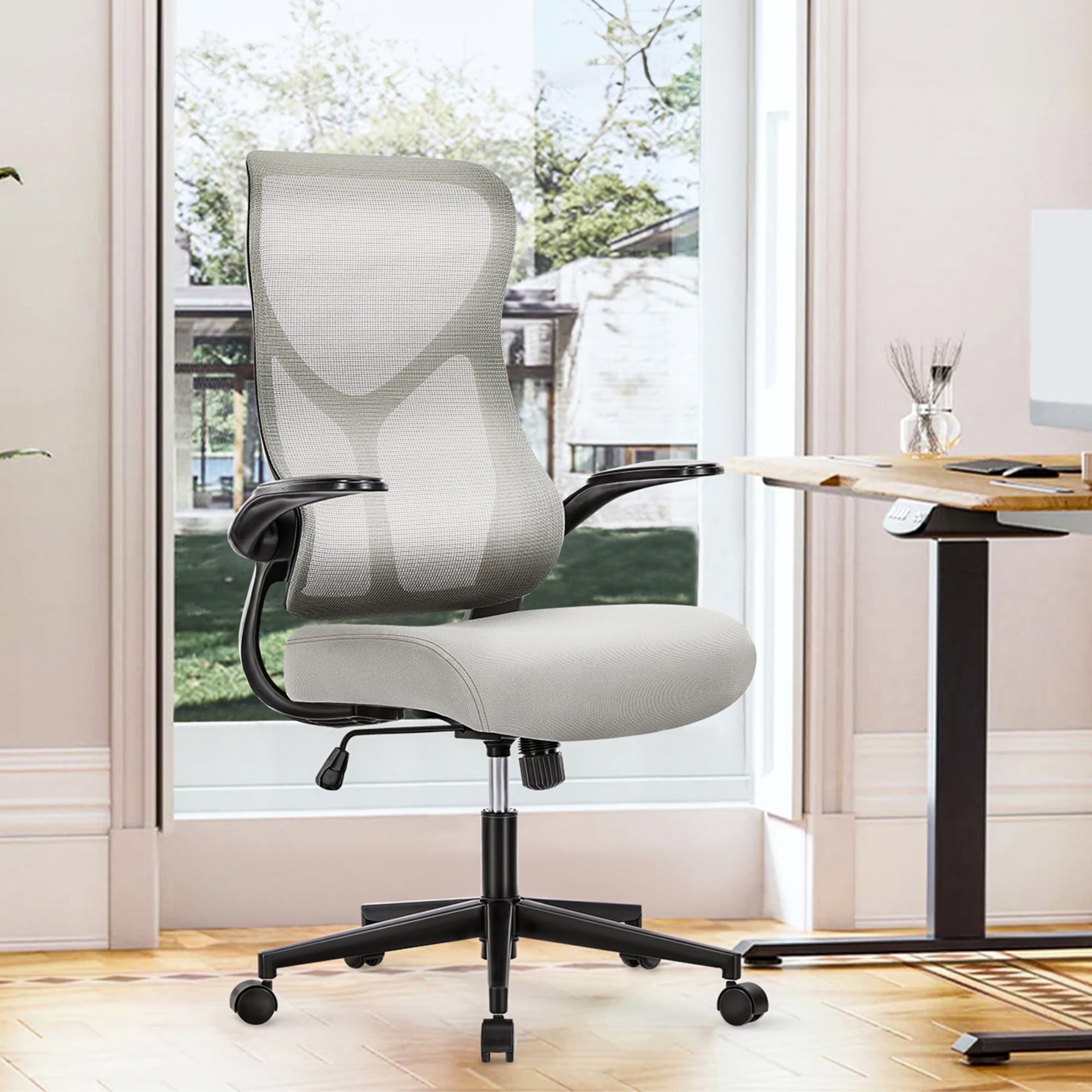
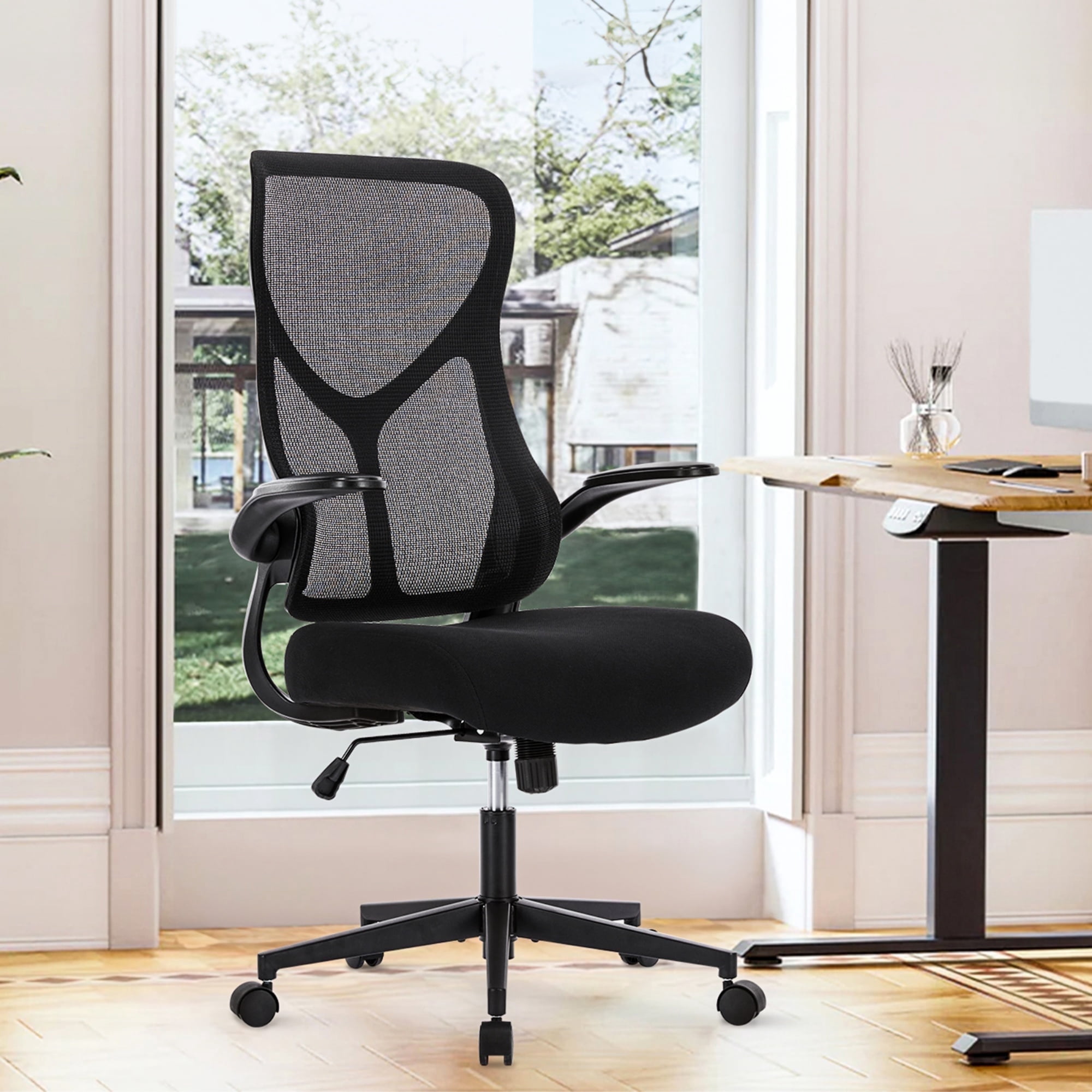
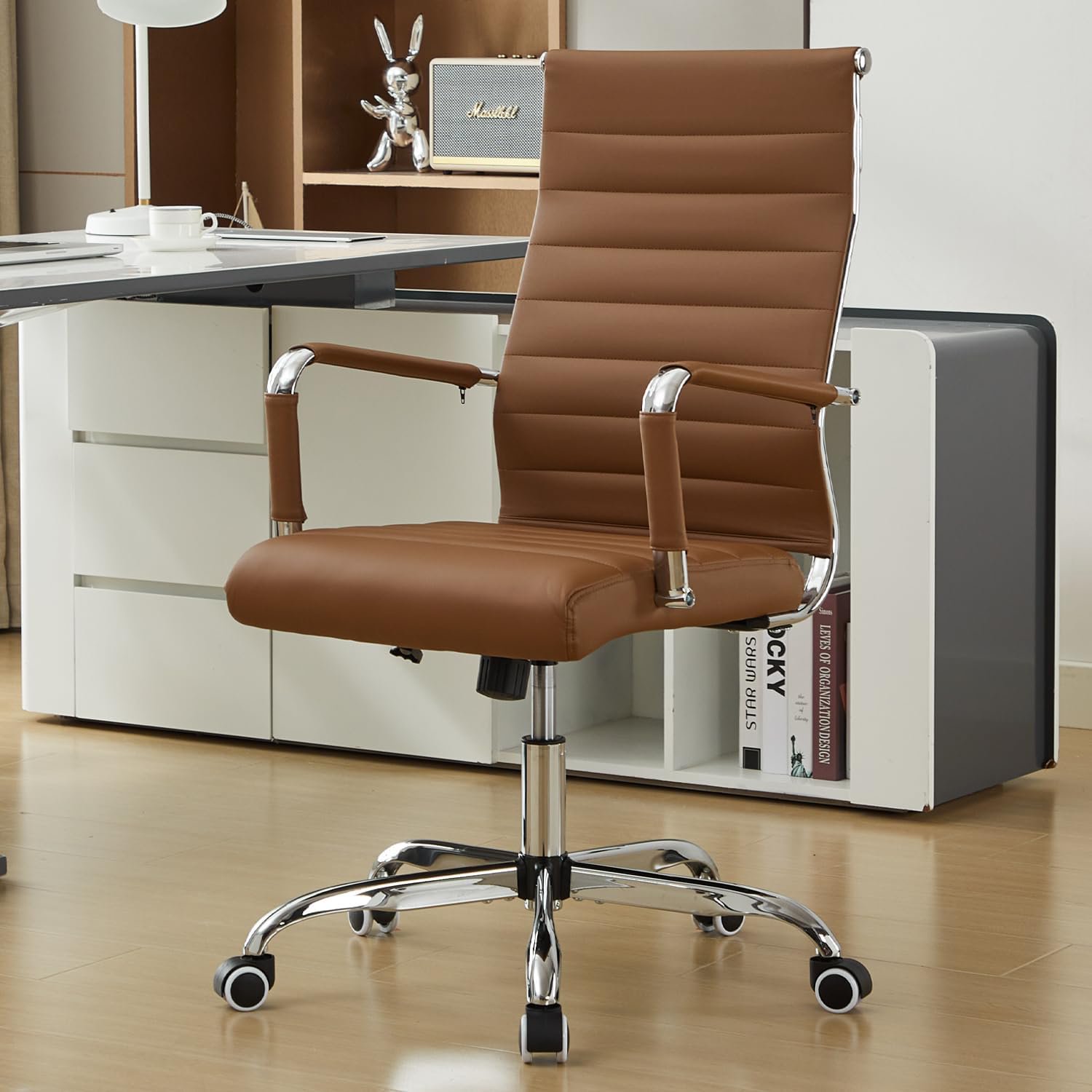
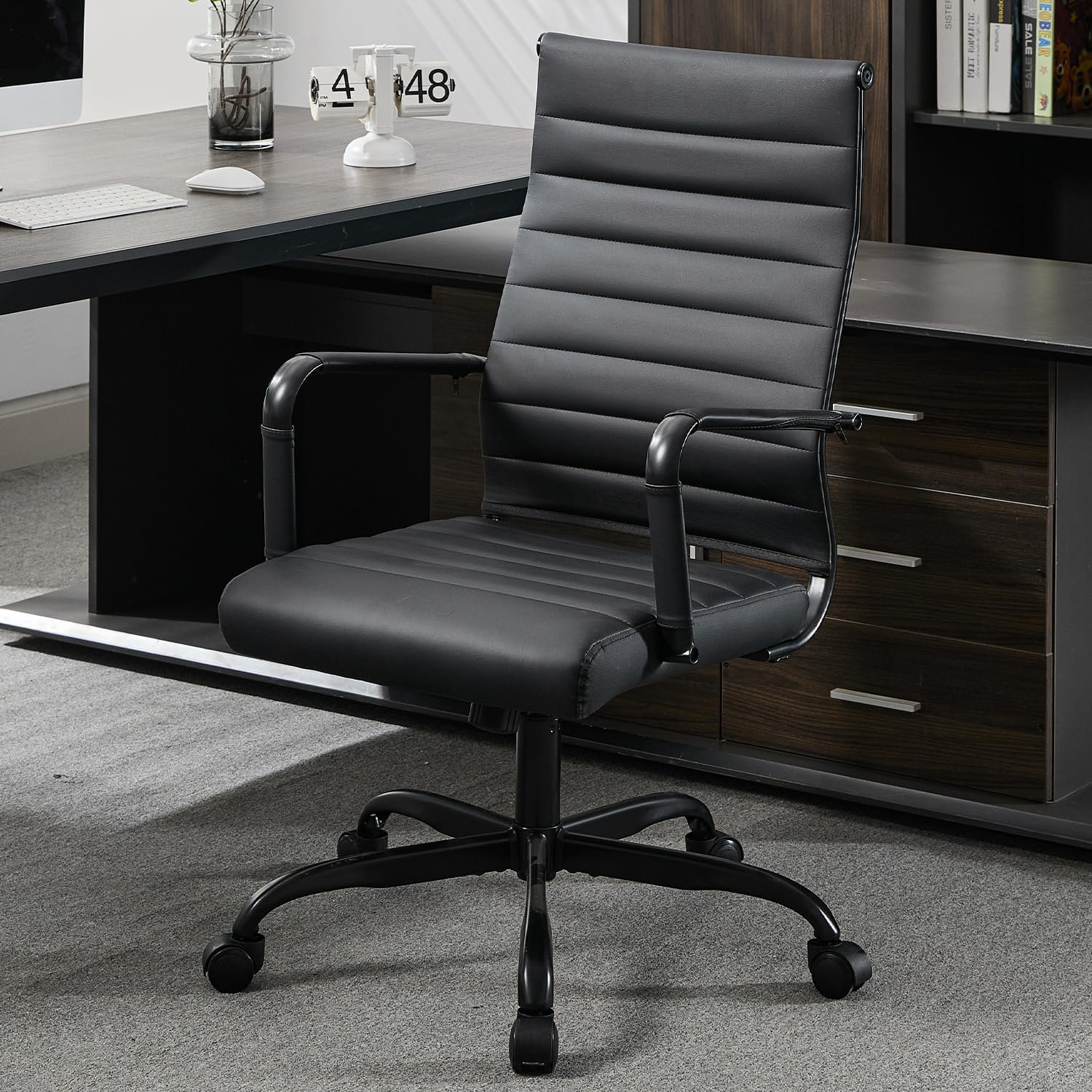
Roll through your workday: the complete guide to office desk chairs with wheels
A rolling office chair is like a reliable co‑worker that moves when you need it and stays stable when you don’t. Whether you’re swiveling between two monitors, gliding to a filing cabinet, or simply changing posture, the wheels under your chair influence your comfort, productivity, and even the lifespan of your flooring. Yet most buyers focus only on padding or backrest — and forget that the office desk chairs with wheels are the foundation of daily movement.
In this guide, we’ll explore everything from caster types and floor compatibility to ergonomic must‑haves. You’ll learn how to pick a chair that rolls smoothly, lasts for years, and complements your workspace without damaging expensive hardwood or plush carpet.
Why the right wheels transform your office experience
Think of casters as the tires of your office chair. Cheap, hard plastic wheels on a delicate floor sound like nails on a chalkboard — and they leave permanent marks. On the other hand, quality rolling mechanisms make you more dynamic. According to a 2023 workplace behaviour study, people with freely moving chairs change posture 33% more often, reducing fatigue and improving blood circulation.
1. The anatomy of a caster: it’s not just a wheel
A typical office caster consists of a wheel (diameter 2‑3 inches), a stem (fits into chair base), and sometimes a brake or hood. The material of the wheel determines the ride:
- Hard nylon / polypropylene – durable, ideal for low‑pile carpet; can scratch hard floors.
- Soft polyurethane / rubber – quieter, floor‑friendly for hardwood, tile, vinyl. Often called “rollerblade wheels”.
- Dual‑wheel casters – two small wheels side by side distribute weight and roll easier on carpet.
Many premium office desk chairs with wheels now include hybrid casters that work on both carpet and hard surfaces — but always verify before you buy.
2. Floor type: the single biggest factor
Imagine driving a car with off‑road tires on an icy road — that’s what happens when you use wrong casters. Use this quick guide:
🔹 For carpet
- Hard nylon casters (they grip the fibers)
- Larger wheels (3″) to avoid sinking
- Dual‑wheel design for stability
🔸 For hardwood / tile
- Soft rubber or polyurethane
- Rollerblade style (wide, smooth)
- Floor‑saving casters (marked “hard floor”)
If your home office has mixed floors (rug + wood), consider chairs with easily swappable casters, or buy a set of universal replacement wheels.
3. Ergonomic benefits of a mobile chair
A static chair glues you to one spot. But a responsive rolling chair encourages micro‑movements. You unconsciously shift, stretch, and reach — that’s good for your spine. The five‑point base (almost universal today) ensures you won’t tip even when you lean. Some modern chairs also include a tilt mechanism that lets you recline while the wheels stay firmly planted.
Data from the American Posture Institute suggests that dynamic sitting (small movements) reduces low‑back pressure by 25% compared to rigid sitting. So mobility isn’t just convenience — it’s health.
4. Wheels, weight capacity, and durability
Heavier users need heavy‑duty casters. Standard wheels support up to 250‑300 lbs. If you’re above that, look for chairs with reinforced nylon or metal wheel hubs and a weight rating of 400 lbs+. The stem size also matters: most chairs use a 7/16″ diameter stem, but some European or commercial models differ. Always check specifications if you plan to replace wheels.
5. Noise reduction: the silent office
Squeaky wheels are distracting. High‑quality casters often have precision bearings or self‑lubricating sleeves. If your chair makes noise, cleaning the wheels (remove hair and dust) and applying a drop of silicone spray can work miracles. Quieter chairs usually feature soft polyurethane tread that absorbs vibration.
6. Locking casters: when you need stability
For standing desks or slightly sloped floors, locking wheels are a godsend. Some office chairs offer a central locking lever that engages all five wheels. Others have individual wheel brakes. If you’re a person who likes the chair to stay absolutely still while you stand up, consider this feature.
7. Maintenance: keep rolling smoothly
Even the best office desk chairs with wheels need occasional care. Here’s a simple routine:
- Monthly – flip the chair and inspect for tangled hair/threads. Remove with a knife or hook.
- Quarterly – pop out the casters (firm pull) and rinse with warm soapy water. Dry thoroughly.
- As needed – if wheels become stiff, apply a tiny amount of PTFE lubricant (not WD‑40, which attracts dust).
This simple care can extend caster life by years.
Quick reference: caster material & performance
| Material | Floor compatibility | Noise level | Typical lifespan |
|---|---|---|---|
| Hard nylon | Carpet only | Moderate | 8‑10 years |
| Soft polyurethane | Hardwood, tile, vinyl, thin carpet | Very low | 6‑8 years |
| Rubber (thermoplastic) | All floors, especially delicate | Low | 5‑7 years |
| Dual casters (nylon/poly mix) | Versatile, best for medium carpet | Low‑medium | 7‑9 years |
Remember: replacement casters are widely available. If you love your current chair but hate the wheels, you can upgrade without buying a whole new chair.
Frequently asked questions about wheeled office chairs
Final thought: small wheels, big difference
Choosing office desk chairs with wheels isn’t just about mobility — it’s about creating a workspace that adapts to you. From protecting your expensive floors to enabling micro‑movements that save your back, the right set of casters elevates your daily work life. Whether you opt for a chair with premium rollerblade wheels or plan to upgrade later, pay attention to the base and caster quality. A great chair should roll as well as it supports you.
Explore the curated selection above, and if you’re still unsure, remember that many modern chairs now come with universal casters suitable for most home office floors. And if you already own a comfortable chair but hate the wheels, aftermarket casters are an affordable fix. Happy rolling!