
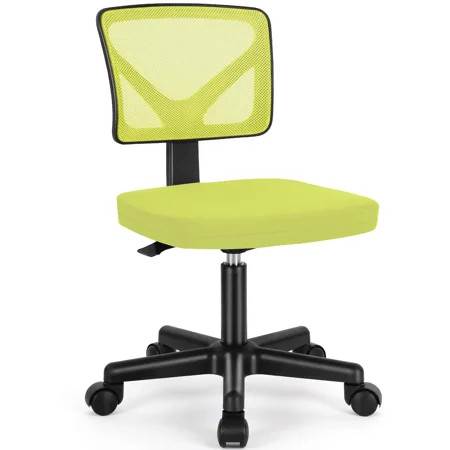
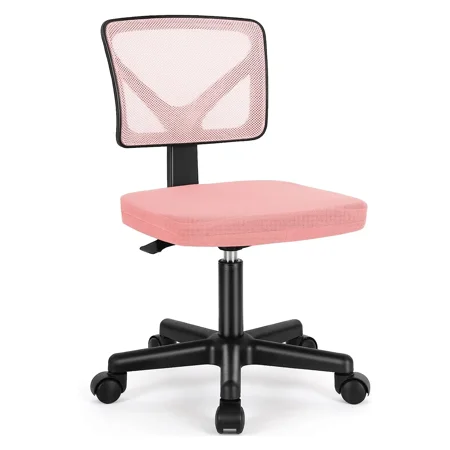
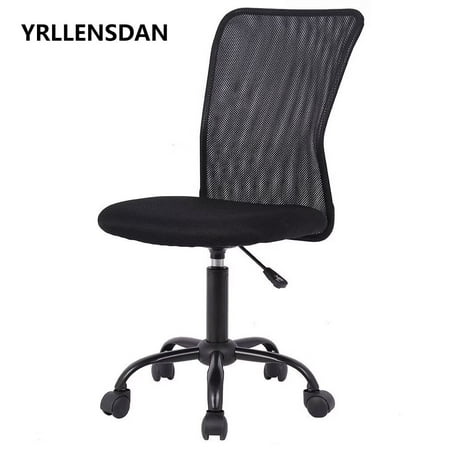

Why “Small Office Chair No Arms” Is the Smart Choice for Your Home Office
Imagine trying to park a large SUV in a compact car spot—frustrating, right? That's exactly how it feels when you try to force a bulky, wing-backed executive chair into a cozy home office corner or a small apartment workspace. The solution? A small office chair no arms. It's the parking-friendly smart car of office seating: nimble, efficient, and perfectly proportioned for modern living.
These chairs are not just about saving physical space; they're about creating visual lightness and offering unrestricted movement. Without armrests, you can slide effortlessly from keyboard to mouse, tuck the chair completely under your desk when not in use, and even sit in alternative positions (like cross-legged) that some find more comfortable. According to a 2023 interior design survey, 68% of home office workers reported that a cluttered, cramped workspace negatively impacts their focus. A streamlined, armless chair can be a game-changer.
Space-Saving Fact: By choosing a chair without arms, you typically save 4-6 inches of width. In a small room, that extra space can mean the difference between a cramped feel and an open, breathable environment.
1. The Ergonomics of Armless: Debunking the Support Myth
Many people worry that a small office chair no arms can't possibly be ergonomic. While armrests do provide support for your upper limbs, their absence doesn't automatically spell bad posture. In fact, for many tasks, armrests can get in the way, forcing you to hunch forward or sit further from your desk than ideal. Let's break down what makes an armless chair genuinely ergonomic.
Critical Ergonomic Features for Armless Chairs
- Lumbar Support Is Non-Negotiable: Since you won't have armrests to offload some upper body weight, your backrest must do the heavy lifting. Look for chairs with a pronounced lumbar curve or an adjustable lumbar pad. This maintains your spine's natural S-shape and prevents slouching.
- Seat Depth and Waterfall Edge: A seat that's too long will press against the back of your knees, cutting off circulation. A "waterfall" edge—where the seat cushion slopes downward—reduces pressure on your thighs. Ensure the seat depth is appropriate for your height (usually 16-17 inches for smaller chairs).
- Dynamic Movement: Without arms, you're free to shift positions more easily. A chair with a synchro-tilt mechanism or a flexible back allows you to lean and move naturally throughout the day, which is a core tenet of ergonomics: the best posture is your next posture.
- Material and Breathability: In a compact chair, you're often sitting in a more enclosed space. Mesh backs are excellent for airflow, preventing that sticky, overheated feeling during long work sessions.
Think of it this way: armrests are like training wheels. They offer support, but they also confine you. An ergonomic armless chair teaches your core to engage more actively, promoting better overall posture—provided the chair itself has the right structural support.
2. Sizing It Right: What Does "Small" Really Mean?
The term "small" can be subjective. When shopping for a small office chair no arms, you need to look at the numbers, not just the label. Here’s a quick guide to the dimensions that matter:
| Dimension | Typical Range for "Small" | Why It Matters |
|---|---|---|
| Seat Width | 18" – 20" | Without arms, the usable width feels generous. Measure your hip width to ensure comfort. |
| Seat Depth | 15" – 17" | Shorter depths prevent pressure on the back of knees, crucial for petite users. |
| Backrest Height | 12" – 18" (low-back) or 20"+ (mid-back) | Low-back chairs offer more flexibility and visual openness; mid-back provides more spinal support. |
| Overall Height (Floor to top) | 30" – 35" | Ensures the chair doesn't visually overwhelm a small room. |
Pro Tip: Always measure your desk height and the space under your desk. A small chair should slide completely underneath when not in use, maximizing your floor space.
3. Material World: Choosing the Best Upholstery for Your Compact Chair
The material of your small office chair no arms affects not only its look but also its longevity and comfort, especially in a smaller footprint where the chair is a prominent visual element.
Mesh
- Pros: Highly breathable, modern aesthetic, lightweight feel.
- Cons: Can be less plush, may not suit traditional decor.
- Best for: Warm climates, modern home offices, long hours.
Fabric
- Pros: Warm, cozy, wide color/pattern choices, often cheaper.
- Cons: Can stain, may trap heat and odors.
- Best for: Style-conscious users, cooler climates.
Leather / Faux Leather
- Pros: Easy to clean, professional look, durable.
- Cons: Can be sticky in summer, cold in winter, may crack.
- Best for: Executive home offices, easy maintenance.
Plastic / Polycarbonate
- Pros: Ultra-modern, very lightweight, easy to wipe clean.
- Cons: Less cushioning, can feel hard after hours.
- Best for: Short-term tasks, creative studios.
4. Where to Place It: Styling Your Small Armless Chair
A small office chair no arms is a styling chameleon. It can disappear into a minimalist setup or become a statement piece. Here are three ways to integrate it:
- The Tuck-Away Home Office: Use it with a floating desk or a narrow console table. The chair's ability to slide completely under the surface transforms any corner into a workspace that vanishes after 5 PM.
- The Multi-Purpose Guest Chair: In a bedroom or living room, an armless task chair can serve as both a desk chair and extra seating for guests. Its lack of arms makes it less bulky and easier to pull into a conversation circle.
- The Creative Studio Companion: For artists or musicians who need to swivel and reach for different tools (easels, instruments, mixing boards), the freedom of movement offered by an armless chair is unparalleled.
5. The Mobility Factor: Casters and Bases
Don't overlook the base. A small chair often has a smaller wheelbase, which can affect stability. Here’s what to check:
- Base Material: Nylon bases are lightweight and cost-effective, while metal bases offer more durability and a premium feel.
- Caster Type: For hardwood or tile floors, look for soft rubber casters (often marked "hard floor casters") to prevent scratches. For carpet, standard hard casters work fine.
- Stability: Even with a smaller footprint, a well-designed five-point base should feel solid. Check the weight capacity—a higher rating often means a more robust gas lift and base construction.
Frequently Asked Questions About Small Office Chair No Arms
Conclusion: Small Footprint, Big Impact
Choosing a small office chair no arms is a smart, intentional decision for the modern worker. It's a choice that prioritizes fluidity, space efficiency, and a clutter-free environment without necessarily compromising on ergonomic support. By focusing on the right features—like adjustable lumbar support, correct seat dimensions, and quality materials—you can find a chair that feels custom-made for both your body and your room.
Remember, the best chair is the one that fits you and your space perfectly. Use this guide to navigate the options and select a compact seat that will keep you comfortable, productive, and inspired, no matter how small your office corner might be.