
Introduction: The Unsung Hero of Your Office – The Chair Mat
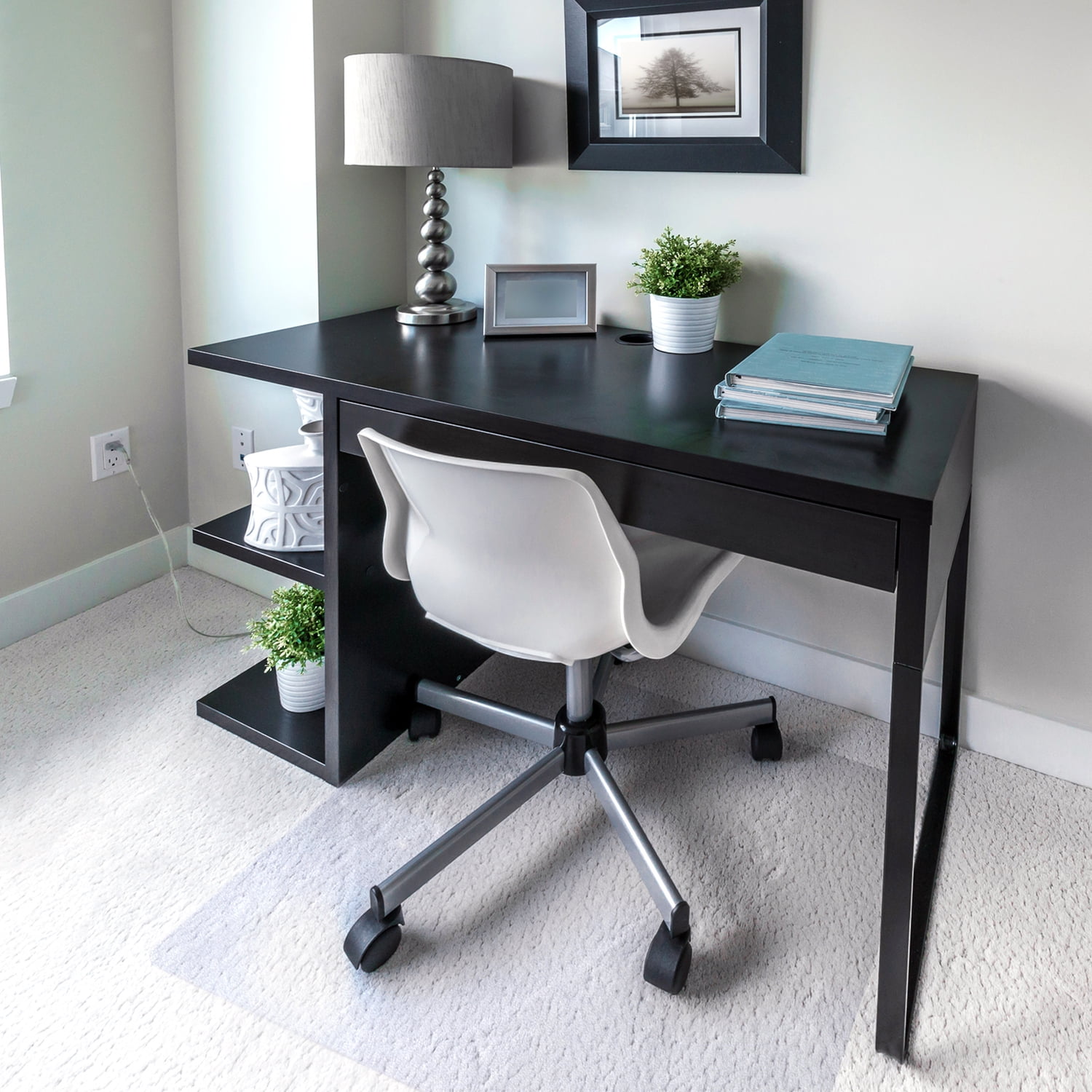
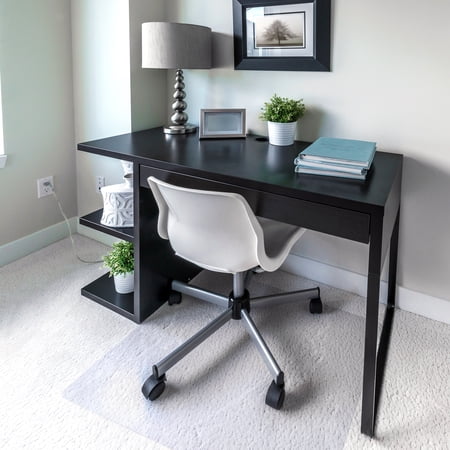
Imagine investing in a premium executive chair, only to have it fight you with every roll because your casters dig into the carpet. Or picture the silent damage occurring on your beautiful hardwood floor, scratched by grit ground in by your chair wheels. This is where the office chair mat polycarbonate transforms from an accessory into an essential piece of office equipment. It's the protective layer that ensures your flooring remains pristine and your chair glides effortlessly, day after day.
For the discerning professional, a chair mat isn't just a piece of plastic; it's a strategic investment in the longevity of your office aesthetics and the ergonomics of your workflow. While many settle for cheaper PVC mats, the true connoisseur chooses polycarbonate. But what exactly sets it apart? This comprehensive guide will walk you through everything you need to know, ensuring you make an informed decision that your floors—and your back—will thank you for.
Did You Know? A study on office ergonomics suggests that improper chair movement due to carpet resistance can increase the physical effort required to adjust your position by up to 30%. A quality polycarbonate mat eliminates this resistance, promoting better posture through effortless movement.
Polycarbonate vs. The World: Why This Material Reigns Supreme
When you start shopping for floor protectors, you'll encounter a alphabet soup of materials: PVC, PET, and Polycarbonate. To understand why polycarbonate is the premium choice, think of it like this: PVC is the disposable coffee cup—it works for a while but cracks and degrades. Polycarbonate is the tempered glass—it's clear, strong, and lasts for years. Let's break down the core advantages.
1. Unmatched Durability and Crack Resistance
Standard PVC (vinyl) mats are notorious for becoming brittle over time, especially in rooms with temperature fluctuations. They crack at the edges or, worse, shatter under the weight of a heavy chair. Polycarbonate, on the other hand, is virtually unbreakable under normal office use. It's the same material used in bulletproof glass and high-impact safety eyewear. It flexes under stress without cracking, ensuring your mat survives accidental drops, heavy executive chairs, and years of daily rolling.
2. Crystal Clear Clarity That Lasts
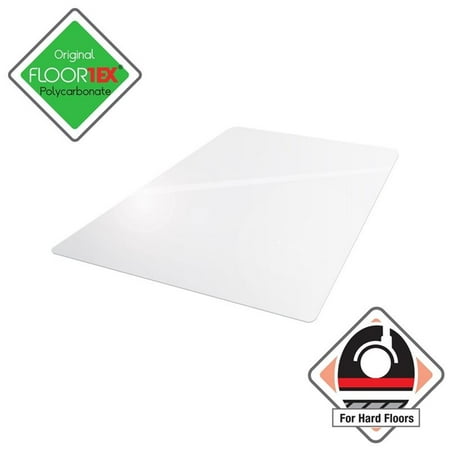
One of the primary reasons people avoid chair mats is the unsightly, yellowed look of aged PVC. They turn a beautiful hardwood floor into an eyesore. A high-quality office chair mat polycarbonate starts clear and stays clear. It's formulated to resist UV light and oxidation, meaning it won't develop that ugly amber tint. Your beautiful floor remains visible and the mat subtly blends into the background, doing its job without drawing attention to itself.
3. Superior Performance on All Floor Types
- For Hardwood & Tile: Polycarbonate provides a perfectly smooth, low-friction surface. Unlike some mats that have a textured back that can trap grit and scratch floors, quality polycarbonate mats have a smooth or lightly textured underside that is safe for delicate surfaces. They prevent the micro-abrasions caused by wheels grinding dirt into the floor.
- For Low to High-Pile Carpet: This is where polycarbonate truly excels. Its rigidity allows it to bridge the carpet fibers, creating a stable platform. Thin PVC mats sink into the carpet, causing the chair to feel like it's rolling through mud. A polycarbonate mat sits on top, providing a firm, consistent rolling surface. Many come with a clear-stud backing specifically designed to grip the carpet and prevent creeping.
4. Eco-Conscious and Non-Toxic
Many cheaper PVC mats contain phthalates and other harmful chemicals used to make them flexible. These can off-gas into your office environment. Premium polycarbonate mats are often free from these harmful additives. Furthermore, because polycarbonate is so durable, its lifecycle is significantly longer, reducing the frequency of replacement and the associated plastic waste. It's a more sustainable choice for the environmentally conscious office.
5. The "Rollability" Factor: Enhancing Ergonomics
Ergonomics isn't just about your chair; it's about how you interact with your entire workspace. A mat that causes resistance forces you to exert more energy to move, straining your legs and lower back. A polycarbonate office chair mat provides a low-friction surface that allows for seamless transition from keyboard to desk to filing cabinet. This encourages micro-movements throughout the day, which is crucial for joint health and circulation. It transforms your chair from a static throne into a dynamic tool.
Decoding the Specs: How to Choose Your Perfect Polycarbonate Mat
Not all polycarbonate mats are created equal. Here is a detailed guide to the features you need to consider before making a purchase.
| Feature | Why It Matters | What to Look For |
|---|---|---|
| Thickness | Determines stability and suitability for carpet. Thicker mats are stiffer and better for plush carpets. | 0.08" (2mm) for hard floors; 0.12" (3mm) for low-pile carpet; 0.20" (5mm)+ for high-pile carpet. |
| Surface Finish | Affects rolling smoothness and glare. A textured finish reduces glare but might offer slightly more resistance. | Glossy/smooth for easiest rolling; Matte/textured for reduced glare in bright offices. |
| Underside Grip | Prevents the mat from sliding on carpet or 'suction-cupping' on hard floors. | For carpet: Cleated or gripper nubs. For hard floors: Smooth, non-slip backing without suction cups. |
| Lip Style | The edge that goes under your desk. A straight edge is standard, but a lipped edge helps transition from carpet to mat. | Standard straight edge for most setups. A curved or beveled lip if the mat sits on carpet and you roll onto it frequently. |
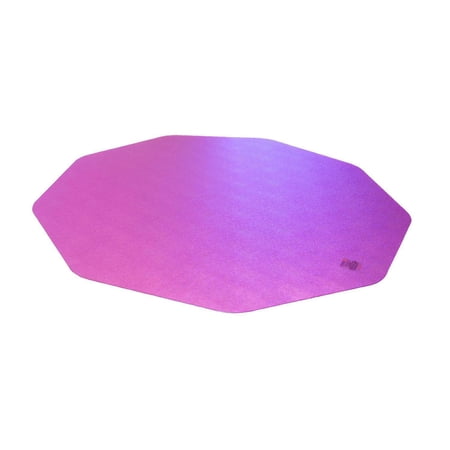
| Size & Shape | Must accommodate your chair's wheel range and your desk footprint. | Rectangle (standard), Keyhole (for L-shaped desks), or Lip/Welded (to fit under desk pedestals). Measure your space! |
Understanding Chair Casters and Your Mat
The relationship between your chair's casters (wheels) and your mat is symbiotic. Hard casters (standard on many chairs) are designed for carpet. On a hard mat, they can be slippery. Soft, rubberized casters (often marketed as "hardwood floor casters") are designed for hard surfaces. On a polycarbonate mat, they provide a perfect amount of grip and smoothness. For the ultimate experience on a polycarbonate mat, consider upgrading to roller-blade style or soft rubber casters for a glide that feels effortless and quiet.
Beyond Floor Protection: The Hidden Benefits of a Quality Mat
We've covered floor protection, but a superior office chair mat polycarbonate offers benefits that directly impact your daily work life.
Noise Reduction
Polycarbonate dampens the rumble and clatter of chair casters, creating a quieter, more focused workspace.
Effortless Movement
Say goodbye to the "carpet drag." Glide from one end of your workspace to the other with a single push.
Spill Protection
Accidental coffee spills? A mat creates a barrier, protecting your carpet from stains while you clean up.
Professional Aesthetic
A clean, clear mat looks far more professional than a dirty, cracked, or yellowed vinyl alternative.
Frequently Asked Questions About Polycarbonate Chair Mats
Conclusion: A Clear Choice for a Professional Workspace
Your office floor is a significant investment, and the constant motion of your chair is a silent test of its durability. Choosing an office chair mat polycarbonate is a decision to protect that investment with the best possible material. It’s a choice for clarity that lasts, for effortless ergonomics, and for a workspace that looks as professional as the work you do in it.
While the upfront cost of a polycarbonate mat is higher than a basic PVC version, the long-term value is undeniable. You're paying for years of crack-free, clear protection. Think of it not as an expense, but as a durable, long-term upgrade to your office infrastructure.
Your Next Step
Prioritize a mat with a smooth, non-slip backing and a high-gloss, clear finish. Look for a thickness of around 1/8" for a low-profile look that won't interfere with your chair's movement.
Opt for a thicker mat (at least 3/16") with a cleated or studded underside. This will provide the stability needed to prevent the mat from sinking and sliding.
Thickness is your friend. Look for mats specifically rated for higher weights, often 0.20" or more. The rigidity of polycarbonate is a huge advantage here, providing a stable platform that won't flex or crack.
Browse our curated selection of top-rated polycarbonate mats above. Each product has been vetted for quality and durability, ensuring you get the perfect foundation for your office chair. Your floors—and your future self—will thank you.