
Why Every Workspace Needs an Office Depot Chair Mat
Imagine investing in a beautiful home office or a professional corporate setup, only to find unsightly wear patterns on your carpet or deep scratches on your pristine hardwood floor within months. This is where a office depot chair mat becomes an unsung hero. It acts as a protective shield, a mobility enhancer, and an ergonomic accessory all in one.
Industry Insight: According to flooring industry data, office chair casters can cause permanent damage to carpets and hard floors in as little as six months of regular use. A high-quality chair mat can extend the life of your flooring by up to 10 years.
An Office Depot chair mat is not just a piece of plastic; it is a strategic investment. It provides a smooth, low-friction surface that allows you to glide effortlessly from one side of your desk to another, reducing strain on your legs and back. For those with carpet, it prevents the 'divots' and matting that make rolling difficult. For hard floors, it protects the finish from the abrasive action of wheels and grit.
Choosing the Right Office Depot Chair Mat: A Complete Breakdown
Selecting the perfect mat involves more than just picking the first one you see. You need to consider your floor type, chair usage, and even aesthetic preferences. Let's break down the critical factors.
1. Floor Type: The Foundation of Your Decision
This is the most important rule: match the mat to your floor. Using the wrong mat can cause damage or be ineffective.
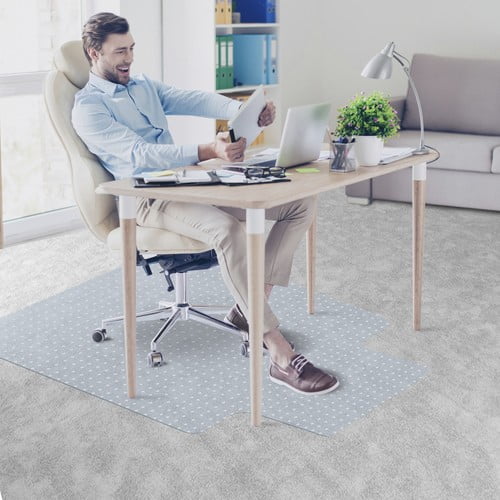
- For Carpeted Floors: Look for mats with cleats or grippers on the bottom. These spikes anchor the mat into the carpet, preventing it from sliding around as you move. Standard pile carpets need a standard cleat, while plush or high-pile carpets require longer cleats for a secure grip. Office Depot offers a range of carpet chair mats designed specifically for this.
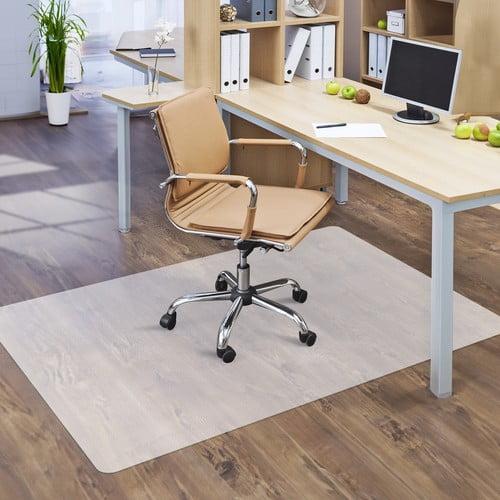
- For Hardwood, Tile, or Laminate: You need a smooth-backed mat. These mats lie flat without any grippers that could scratch the floor. Some come with a slightly textured bottom to prevent slipping without marring the surface. A hardwood floor chair mat is often made of clearer polycarbonate to show off the beauty of the wood underneath.
2. Material Matters: PVC vs. Polycarbonate
The material dictates the mat's longevity, clarity, and feel.
Polycarbonate (The Premium Choice)
- Crystal Clear: Virtually invisible, showcasing your floor.
- Durability: Resists cracking, yellowing, and warping. Can last a lifetime.
- Eco-Friendly: Often made from recyclable materials and free of harmful chemicals.
- Performance: Stays flexible in cold temperatures and provides the smoothest rolling surface.
PVC (The Budget-Friendly Option)
- Affordable: Significantly cheaper upfront.
- Flexible: Good for standard office use.
- Limitations: Can become brittle and crack over time, especially in cold rooms.
- Aesthetics: Prone to yellowing and developing a cloudy appearance.
- Smell: Can have a strong chemical odor when new (off-gassing).
For a professional or home office where aesthetics and longevity matter, the extra investment in a polycarbonate office mat is well worth it. For a temporary setup or a low-traffic area, a PVC mat is a practical choice.
3. Mat Style: Lip, Rectangle, or Contoured?
The shape of the mat affects how it fits with your desk.
- Standard Rectangle: The most common type. Simple, effective, and fits under most desks.
- Lip Mat: Features an extended 'lip' that slides under your desk. This allows you to roll closer to your desk surface without the chair hitting the edge of the mat. Ideal for L-shaped desks or workspaces where you need to get very close to the desk.
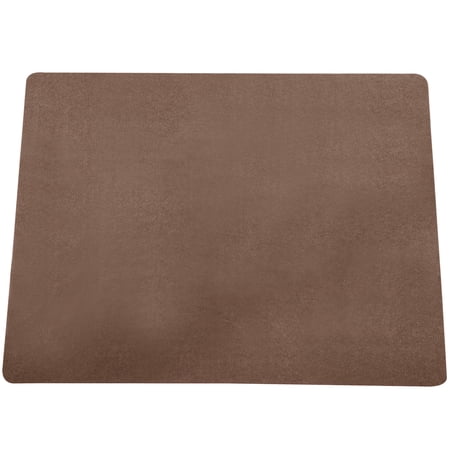
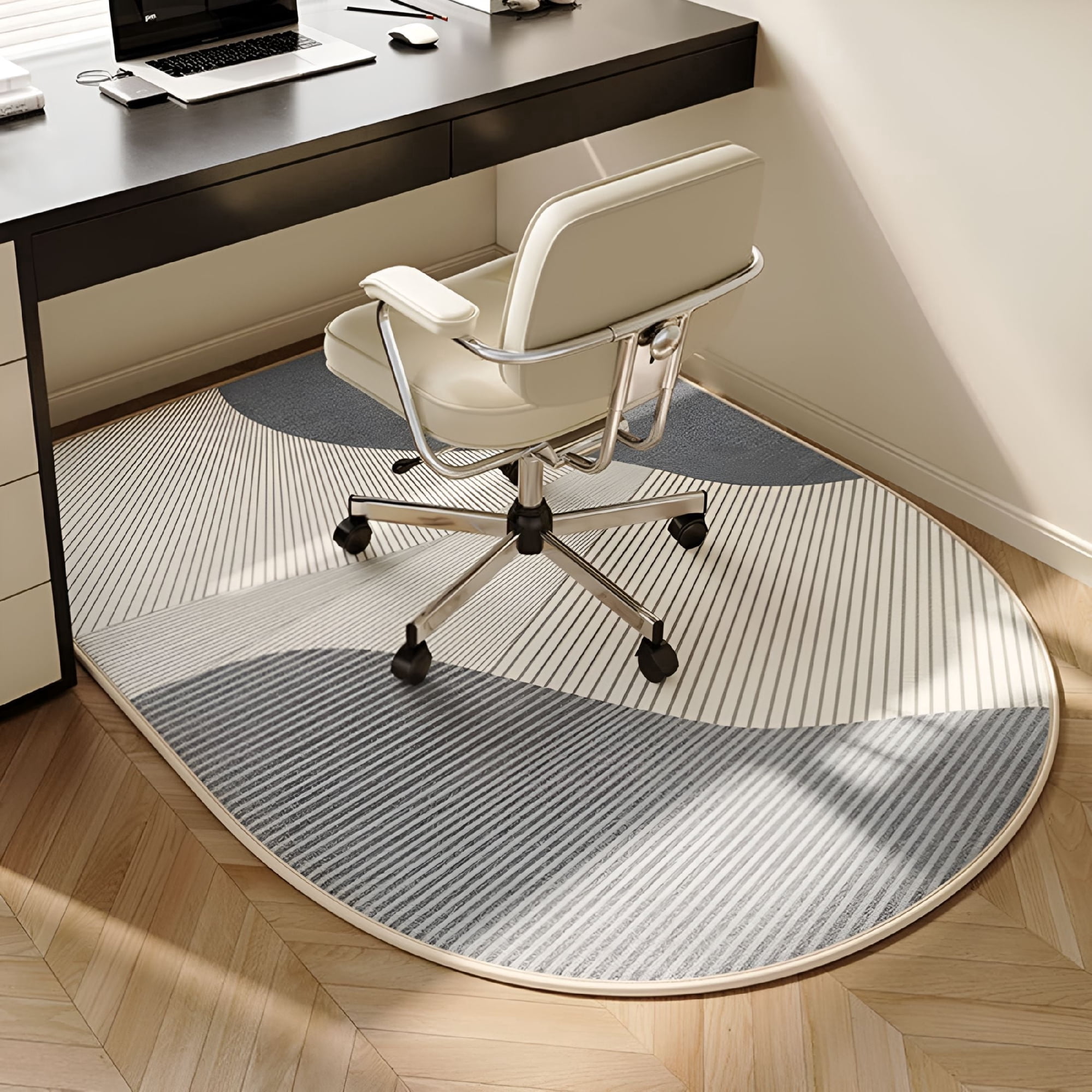
- Contoured or 'Home' Mats: Designed with a curved edge to fit more neatly in a home office corner, often looking less commercial.
4. Thickness and Size
Thickness: A standard mat is about 1/8-inch thick. For heavy chairs or thick carpets, opt for 3/16-inch or 1/4-inch for better support and durability.
Size: You need enough room to move. A standard size is 45" x 53", which works for most desks. Measure the area under and around your desk. Ensure you have at least 12-18 inches of mat extending beyond each side of your chair's typical movement path.
5. Chair Casters: The Often Overlooked Factor
Hard plastic casters are standard, but they can be rough on mats. Consider upgrading to soft rubber casters or rollerblade-style wheels. They are gentler on both the mat and your floor, and they provide an even smoother, quieter glide. This is a pro-tip for creating a truly premium office experience.
Floor Longevity
Prevents scratches, scuffs, and carpet matting by up to 90%.
Ergonomic Glide
Reduces the force needed to move, decreasing strain on joints.
Noise Reduction
Eliminates the loud rumble of casters on hard floors.
Aesthetic Appeal
High-end polycarbonate mats preserve the look of your floor.
Frequently Asked Questions About Office Depot Chair Mats
Conclusion: Protect Your Floor, Enhance Your Workflow
An office depot chair mat is a small investment that yields significant returns in floor protection, comfort, and office professionalism. By understanding your floor type, choosing between durable polycarbonate and budget-friendly PVC, and selecting the right size and style, you can transform your workspace.
Don't wait until you see the first scratch or the carpet fibers are permanently matted down. Equip your office with a high-quality chair mat today and enjoy years of smooth, effortless movement. Your floors—and your back—will thank you.
| Mat Type | Best For | Material Recommendation | Key Feature |
|---|---|---|---|
| Carpet Mat | Standard to Plush Carpet | PVC or Polycarbonate with Cleats | Non-slip grip spikes |
| Hard Floor Mat | Hardwood, Tile, Laminate | Polycarbonate (Smooth Back) | Scratch-resistant, clear finish |
| Heavy-Duty Mat | High-traffic, Heavy Chairs | Thick Polycarbonate | Maximum durability and support |
| Lip Mat | L-shaped Desks | PVC or Polycarbonate | Extended section slides under desk |