
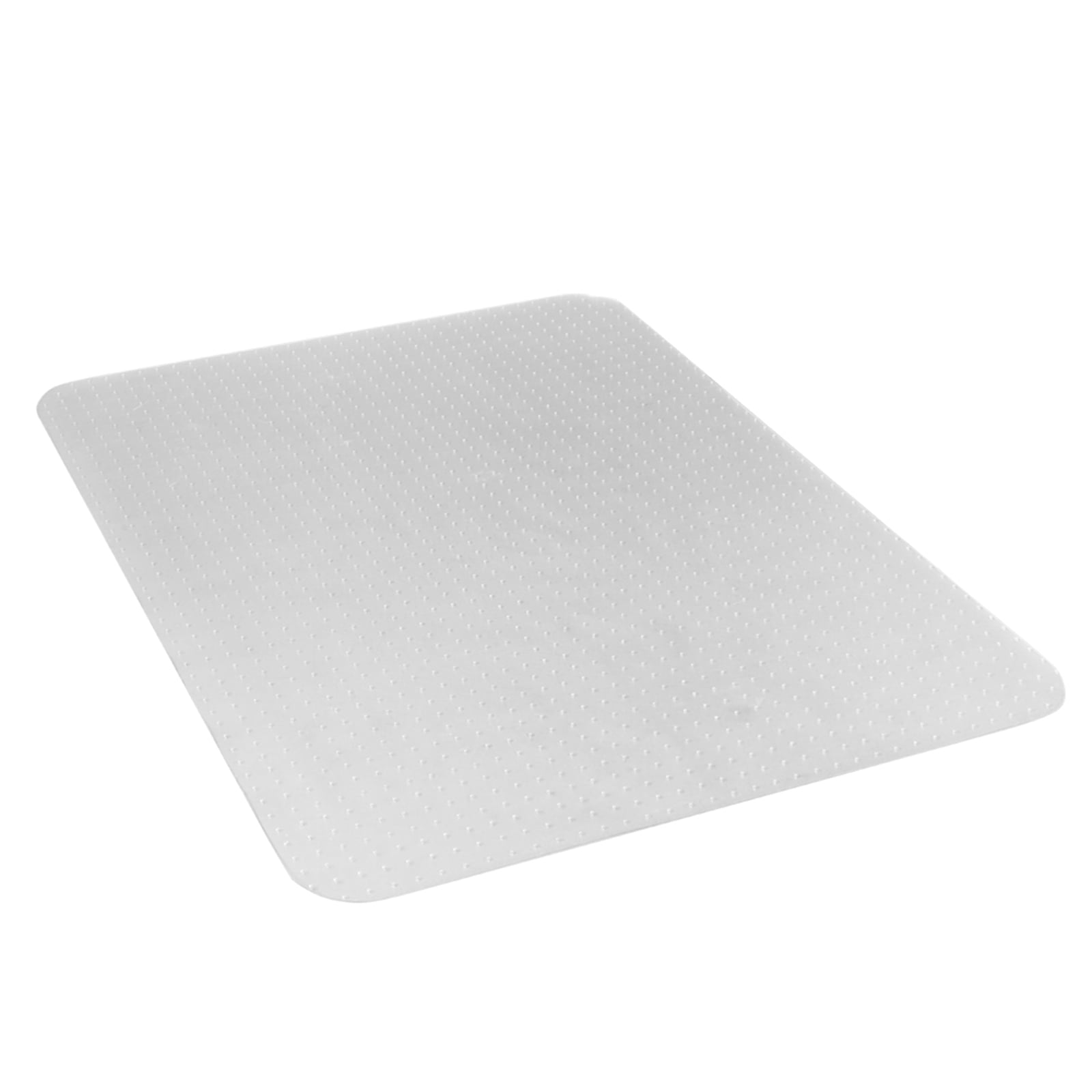
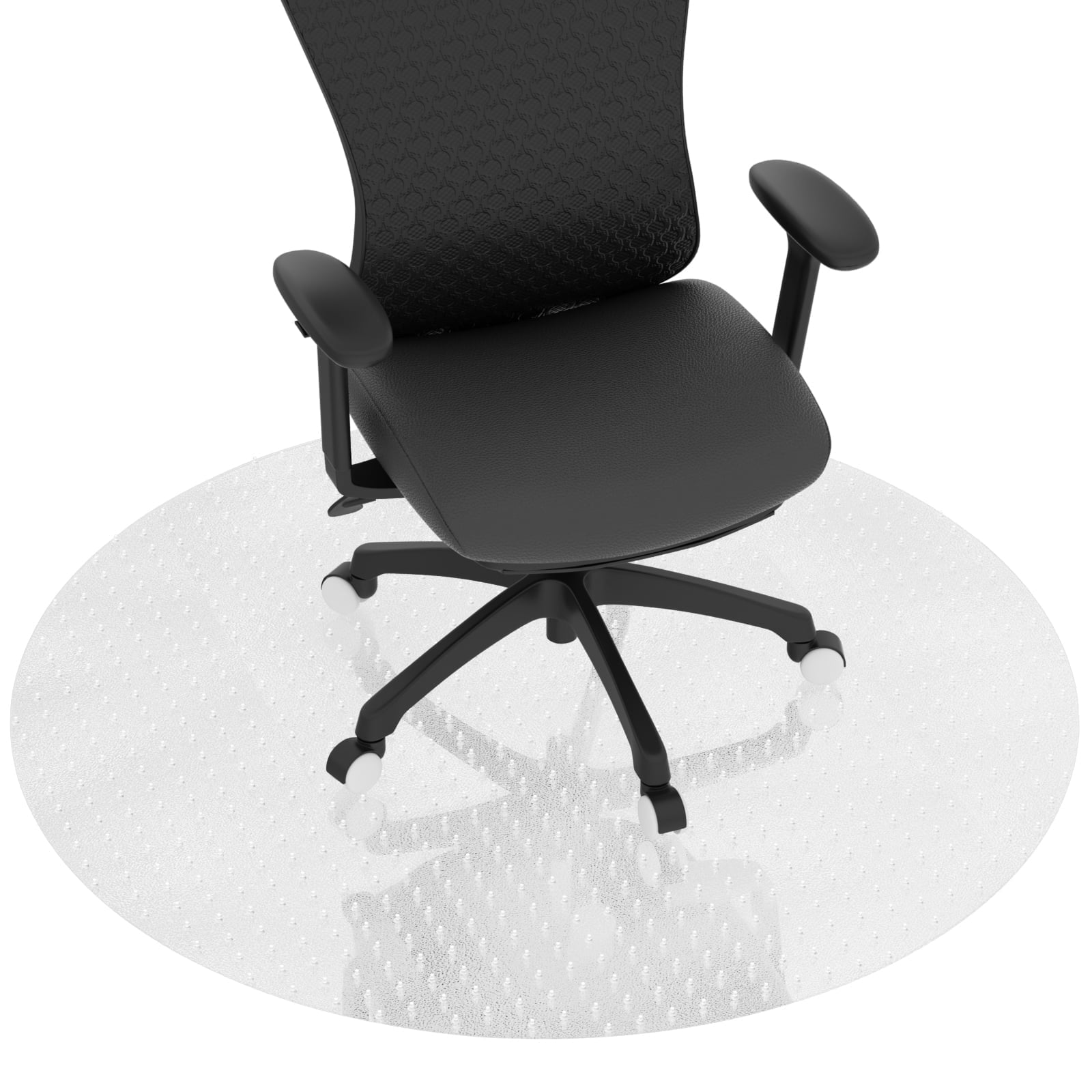
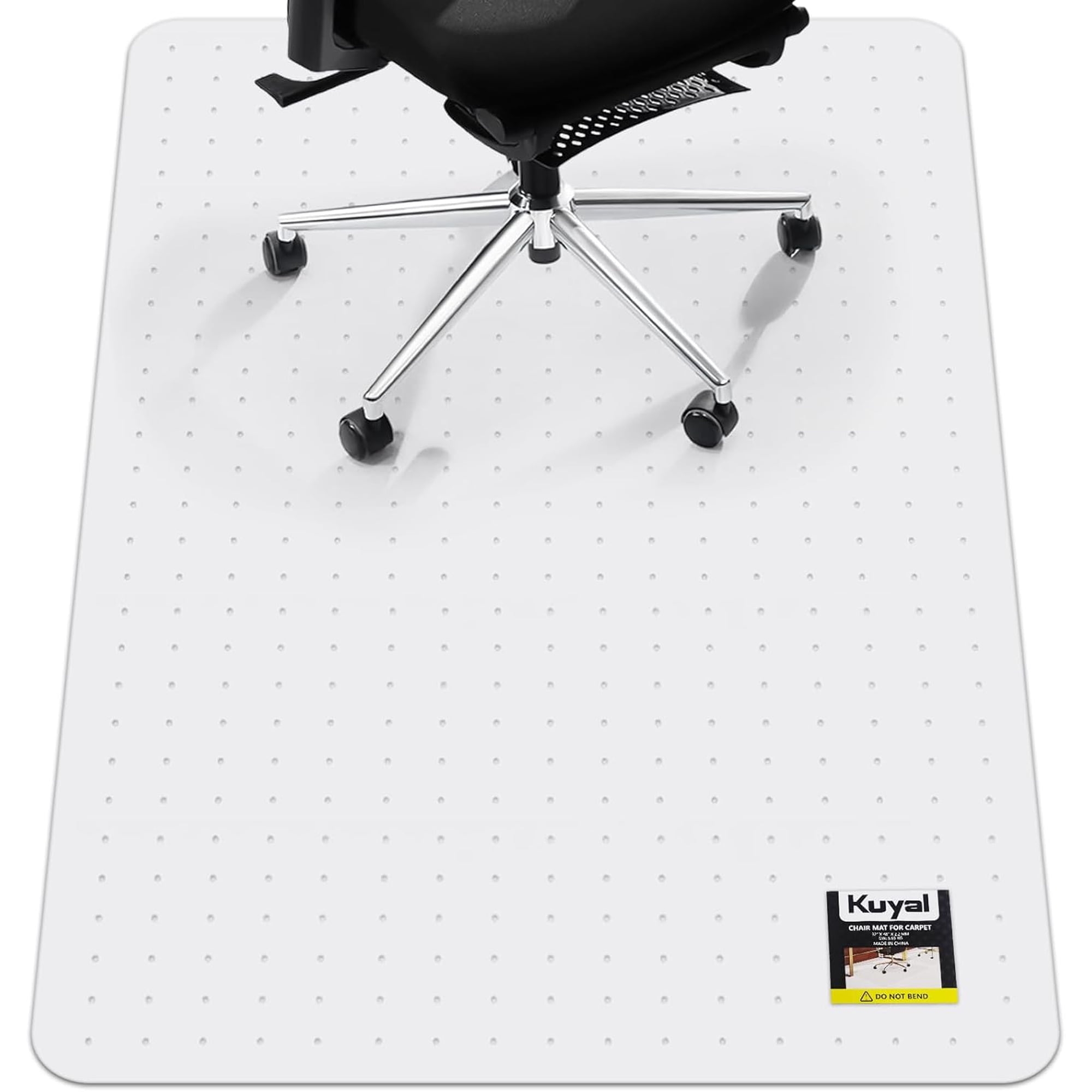
Imagine this: you've just invested in a premium ergonomic office chair. You sit down, ready to tackle your day, but when you push back from your desk, it feels like you're dragging the chair through mud. The wheels dig into the plush carpet, creating ruts and making every movement a chore. This is the reality for millions of professionals with carpeted home or corporate offices. The solution isn't a new chair—it's an office chair matt for carpet. Think of it as a skating rink for your desk chair: a smooth, protective surface that lets you glide effortlessly while preserving the life and look of your flooring underneath.
Why Your Carpet is Your Chair's Worst Enemy (And Vice Versa)
The relationship between standard chair casters and soft carpet is destructive. According to flooring industry studies, constant pressure and micro-movements from an office chair can cause visible carpet wear in as little as six months. Here’s what happens without a protective mat:
- Fiber Fatigue & Matting: The wheels crush carpet fibers, leading to permanent, flattened paths that look worn and dirty.
- Accelerated Abrasion: Dirt and grit trapped in the carpet act like sandpaper. When your chair rolls over it, it grinds down both the carpet fibers and your chair's wheel casters.
- The "Stuck in Mud" Effect: High-friction carpets make it difficult to move, forcing you to twist your spine unnaturally just to reposition, leading to back strain.
- Subfloor Damage: On very thin carpet over hard floors, the concentrated pressure of chair wheels can actually dent or mark the subfloor.
An office chair mat acts as a sacrificial barrier, absorbing all this wear and tear so your carpet doesn't have to.
Decoding the Mat: Types, Materials, and Treads
Not all mats are created equal. Choosing the wrong one—like using a hard floor mat on carpet—can be dangerous and useless. Here’s a breakdown of what you need to know.
1. Material Matters: PVC vs. Polycarbonate
The material determines the mat's durability, clarity, and longevity. This is the most important decision you'll make.
PVC (Polyvinyl Chloride)
The Workhorse: This is the most common and budget-friendly material. It's flexible and gets the job done.
- Pros: Affordable, widely available, good flexibility.
- Cons: Can crack over time, may have a strong "off-gassing" smell initially, and clear versions will eventually yellow.
- Best for: Low to medium-pile carpets in home offices where budget is a primary concern.
Polycarbonate
The Premium Choice: The same material used in bulletproof glass. It's in a league of its own.
- Pros: Virtually unbreakable, crystal clear and will not yellow, resists cracking and curling, extremely durable (lasts decades).
- Cons: Significantly more expensive, can be slightly less flexible than PVC.
- Best for: High-end executive offices, thick plush carpets, and anyone wanting a long-term, pristine look.
2. The Grip Game: Cleats for Carpet
For carpet, the underside of the mat is just as important as the top. You need a mat with a "cleated" or "spiked" bottom. These are small, pointed nubs that dig into the carpet fibers, anchoring the mat firmly in place so it doesn't slide around when you roll.
- Standard Cleats: Suitable for low to medium-pile office carpet.
- Deep-Grip / Heavy-Duty Cleats: Essential for thick, plush, or high-pile residential carpet. These longer cleats penetrate deeper to find stability.
Critical Warning: Never use a mat with a smooth or "nubby" bottom (designed for hard floors) on carpet. It will turn your workspace into a slip-and-slide.
Choosing the Right Size and Shape for Your Workspace
A mat that's too small is almost as bad as no mat at all. You need adequate space for your chair to move and for you to sit and stand comfortably.
- Measure Your Workspace: Measure the area under your desk where your chair moves. Standard sizes are typically 36" x 48" or 45" x 53".
- The "Wheelbase" Rule: Ensure the mat extends at least 6-8 inches beyond the back of your chair's wheels when you're sitting in a normal position.
- Lip or No Lip? Some mats have a straight edge, while others have a "lip" designed to slide under your desk. If your desk is against a wall, a lip can protect the area where your feet rest.
- Shapes:
- Rectangle: The most common and versatile.
- Contoured (Keyhole): Features a curved cutout to fit under a desk with a central pedestal, reducing the amount of mat extending into your legroom.
Common Myths About Chair Mats on Carpet
Let's bust some persistent misconceptions that lead to poor purchasing decisions.
- Myth: "A piece of clear vinyl from a hardware store will work."
Reality: Standard vinyl is too thin and flexible. It will wrinkle, tear, and offer no support for your chair, creating a tripping hazard. - Myth: "All clear mats are the same."
Reality: As discussed, PVC yellows and cracks; polycarbonate remains clear. The difference is night and day. - Myth: "A mat will ruin my carpet."
Reality: The opposite is true. A mat preserves your carpet. The only potential issue is if you leave a heavy mat on thick carpet for years, the carpet underneath may be slightly flattened. This usually recovers after the mat is removed. - Myth: "I have a thick carpet, so I should just remove the wheels."
Reality: Removing wheels turns your chair into a static, non-ergonomic seat, forcing you to reach and twist. A proper mat with deep cleats is the only ergonomic solution.
Installation and Care: Making Your Mat Last
Getting the most out of your office chair mat is simple:
- Unpack and Flatten: Mats often ship rolled up. Unroll it and place it in a warm room. It may take 24-48 hours to fully flatten out. Placing heavy books on the corners speeds this up.
- Proper Placement: Position the mat where you want it. For new mats with cleats, you may need to press down firmly or even walk on it to help the cleats initially grip the carpet.
- Clean Regularly: Vacuum the mat's surface to remove dust and dirt that can scratch its surface. For deeper cleaning, use a damp cloth and mild soap. Avoid harsh chemicals.
- Check Casters: Ensure your chair's casters are clean and free of tangled hair or debris, as this can scratch the mat's surface over time.
Frequently Asked Questions About Office Chair Mats for Carpet
Final Verdict: A Small Investment for Long-Term Protection
An office chair mat is not just an accessory; it's a vital piece of office equipment that protects your flooring investment and enhances your daily comfort and ergonomics. Whether you opt for a budget-friendly PVC mat or a premium polycarbonate model, the key is to choose one specifically designed for your carpet type. By understanding the materials, grip styles, and sizes, you can transform your office experience from frustratingly stagnant to smoothly productive. Protect your carpet, save your back, and enjoy the effortless glide.