
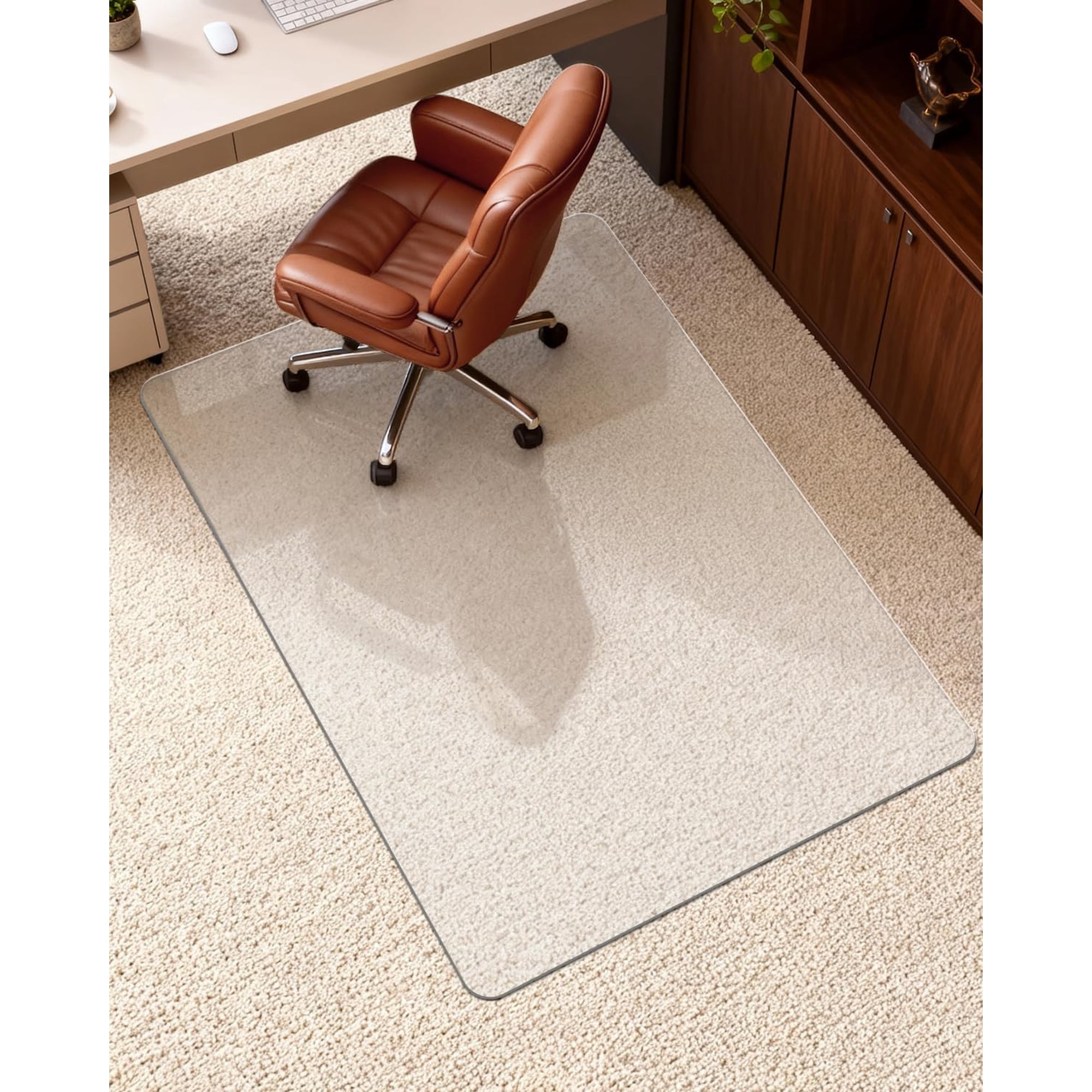
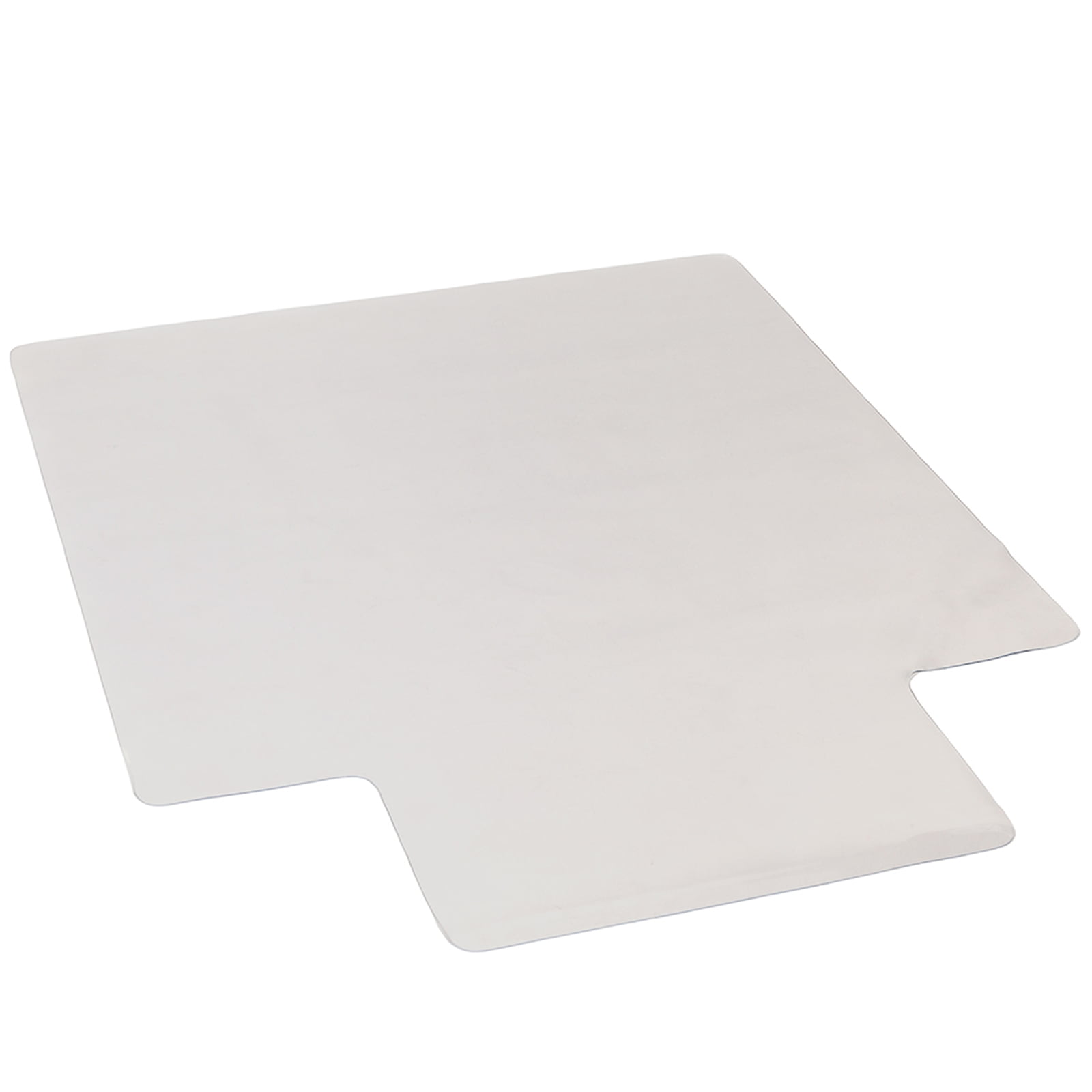
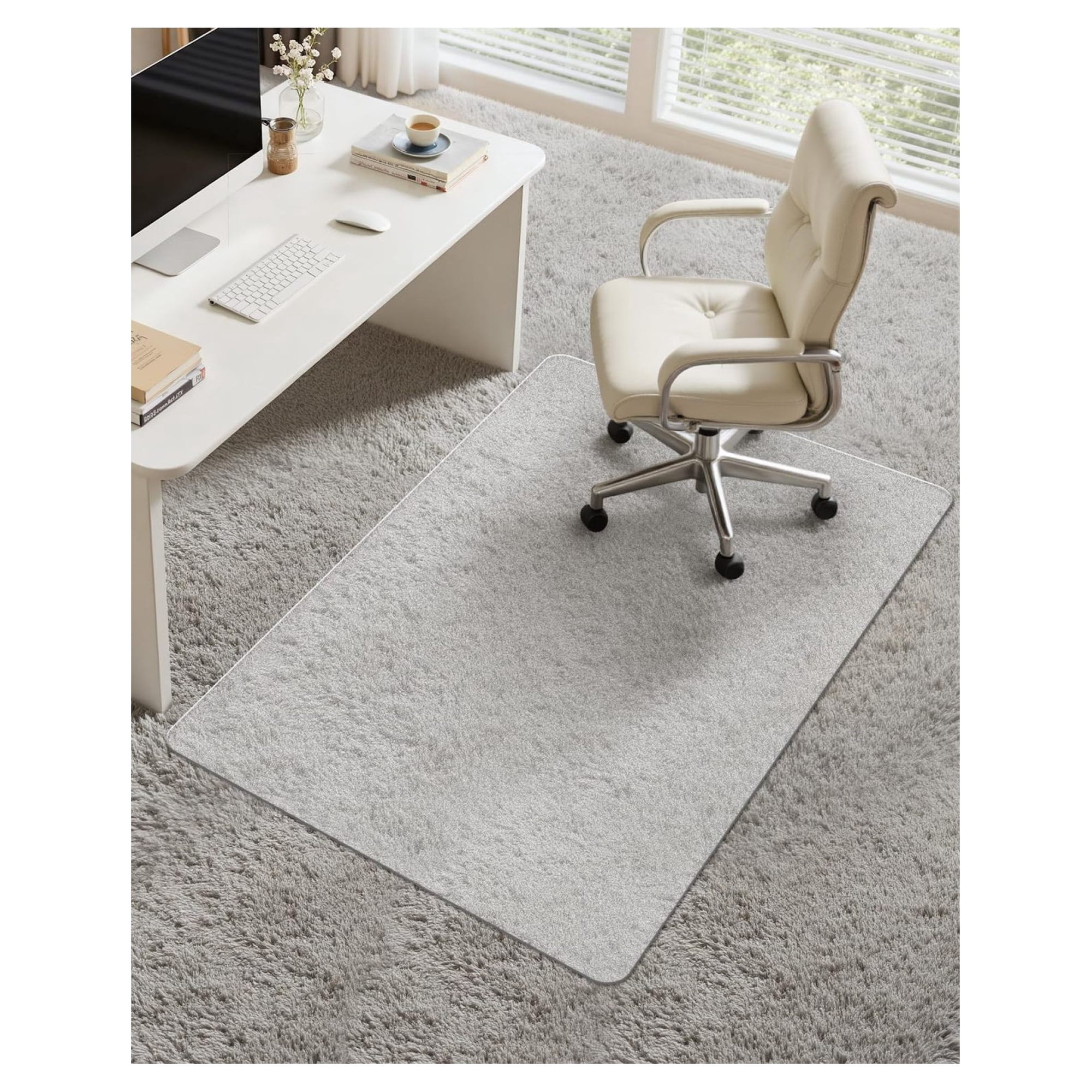
Why High Pile Carpet Demands a Specialized Chair Mat
If you have thick, plush carpet (often found in home offices or executive suites), you already know the struggle: your chair sinks, rolling feels like pushing through sand, and the carpet fibers get matted down. A standard 1/8-inch vinyl mat simply won't cut it—it will crack under the chair's weight and slide because the spikes can't reach the carpet backing. A dedicated office chair mat for high pile carpet uses longer anchoring cleats, thicker material (often polycarbonate), and a reinforced design to stay flat and functional.
Did you know? According to flooring specialists, high pile carpet (pile height > 0.5 inch) compresses unevenly under chair casters. A quality mat reduces carpet wear by 80% and improves chair maneuverability by 70%, making it an essential investment for your floor and your back.
Key Differences: High-Pile Mats vs. Standard Mats
Standard Chair Mats
- Thickness: 0.1–0.15 inch (vinyl)
- Cleat length: 1/8 inch – fine for low Berber
- Material: PVC or hard vinyl
- Best for: Hardwood, tile, low-pile carpet
- On high pile: Cracks, curls, slides
High-Pile / Thick Carpet Mats
- Thickness: 0.18–0.25 inch (polycarbonate)
- Cleat length: 1/4 to 3/8 inch – penetrates deep
- Material: Polycarbonate or heavy-duty composite
- Best for: Plush, shag, thick residential carpet
- On high pile: Stays flat, no cracking
4 Critical Features of a Mat That Won’t Sink or Crack
- Material: Polycarbonate over PVC. Polycarbonate (often branded as "bulletproof") flexes without breaking. PVC becomes brittle in cold temps and snaps under the constant pressure of a chair on uneven plush carpet.
- Cleat design: long, aggressive spikes. Flip the mat over: if the grippers are tiny (less than 1/4 inch), they won't bite into high pile. Look for "extra-long cleats" specifically for thick carpets.
- Low-profile, wide lip. The front edge should taper gradually so your chair rolls onto the mat smoothly, not bumping over a ridge. A beveled edge also prevents the carpet from fraying.
- Weight capacity & chair type. Heavier executive chairs need mats with higher load ratings (often printed on the packaging). For big & tall chairs, a 1/4-inch polycarbonate mat is the baseline.
Material Deep Dive: Polycarbonate vs. Vinyl for High Pile
Let's simplify: polycarbonate is the gold standard. It's the same material used in bulletproof windows—flexible yet virtually unbreakable. On high pile carpet, a polycarbonate mat conforms slightly to the carpet's softness without taking a permanent set. Vinyl (PVC) mats are cheaper, but they tend to develop stress fractures after a few months of use on thick carpet, especially around the chair's rolling zone. If you want a mat that lasts 10+ years, invest in polycarbonate.
Installation Tips: Getting It to Lie Flat Immediately
High pile carpet is springy, so your new mat might initially curl at the edges. Here's the pro method:
- Unroll and position – place the mat with the cleats facing down. Do not force it flat immediately.
- Weight the corners – put heavy books or boxes on each corner for 24–48 hours. The cleats will slowly sink into the carpet backing.
- Warm it up – if it's cold, the mat might be stiffer. Use a hairdryer on low heat (keeping it moving) to gently warm the edges so they relax flat. Never use high heat.
- Roll your chair across the entire surface – after weighting, sit in your chair and roll from edge to edge to help the cleats fully engage.
Can a Rug or Carpet Tile Replace a Mat?
Some people try using a low-pile rug or a carpet tile on top of high pile to create a firm surface. This rarely works: the rug shifts, bunches, and creates a tripping hazard. A dedicated rigid mat is the only reliable solution that provides a smooth rolling surface and protects the expensive carpet underneath. Using a separate rug can also void carpet warranties due to uneven wear.
Size Matters: Choosing the Right Dimensions
For a standard desk setup, a 36" x 48" mat works well. But if you have an L-shaped desk or you tend to roll side-to-side frequently, consider a larger size (46" x 60" or a "chairmat" with a contoured shape that fits under the desk return). Measure your carpeted area and add at least 12 inches behind the chair's typical rolling path so the casters never fall off the mat.
Odor and Eco-Friendly Options
Some vinyl mats have a strong chemical smell (off-gassing) that lingers for weeks. Polycarbonate mats generally have very low odor. If you're sensitive to smells, look for mats labeled "GREENGUARD Gold certified"—they emit fewer VOCs and are safer for indoor air quality, especially in home offices.
Frequently Asked Questions – High Pile Carpet Mats
Conclusion: Protect Your Plush Carpet and Improve Mobility
Investing in the right office chair mat for high pile carpet transforms your workspace from frustrating to fluid. You'll extend the life of your beautiful carpet, reduce strain from pushing a stuck chair, and eliminate the eyesore of a cracked mat. Prioritize polycarbonate, check the cleat length, and measure your space—your back and your carpet will thank you.
Still unsure? Scroll back to our product grid to see top-rated mats that match these specs. All products are sourced via Walmart affiliate API, so prices and availability are real-time.