
Introduction: The Unsung Hero of Your Home Office
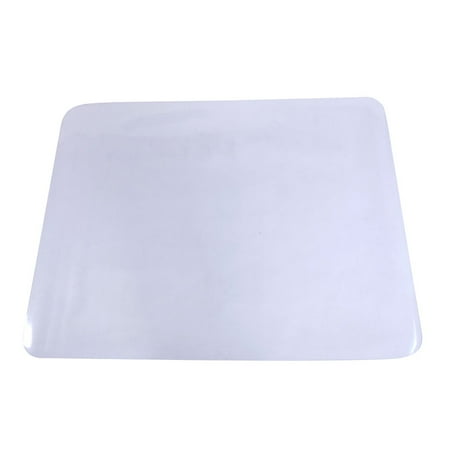
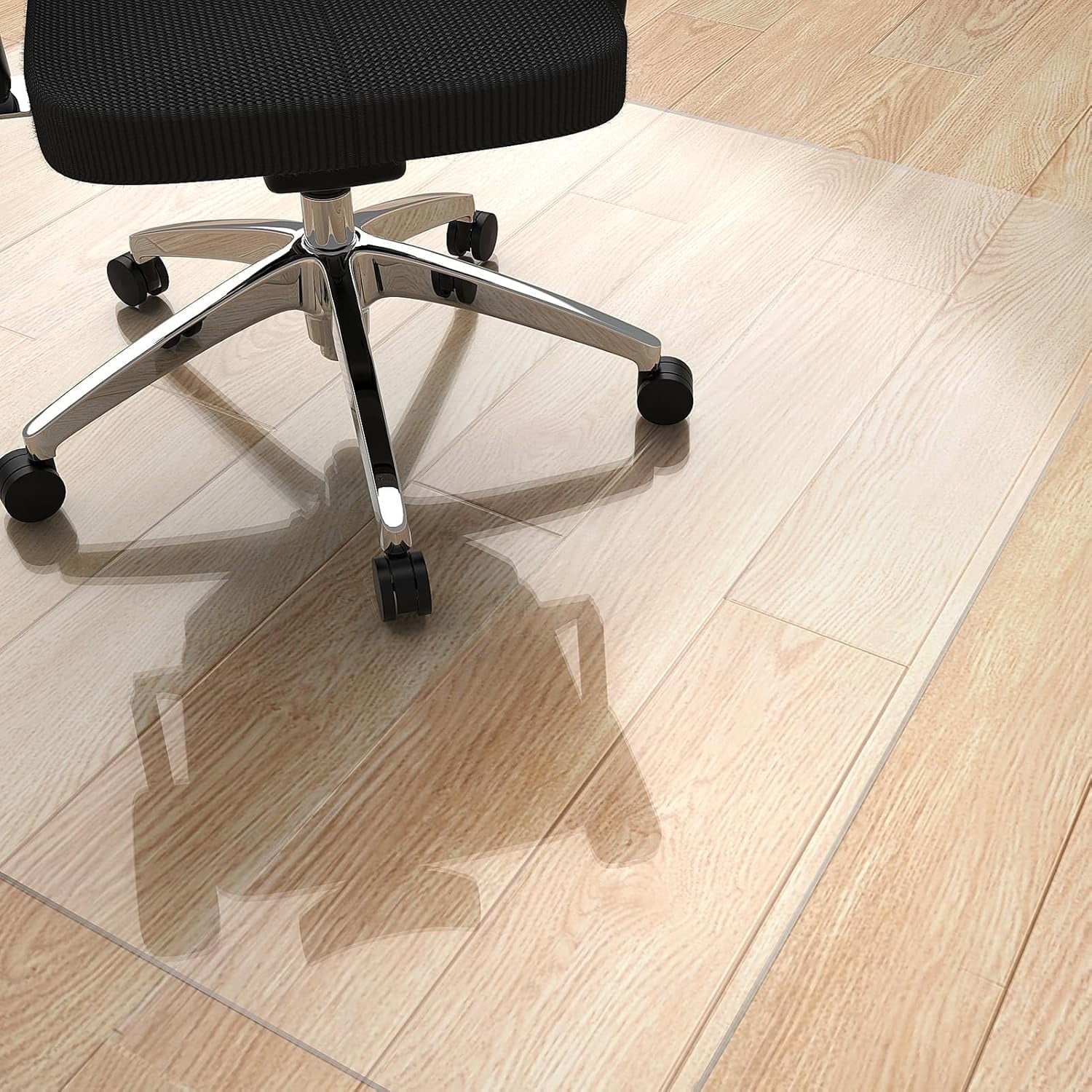
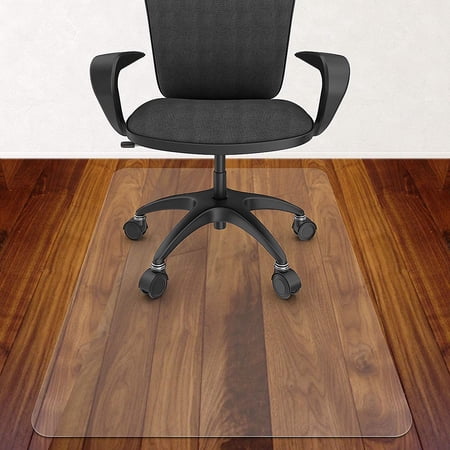
Imagine investing in a beautiful hardwood floor or a plush, comfortable carpet, only to watch it get scuffed, matted down, and worn out by the simple act of rolling your office chair back and forth. It’s like watching a masterpiece slowly fade. This is where clear floor mats for office chairs step in as the unsung heroes of the workspace. They are the invisible bodyguards for your flooring, allowing you to move freely without a second thought.
Many people overlook the importance of a chair mat, focusing all their attention on the perfect ergonomic chair or a stylish desk. However, a floor mat is a critical piece of the office puzzle. It protects your floors from permanent damage, reduces friction for easier movement, and even provides a stable, smooth surface for your chair’s casters. According to flooring experts, the constant pressure and abrasion from chair wheels can reduce the lifespan of carpets by up to 50% and create unsightly divots and scratches on hard surfaces. A simple, clear mat is a small investment that prevents a costly flooring replacement down the line.
Decoding the Perfect Clear Chair Mat: A Detailed Buyer's Guide
Choosing the right clear floor mat isn't as simple as picking the first one you see. It's a decision that involves understanding materials, floor types, and your own working style. This guide will walk you through every critical aspect, ensuring you make an informed purchase.
1. Material Science: Polycarbonate vs. PVC - The Clear Winner
The material of your mat is the single most important factor determining its longevity, clarity, and durability. It's the difference between a mat that lasts a decade and one that cracks or yellows within a year.
Polycarbonate (The Premium Choice)
- Exceptional Durability: Often referred to as "bulletproof" plastic, it's virtually unbreakable and withstands heavy daily use.
- UV Stable & Non-Yellowing: Unlike its cheaper counterpart, polycarbonate is naturally resistant to UV light, meaning it will stay crystal clear for years, even in sunlit rooms.
- Flexibility: It remains flexible in a wide range of temperatures, making it resistant to cracking in colder environments.
- Smooth Rolling: Its surface is engineered for optimal chair caster movement.
- Verdict: If you want a "buy it for life" product, polycarbonate is the undisputed king. It's an investment in long-term clarity and protection.
PVC / Vinyl (The Budget Option)
- Affordability: The main advantage is its lower upfront cost. It's tempting for a quick, cheap solution.
- Prone to Yellowing: This is the most common complaint. PVC contains plasticizers that react with UV light, causing an ugly yellow or amber tint over time.
- Brittleness & Cracking: In cooler temperatures, PVC can become brittle and crack under stress or impact.
- Chemical Odor: New PVC mats often have a strong, off-gassing "plastic" smell that can be unpleasant in a home office.
- Verdict: Suitable only for temporary setups, low-traffic areas, or rooms with no natural light where you don't mind replacing it every couple of years.
2. Floor Type: Matching the Mat to Your Surface
Using the wrong type of mat on your floor is like wearing hiking boots on a basketball court—it just doesn't work and can cause damage. Here’s how to match them correctly:
- For Hardwood, Tile, Laminate, and Vinyl Plank Floors: You need a mat specifically designed for hard floors. These mats have a smooth, flat, or textured underside that won't trap dirt and grit. Some feature a natural "gripper" backing to prevent slipping without adhesive. Never use a mat with spikes or cleats on a hard floor, as they can permanently damage the surface.
- For Low to Medium-Pile Carpet: Look for a mat with a cleated or spiked backing. These small, hard plastic points dig into the carpet fibers, anchoring the mat firmly in place so it doesn't slide around as you roll. The mat itself needs to be rigid enough to provide a stable rolling surface.
- For High-Pile or Plush Carpet: This is the most challenging surface. You need a heavy-duty mat with extra-long cleats to reach through the thick fibers and grip the carpet backing. These mats are typically thicker and more rigid to prevent the chair from creating a deep "bowl" in the carpet.
3. Thickness and Size: Finding the Sweet Spot
The dimensions and thickness of your mat affect both its performance and its footprint in your office.
- Thickness: Standard mats are often around 1/8" thick. However, for heavy-duty use, high-pile carpet, or if you're a bigger individual, look for mats that are 3/16" or even 1/4" thick. A thicker mat provides more stability and is less likely to warp or crack.
- Size (Lip vs. Rectangular):
- Rectangular Mats: These are simple, straight-edged rectangles. They are great for spacious offices where the mat can be placed entirely under the desk without needing to slide under a pedestal or desk legs.
- Lip or "Computer" Mats: These have a protruding "lip" section designed to slide under your desk, allowing your chair to roll right up to the edge of the desk without the front casters rolling off the mat. This is the most popular and functional shape for standard desk setups.
4. The "Under the Desk" Workflow: A Step-by-Step Sizing Guide
Buying a mat that's too small is a common mistake. Here’s a simple way to ensure you get the right size:
- Measure Your Desk's Knee Well: Measure the width of the opening under your desk where your legs and chair go. Your mat needs to be at least as wide as this space.
- Determine Roll Depth: Sit in your chair and see how far back you naturally roll to get in and out, or to reach different areas of your desk. Add at least 12-18 inches to this measurement. This ensures you have enough room to move without the back wheels constantly falling off the mat.
- Account for Arm Movement: If you have a wide range of motion, consider a mat that is wider than your desk's knee well. This allows you to swivel side-to-side without the wheels leaving the protected surface.
- Standard Sizes: A 36" x 48" mat with a lip is the standard size for most home offices. For larger workspaces or L-shaped desks, you might need a 46" x 60" or even a custom-cut mat.
A common analogy is buying a welcome mat for your door. A small mat might catch a bit of dirt, but a large, high-quality one ensures you've fully stepped onto it before entering your home. Your chair mat works the same way—it should fully accommodate your movement zone.
5. Special Features: Studs, Edges, and Eco-Friendliness
- Bevelled Edges: Safety first! Look for mats with bevelled or sloping edges. This creates a smooth ramp that prevents tripping and allows your chair to roll onto the mat without a jarring bump.
- Cleat Design: For carpet mats, the pattern and length of the cleats matter. More cleats generally mean better grip. Some high-end mats have a "stud" design that offers excellent hold without being impossible to remove when you want to clean underneath.
- Eco-Friendly Materials: If sustainability is a priority, look for mats made from recycled polycarbonate or other eco-conscious materials. These offer the same durability with a smaller environmental footprint.
- Non-Slip Backing for Hard Floors: Instead of a sticky adhesive, the best hard-floor mats use a natural, non-slip material that grips the floor without leaving residue or causing damage.
Quick Comparison: Clear Mat Materials at a Glance
| Material | Clarity Over Time | Durability | Best For | Price Point |
|---|---|---|---|---|
| Polycarbonate | Excellent (Stays clear) | Exceptional (10+ years) | Hard floors, high-traffic home offices, long-term investment | $$$ (Premium) |
| PVC / Vinyl | Poor (Yellows quickly) | Fair (1-3 years, prone to cracking) | Low-budget, temporary setups, rooms with no sunlight | $ (Budget) |
| Recycled Materials | Good to Excellent | Good to Very Good | Eco-conscious buyers, similar applications to base material | $$ (Mid-Range) |
Frequently Asked Questions About Clear Floor Mats for Office Chairs
Conclusion: Make the Clear Choice for Your Floor's Future
A clear floor mat for your office chair is more than just a piece of plastic; it's a strategic investment in the longevity and beauty of your flooring. Whether you're protecting gleaming hardwood from scratches or preventing your plush carpet from turning into a worn-out track, the right mat makes all the difference. By understanding the critical differences between polycarbonate and PVC, matching the mat to your specific floor type, and choosing the correct size and features, you can find a solution that is both functional and virtually invisible.
Don't wait until the damage is done. Browse our top recommendations above to find the perfect clear shield for your workspace. Your floors—and your future self—will thank you.