
The Art of the First Impression: Your Guide to Office Waiting Chairs
Think of your office lobby or reception area as a firm handshake. It's the very first physical interaction a client, partner, or potential employee has with your company. Before a single word is spoken, your environment is already communicating volumes about your brand's professionalism, attention to detail, and values. The furniture you choose, particularly your office waiting chairs, plays a starring role in this silent conversation. Selecting the right seating isn't just about filling space; it's a strategic decision that enhances comfort, projects your brand identity, and ensures the durability needed for years of daily use.
Beyond the Basics: Understanding Your Waiting Area Needs
Choosing the perfect waiting chairs involves more than just picking a color that matches the carpet. It's about understanding the specific "job" your seating needs to perform. Just like a task chair is designed for hours of desk work, a waiting chair is engineered for a different purpose: short-term comfort, visual appeal, and the ability to withstand the traffic of a busy reception area. Here are the key factors to consider when evaluating your options:
- Traffic and Durability: A high-traffic corporate lobby in a bustling city will have very different needs than a quiet medical office. For high-traffic areas, prioritize commercial-grade office waiting chairs built with robust frames and upholstery that can withstand constant use. Look for terms like "heavy-duty" and materials like vinyl or bonded leather that are easy to wipe down.
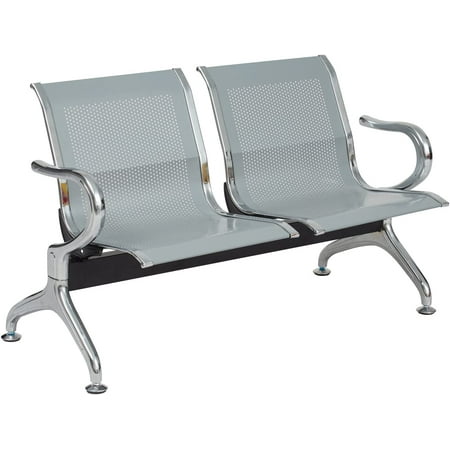
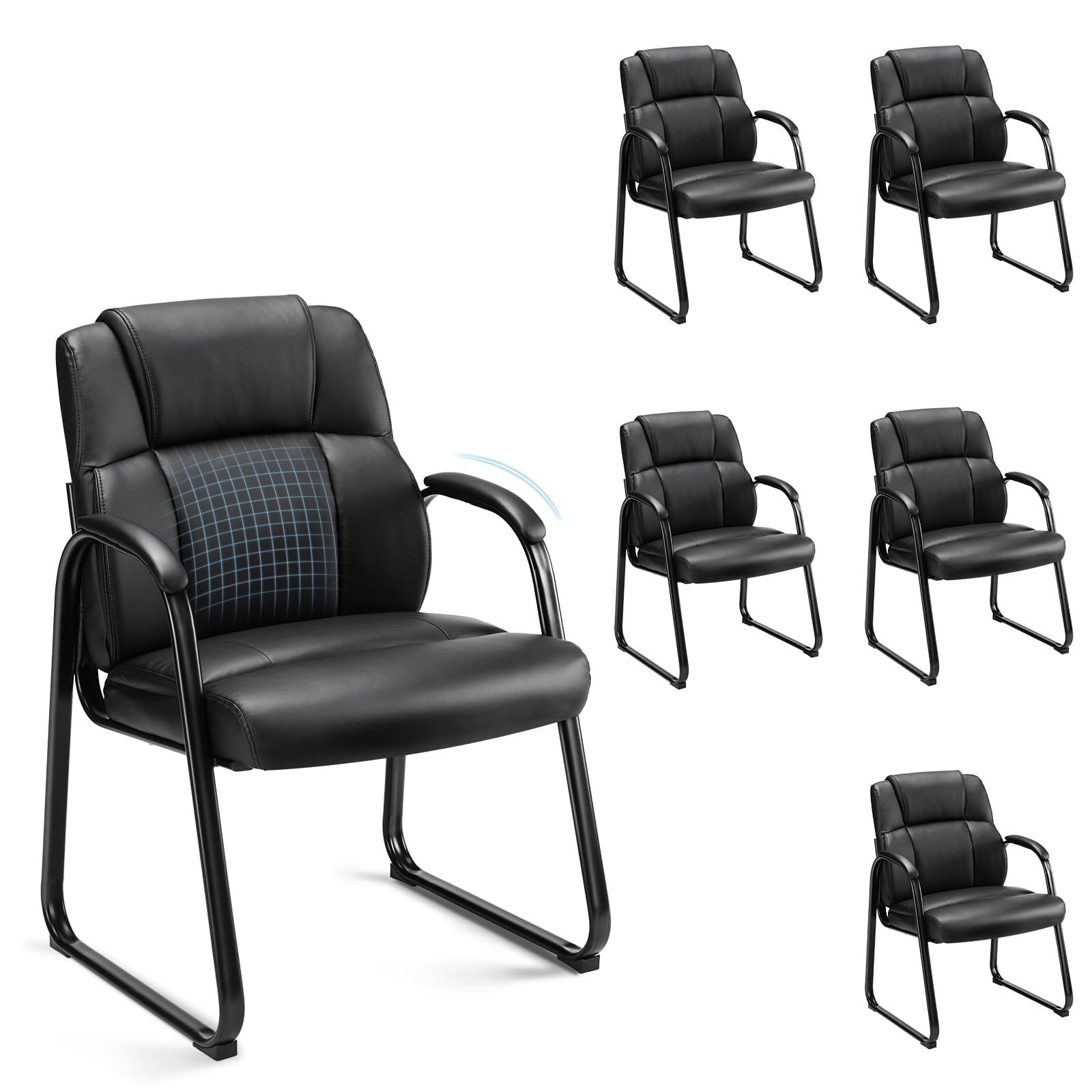
- Aesthetic and Brand Image: Your waiting chairs are a key part of your office's interior design. A sleek, modern lobby with clean lines calls for minimalist reception area chairs in materials like chrome and mesh. A more traditional law firm or financial advisor's office might benefit from the classic look of leather guest office chairs with rich wooden accents.
- Comfort and Ergonomics for Guests: While waiting chairs don't need the complex ergonomic adjustments of a task chair, they must be comfortable. The seat depth, cushion firmness, and backrest angle should allow a guest to sit comfortably for 10-20 minutes without feeling cramped or unsupported. Features like a slight waterfall edge on the seat can improve circulation.
- Space Planning and Flow: The size and configuration of your chairs matter. Measure your lobby area and consider the traffic flow. Will you use individual visitor chairs lined against a wall, or a modular sofa system to create a more lounge-like feel? Ensure there's enough space for people to move around and for ADA compliance.
A Closer Look at Materials: Form Meets Function
The material of your office waiting chairs is the frontline soldier in the battle against wear and tear, while also being a primary driver of the overall look and feel. Let's break down the most popular options:
- Leather and Bonded Leather: The epitome of luxury and professionalism. Genuine leather is incredibly durable, ages beautifully, and is easy to clean, making it a top choice for executive lobbies. Bonded leather offers a similar look at a more accessible price point and is also easy to maintain, though it may not be as long-lasting as its premium counterpart.
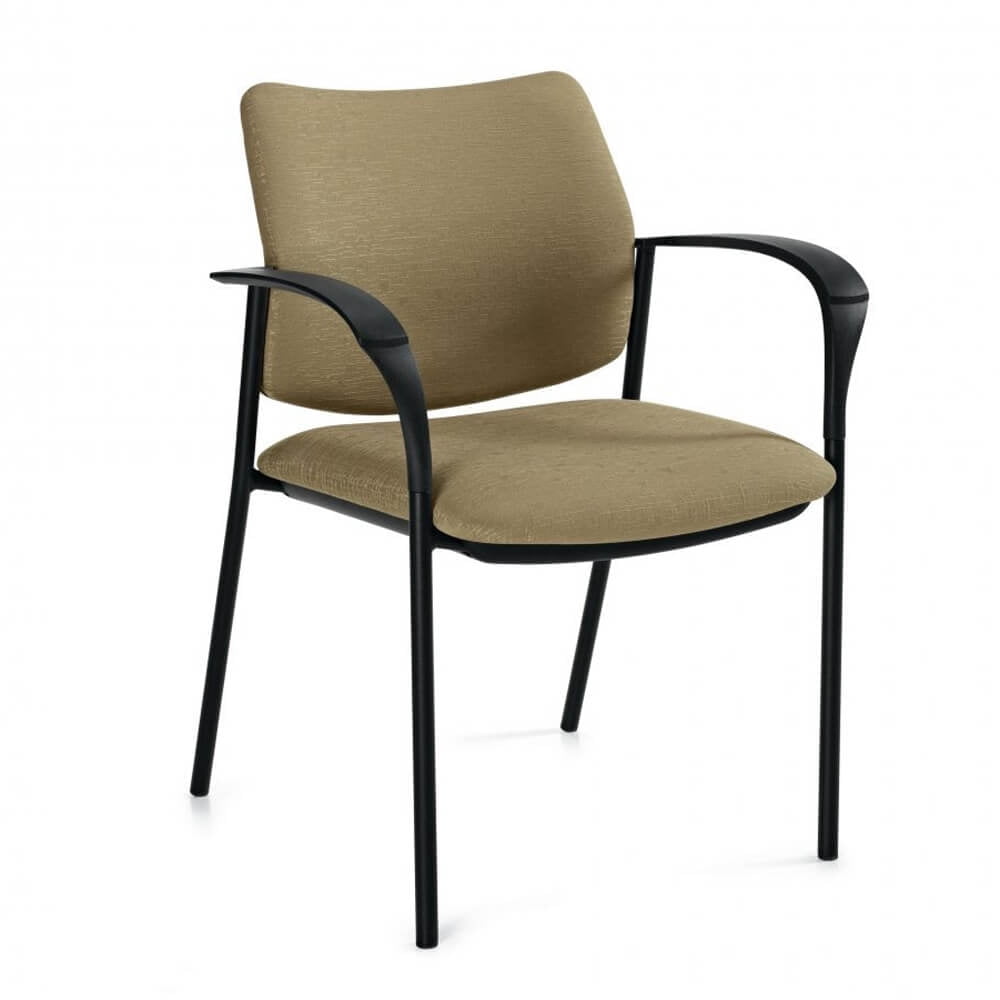
- Fabric: Fabric reception chairs offer unparalleled comfort, warmth, and a vast array of colors and textures. They can make a space feel inviting and cozy. However, they are more susceptible to stains and can trap allergens. For commercial use, always opt for a high-performance fabric with a high double-rub count for better durability and stain resistance.
- Mesh: Modern and sleek, mesh is prized for its breathability. It's a fantastic choice for contemporary offices, especially in warmer climates, as it prevents guests from getting too warm. Mesh is also durable and easy to maintain, offering a unique aesthetic that stands out from leather and fabric.
- Vinyl: Vinyl is the workhorse of the waiting room chairs world. It is exceptionally durable, waterproof, and incredibly easy to clean with just a wipe. While it may not have the luxurious feel of leather, modern vinyls have improved significantly in look and feel, making them a smart, practical, and budget-friendly choice for high-traffic or clinical environments.
Styles of Office Waiting Chairs: Finding the Perfect Fit
The world of lobby seating is diverse, with different styles suited to different environments. Understanding these categories can help you narrow down your search.
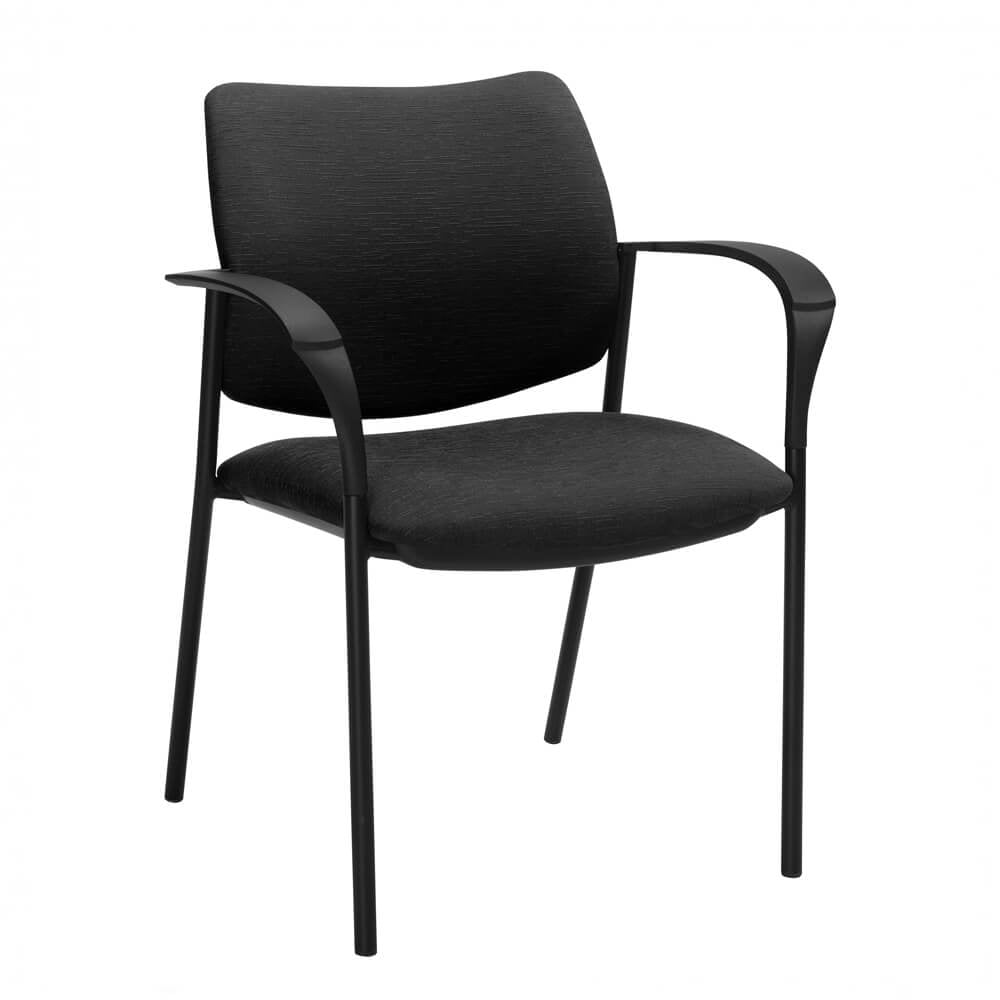
- Individual Guest Chairs: This is the most common type. These are standalone chairs, often with or without arms, designed for single guests. They are versatile, easy to rearrange, and come in countless designs. They are the ideal choice for lining a wall or creating a flexible seating arrangement.
- Lounge Chairs and Sofas: For a more relaxed and upscale waiting area, lounge chairs and sofas are the way to go. They are typically larger, deeper, and more padded, inviting guests to sit back and relax. A modular sofa system can be configured into different shapes to suit your space.
- Stackable Chairs: If your reception area occasionally needs to host larger events or be cleared out, stackable office waiting chairs are an incredibly practical solution. They can be neatly stored away when not in use, maximizing flexibility.
- Chairs with Attached Tables: For added functionality, some waiting chairs come with a small attached side table or an arm that incorporates a tablet arm. These are particularly useful in medical or dental offices where patients might need to fill out forms, or in training rooms.
Making a Smart Investment: Durability and Maintenance
View your purchase of office waiting chairs as a long-term investment in your business's image and functionality. A cheaper chair that wears out in a year is a false economy. Here's what to look for to ensure you're getting the best value.
- Frame Construction: Look for chairs with hardwood or heavy-duty metal frames. These provide the structural integrity needed for years of use. Avoid chairs with frames made of cheap plastic or particleboard.
- Joint Reinforcement: Quality chairs will have reinforced corners and joints, often with metal brackets or dowels, ensuring they won't wobble or come apart over time.
- Foam Density: The seat cushion should be made of high-density foam. This type of foam retains its shape and supportive feel much longer than low-density foam, which can quickly become flat and uncomfortable.
- Upholstery Quality: As mentioned, check the "double rub count" for fabrics (a Wyzenbeek test score of over 30,000 is considered heavy-duty commercial grade). For leather, look for top-grain or corrected-grain leather for the best longevity.
- Easy Maintenance: Consider how easy the chair is to clean. Smooth surfaces like leather, vinyl, and sealed wood are easiest. Removable cushion covers can be a lifesaver in environments prone to spills.
Ultimately, selecting the right office waiting chairs is about creating a cohesive and welcoming experience. By carefully considering your traffic, brand, desired comfort level, and the practicalities of material and construction, you can transform your lobby from a mere passageway into a powerful statement of who you are as a company. This attention to detail not only impresses visitors but also creates a more pleasant and professional environment for your own team to welcome guests into every day.