
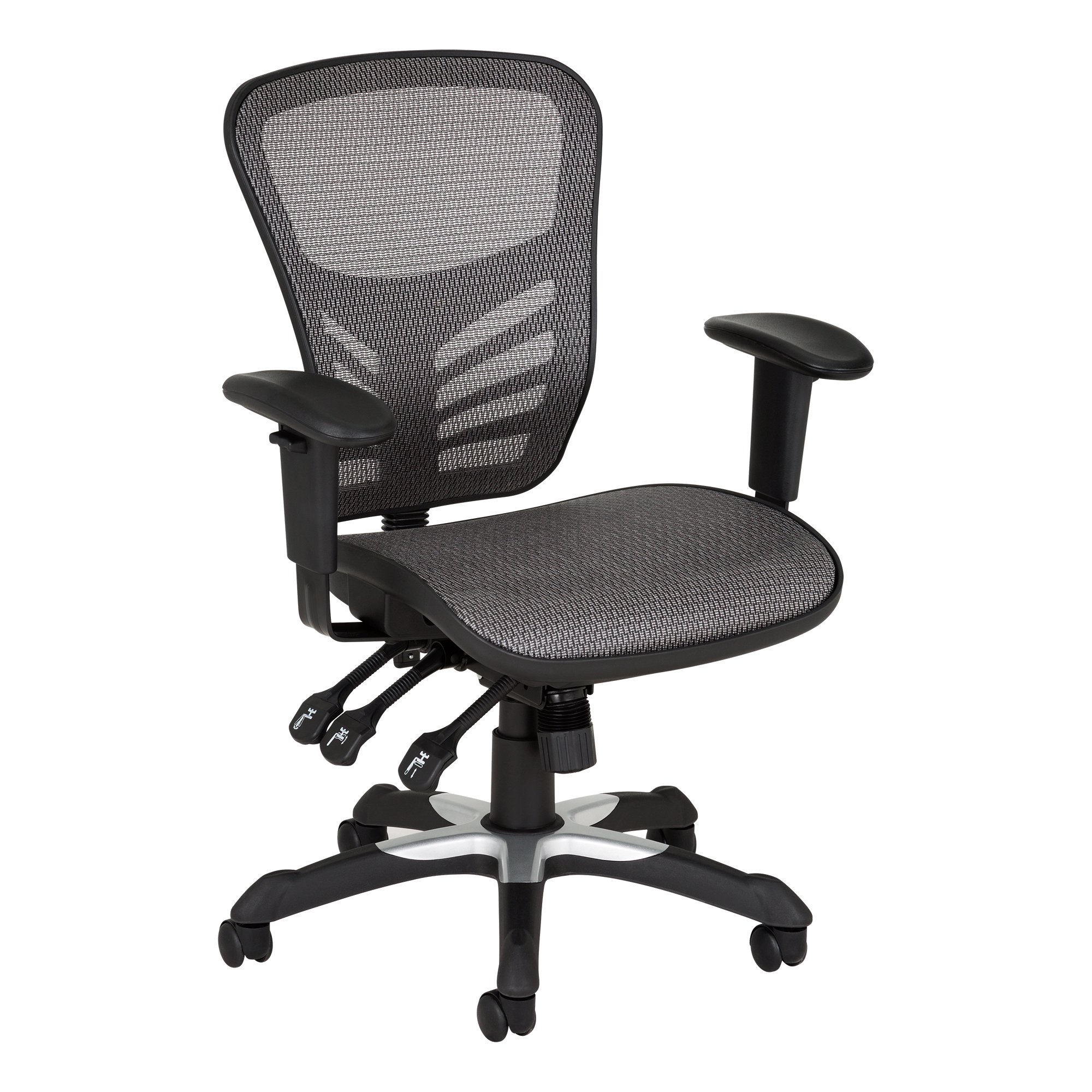
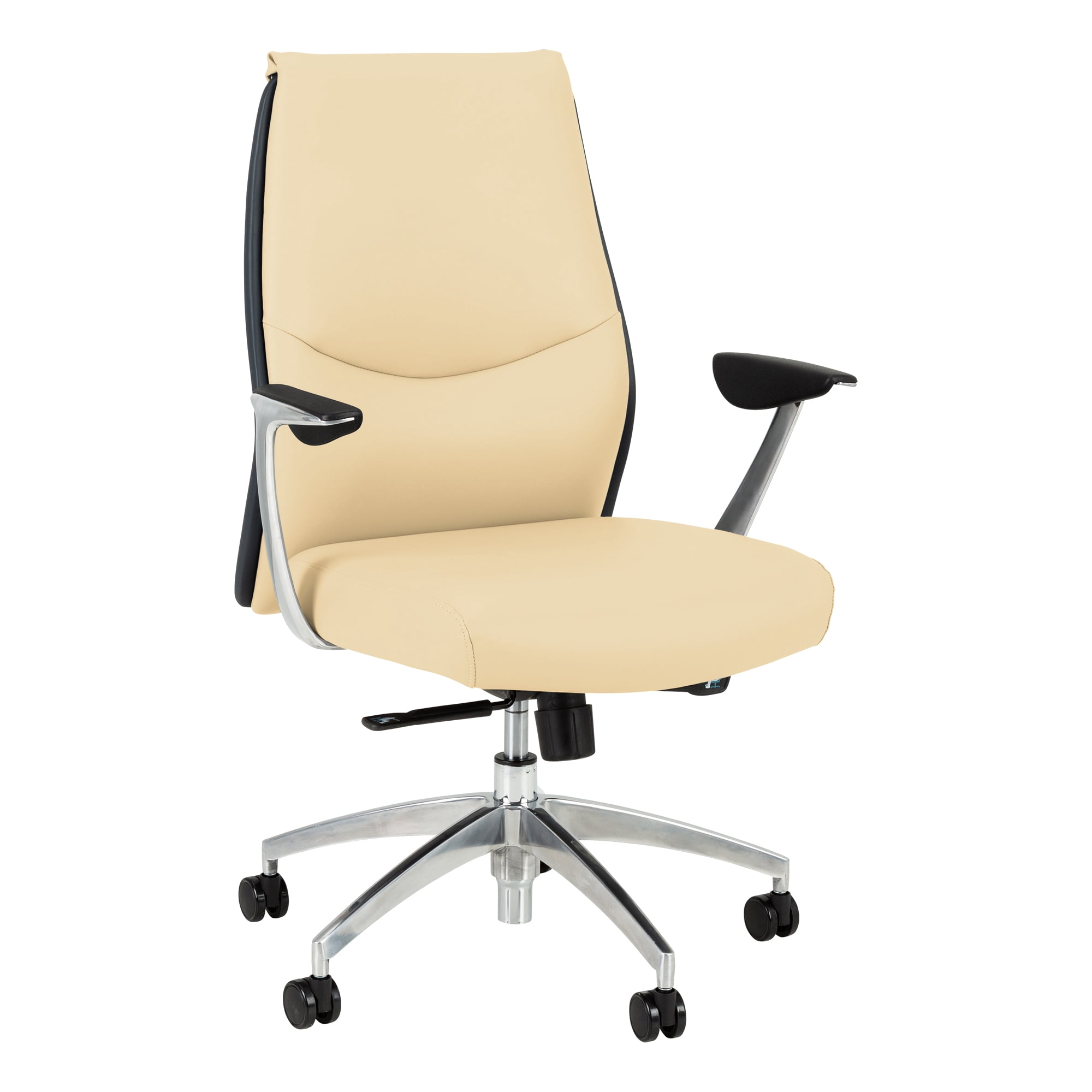
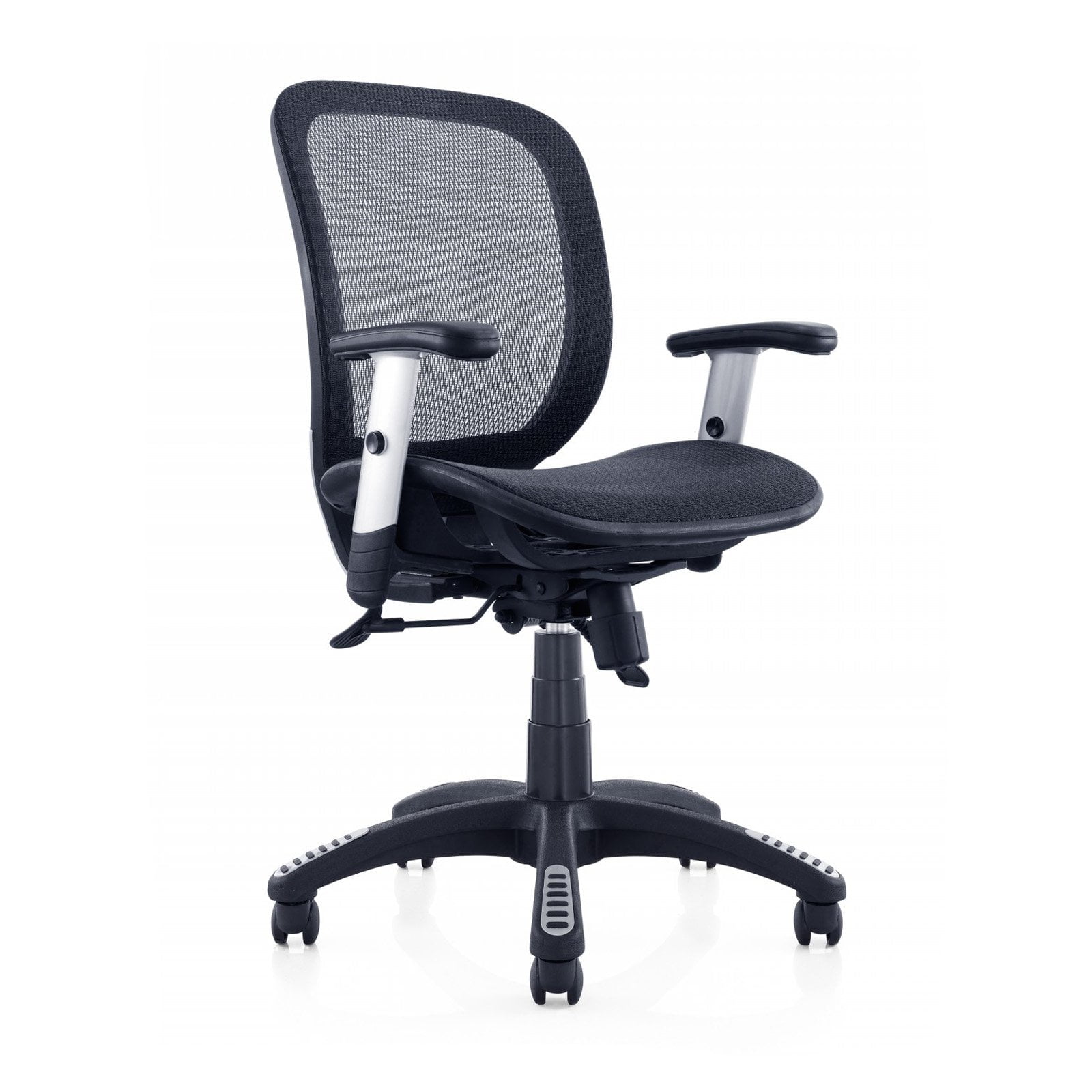
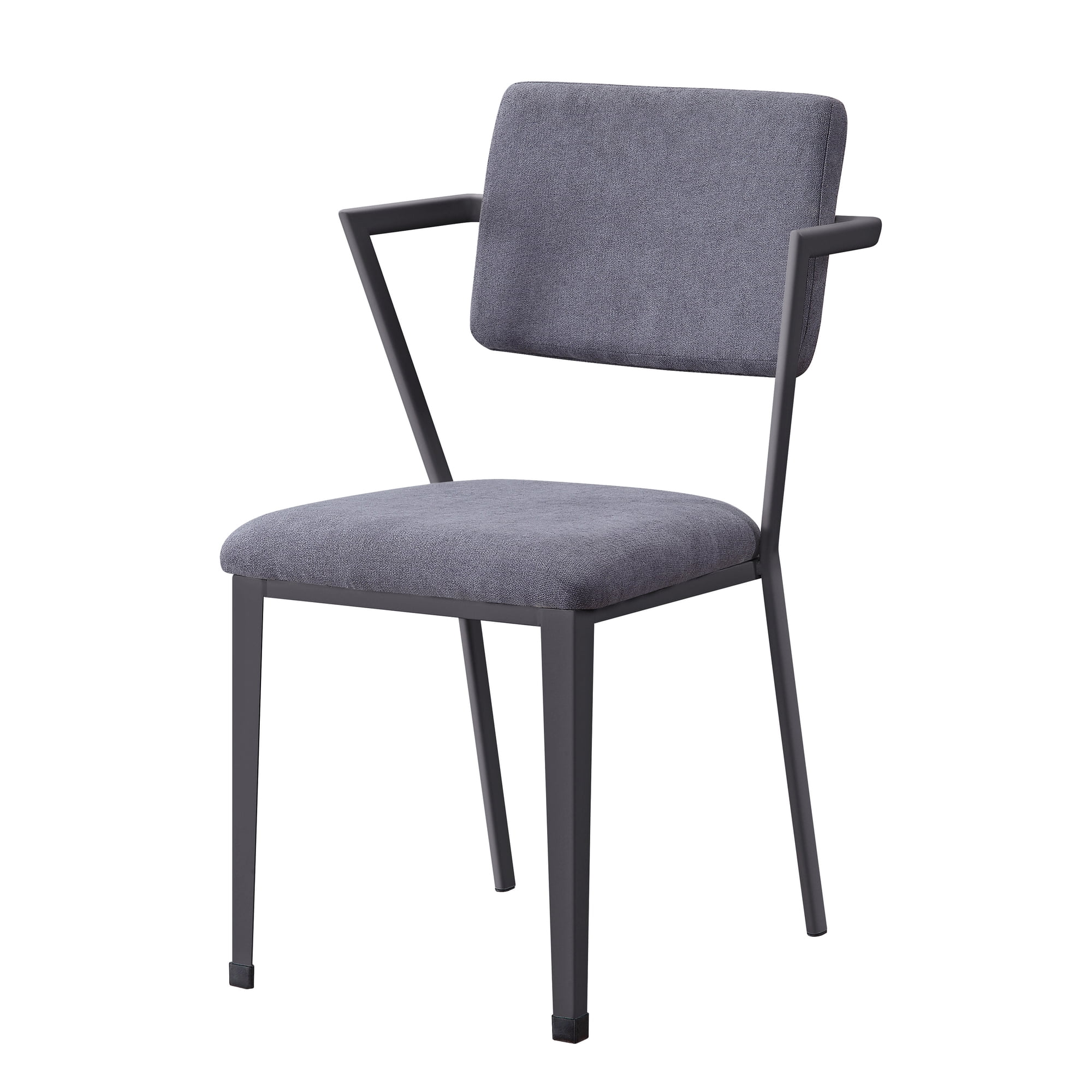
Why "Fully Adjustable" Matters More Than You Think
Imagine wearing a tailored suit versus something off the rack. A standard office chair is like that off-the-rack garment—it might fit okay, but it will never feel perfect. A fully adjustable office chair is the bespoke suit of seating. It adapts to your height, weight, and sitting preferences, rather than forcing you to adapt to it. For anyone working long hours, this isn't a luxury; it's a tool for sustained energy and focus.
Did you know? A Cornell University study found that workers using chairs with high adjustability reported 31% less discomfort and a 22% increase in perceived productivity compared to those using basic task chairs.
The Anatomy of a Fully Adjustable Office Chair
Not all adjustments are created equal. A truly "fully adjustable" chair gives you command over several key contact points. Here’s a breakdown of the essential mechanisms:
1. Seat Depth Adjustment (The Hidden Gem)
Many people overlook seat depth, but it's a game-changer. A seat pan that's too long will press against your calves, restricting blood flow. One that's too short offers inadequate thigh support. A fully adjustable chair allows you to slide the pan forward or backward. Proper seat depth ensures your back rests against the lumbar support while leaving a few inches of space behind your knees.
2. Multi-Dimensional Lumbar Support
Basic chairs offer a fixed bump. Fully adjustable models let you move the lumbar support up and down (to match your spine's curve) and in and out (to control how much pressure you feel). Some even have air bladders for fine-tuning. This feature alone can reduce slouching by keeping your lower spine in its natural S-shape.
3. 4D Armrests: More Than Just Height
Armrests should allow your shoulders to relax, not hunch. The term "4D" means you can adjust them vertically, horizontally (forward/back), laterally (wider/narrower), and often pivot the angle. This lets you keep your elbows at a 90° angle while typing, reducing strain on your neck and shoulders.
Choosing Your Perfect Level of Adjustability
With so many options, how do you decide? Use this simple framework based on your work habits:
🔧 Essential Adjustments (for focused work)
- Seat height + tilt tension: For dynamic sitting
- Lumbar height: Matches your spine
- Armrest height: Basic shoulder support
- Backrest angle: Allows recline breaks
⚙️ Premium Adjustments (for mixers & multi-users)
- Seat depth + lumbar depth: Perfect for multiple users
- 4D armrests: Ideal for varied tasks (typing vs. reading)
- Headrest (3D): Crucial for leaning back
- Forward tilt: Helps with writing/drafting
The "Goldilocks" Principle: Getting the Fit Just Right
Adjustability is only useful if you know how to set it. Follow this 5-step routine when you unbox your new chair:
- Feet first: Adjust seat height until your feet rest flat on the floor with thighs parallel to the ground. Knees should be at a 90° angle.
- Depth check: Slide the seat pan until you have a 2-finger gap between the back of your knee and the seat edge.
- Lumbar lock-in: Position the lumbar pad so it fits snugly into the curve of your lower back. Then adjust the depth (if available) until you feel gentle, even pressure.
- Armrest alignment: Raise armrests so your elbows rest comfortably at 90° with shoulders relaxed. Bring them close enough to your body to avoid reaching.
- Recline test: Set the tilt tension so you can lean back with moderate effort. Engage the tilt lock if you prefer a single angle.
This process takes just a few minutes but can transform your comfort for years to come.
Mesh, Fabric, or Leather: Does Material Affect Adjustability?
While material doesn't change the adjustment mechanisms, it influences how those adjustments feel over time. Mesh chairs are breathable and ideal for warm climates—the backrest conforms but remains springy. High-quality fabric offers cushioning and is often paired with memory foam for pressure relief. Leather (especially bonded leather) can be less forgiving and might feel sticky in heat. For fully adjustable chairs, premium mesh or a fabric-mesh hybrid is often the most practical choice for all-day comfort.
Health Benefits: Why Customization is Key
A chair that fits perfectly is a cornerstone of active sitting. When your body is properly aligned, you unconsciously shift positions less often, but with better support. This leads to fewer micro-breaks caused by discomfort. According to the American Chiropractic Association, a well-adjusted chair can reduce spinal disc pressure by up to 35% compared to a poorly fitted one. Over a 40-year career, that's a massive difference in spinal health.
Frequently Asked Questions: Fully Adjustable Chairs
Conclusion: Your Chair, Your Rules
The era of one-size-fits-all office seating is over. A fully adjustable office chair is an acknowledgment that your body is unique and your work demands variety. By investing in a chair with comprehensive adjustments—seat depth, 4D lumbar, 4D arms, and intuitive recline—you're not just buying furniture; you're investing in your daily energy, focus, and physical well-being. Take the time to explore the models above and find the one that truly fits *you*.