
Beyond the Desk: The Undeniable Importance of Modern Office Guest Chairs
Think of your office as a story. Your employees are the main characters, and your own chair is a tool for their daily saga. But what about the guests—the potential client walking through the door, the visiting consultant, or the new hire waiting for an interview? For them, the modern office guest chair is not just a place to sit; it's the first paragraph of their experience with your company. It silently communicates your brand's values: attention to detail, commitment to comfort, and a modern, forward-thinking approach.
Unlike the highly adjustable, wheeled task chair designed for eight-hour marathons, a modern guest chair is a different breed. It's a piece of reception furniture, a conference room staple, and a symbol of hospitality. Choosing the right one is a strategic decision that blends interior design with ergonomic consideration for short-term seating. Whether you need sleek visitor chairs for a minimalist lobby or plush, welcoming seats for an executive suite, understanding the nuances of modern guest seating is key to creating a cohesive and impressive professional environment.
Design Psychology: Research in environmental psychology suggests that comfortable and aesthetically pleasing waiting areas can significantly reduce perceived wait times and increase a visitor's positive perception of a brand. A stylish waiting room chair does more than hold weight—it holds attention and builds trust.
Defining the Modern Guest Chair: A Shift in Office Aesthetics
The term "modern" in office furniture has evolved. It's no longer just about clean lines and monochrome colors. Today's modern office guest chairs are characterized by a blend of functionality, material innovation, and sculptural form. They are designed to complement open-plan layouts, hot-desking zones, and collaborative spaces as much as traditional private offices.
Core Characteristics of Modern Guest Seating
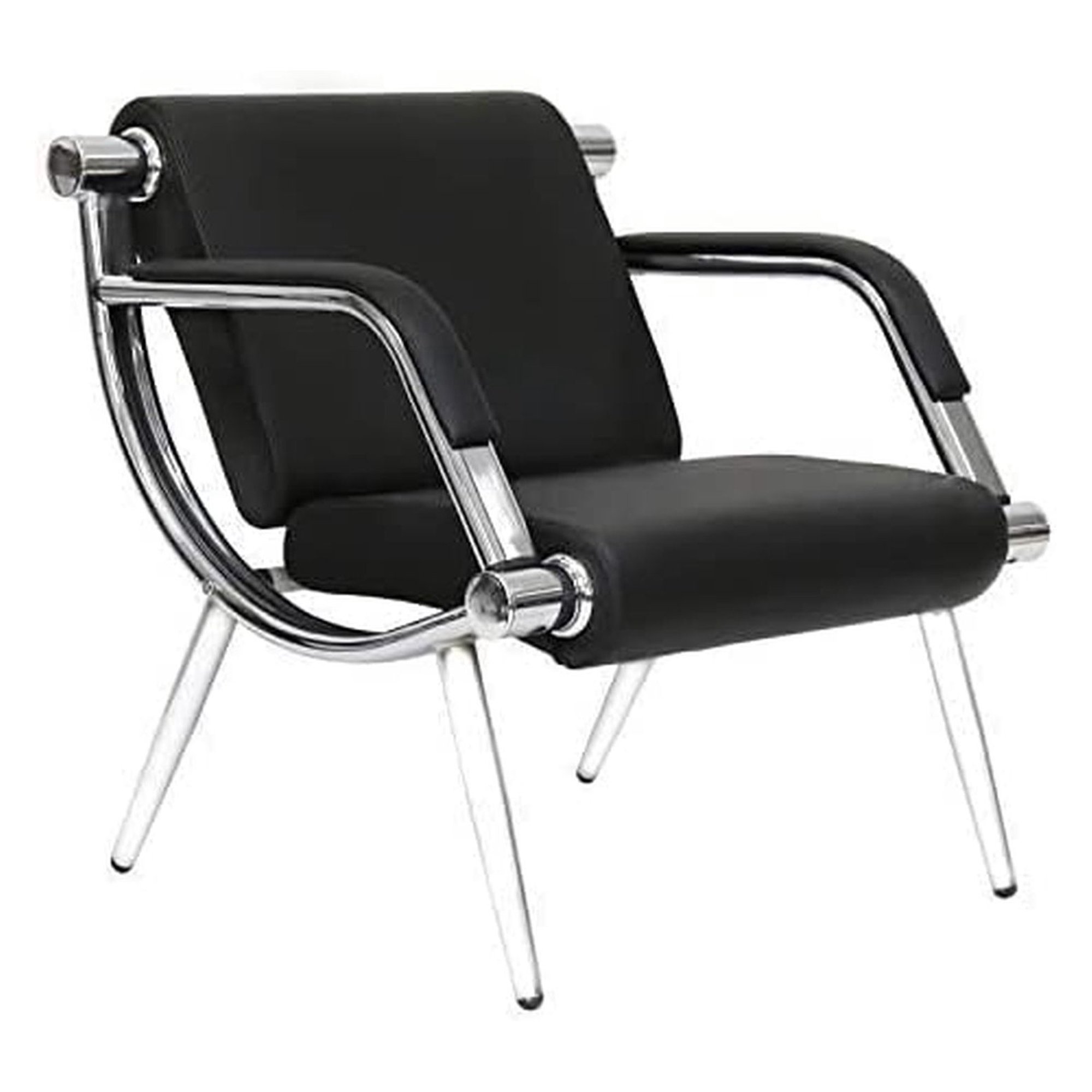
- Sleek & Minimalist Profiles: Modern designs favor slender frames, exposed metal legs (often in brushed aluminum or matte black steel), and a "floating" appearance that doesn't overwhelm a space.
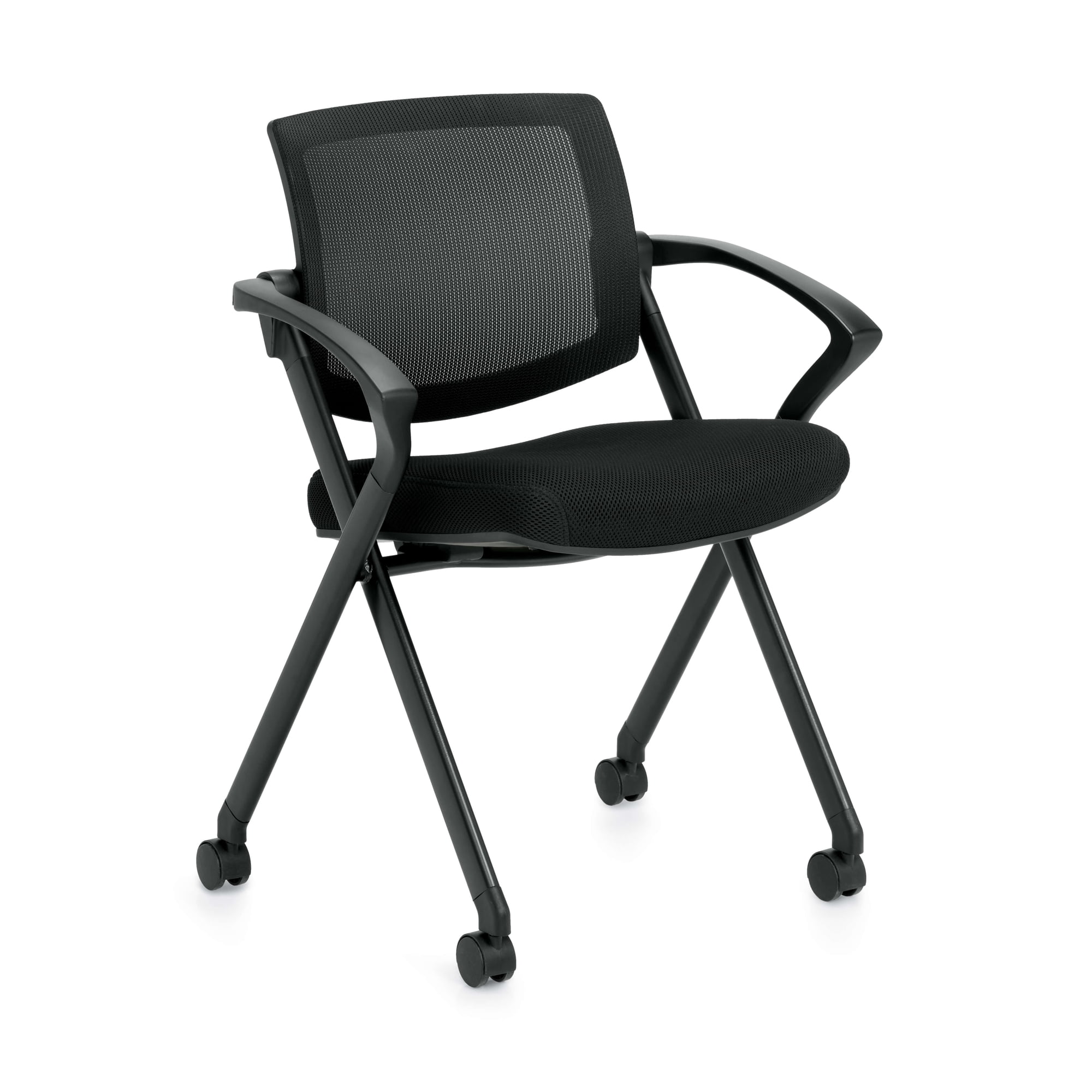
- Material Mixology: The use of mixed materials is a hallmark of modern design. Think a molded plywood seat with a fabric cushion, a mesh back with a leather seat, or an acrylic frame paired with chrome accents.
- Functionality Meets Form: Features like built-in handles for easy carrying, stackability for storage, and sled bases that prevent floor damage are integrated seamlessly into the chair's aesthetic, not added as an afterthought.
- Ergonomics for Short-Term Use: While lacking complex adjustments, modern guest chairs are contoured to provide excellent support for the typical duration of a meeting or wait. This includes subtle lumbar curves and waterfall seat edges.
A Closer Look at Materials: Pros and Cons for Guest Chairs
The material you choose dictates the chair's longevity, maintenance, and visual impact. Here’s a breakdown for modern guest seating:
Plastic / Polypropylene
- Advantages: Highly durable, lightweight, affordable, available in vibrant colors, easy to clean, often 100% recyclable. Perfect for high-traffic or creative environments.
- Best For: Breakout areas, modern offices with a pop of color, collaborative hubs.
Plastic / Polypropylene
- Considerations: Can feel less "luxurious" than upholstered options. May become uncomfortable for sessions longer than an hour without added cushions.
- Maintenance: Wipe-clean with a damp cloth.
Fabric Upholstery
- Advantages: Offers the widest range of textures and colors, adds warmth and acoustic absorption to a room, comfortable for longer durations. High-performance fabrics are stain-resistant and durable.
- Best For: Conference rooms, executive waiting areas, private offices.
Fabric Upholstery
- Considerations: Can stain if spills aren't treated quickly. May trap dust and allergens, requiring regular vacuuming.
- Maintenance: Regular vacuuming and occasional professional cleaning.
Leather / Faux Leather
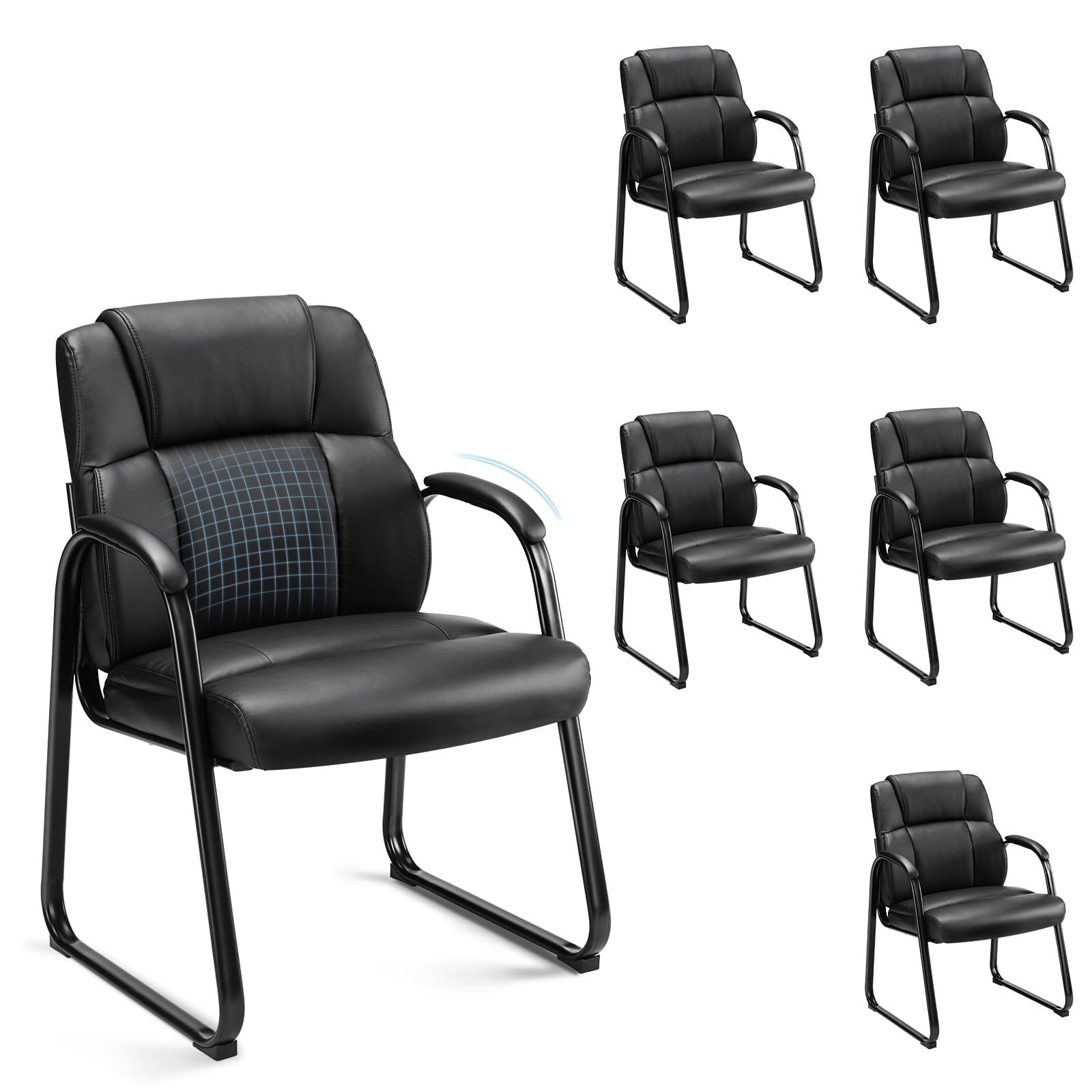
- Advantages: Projects a premium, professional image. Extremely easy to wipe clean. Durable and long-lasting with proper care. Develops a beautiful patina over time (genuine leather).
- Best For: Executive suites, law firms, financial institutions, high-end reception areas.
Leather / Faux Leather
- Considerations: Higher initial cost (genuine leather). Can feel cold in winter and sticky in summer. Faux leather can peel or crack over time.
- Maintenance: Wipe clean with a leather cleaner or mild soap and water.
Mesh
- Advantages: Exceptionally breathable, keeping visitors cool. Provides a distinctly modern, high-tech aesthetic. Often lightweight and flexible.
- Best For: Tech companies, modern and contemporary office designs, warmer climates.
Mesh
- Considerations: Can be more difficult to clean thoroughly. The level of cushioning is generally less than upholstered options.
- Maintenance: Vacuum with a brush attachment to remove dust.
Selecting the Right Modern Guest Chair: A Step-by-Step Approach
Choosing the perfect guest chair involves more than just picking a color you like. Follow this structured guide to ensure your selection meets both practical and aesthetic needs.
Step 1: Define the Setting and Usage
- Reception/Waiting Area: Prioritize comfort and a welcoming aesthetic. Chairs with arms and plush upholstery are ideal. Consider durable, stain-resistant fabric for high traffic.
- Conference/Meeting Room: Functionality is key. Look for conference room chairs that are easy to pull in and out from the table. Armless or low-arm designs are often best to allow guests to sit comfortably at the table. Stackable versions offer flexibility for room reconfiguration.
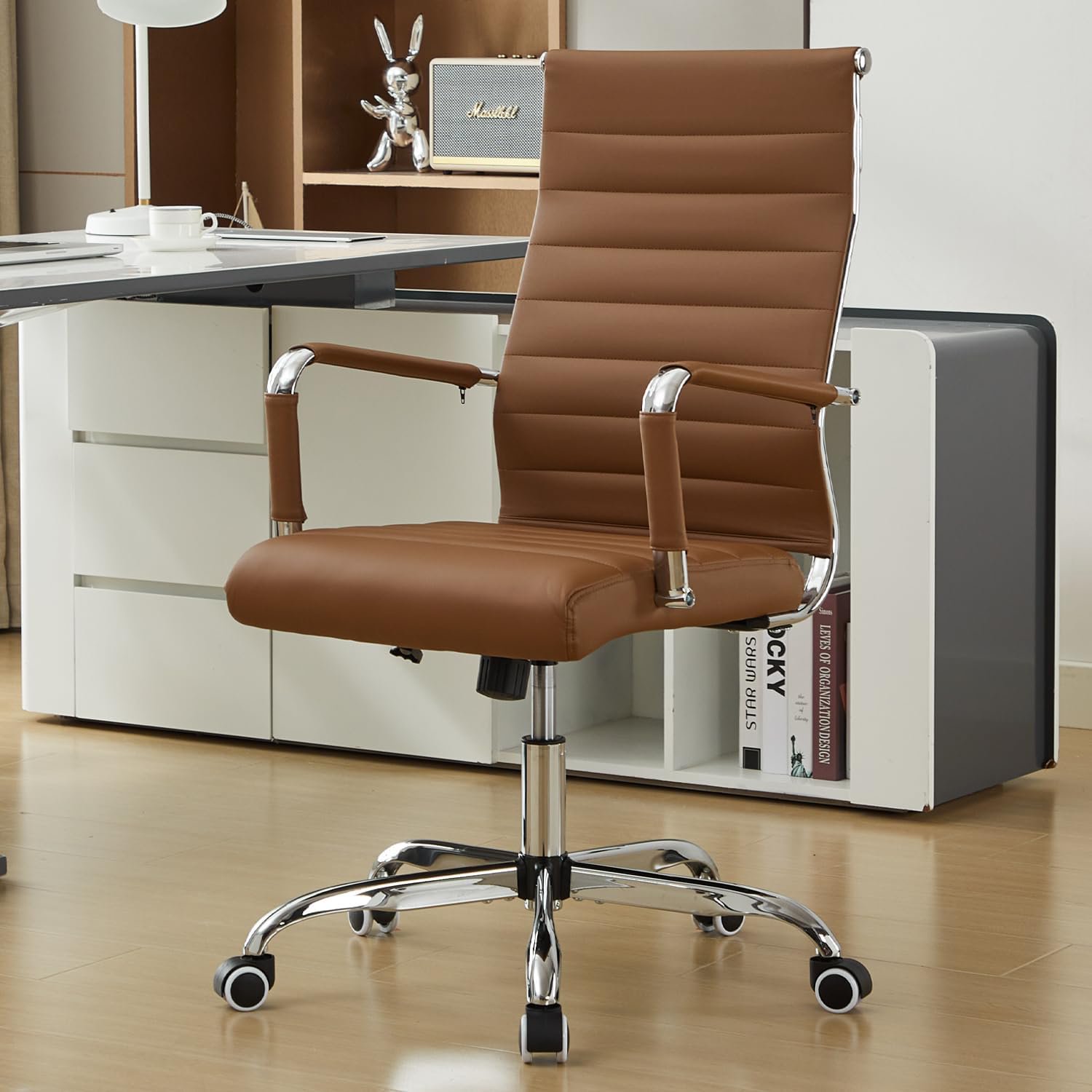
- Executive Office: The guest chair should complement the executive's own chair in style and quality, often featuring leather or premium fabric to convey status and respect for the visitor.
- Collaborative/Breakout Space: Durability and a casual feel are important. Colorful plastic or simple fabric chairs on casters (if the floor allows) can encourage movement and informal gatherings.
Step 2: Evaluate Key Functional Features
- Base Type: Glides (plastic or felt) are for stationary use on carpet or hard floors. Casters (wheels) are useful in collaborative spaces but can be a hazard if a chair rolls away unexpectedly. A "sled base" (a single continuous piece of metal forming the legs) is a very stable and stylish modern option.
- Stackability: If you need to frequently clear the floor space, stackable guest chairs are a non-negotiable feature. Check the stack height and whether a dolly is available for moving them.
- Weight Capacity: Always check the manufacturer's specifications. A commercial-grade chair should comfortably support a wide range of body types. A minimum rating of 300 lbs is a good benchmark for a durable, inclusive chair.
- Maintenance: In high-traffic areas, opt for materials that are easy to wipe clean, like leather, vinyl, or polypropylene.
Step 3: Measure Your Space (The Golden Rule)
A common mistake is buying chairs that are too large for the space. Before you fall in love with a design, get out your tape measure.
- Seat Height: Ensure it's a standard height (around 18-19 inches from floor) for comfort.
- Seat Depth & Width: Make sure it provides adequate room for a variety of body sizes.
- Overall Dimensions: Measure the chair's width at its widest point and its depth when in use. In a waiting area, allow for at least 18-24 inches of personal space between chairs.
- Legroom: In a conference room, ensure there's ample knee and legroom between the chair and the table edge, even when the chair is pushed in.
Frequently Asked Questions About Modern Office Guest Chairs
Conclusion: Making a Lasting First Impression
Investing in high-quality modern office guest chairs is an investment in your company's image and the comfort of the people who matter most—your visitors and team members. They are the silent ambassadors of your brand, speaking volumes about your professionalism and attention to detail. By understanding the nuances of design, material, and functionality, you can transform a simple seat into a powerful statement.
Whether you prioritize the sleek durability of polypropylene for a bustling creative agency or the timeless elegance of leather for a corporate boardroom, the right guest chair will elevate the entire experience of your office. Use the insights and steps in this guide to navigate your options and select seating that perfectly balances form, function, and hospitality.
Your Modern Guest Chair Checklist
Match the chair to its environment: reception, conference, or collaborative space.
Choose based on traffic, style, and maintenance needs—from easy-clean poly to luxurious leather.
Measure twice, buy once. Ensure perfect fit for the room and the people using it.
Decide on base type (glides vs. casters), stackability, and weight capacity.