
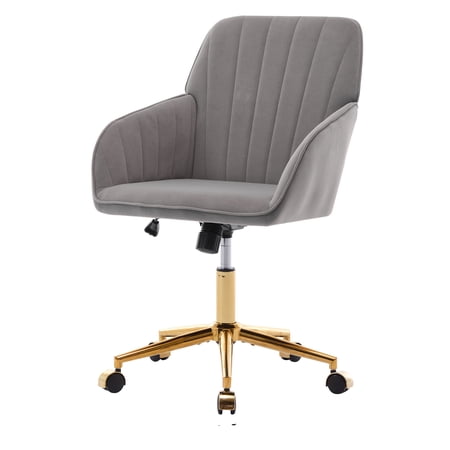
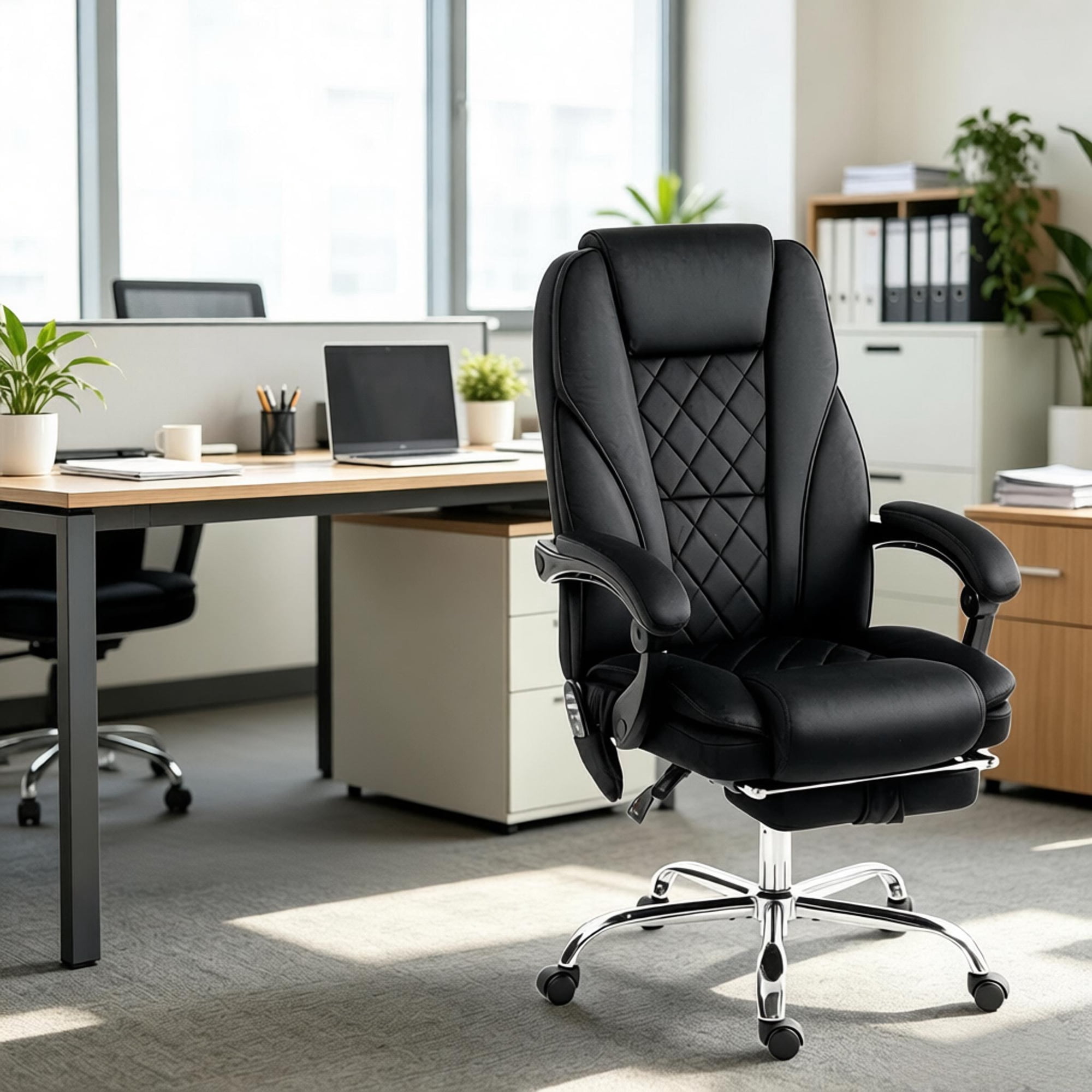
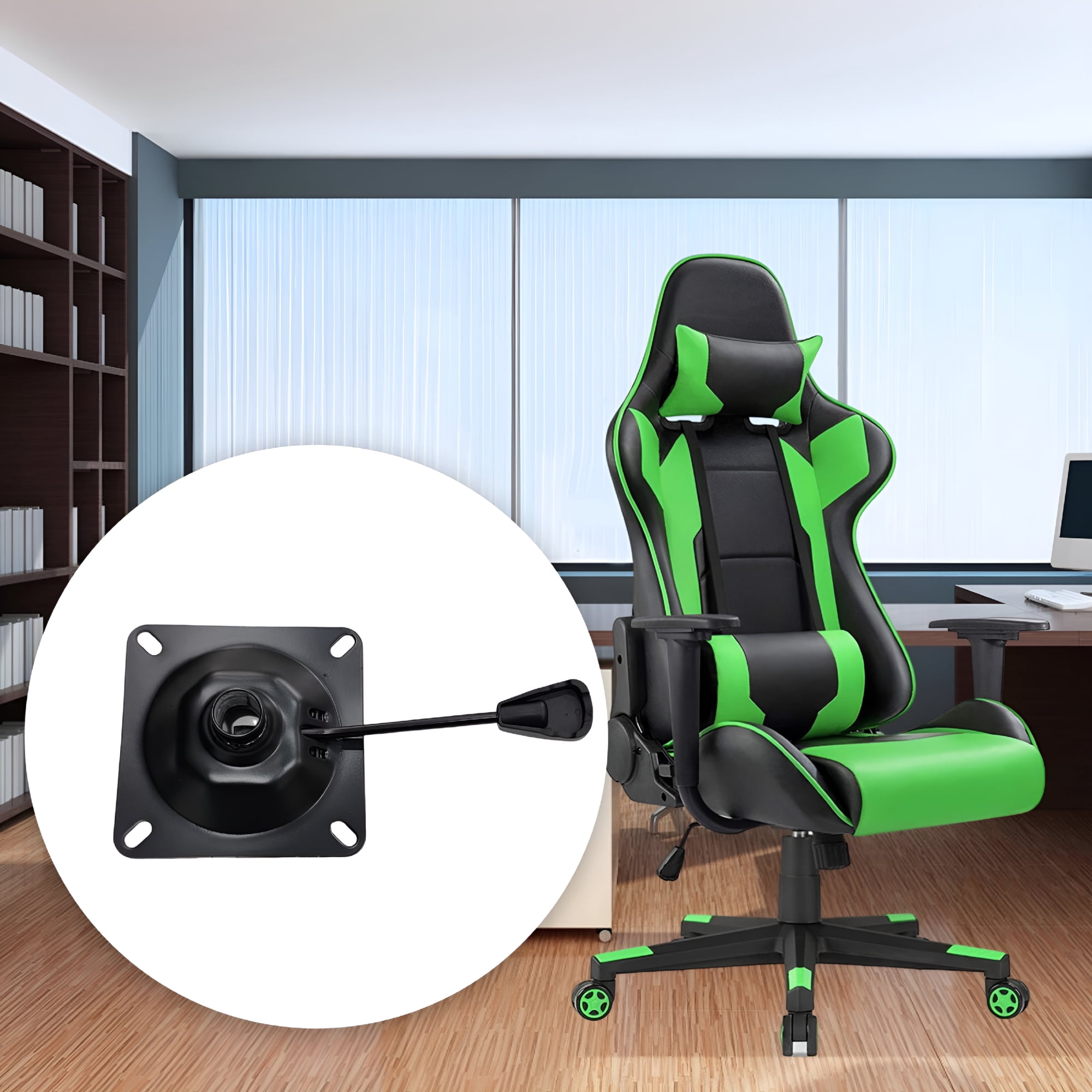
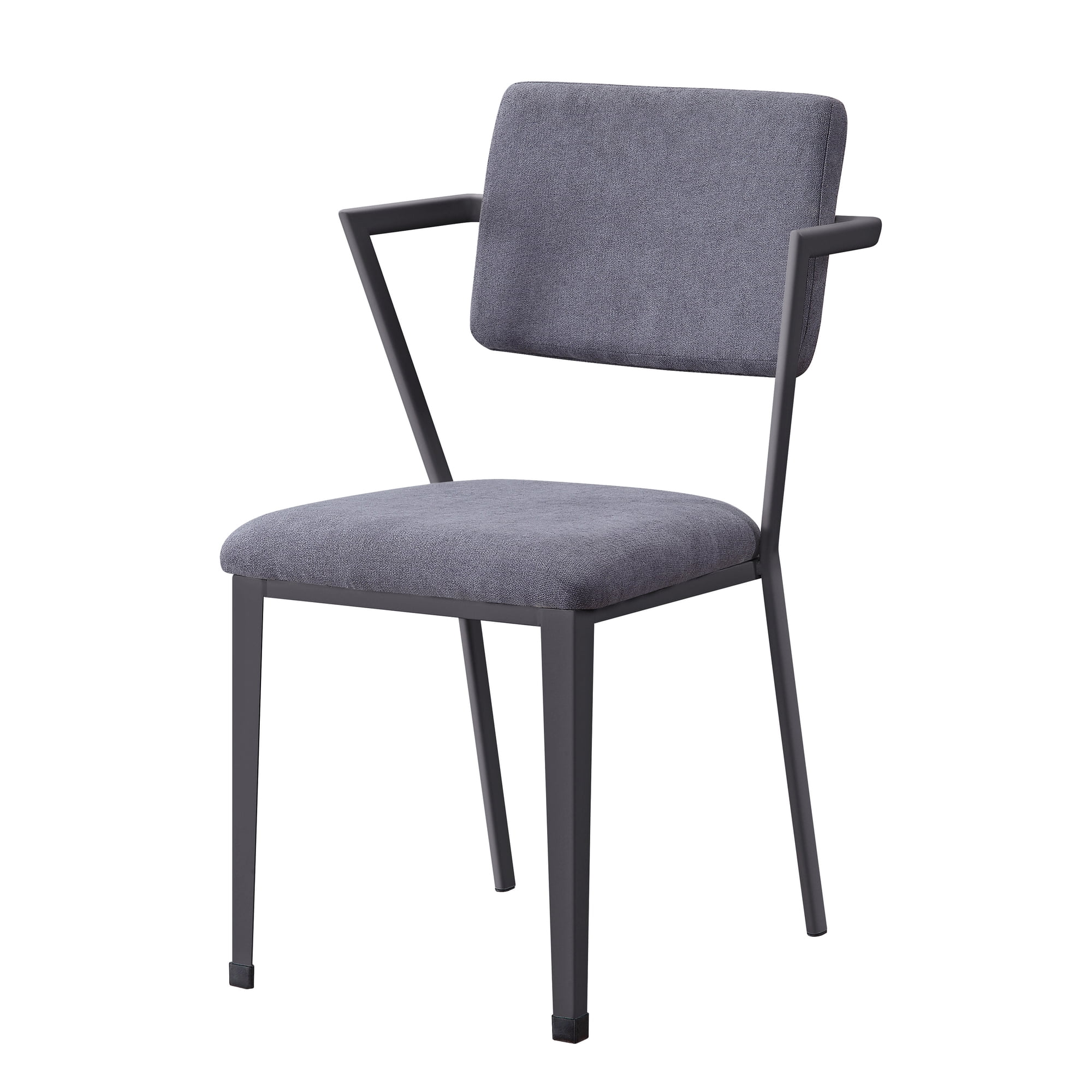
Why the Latest Office Chair Designs Matter for Your Workday
The world of office seating is evolving faster than ever. A new office chair isn't just about a fresh look—it's about integrating the latest research in ergonomics, material science, and user behavior. Whether you're working from home or in a corporate tower, choosing a recently designed model can mean the difference between end-of-day fatigue and sustained, comfortable productivity. Let's explore what makes these new chairs a worthy investment.
Did you know? According to a 2023 workplace comfort study, employees using chairs with adaptive lumbar support reported a 38% reduction in lower back discomfort compared to those using static-back chairs. New models are at the forefront of this adaptive technology.
Top Innovations Shaping the New Office Chair Landscape
Today's newest office chairs are a far cry from the static designs of the past. They are engineered with a deep understanding of spinal health, movement, and personalization. Here are the key advancements you'll find in a modern new office chair:
1. Dynamic & Self-Adjusting Lumbar Support
Forget fixed pads. New chairs feature lumbar systems that move and flex with your body. Some use a tensioned mesh that automatically conforms to your spine's curve, while others have mechanisms that adjust support as you recline, ensuring continuous contact and pressure relief.
2. 4D & 5D Armrest Technology
Armrests are no longer an afterthought. The latest models offer '4D' adjustability: up/down, forward/back, left/right (width), and pivot angle. Premium '5D' versions even allow for independent height adjustment of each armrest pad, accommodating the most specific arm and shoulder positions for typing and resting.
3. Sustainable & High-Performance Materials
Eco-consciousness meets durability. New office chairs are increasingly made from recycled ocean plastics, biodegradable mesh, and responsibly sourced materials. These fabrics are not only green but also incredibly breathable, stain-resistant, and easy to clean, outperforming traditional upholstery.
4. Smart Posture Monitoring & Reminders
A handful of cutting-edge new chairs now integrate with apps or have built-in sensors that gently remind you to shift position or stand up after prolonged sitting. This 'nudge' technology helps combat the health risks of a sedentary lifestyle, promoting micro-movements throughout the day.
Comparing Modern Materials: Mesh vs. Fabric vs. Next-Gen Polymers
Choosing the right material is crucial. Here’s how the latest options stack up for a new office chair:
✓ Advanced 3D Mesh
- Breathability: Unmatched airflow, ideal for long hours.
- Conformity: Molds to your back without sagging.
- Durability: High-tenacity polymers resist wear and tearing.
- Eco-options: Many new meshes are fully recyclable.
✗ Performance Fabric
- Stain Resistance: New treatments make spills bead up.
- Softness: Offers a plusher, warmer feel than mesh.
- Color Variety: Wider range of modern, fade-resistant colors.
- Hybrid Options: Often combined with flexolayers for support.
How to Evaluate a "New" Office Chair: A 4-Step Guide
With so many new features, it's easy to get overwhelmed. Use this guide to cut through the marketing and find the chair that's truly right for you.
Step 1: Prioritize the "Dynamic" Features
Focus on mechanisms that move with you. Does the backrest offer synchronous tilt? Is the lumbar support passive or active? A chair that encourages movement (like a rocking or tilting mechanism) is a hallmark of newer, better designs. Look for terms like "auto-adaptive" or "synchronized recline."
Step 2: Test the Range of Adjustments
A truly new chair should offer a high degree of personalization. Check for:
- Seat depth adjustment: Crucial for proper thigh support.
- Multi-dimensional armrests: At least 3D is standard now; 4D is premium.
- Independent backrest height: Allows you to position lumbar support exactly where you need it.
- Tilt tension adjustment: Should be easy to use, often with a weight-sensing mechanism.
Step 3: Assess Material Innovation
Don't just look at the material—ask about its properties. Is the mesh "self-supporting" or does it have a foam backing? Are the fabrics treated with anti-microbial or moisture-wicking finishes? New materials often come with extended warranties against fading or wear.
Step 4: Consider the "Invisible" Ergonomics
The best new chairs have ergonomics you don't see but you definitely feel. This includes things like a waterfall seat edge to prevent circulation loss, a flexible backrest frame that twists slightly with your movements, and hard-floor casters that roll smoothly without marking.
Frequently Asked Questions About New Office Chairs
Conclusion: Is It Time for a New Office Chair?
Investing in a new office chair is an investment in your daily well-being. The latest models offer unprecedented levels of personalization, support, and intelligent design that can transform how you feel at the end of the workday. By focusing on the innovations that matter most to you—be it dynamic lumbar support, breathable materials, or sustainable construction—you can find a chair that not only looks modern but actively enhances your health and productivity. Take your time, do your research, and choose a chair that will support you for years to come.