
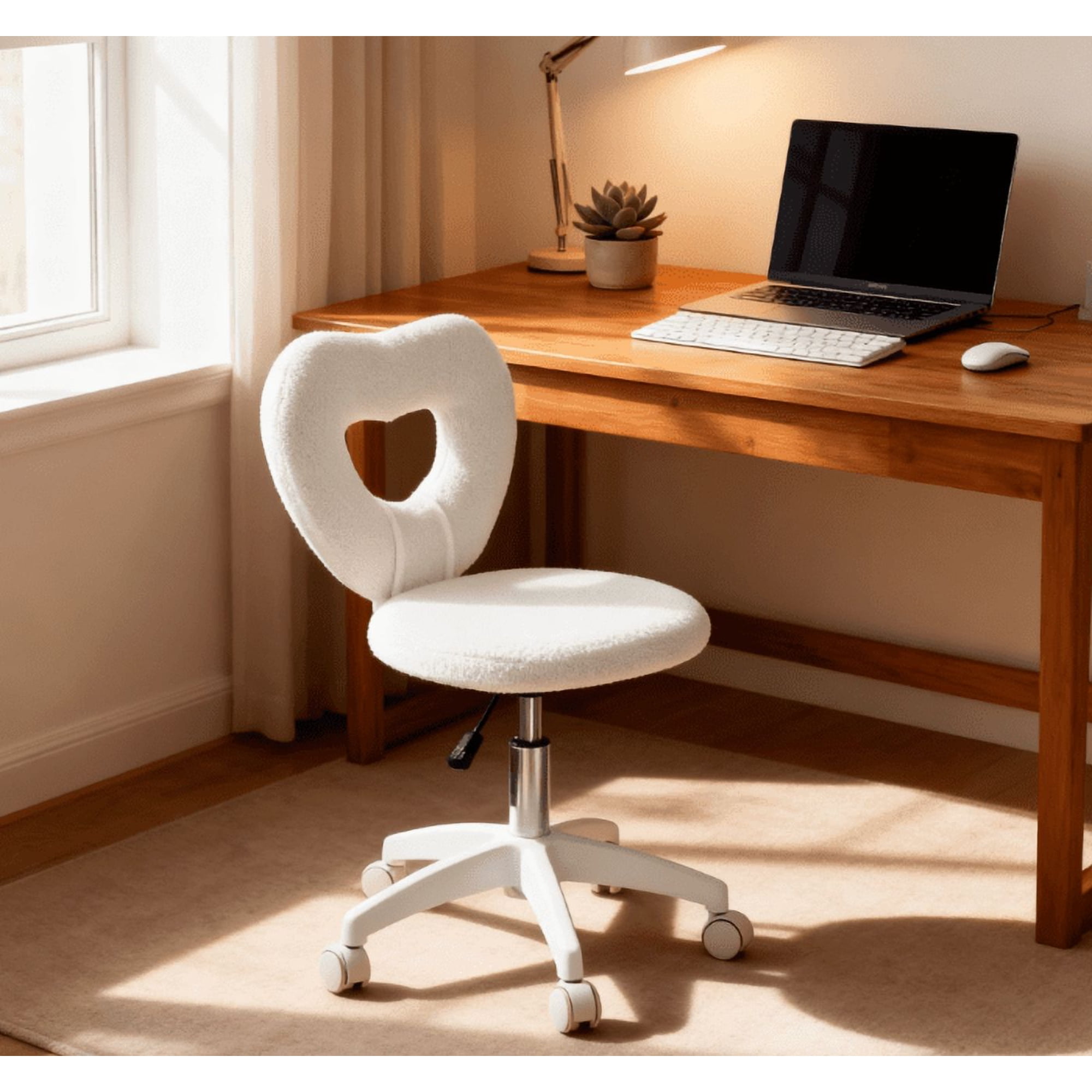
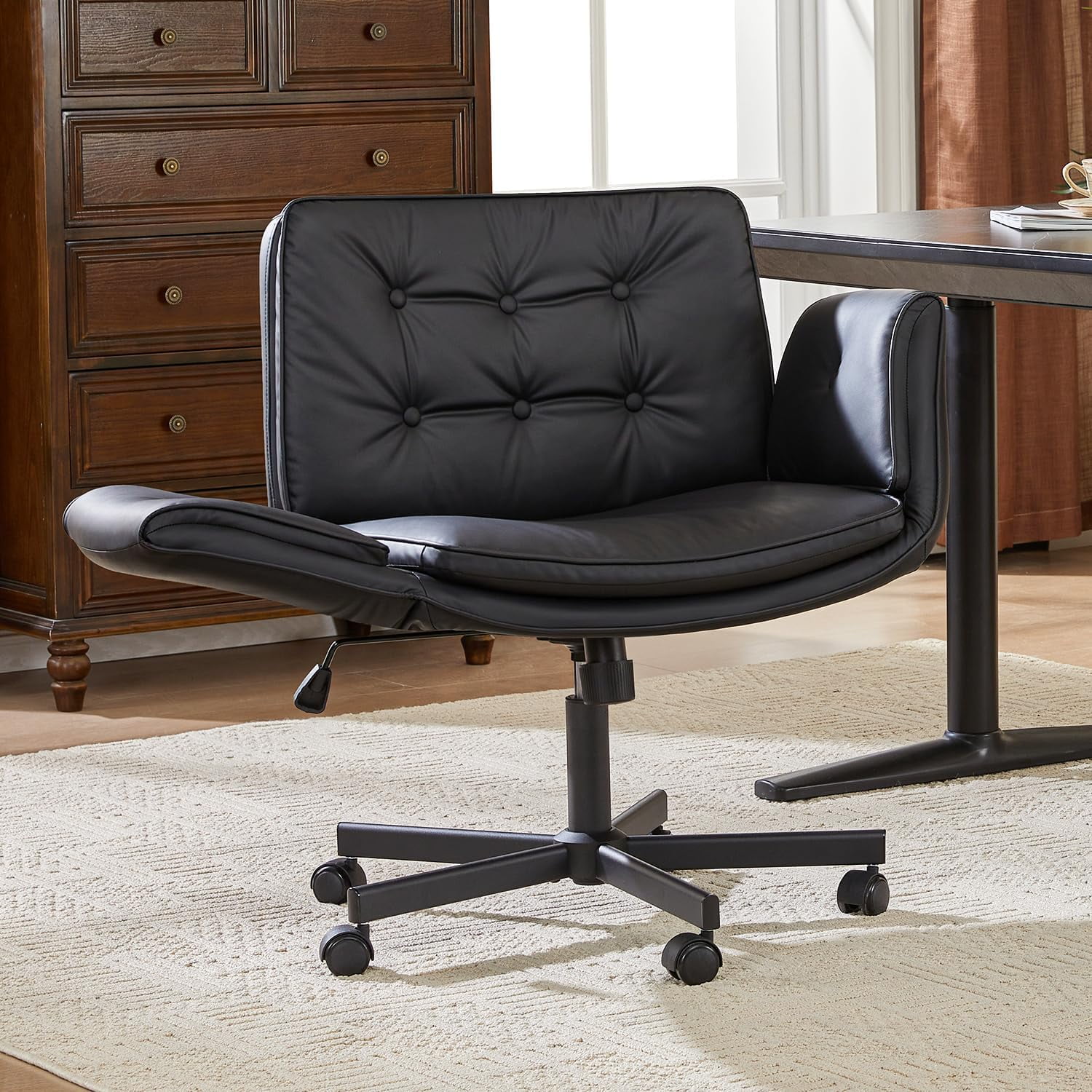
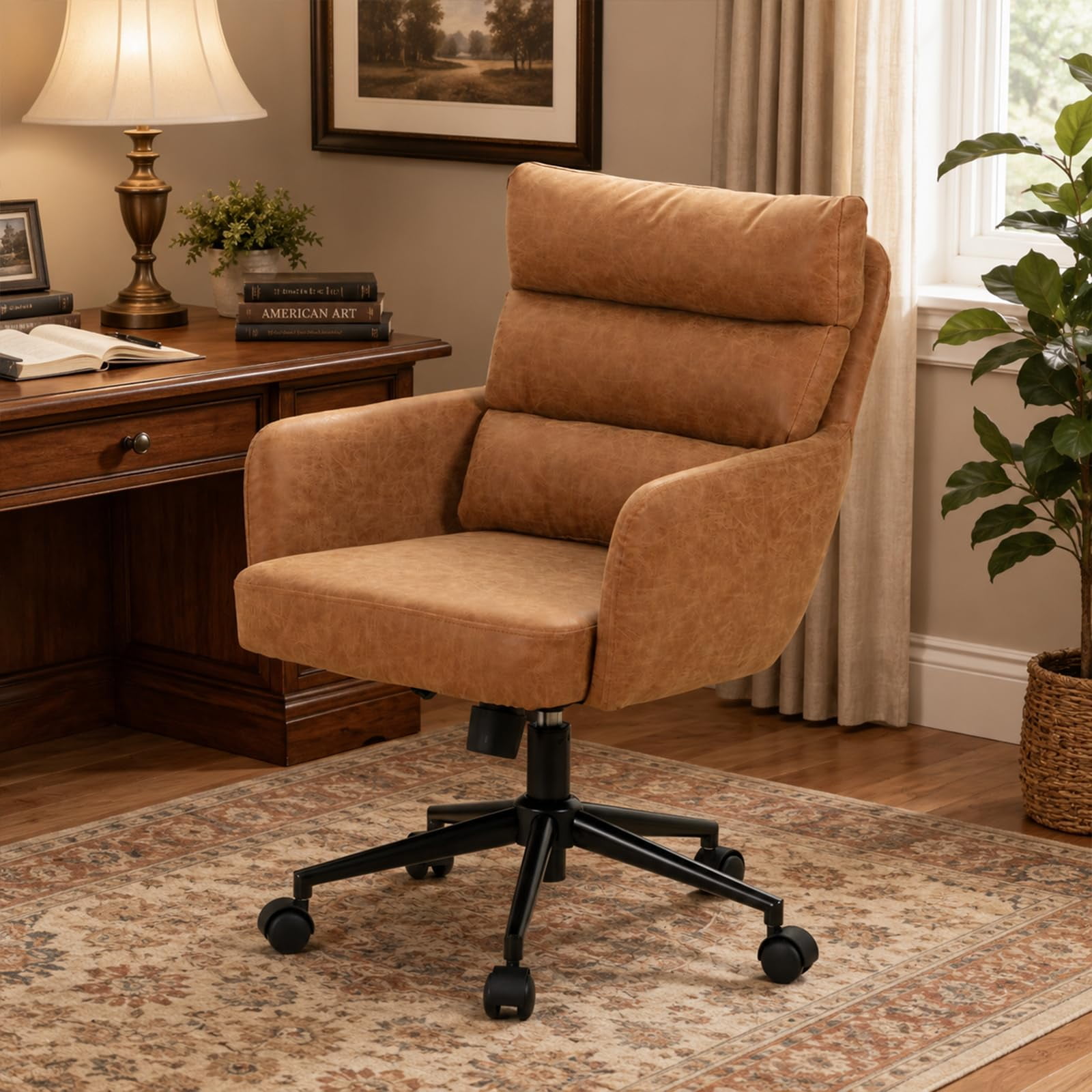
Why the Right Office Swivel Chair with Wheels Transforms Your Workday
If you spend hours at a desk, your chair is your cockpit. An office swivel chair with wheels isn't just about rolling from A to B — it's about freedom, ergonomics, and seamless workflow. Imagine gliding from your keyboard to a filing cabinet without twisting your back, or reclining smoothly while keeping your feet on the floor. That's the power of a quality swivel base paired with well-designed casters.
According to a 2023 workplace comfort survey, 78% of remote workers reported that a chair with smooth‑rolling wheels and 360° swivel significantly improved their daily productivity and reduced fatigue. Yet many buyers focus only on upholstery, overlooking the mechanism that connects them to the floor. This guide dives deep into what makes an excellent rolling swivel chair — from caster types to seat ergonomics — so you can make a choice that supports both your body and your workspace.
Anatomy of a Superior Swivel Chair with Casters
To understand what you're paying for, let's break down the core components of an office swivel chair with wheels. Each part contributes to the overall experience.
1. The Swivel Mechanism: More Than Just Turning
The swivel is the heart of mobility. A high‑quality mechanism uses ball bearings or a robust steel spindle to allow 360° rotation with minimal effort. Look for chairs with a “class 4” gas lift (rated for heavy use) and a smooth‑rotation test: it should turn silently and without jerks. Cheaper chairs often develop wobble or grinding noises after a few months.
- 360° ball‑bearing swivel – enables effortless turning to reach multiple work zones.
- Sturdy steel base – five‑point base provides stability and prevents tipping.
- Gas lift with EU class 3 or 4 – durable height adjustment for users from 5'0" to 6'5".
2. Wheel Technology: Casters That Care for Your Floor
Not all wheels are created equal. The term “office swivel chair with wheels” covers a range of caster types. Here's a quick guide:
- Hard nylon/plastic casters – best for low‑pile carpet; can scratch hardwood.
- Soft polyurethane (PU) casters – ideal for hardwood, tile, or laminate; non‑marking and quiet.
- Roller‑blade style wheels – wider, softer, and roll smoothly on almost any surface; often sold as upgrades.
- Dual‑wheel casters – distribute weight better, reducing floor pressure and increasing stability.
If you have mixed flooring at home, consider chairs with universal PU casters, or plan to buy aftermarket wheels that snap into the standard 10mm or 11mm stem.
3. Seat Ergonomics & Swivel Synergy
A rolling chair only helps if you're properly supported while moving. Key ergonomic features to look for:
- Waterfall seat edge – prevents circulation restriction behind knees.
- Adjustable lumbar support – maintains natural spine curve during dynamic sitting.
- Synchro‑tilt mechanism – lets the seat and backrest move together as you recline, keeping your feet stable while the chair rolls slightly.
- Seat depth adjustment – ensures thighs are fully supported without pressure on calves.
A well‑designed swivel chair with wheels should allow you to tilt and roll without feeling unstable. Look for tilt tension adjustment to customize resistance based on your weight.
Quick Comparison: Caster Materials & Best Use
| Caster type | Best floor | Noise level | Durability |
|---|---|---|---|
| Hard nylon | Carpet | Moderate | High (but can mark floors) |
| Soft polyurethane (PU) | Hardwood, tile, vinyl | Very quiet | Excellent, floor‑protective |
| Rubber (roller‑blade style) | All floors (universal) | Near silent | Good, but may collect dust |
| Metal (industrial) | Carpet only / heavy use | Loud | Extreme, but rarely for home |
4. Weight Capacity & Stability
A rolling chair must remain stable when you shift weight. Standard office swivel chairs support 250‑300 lbs. For heavier users, seek “heavy‑ duty” models with reinforced bases and wheels rated for 400+ lbs. The five‑point base should be made of nylon or polished aluminum — wider bases (26‑28 inches) offer better stability.
Also check the wheel retention: some chairs come with locking casters that prevent rolling when you stand up — useful on inclined floors.
Selecting Your Ideal Rolling Swivel Chair: Step‑by‑Step
Follow this guide to narrow down the hundreds of models available.
- Assess your floor: Hard surface → soft PU or roller‑blade casters. Carpet → standard nylon or dual‑wheel.
- Measure your desk height: Ensure the chair's seat height range (usually 18‑22 inches) matches your desk (around 28‑30 inches).
- Consider usage hours: 8+ hours daily → invest in advanced lumbar and seat foam density (2.5‑3 lbs).
- Check weight capacity: Always take a model rated 50 lbs above your weight for longevity.
- Test the swivel: In store or via reviews, ensure the rotation is smooth and the base doesn't wobble.
- Look for replaceable parts: Standard stems (10‑11mm) allow future wheel upgrades.
Material Matters: Upholstery Choices for Rolling Chairs
While the wheels do the rolling, the upholstery affects your comfort during those long rolling sessions.
- Breathable mesh – ideal for warm climates and long hours; often paired with a sturdy frame.
- Fabric (polyester/wool blends) – comfortable, available in many colors, but may stain.
- Leather / PU leather – easy to wipe clean, looks executive, but can get sticky in hot weather.
- 3D knit – modern, stretchable, and breathable, often found in high‑end ergonomic chairs.
Common Mistakes When Buying an Office Swivel Chair with Wheels
- Ignoring floor type – then wondering why your hardwood is scratched.
- Oversized chair for small space – a large base might not swivel fully in a cramped corner.
- Neglecting caster replacement potential – even if the chair comes with hard wheels, you can swap them.
- Focusing only on looks – a stylish chair without adjustable lumbar can cause back pain.
Pro tip: If you already own a chair with bad wheels, measure the stem diameter (usually 7/8" or 11mm) and buy replacement casters. It's a $20‑30 fix that transforms the chair's performance.
Frequently Asked Questions – Office Swivel Chair with Wheels
Conclusion: Roll into Better Comfort
An office swivel chair with wheels is an investment in your daily mobility and long‑term spinal health. By understanding the interplay between caster type, swivel mechanism, and ergonomic support, you can select a chair that makes your workspace more fluid and your body more resilient. Whether you're gliding between tasks in a home office or managing a corporate desk, the right rolling chair keeps you effortlessly in motion. Use this guide to match your floor, body, and work style — and enjoy the silent, smooth freedom of a quality swivel chair.