
Introduction: The Overlooked Hero of Ergonomics – The Headrest
Imagine carrying a 12-pound bowling ball all day. That's roughly the weight of the average human head. Now, imagine holding that bowling ball with just your fingertips for hours—your muscles would scream. That’s exactly what your neck muscles do when you sit at a desk without proper head support. A head rest office chair acts like a supportive shelf, taking the weight off your cervical spine. It’s not just about comfort during a quick break; it’s about long-term spinal health, sustained energy levels, and maintaining that professional focus from 9 to 5.
For many, the term 'office chair' conjures images of leather high-backs or breathable mesh task seats. But the addition of a headrest transforms a standard chair into a comprehensive support system. Whether you're a data analyst glued to dual monitors, a CEO in long strategy meetings, or a work-from-home professional juggling calls, a headrest provides a critical point of rest that allows your body to reset. In this guide, we'll dive deep into why you need one, the different types available, and exactly how to choose the perfect head rest office chair for your unique physiology and workflow.
Ergonomic Insight: The spine is not designed to hold the head in a forward posture. For every inch the head moves forward, the load on the neck muscles increases by 10 pounds. An adjustable headrest helps reset this posture, potentially reducing the risk of chronic neck and shoulder pain by over 50%.
Anatomy of a Head Rest Office Chair: Beyond Basic Support
Not all headrests are created equal. To make an informed choice, you need to understand the components and variations available in the market. Let's break down the anatomy and key considerations.
1. Fixed vs. Adjustable Headrests: The Spectrum of Support
The first major fork in the road is adjustability. Choosing between them depends largely on whether you share your chair or have very specific ergonomic needs.
- Fixed Headrests: These are molded into the chair's backrest. They are common in some 'executive' style chairs. The pro? They look sleek and integrated. The con? If the curve doesn't hit your exact neck spot, it’s useless or even uncomfortable. It's a one-size-fits-all approach that often fits few perfectly. Best for users who have a 'standard' torso length and don't require fine-tuned positioning.
- Adjustable Headrests (2D, 3D, 4D): This is where ergonomics shine.
- 2D Adjustment: Typically allows up/down (height) and forward/back (depth) or tilt. This is the minimum you should look for.
- 3D Adjustment: Adds independent angle tilt (rotation), allowing you to cradle your head perfectly.
- 4D Adjustment: The gold standard, often including lateral (side-to-side) pivot or more complex combinations, adapting to asymmetrical postures or specific tasks.
2. Material Matters: Breathability and Comfort
The material covering your headrest affects both comfort and hygiene, especially if you tend to lean back frequently.
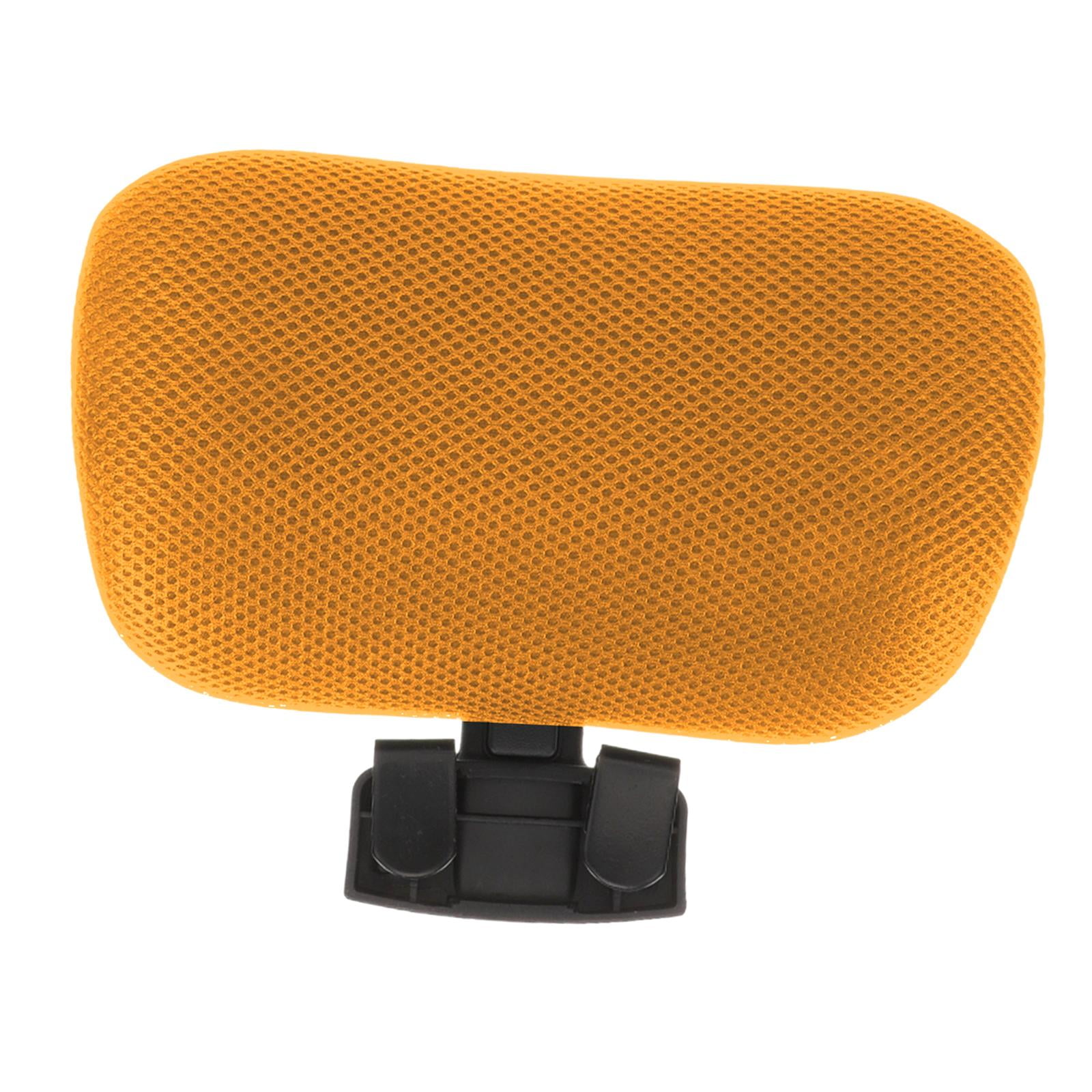
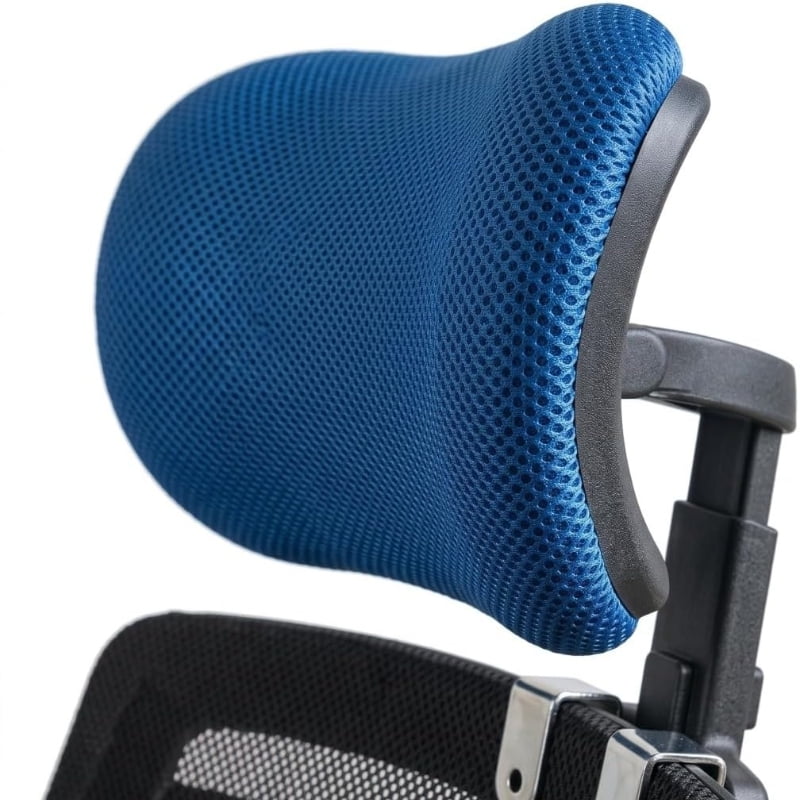
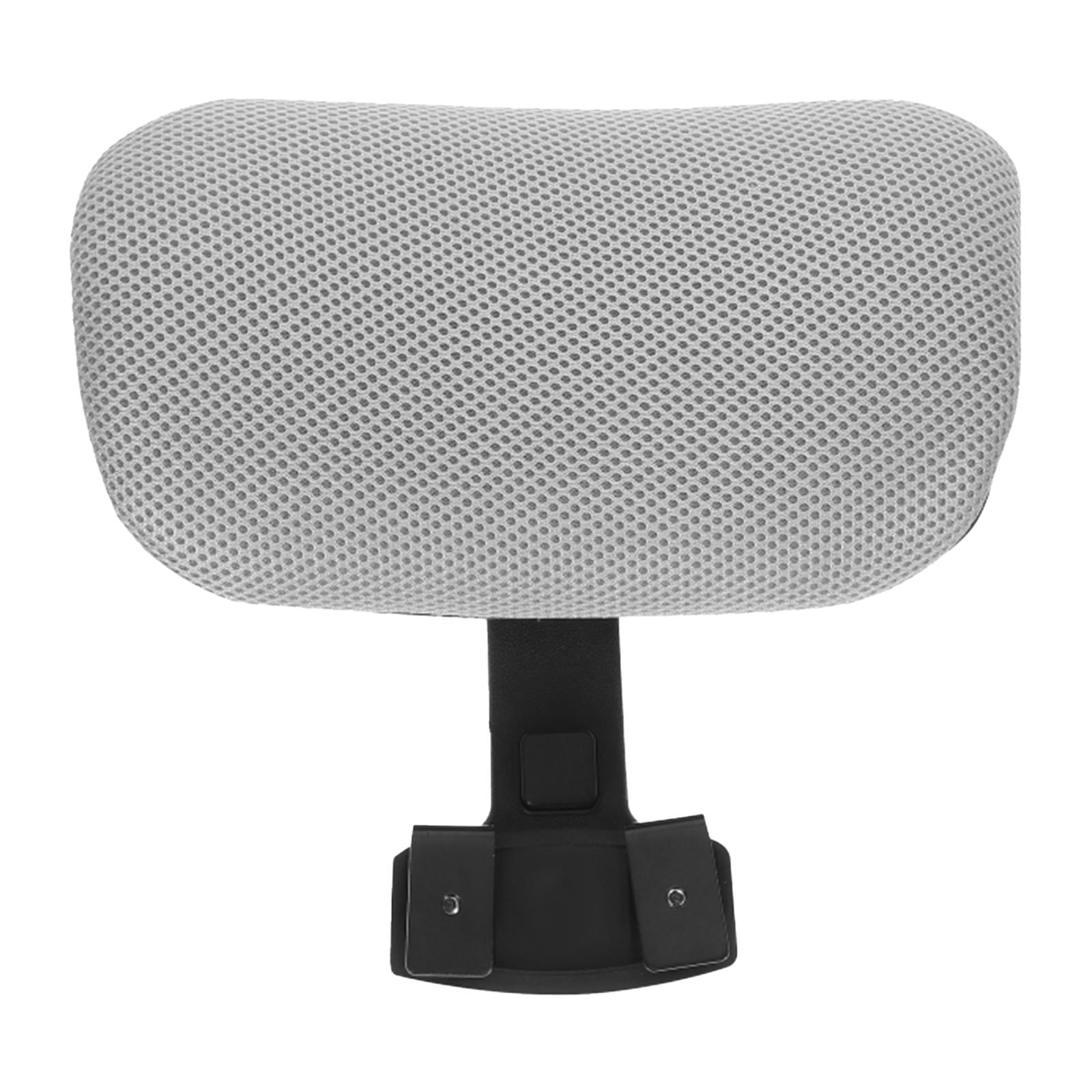
- Mesh Headrests: Perfect for warmer climates or those who run hot. Mesh is highly breathable, preventing that sticky feeling on the back of your neck. However, some find it too firm. High-end mesh chairs often have a slightly curved, firm mesh headrest that offers 'suspended' support.
- Padded Foam (Leather/Fabric): This is the most common type. Upholstered in leather, faux leather, or fabric over memory foam or high-density foam, these headrests offer a plush, 'hugging' sensation. Leather is easy to wipe clean, while fabric offers a softer, warmer feel. The downside is that non-breathable materials can get warm.
3. The Connection: Integrated vs. Attachable Headrests
- Integrated Headrests: These are built as part of the chair's frame. They are sturdy and visually cohesive. Usually found on dedicated ergonomic or executive models.
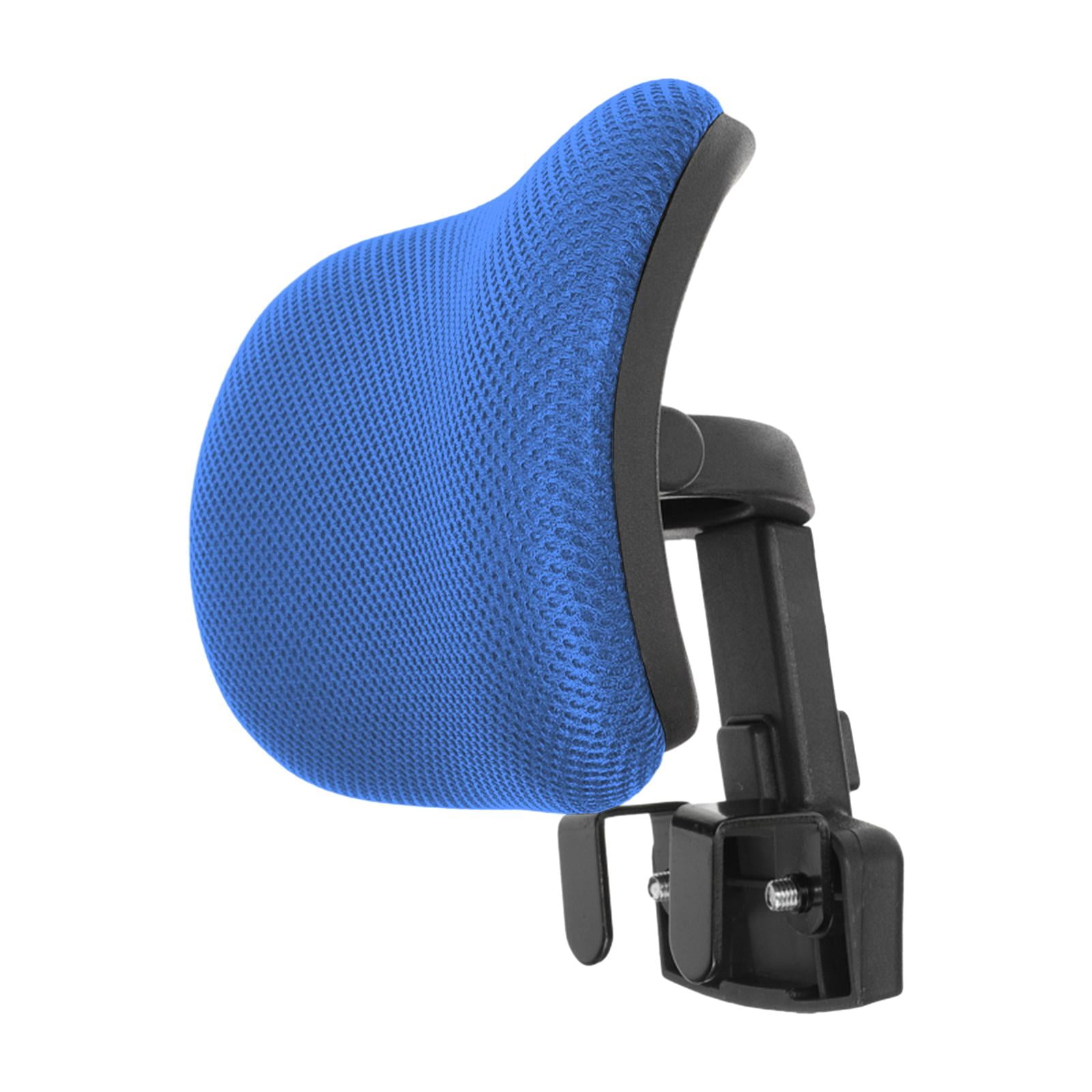
- Attachable/Universal Headrests: A fantastic option if you already own a chair without a headrest. These are aftermarket accessories that strap onto your existing chair. They vary widely in quality, from simple padded straps to sophisticated mechanisms that clip onto the back frame. This is a cost-effective way to upgrade your current setup.
4. The Mechanism: How It Moves
Pay attention to how the headrest locks into place. The best mechanisms have a firm, clicky lock (positive lock) with no wiggle. Cheaper ones might use friction alone, which can slip over time. Test the ease of adjustment—can you do it while seated, or do you have to contort yourself?
Why Your Next Office Chair Must Have a Headrest: The 'Lean-Back' Factor
There's a common misconception that you only need a headrest if you're sleeping at your desk. The reality is far more practical. Let's explore the undeniable benefits.
Reduces 'Text Neck' & Forward Head Posture
Constantly looking at a screen pushes your head forward. A headrest encourages you to bring your head back against a supportive surface, gently coaching your posture back to alignment.
Dynamic Support for Multi-Tasking
Reading a document? Watching a webinar? Leaning back to think? A headrest supports you in these different modes, preventing static muscle load.
Essential for Reclining
If your chair has a tilt or recline function (which it should), a headrest is non-negotiable. Without it, reclining leaves your head unsupported, dangling backward and straining your throat and neck.
Micro-Break Recovery
Leaning back for 2-3 minutes with your head supported allows the discs in your spine to rehydrate and relax, boosting circulation and mental clarity when you return to work.
How to Choose the Perfect Head Rest Office Chair: A 4-Step Framework
Use this practical framework to filter through the hundreds of options and zero in on 'the one'.
Step 1: The 'Goldilocks' Zone – Measure Your Torso
Your headrest needs to hit the right spot. Sit against a wall and mark where the back of your head naturally rests. Measure from your seat surface (sitting bone) to that mark. This is your ideal headrest height range. When looking at chair specs, look for the headrest's adjustable height range to ensure it overlaps with your measurement.
Step 2: Match the Material to Your Environment
Consider your office climate and attire. If you wear collared shirts and work in a warm office, a mesh or fabric headrest might be better to avoid a sweaty neck. In a cooler, more formal setting, leather might be the professional choice. Think about maintenance: leather wipes clean; fabric might need occasional vacuuming.
Step 3: Prioritize Independent Adjustment
Ensure the headrest moves independently of the backrest. Some cheaper chairs have a headrest that's just a protrusion of the back. This is ineffective. Look for models where the headrest has its own sliding rail and pivot point. This independence is crucial for customizing the fit to your body, not your body to the chair.
Step 4: The 'Lean-Back' Test
If possible, physically test the chair. Sit in it, recline slightly, and close your eyes. Does the headrest naturally cup the curve of your head, or does it poke you in the middle of the skull? Is the padding too hard or too soft? Can you make micro-adjustments easily? The chair should feel like a natural extension of your spine.
Frequently Asked Questions About Head Rest Office Chairs
Conclusion: Invest in Your Neck, Invest in Your Future
Choosing a head rest office chair is an investment in your physical well-being and professional longevity. We often focus on lumbar support, but the neck—that critical conduit for nerves and blood flow to the brain—deserves equal attention. By understanding the nuances of adjustability, material, and fit, you can select a chair that not only looks the part but actively supports you through every task, call, and well-deserved thinking break. Don't let neck pain be an accepted part of office life. Find the chair that lets you hold your head high, comfortably supported.