
Why Your Office Chair Needs an Ergonomic Pillow
Imagine your office chair as a suit off the rack. It fits, but not perfectly. For many of us, the chair's built-in lumbar support hits too high or too low, and the seat feels like a rock after an hour. This is where an ergonomic pillow for office chair comes in—it's the tailor-made adjustment that transforms standard seating into personalized comfort. It fills the gap between your body and the chair, providing the critical support your spine needs to stay aligned during long work hours.
The Hidden Cost of Sitting: Studies from the National Institutes of Health indicate that poor sitting posture can increase pressure on spinal discs by up to 40%. Using a dedicated ergonomic pillow can help restore the spine's natural 'S' curve, reducing this pressure and cutting the risk of chronic back pain by nearly half.
The Two Pillars of Support: Lumbar vs. Seat Cushions
Not all ergonomic pillows are created equal. They generally fall into two categories, each solving a different problem. Understanding the distinction is the first step toward a pain-free seated experience.
1. Lumbar Support Pillows: The Back Savior
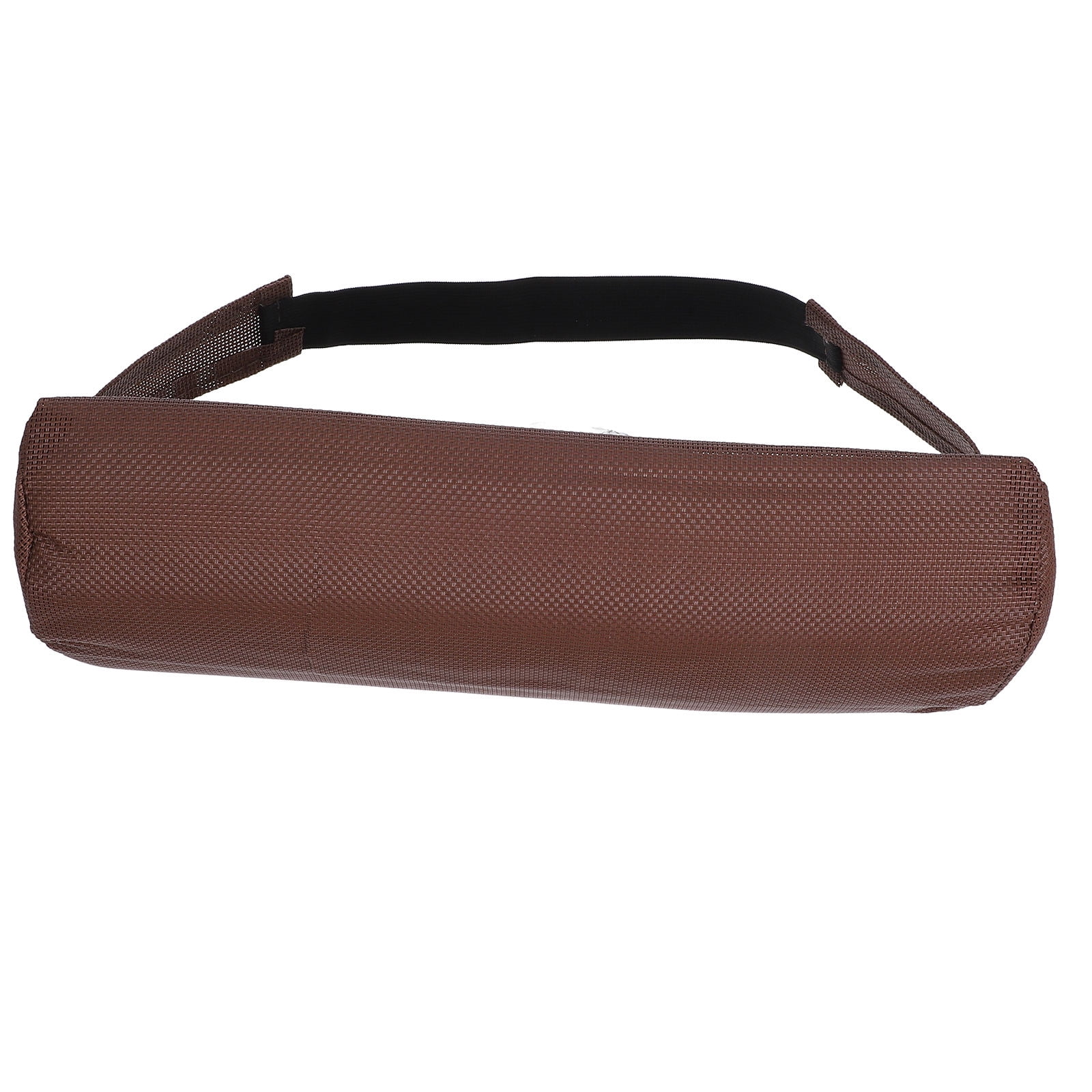
A lumbar pillow for office chair is designed to support the inward curve of your lower back. Most office chairs have a flat or inadequate backrest, causing you to slouch. A good lumbar pillow fills this void, keeping your pelvis tilted slightly forward and your shoulders back. Think of it as a friendly hand pressing against your lower back, reminding you to sit up straight without any effort.
2. Seat Cushions: The Foundation of Comfort
If your discomfort is in your hips, tailbone (coccyx), or thighs, a seat cushion is your answer. These pillows provide a layer of cushioning that distributes your weight more evenly. A coccyx cushion has a cut-out in the back to relieve pressure on the tailbone, while a wedge cushion tilts your pelvis forward slightly, promoting better posture from the base up.
Reduced Lower Back Pain
Targeted lumbar support prevents muscle fatigue and strain by maintaining the spine's natural alignment.
Improved Posture Instantly
These pillows act as a physical reminder to sit correctly, which over time trains your muscles to maintain good posture.
Enhanced Blood Circulation
Proper seat cushions reduce pressure on the back of your thighs, preventing numbness and promoting better blood flow to your legs.
Versatility & Cost-Effectiveness
Instead of buying a new $1,000 chair, a $40 pillow can upgrade your existing one, and you can take it with you to work or while traveling.
Material Science: What's Inside Your Pillow?
The material determines the feel, support level, and breathability of your pillow. Here’s a breakdown of what you'll find on the market.
Memory Foam
- Contouring Support: Molds to your unique shape for personalized comfort.
- Pressure Relief: Excellent at distributing weight and reducing pressure points.
- Durability: High-density foams can last for years without losing shape.
Memory Foam
- Heat Retention: Traditional memory foam can get warm. Look for gel-infused versions.
- Firmness: Can feel too firm for some users who prefer a softer feel.
Gel-Infused Foam
- Cooling Effect: The gel helps dissipate body heat, keeping you cool.
- Support: Retains the pressure-relieving properties of memory foam.
- Ideal for Long Hours: Perfect for those who run warm or sit for 8+ hours.
Gel-Infused Foam
- Cost: Often slightly more expensive than standard memory foam.
- Weight: Can be heavier than other options.
Ventilated Mesh / Honeycomb
- Maximum Breathability: Air flows freely, preventing sweat and heat buildup.
- Lightweight: Easy to move from chair to chair.
Ventilated Mesh / Honeycomb
- Less Contouring: Doesn't mold to the body like foam, offering less personalized support.
- Durability: Can sag or lose tension over time.
5-Step Guide to Choosing Your Perfect Ergonomic Pillow
Finding the right pillow doesn't have to be a guessing game. Follow this simple roadmap to identify exactly what your body needs.
Step 1: Identify Your Pain Points
Listen to your body. Is the ache in your lower back? You need a lumbar pillow. Is the pain at the very base of your spine (tailbone) or in your hips? A seat cushion with a coccyx cutout is your best bet. Do your legs fall asleep? A wedge cushion can help by tilting your pelvis and reducing pressure on your thighs.
Step 2: Consider Your Chair and Workspace
Look at your current chair. Does the backrest have a lot of mesh or is it solid? A lumbar pillow with strong straps will work on any chair. If your chair is already plush, you might only need a thin support. If it's rock hard, a thick memory foam seat cushion will make the biggest difference.
Step 3: Choose Your Material
• For contouring and support: Choose high-density memory foam or gel-infused foam.
• For cooling and breathability: Opt for gel-infused foam or a mesh/honeycomb design.
• For a balance of both: Many hybrid pillows combine a foam core with a breathable, moisture-wicking cover.
Step 4: Check the Straps and Cover
A good ergonomic pillow must stay in place. Look for pillows with non-slip backing and adjustable, sturdy straps with secure clips. Also, a removable, machine-washable cover is non-negotiable for hygiene.
Step 5: Read Reviews for Real-World Feedback
Look for reviews from people with similar body types or pain issues. A pillow that works for a 150lb person might be too soft for someone who is 220lb. Pay attention to comments about durability and whether the support holds up over months of use.
Quick Comparison: Types of Ergonomic Pillows
| Pillow Type | Primary Benefit | Best For | Material Suggestion |
|---|---|---|---|
| Lumbar Support Pillow | Supports lower back curve | Lower back pain, slouching | Memory Foam |
| Coccyx Seat Cushion | Relieves tailbone pressure | Tailbone pain, post-surgery | Gel-Infused Foam |
| Wedge Cushion | Opens hip angle, promotes posture | Hip pain, poor circulation | High-Density Foam |
| Full-Back Support | Supports entire back | Thoracic or upper back pain | Memory Foam |
| Combination (Seat & Back) | Complete ergonomic solution | Severe, multiple pain points | Gel + Memory Foam |
Frequently Asked Questions About Ergonomic Office Chair Pillows
Conclusion: Small Investment, Big Impact on Your Workday
An ergonomic pillow for your office chair is one of the smartest, most cost-effective investments you can make for your health and productivity. It transforms a generic chair into a personalized support system, directly combating the fatigue and pain that comes from a sedentary job. Whether you're a CEO in a leather chair or a remote worker on a budget model, the right pillow can make the difference between ending your day in pain or feeling energized.
Final Recommendations
Start with a memory foam lumbar pillow with adjustable straps.
Choose a gel-infused coccyx seat cushion with a cut-out design.
Consider a combination set that includes both a lumbar pillow and a seat cushion.
Prioritize pillows with breathable mesh covers or gel-infused foam.