
Introduction: The Missing Piece in Your Office Chair
Imagine your office chair as a high-performance sports car. It has a powerful engine (the gas lift), a comfortable seat (the cushion), and excellent suspension (the wheels). But if the headrest is missing or poorly designed, every long drive becomes a pain in the neck—literally. For the estimated 80% of adults who will experience back or neck pain at some point in their lives, according to research from the Global Burden of Disease Study, the office chair neck pillow is that crucial, often-overlooked component.
Unlike the integrated headrests found in luxury executive chairs, a dedicated neck pillow offers targeted, adjustable support. It fills the gap between your cervical spine and the chair back, preventing your head from drifting forward—a posture known as "text neck" that can add up to 60 pounds of force on your cervical spine, as noted by biomechanical research. This article dives deep into why you need one, how to choose it, and how to use it to transform your work-from-home or office experience.
The Science of Support: Why Your Neck Cries for Help
Your head weighs about 10 to 12 pounds. For every inch your head moves forward, the weight on your neck muscles and spine effectively doubles. This is the fundamental problem with most office chairs: they encourage a slouched or forward-leaning posture. An office chair neck pillow acts as a physical barrier against this forward drift.
1. The Three Pillars of Neck Pillow Ergonomics
Not all neck pillows are created equal. A truly effective pillow addresses three key areas:
- Cervical Contour: The pillow should have a contour that supports the natural inward curve of your neck. A flat pillow does nothing; a rolled-up towel is better, but a shaped memory foam cervical pillow is ideal. It cradles the neck, distributing the head's weight evenly.
- Height Adjustment (Critical): The distance from your shoulders to the back of your head varies. A pillow that is too thick will push your head forward; one too thin offers no support. Look for pillows with adjustable straps or multiple thickness options. Think of it like Goldilocks—it needs to be "just right" for your unique anatomy.
- Material Density & Firmness: You want a material that is firm enough to provide support but soft enough to be comfortable. High-density memory foam is the gold standard. It responds to body heat, molding to your shape without sagging. Gel-infused versions prevent heat buildup, a common complaint with traditional foam.
2. Universal vs. Integrated: Finding Your Perfect Match
You'll generally find two types of neck support solutions for office chairs:
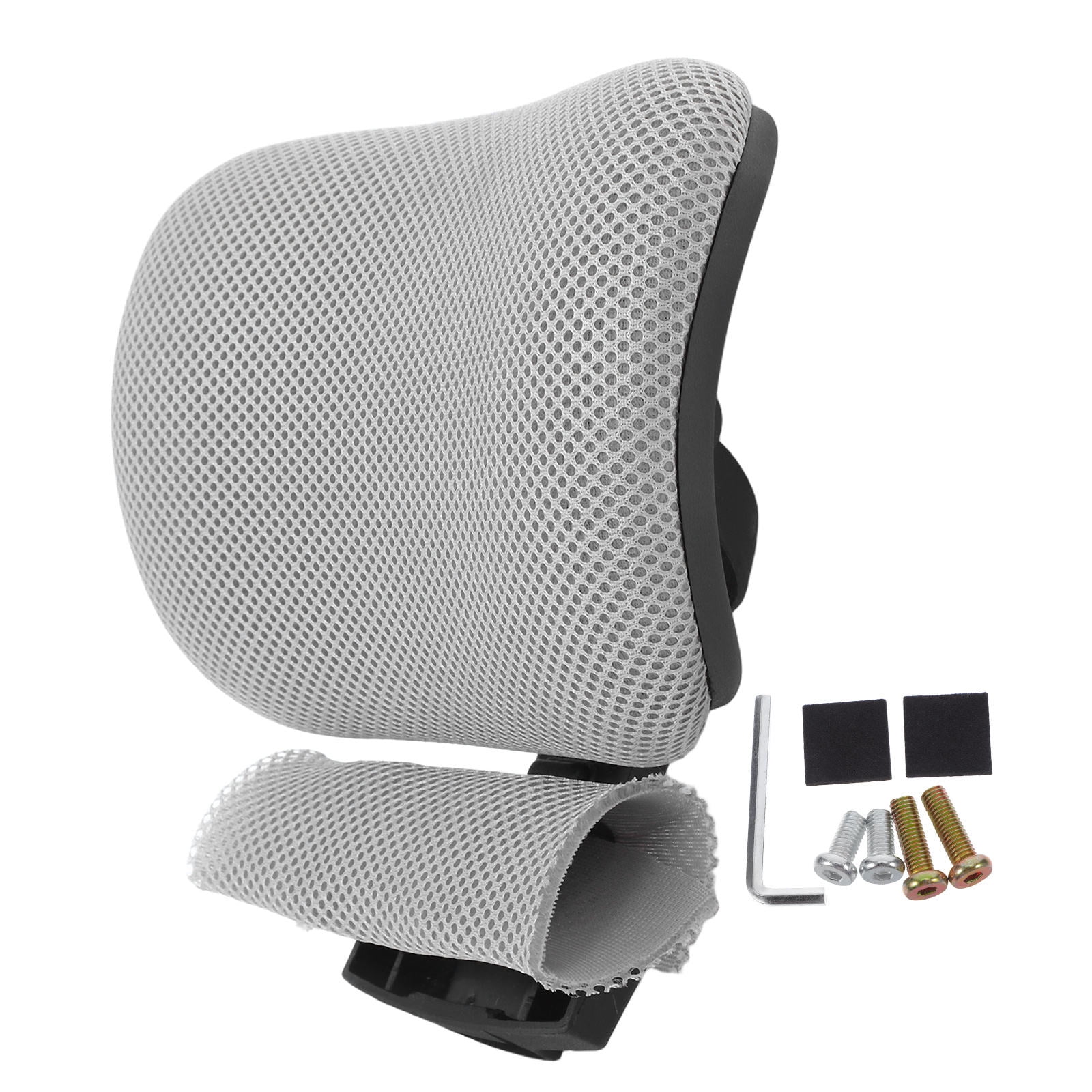
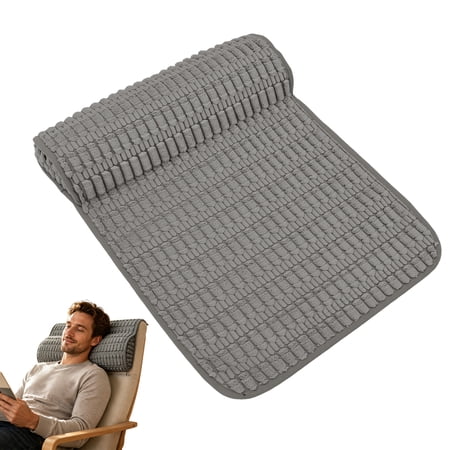
- Universal Strap-On Pillows: These are the most common and versatile. They attach to any chair back using elastic straps. The advantage? You can take them from your work chair to your gaming chair. The downside? They can sometimes shift if not tightened properly. Look for straps with non-slip silicone backing for a secure fit.
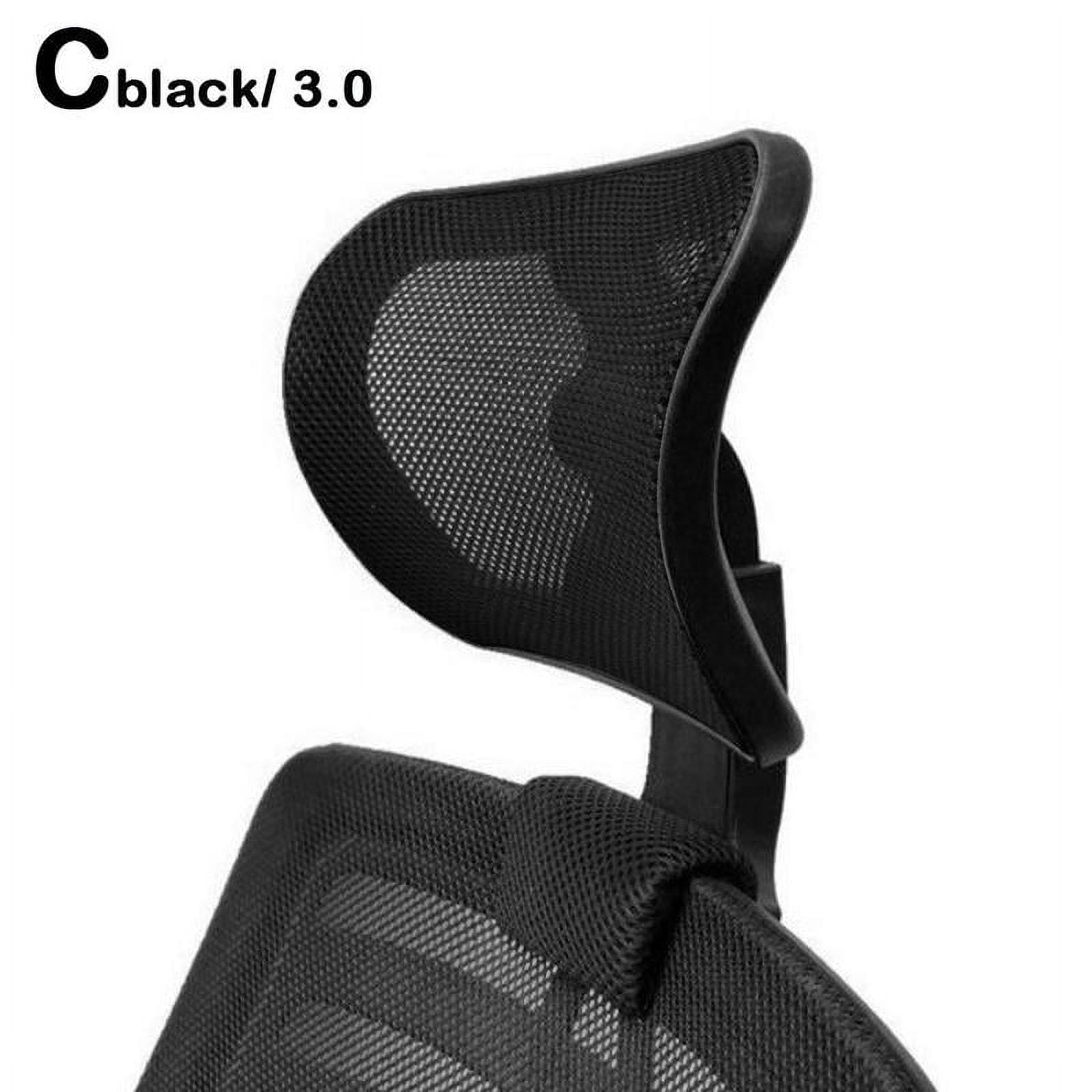
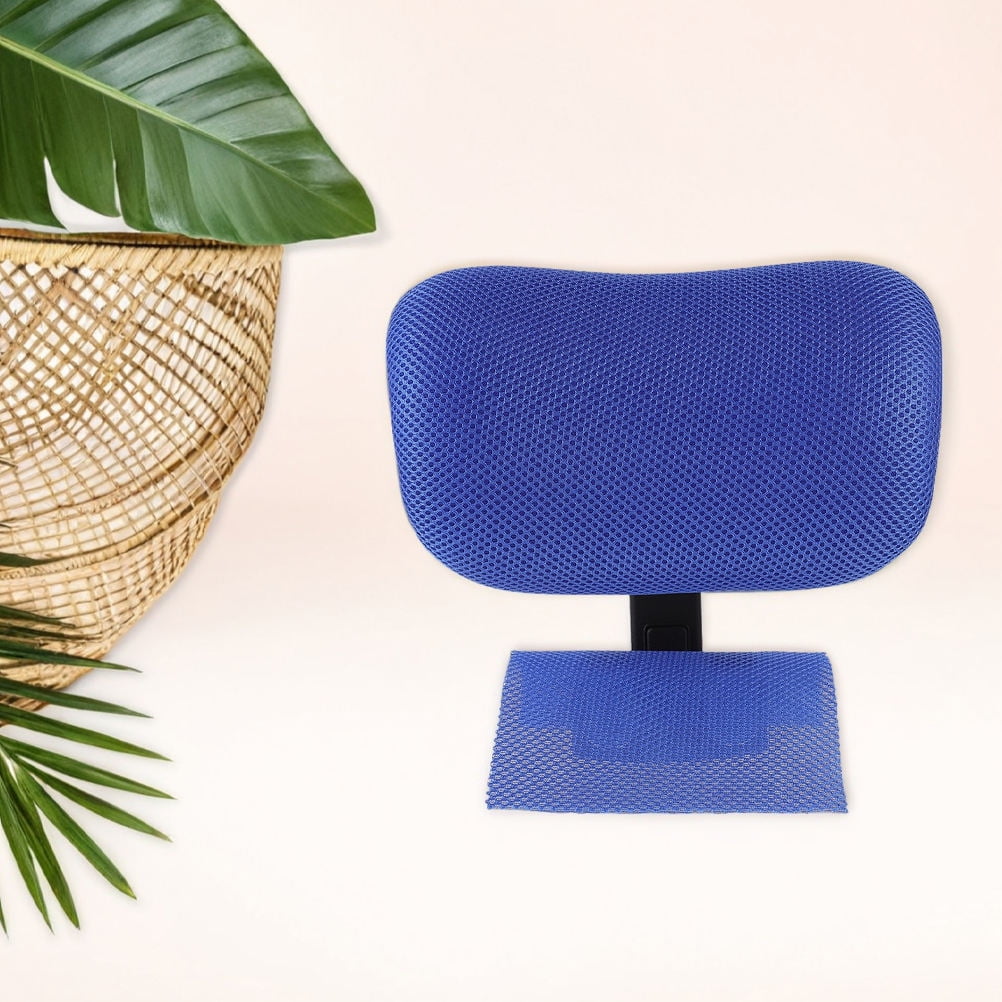
- Adjustable Headrest Attachments: Some manufacturers sell headrests that mount directly to the chair's frame via brackets (e.g., for Herman Miller Aeron or Steelcase Leap chairs). These are more stable and often offer more adjustability (height, angle, depth). They are, however, chair-specific and more expensive.
- Dedicated Headrest Chairs: Many modern ergonomic chairs now come with built-in, adjustable headrests. If you're in the market for a new chair, this is a fantastic feature. However, for the millions with existing chairs, a strap-on pillow is the most cost-effective and practical solution.
3. The "Neck Pillow + Lumbar" Synergy
Think of your spine as a tower of blocks. If the base (lumbar/lower back) is unstable, the top (neck) will wobble. Using an office chair neck pillow in isolation is only half the battle. For optimal spinal health, it must work in tandem with lumbar support. Here’s a simple checklist for achieving synergy:
- Step 1: Set your lumbar support. Adjust your chair's lumbar mechanism or use a lumbar pillow for office chair so it fits snugly in the curve of your lower back.
- Step 2: Sit back fully. Press your hips as far back into the chair as possible.
- Step 3: Position the neck pillow. Attach the neck pillow so the thickest part of the contour sits right in the hollow of your neck, not on the base of your skull or your upper back.
- Step 4: The "Ear Over Shoulder" Test. Your ears should align vertically with your shoulders. If they are forward, the pillow is too thin or positioned incorrectly. If your chin is forced down, it's too thick.
4. Materials Deep Dive: Memory Foam, Gel, Beads, and More
Choosing the right material is a personal journey. Let's break down the pros and cons using an analogy: choosing a mattress.
- Memory Foam (The Tempur-Pedic Analogy): Just like a memory foam mattress contours to your body, a memory foam neck pillow provides a "hug" and even pressure distribution. It's excellent for sustained support. Best for: People who want firm, contouring support and don't overheat easily.
- Gel-Infused Memory Foam (The Cooling Mattress Topper): This is memory foam with cooling gel beads or a gel layer. It offers the same contouring benefits but actively dissipates heat. Best for: Hot sleepers or people who work in warm offices.
- Microbead / Polyfill (The Feather Pillow Analogy): These pillows are filled with tiny beads or polyester fiber. They are soft, lightweight, and conformable but offer minimal structural support. They flatten easily and won't hold your neck in a neutral position. Best for: Light breaks, travel, or those who dislike any feeling of firmness against their neck.
- Latex (The Natural Latex Mattress): More resilient and bouncy than memory foam, latex is naturally hypoallergenic and cooling. It provides support without the "sinking in" feeling. Best for: Eco-conscious users and those who prefer a firmer, more responsive surface.
5. Who Needs an Office Chair Neck Pillow the Most?
The Remote Worker
Spending 8+ hours in a non-ergonomic home chair? A neck pillow is a cheap fix for poor chair design.
The Gamer
Intense gaming sessions often lead to a fixed, forward posture. A headrest prevents "gamer's neck."
Chronic Pain Sufferers
If you have arthritis, cervical herniations, or chronic tension, proper support is non-negotiable.
Tall Individuals
Standard chair backs often end mid-neck for taller people. A pillow provides that crucial extension.
People with Forward Head Posture
A neck pillow acts as a physical cue to pull your head back, retraining your muscles over time.
Those Who Frequently Nap at Their Desk
A good neck pillow allows you to lean back and rest without straining your neck.
Installation & Adjustment: Getting It Just Right
Buying the best office chair neck pillow is useless if it's positioned poorly. Here’s a step-by-step guide to perfect placement:
- Clean the chair back: Ensure the area where the straps will go is clean for maximum grip.
- Attach loosely: Place the pillow against the chair back at the desired height and loosely fasten the straps behind the chair.
- Sit in your natural posture: Sit as you normally would while working. Don't force yourself perfectly upright—use your typical working posture.
- The "Scoot and Test": Scoot your hips back. Now, lean your head back gently. The pillow should make contact with the hollow of your neck first. If it hits your shoulders, it's too low. If it pushes your head forward, it's too high or too thick.
- Tighten and secure: Once the height feels right, tighten the straps firmly so the pillow doesn't slide down. Most pillows use a loop-and-lock system similar to a seatbelt.
- Angle adjustment (if available): Some pillows allow you to adjust the angle. Tilt it so it matches the angle of your chair back.
Pro Tip: Spend 10 minutes in the chair after adjusting. Your body will tell you if it's right. You should feel a subtle release of tension in your upper traps and shoulders. If you feel pressure on your throat or the base of your skull, re-adjust immediately.