
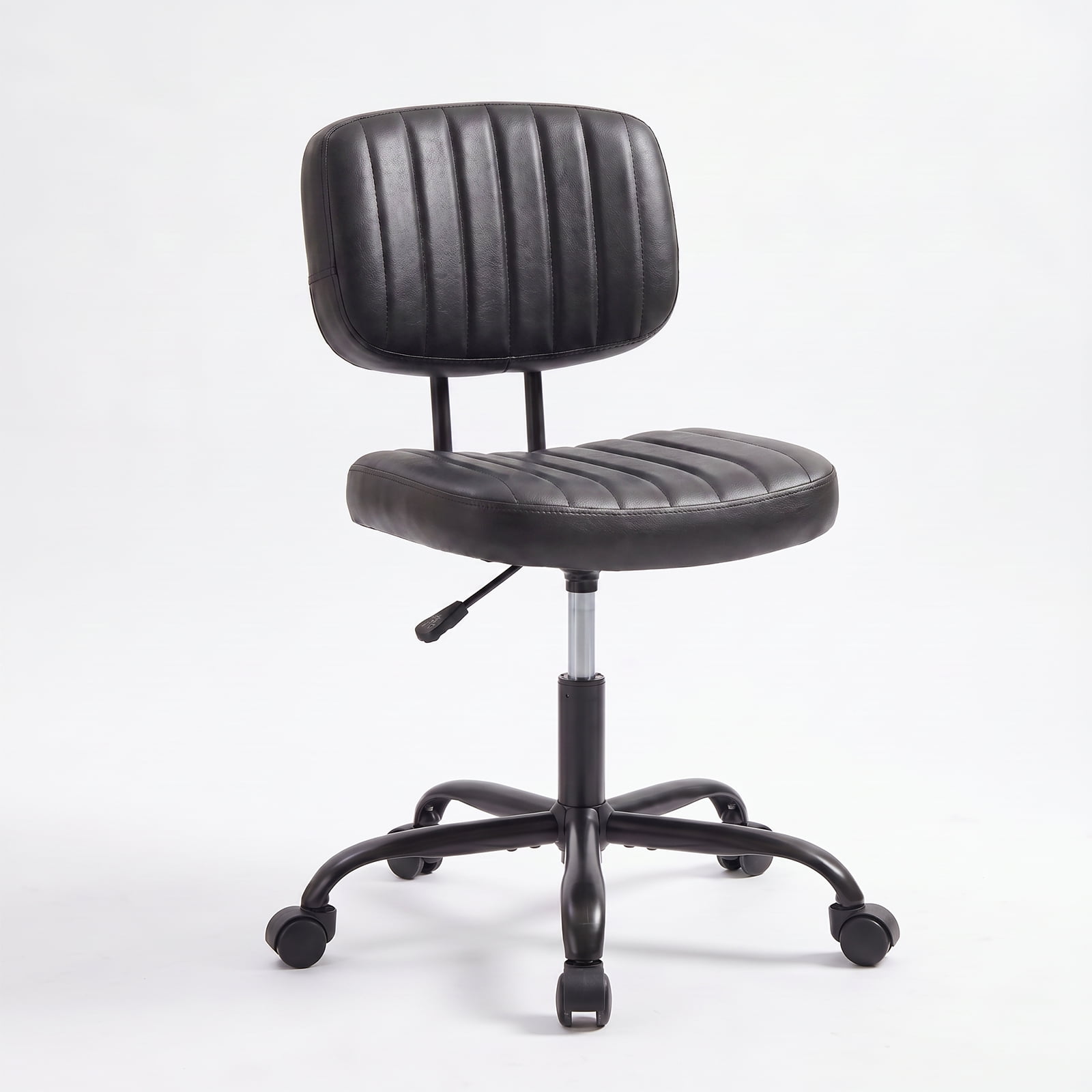
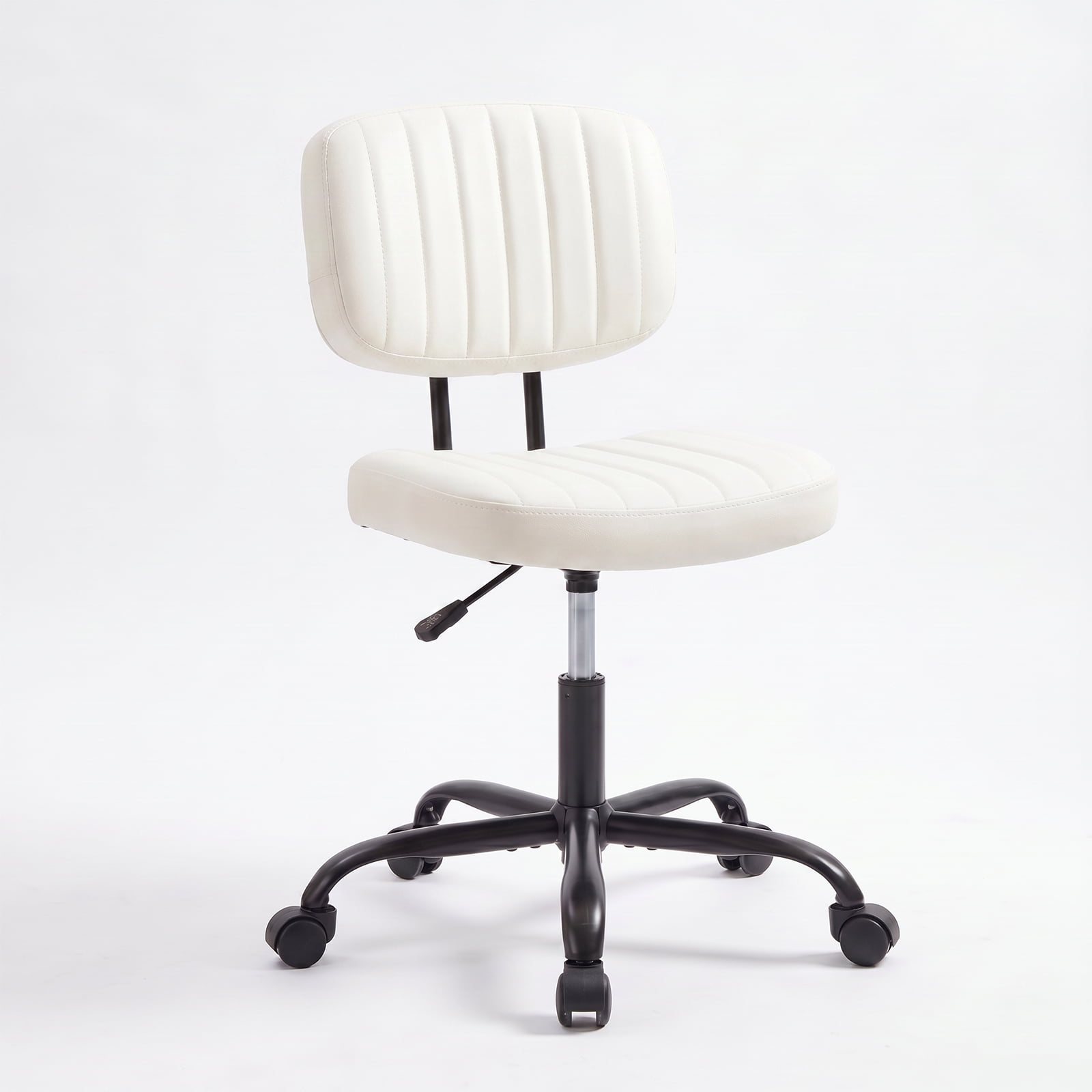
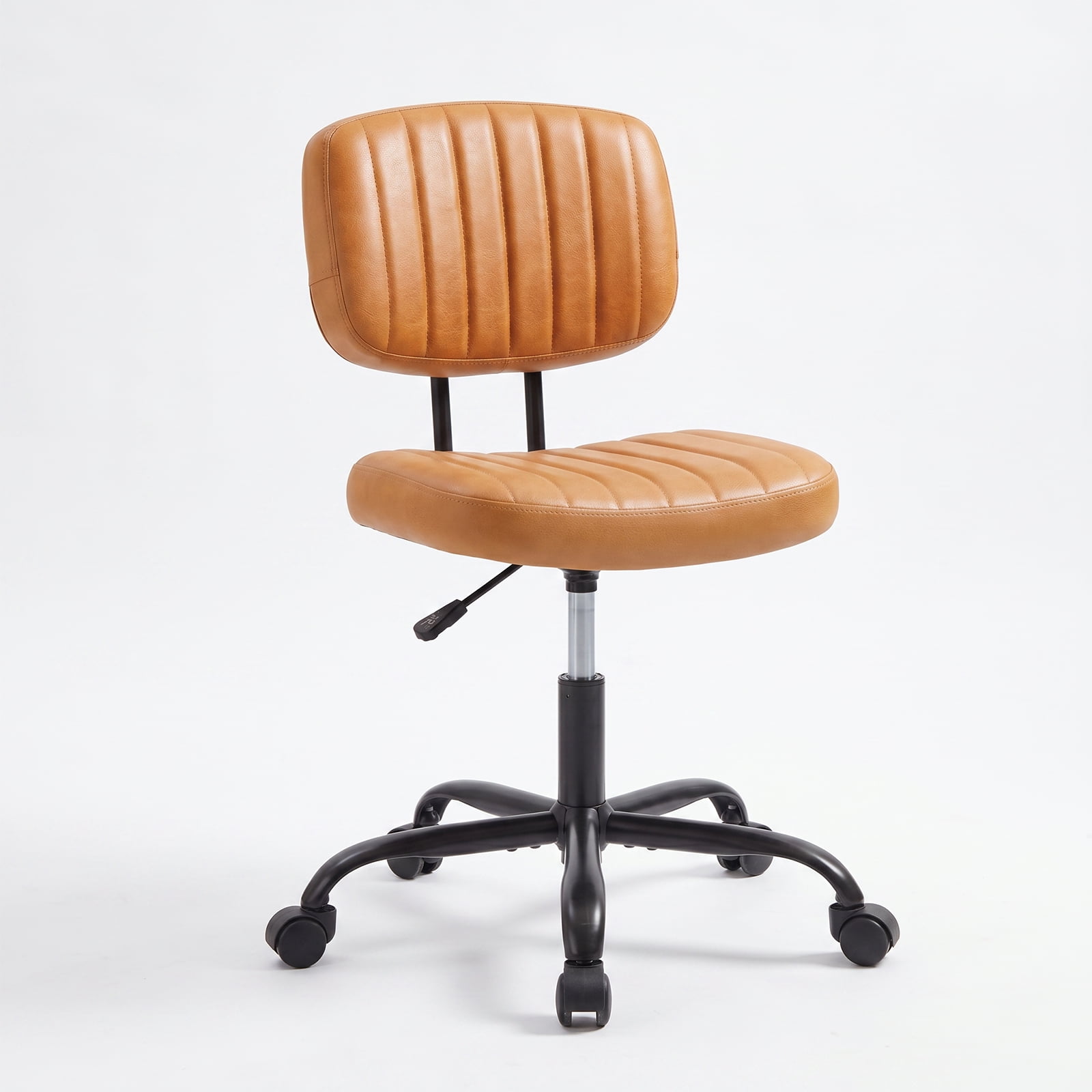
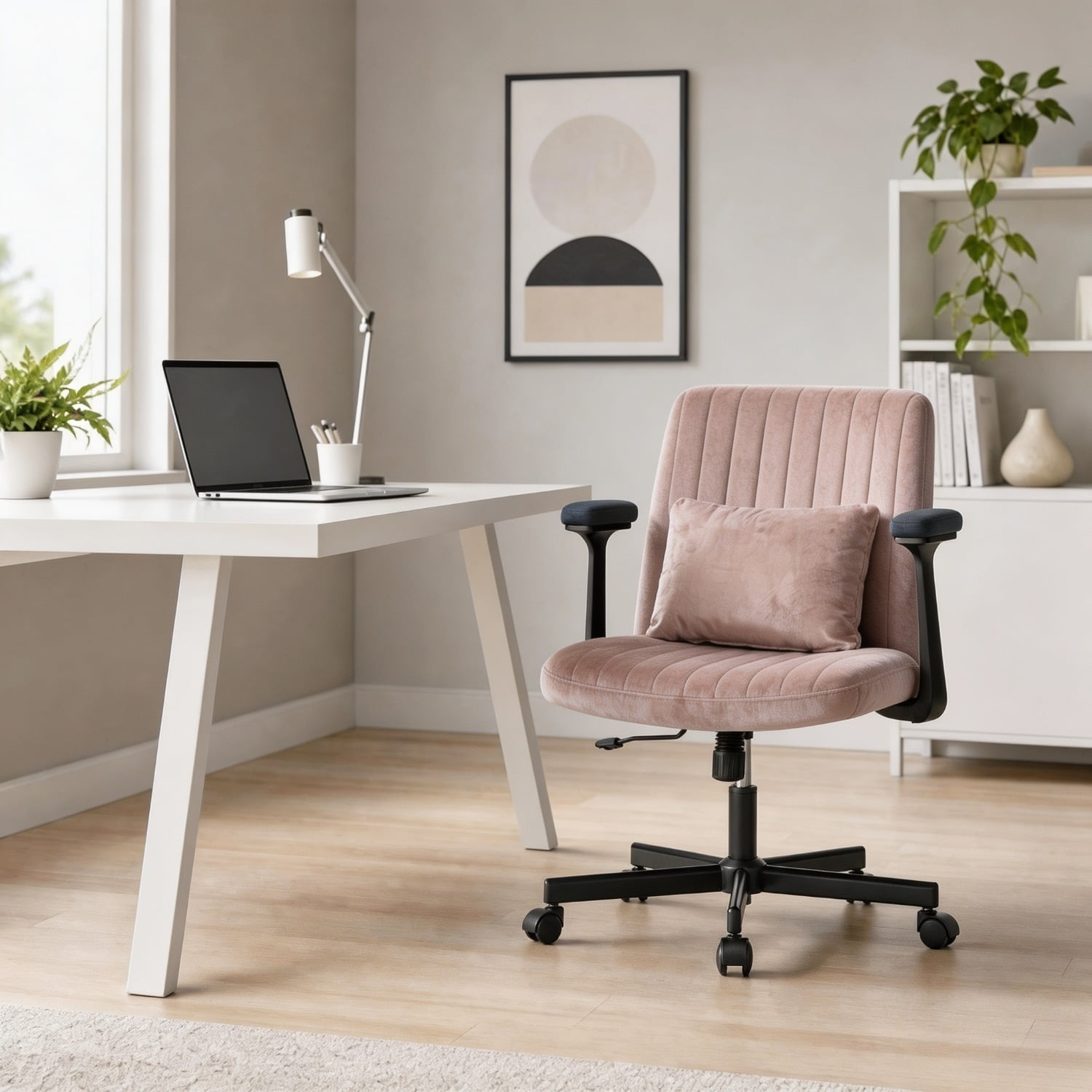
Why Choose a Rolling Office Chair Without Arms?
Imagine your office chair not as a stationary throne, but as a dynamic tool that moves with you. That's the philosophy behind the rolling office chair without arms. These chairs strip away the restrictions of armrests, giving you unparalleled freedom to glide, twist, and reposition throughout your workday.
Workplace Insight: According to a study by the American Journal of Preventive Medicine, workers who use mobile seating (chairs with casters and without restricting armrests) change positions 34% more frequently than those in traditional fixed-posture chairs. This micro-movement burns up to 100 extra calories daily and reduces joint stiffness by nearly 40%.
The Unique Advantage: Mobility + Flexibility
A rolling chair without arms isn't just a chair—it's a mobility solution. Here's what makes these chairs different from standard office seating:
🔄 360° Freedom
No armrests mean you can swivel fully and reach side tables, filing cabinets, or secondary monitors without twisting your torso awkwardly. Perfect for multi-screen setups or L-shaped desks.
⬅️➡️ Side-Sitting Friendly
Armless design accommodates cross-legged sitting, side-saddle positions, or perching on the edge—positions many creative workers and developers naturally adopt during deep-focus sessions.
📦 Space-Saving Genius
Without protruding armrests, these chairs slide completely under most desks when not in use. In small apartments or compact home offices, this reclaims valuable floor space.
Who Needs an Armless Rolling Chair?
Key Features Comparison: Rolling Chairs Without Arms
| Feature | Why It Matters for Armless Chairs | What to Look For |
|---|---|---|
| Caster Quality | Without armrests to stabilize you, smooth rolling is essential. Jerky movements can throw you off balance. | Dual-wheel casters, soft rubber for hard floors, locking casters option |
| Seat Edge Design | Armless chairs rely on seat contouring for support. A poor edge can cut off circulation. | Waterfall front edge, contoured seat basin, high-density foam |
| Backrest Height | Since arms don't assist in posture, back support becomes critical for spinal alignment. | Mid-back (thoracic support) or high-back (includes headrest) |
| Base Stability | Armless chairs tip more easily if base is narrow or lightweight. | Five-point reinforced base, 350+ lb rated, wide footprint |
| Adjustability | Without arm adjustments, other adjustments become more important. | Seat height, tilt tension, tilt lock, lumbar depth |
Pros and Cons: Rolling Office Chair Without Arms
✅ Advantages
- Unrestricted movement: Reach any area of your workspace without effort
- Better for broad shoulders: No armrests to pinch or restrict larger frames
- Encourages posture variety: Shift positions naturally throughout the day
- Slides under any desk: Fits tight spaces where armrests would hit desk underside
- Often lighter weight: Easier to move around the room when needed
- Typically more affordable: Fewer components = lower cost (generally)
❌ Limitations
- No arm support during breaks: Can't rest arms when leaning back
- Less stable for some users: May feel less secure without armrest "guard rails"
- Not ideal for long static sitting: Requires more core engagement
- Limited recline comfort: Without arms, reclining feels less supported
- May not suit all body types: Taller users might miss arm support
Ergonomics of Armless Seating: What the Research Says
The absence of armrests in a rolling chair isn't an ergonomic compromise—it's a different ergonomic philosophy. Here's what you should know:
- Shoulder health: Without armrests, your shoulders remain in a neutral, relaxed position. According to Cornell University ergonomics researchers, fixed armrests that are too high or low cause more shoulder issues than no armrests at all.
- Typing posture: Armless chairs force your elbows to stay at a natural 90-110 degree angle, which is actually optimal for keyboard work. Armrests often encourage "perching" where elbows are elevated.
- Core engagement: A 2019 study in the Journal of Physical Therapy Science found that workers in armless chairs showed 15% greater core muscle activation, which can strengthen back muscles over time.
- The "active sitting" principle: Rolling armless chairs are classified as "active seating" because they require subtle micro-adjustments, which prevent the muscular stagnation of fixed posture chairs.
How to Choose the Perfect Rolling Armless Chair
Use this 5-step decision framework to find your ideal match:
- Assess your floor type: Hardwood? Carpet? Tile? This determines caster choice. Many chairs offer caster upgrade options at purchase.
- Measure your desk clearance: Since you'll roll under the desk, ensure seat height range matches your desk underside clearance (typically 26-30 inches from floor to desk bottom).
- Consider your work style: Do you sit still for hours? Or move constantly? Static sitters need more lumbar support; movers prioritize caster smoothness.
- Test weight distribution: Sit in similar chairs if possible. Without armrests, your weight rests entirely on the seat pan and backrest. Ensure foam density feels supportive.
- Look beyond the arms: Since you're sacrificing armrests, demand excellence in other areas: adjustable lumbar, seat depth, and tilt mechanism become non-negotiable.
Maintenance Tips for Rolling Armless Chairs
Keep your armless rolling chair in top condition with these simple practices:
- Caster cleaning: Hair and lint wrap around caster axles, causing jerky movement. Clean monthly with a screwdriver to remove debris.
- Gas lift care: Armless chairs see more "seat edge" pressure when users slide forward. Avoid sitting on the front edge to prevent gas lift strain.
- Seat foam rotation: If possible, occasionally shift your sitting position to different seat areas to prevent uneven foam compression.
- Base check: Monthly, ensure all five casters spin freely and the base shows no cracks (especially important without armrests for stability).
Popular Use Cases: Real-World Applications
Let's explore how different professionals benefit from the rolling office chair without arms:
🎬 Video Editors & Content Creators
"I need to reach my editing keyboard, then twist to my second monitor, then roll back to review footage on the main screen. Armrests just got in the way. My armless chair lets me flow between workstations without thinking about it." — Marcus, video editor
🏥 Medical & Dental Offices
Rolling armless chairs are standard in clinical settings. Hygienists and technicians need to move between patient, tray table, and computer. Armrests would restrict this triangular workflow and make side-sitting impossible.
🎓 University Libraries & Study Spaces
Public seating areas increasingly choose armless rolling chairs. Students move them between tables, group study pods, and individual carrels. The lack of arms makes chairs stackable and space-efficient for storage.
🏠 The "Convertible" Home Office
Many home offices double as guest rooms or craft spaces. An armless rolling chair tucks completely under the desk, transforming the room back to its secondary use in seconds—no armrests to bump into.
Rolling Mechanism Deep Dive: Casters Matter Most
In an armless chair, the casters are your best friend. Here's what you need to know:
| Caster Type | Best Floor Surface | Pros | Cons |
|---|---|---|---|
| Hard nylon/plastic | Low-pile carpet | Durable, inexpensive, roll easily on carpet | Scratch hard floors, noisy on tile |
| Soft rubber/polyurethane | Hardwood, laminate, tile | Floor protection, quiet, smooth glide | Can drag on thick carpet, slightly more expensive |
| Dual-wheel casters | All surfaces | Stability, weight distribution, smooth movement | Slightly heavier, can collect debris |
| Locking casters | Sloped floors, medical use | Chair stays put when desired, safety | More complex mechanism, can fail over time |
Frequently Asked Questions About Rolling Office Chairs Without Arms
Conclusion: Is an Armless Rolling Chair Right for You?
The rolling office chair without arms isn't a compromise—it's a specialized tool for specific work styles. If you value mobility, have space constraints, or prefer an open, unrestricted sitting experience, these chairs can transform your workflow.
Final Recommendation
Choose an armless rolling chair if: You move frequently in your workspace, have limited space, prefer sitting in varied positions, or want to encourage active sitting.
Consider armrests if: You sit statically for 8+ hours, need arm support for reading/phone work, or feel unstable without "guard rails."
Remember: The best chair is the one that fits YOUR body and YOUR work style. Use the information above to make an informed choice that will keep you comfortable, productive, and moving freely for years to come.