
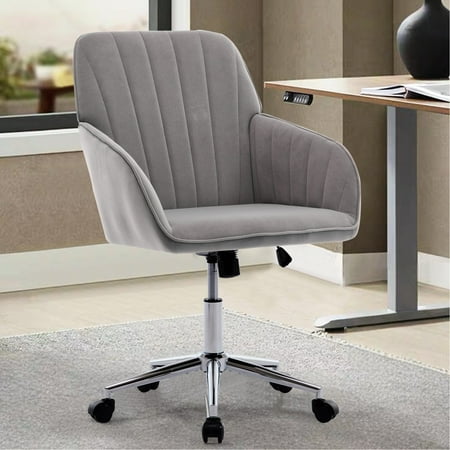
Why Your Spine Demands More Than a Standard Office Chair
Your spine is the architectural backbone of your body, quite literally. When you sit in a non-ergonomic chair for 8+ hours daily, the lumbar spine loses its natural lordotic curve, leading to disc dehydration, muscle imbalances, and chronic pain. Research from the National Institutes of Health indicates that prolonged sitting without proper support increases intradiscal pressure by up to 40%, accelerating degenerative changes. A dedicated office chair for spine support acts as a proactive health tool—not just furniture.
Ergonomic Insight: According to a 2023 study published in the Journal of Physical Therapy Science, workers using chairs with dynamic lumbar support reported a 58% reduction in low back pain intensity and improved productivity equivalent to 1.4 extra hours per day. Investing in spine-supportive seating pays dividends in health and performance.
Key Ergonomic Features That Protect Your Spinal Column
Not all ergonomic chairs are created equal. To genuinely support your spine from the sacrum to the cervical region, look for these essential mechanisms:
1. Dynamic Lumbar Support
Unlike fixed pads, advanced chairs offer adjustable lumbar depth and height (often 2-4 inches of movement). This allows the support to align precisely with the apex of your lumbar curve, preventing "gap" or excessive pressure.
2. Seat Depth Adjustability
A sliding seat pan ensures that you sit with your back against the backrest while leaving space behind your knees. This maintains proper hip angle and prevents the pelvis from rotating posteriorly—a common cause of slouching.
3. Recline Tension & Synchronized Tilt
Chairs that allow the backrest to recline independently or with the seat pan (synchronized mechanism) enable you to shift weight, reducing static load on spinal discs. A slight recline of 100-110 degrees is proven to minimize intradiscal pressure.
4. Height- & Width-Adjustable Armrests (4D)
Proper armrests relieve shoulder tension and prevent hunching. They should support your elbows at 90 degrees, keeping the upper spine aligned and reducing compensatory stress on the lower back.
5. Waterfall Seat Edge
A curved front edge reduces pressure on the popliteal vessels and nerves, enhancing circulation and promoting a more active sitting posture that engages core stabilizers—essential for long-term spinal health.
6. Headrest with Cervical Support
For those prone to forward head posture (tech neck), an adjustable headrest maintains the cervical curve, reducing strain on the upper thoracic and cervical spine, especially during reclined tasks.
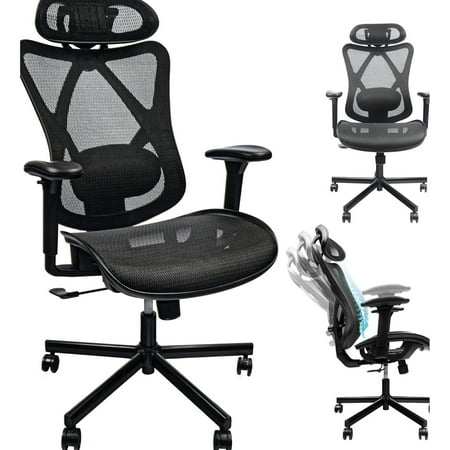
The Anatomy of a Spine-Supportive Chair: A Visual Breakdown
- Lumbar Mechanism: Should be independently adjustable in both depth (10-20mm) and height (4-6 inches range).
- Backrest Height: High-back designs (minimum 22 inches from seat) support the entire thoracic spine, preventing mid-back fatigue.
- Seat Foam Density: High-resilience foam (2.5-3.5 lb density) maintains shape and offers consistent support without bottoming out.
- Base Stability: A 5-star aluminum base with smooth-rolling casters ensures stable movement without jarring, reducing sudden impact on the spine.
- Breathable Material: Mesh backrests allow air circulation and adapt to movement, preventing heat buildup that can cause fidgeting and postural deviation.
✅ Quick Spinal Health Checklist for Your Next Chair
Use this checklist when evaluating an office chair for spine support:
- ☑️ Lumbar support adjusts both in/out and up/down.
- ☑️ Seat depth slides forward/backward by at least 2 inches.
- ☑️ Chair tilt mechanism locks at multiple angles (including a slight recline).
- ☑️ Armrests can adjust height and width (4D preferred).
- ☑️ Backrest height is at least shoulder-level or includes an adjustable headrest.
- ☑️ Weight capacity minimum 300 lbs for robust construction.
- ☑️ Warranty covers at least 5 years for moving parts.
How Seating Posture Directly Influences Spinal Disc Health
Your intervertebral discs act as shock absorbers, but they rely on movement for nutrient exchange. When you maintain a rigid, unsupported posture, discs experience uneven loading. A quality office chair for spine support encourages micro-movements—subtle shifts that promote disc hydration and reduce the risk of herniation. Here's how different chair features impact disc pressure:
Neutral Pelvis Positioning
Seat depth and tilt adjustability ensure your pelvis remains in a neutral (not posteriorly tilted) position, reducing stress on L4-L5 and L5-S1 discs by up to 30% compared to standard chairs.
Active Sitting Technology
Some advanced chairs incorporate a flexible back frame or seat that moves with you, engaging core muscles and preventing the static loading that leads to disc compression and pain.
Reduction of Shear Forces
Proper lumbar support minimizes shear forces on the lumbar spine. Shear occurs when the upper body slumps forward, creating forward translation of the vertebrae—a primary contributor to disc degeneration.
Optimized Thoracic Extension
A high-back contour encourages thoracic extension, counteracting the kyphotic (rounded) posture common in desk work. This decompresses the cervical spine and reduces tension headaches.
Spine Support vs. General Comfort: Understanding the Difference
Many people confuse a "soft, cushy" seat with proper support. However, a chair that feels like a plush sofa often lacks the structural integrity to maintain spinal alignment. True spine support involves firm yet adaptive surfaces that follow your body's curves without collapsing. Studies from the Human Factors and Ergonomics Society indicate that medium-firm seats with adjustable support components lead to 42% less reported back pain than overly soft seating. Therefore, when searching for the ideal office chair for spine support, prioritize adjustability over initial plushness.
Common Mistakes That Undermine Spinal Health While Sitting
- Using a Fixed Lumbar Pad: Static pads often miss the curve entirely or create excessive pressure. Always opt for adjustable lumbar.
- Sitting with Wallet in Back Pocket: This causes pelvic tilt and sciatic nerve compression, exacerbating spinal misalignment.
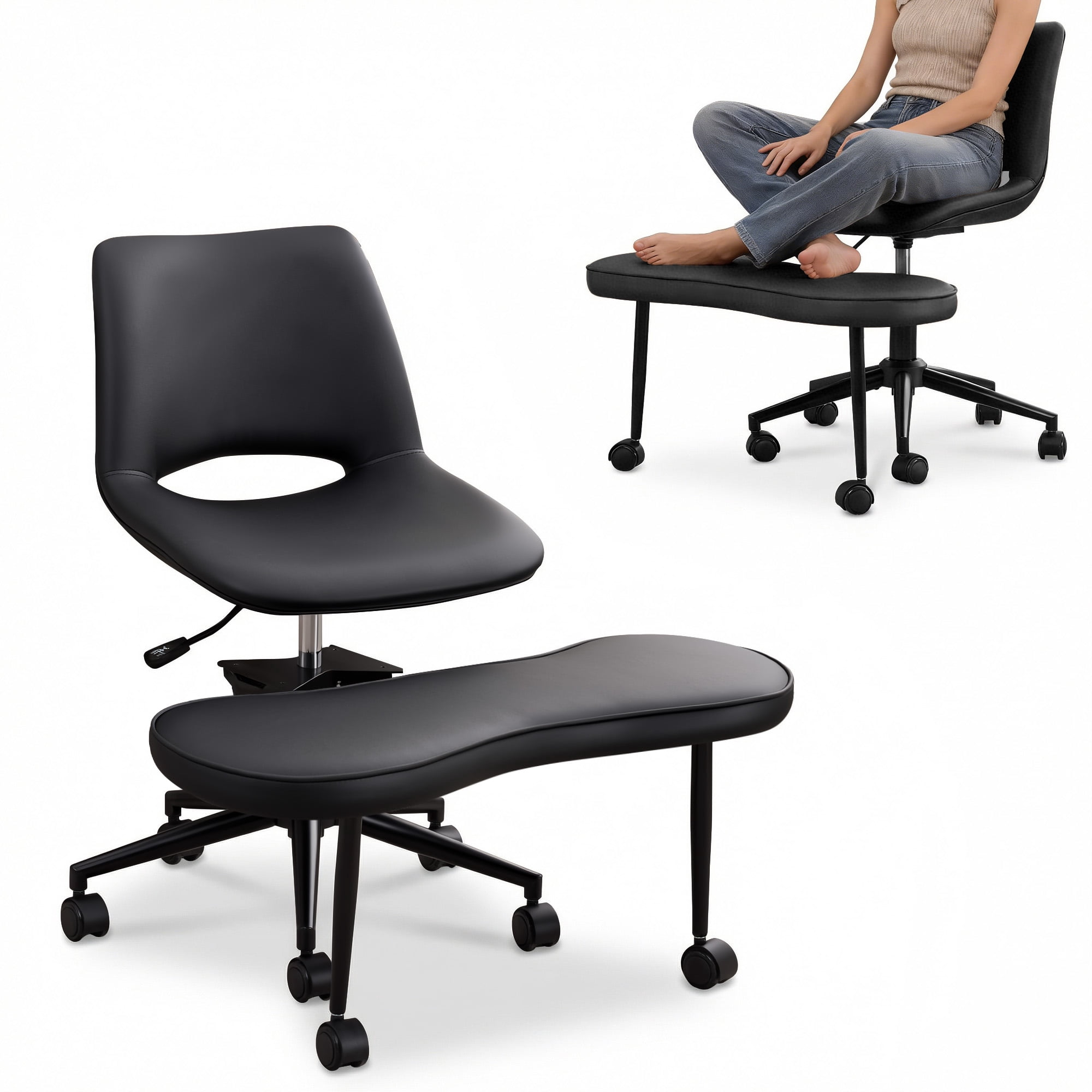
- Crossing Legs: Creates hip asymmetry, twisting the sacroiliac joint and stressing the lumbar spine over time.
- Armrests Too High: Forces shoulder elevation and neck tension, pulling the upper spine out of alignment.
- Not Using Recline Mechanism: Remaining locked at 90 degrees increases disc pressure; using a slight recline distributes load more evenly.