
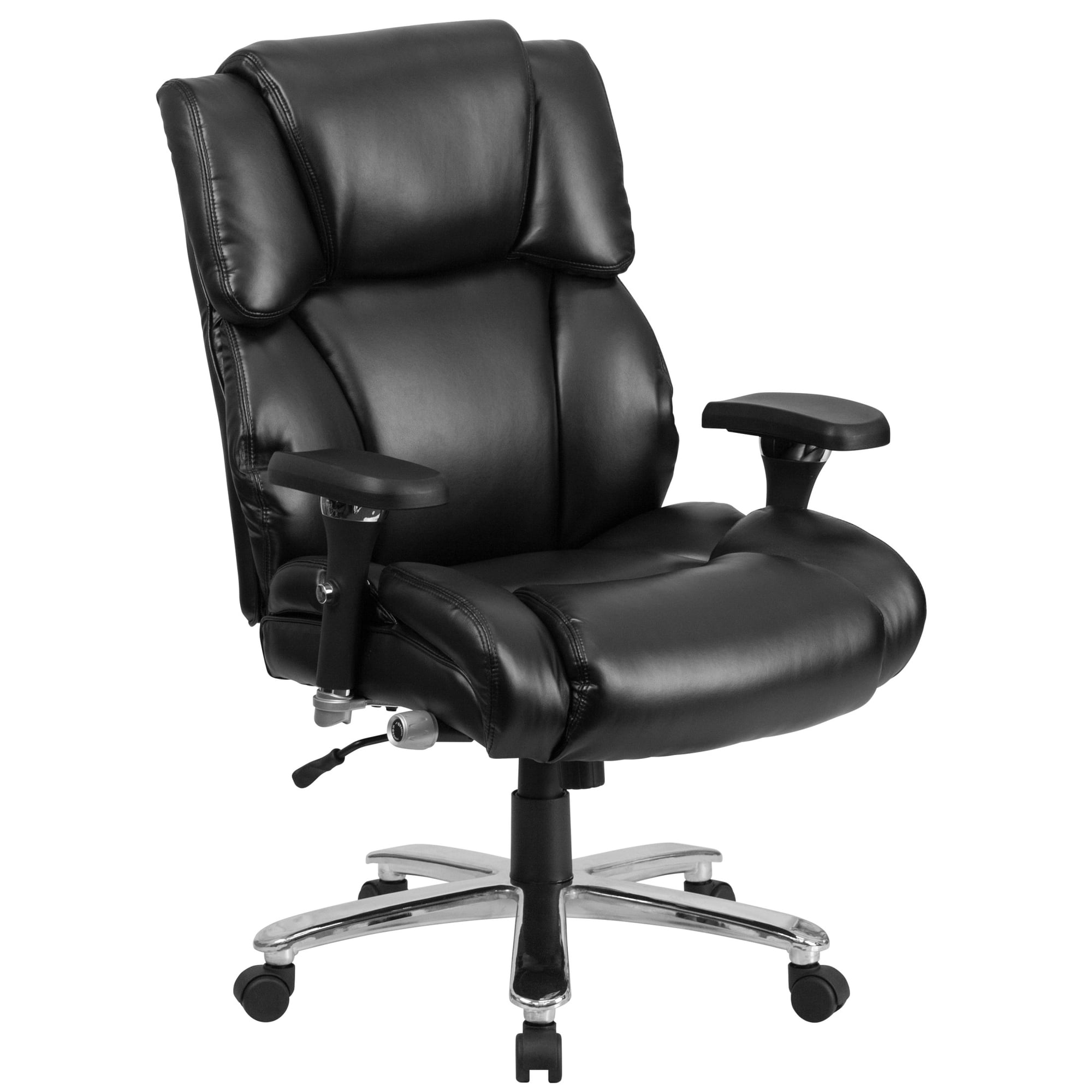
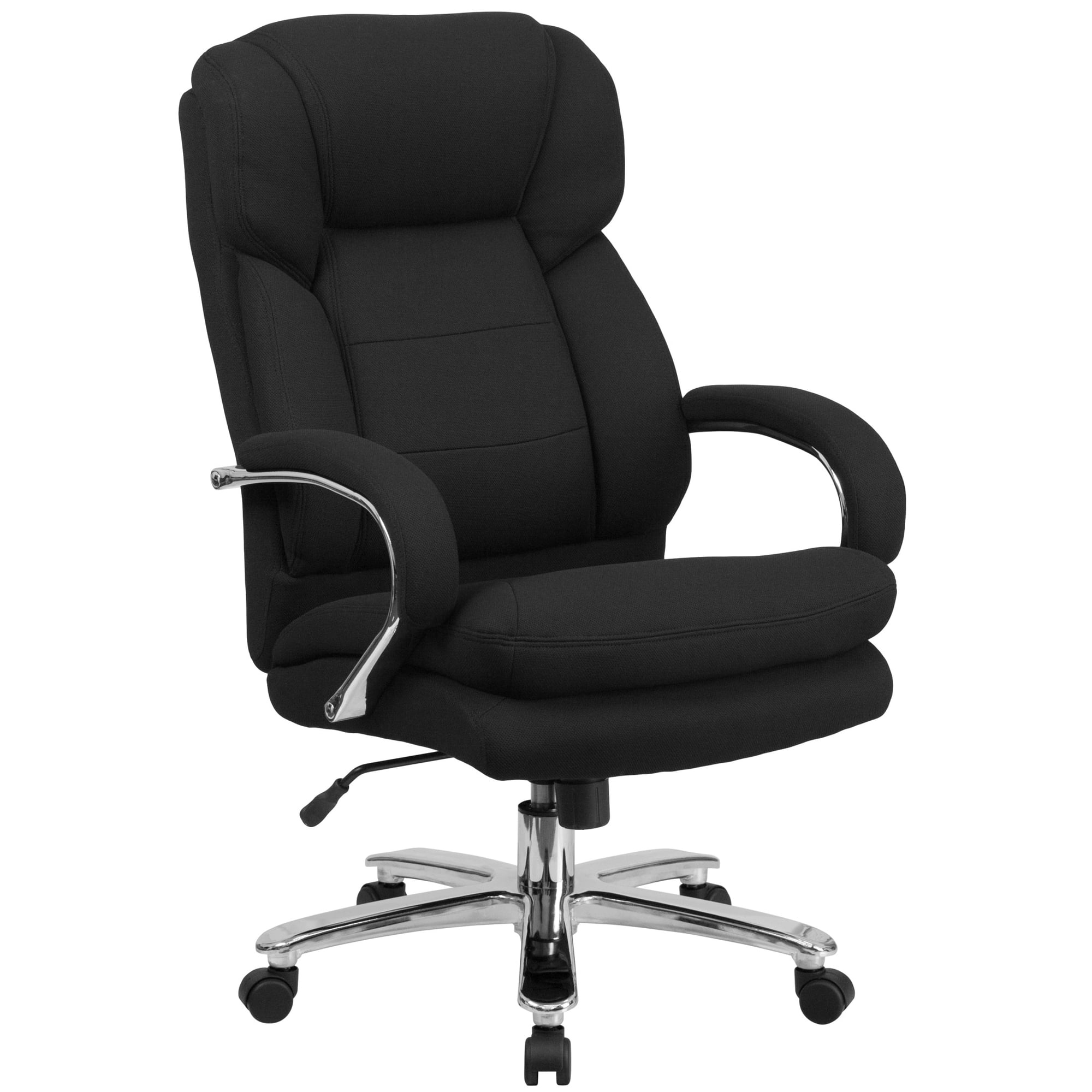
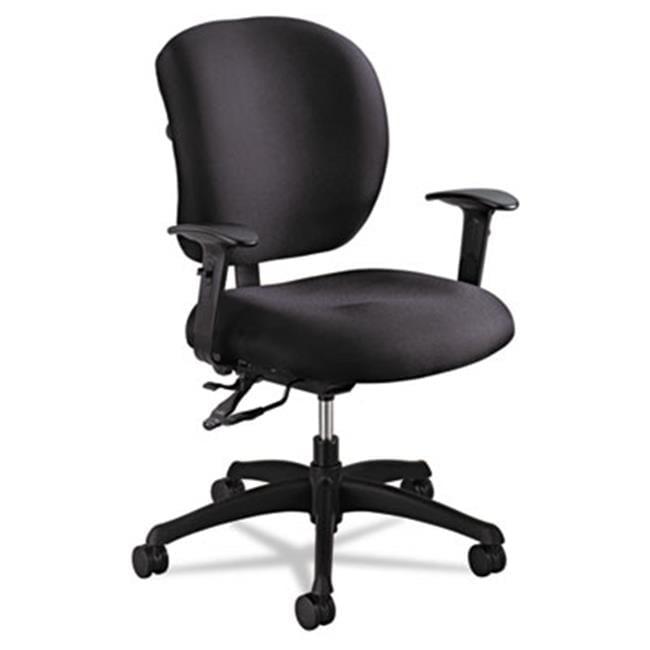
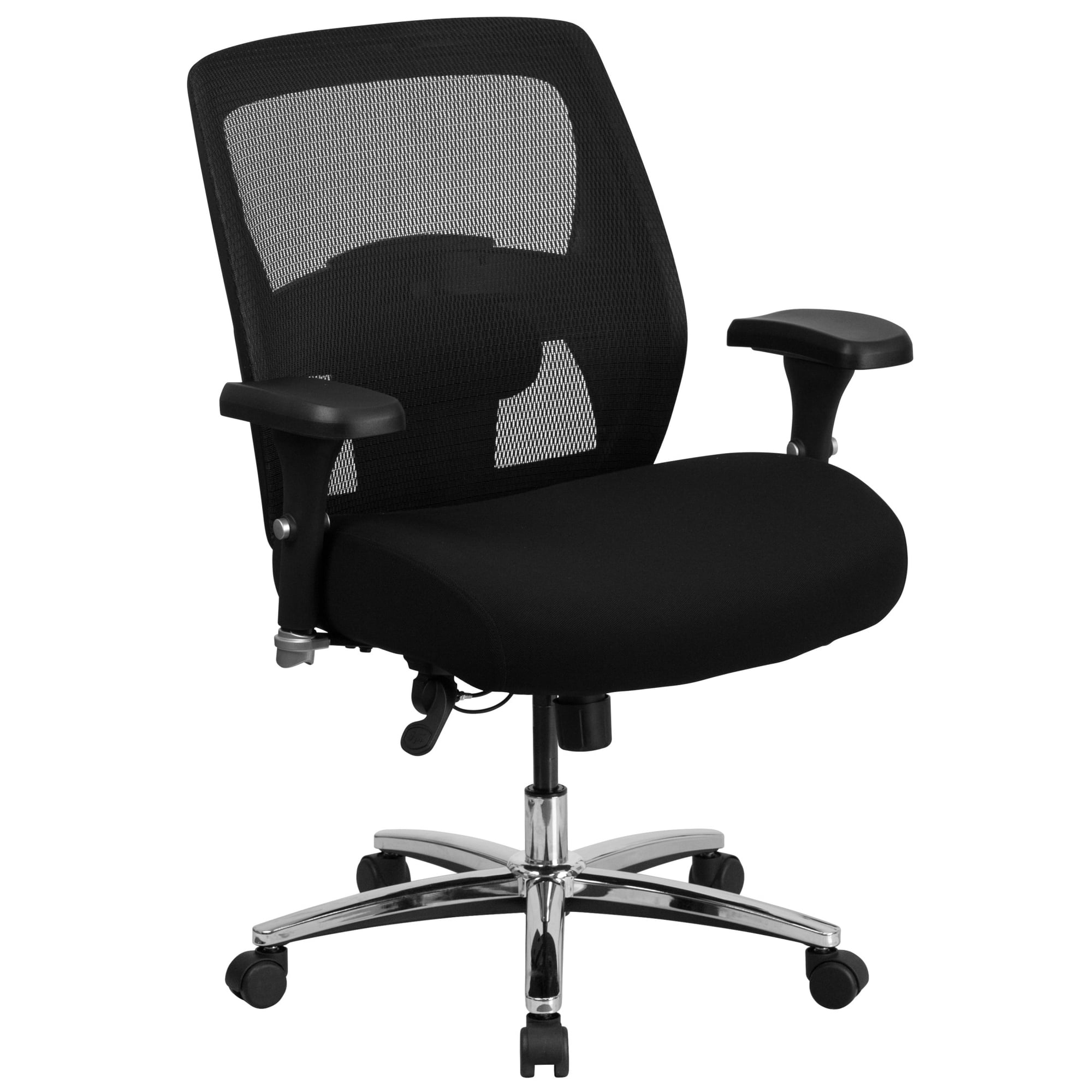
Why Invest in an Intensive Use Office Chair?
For professionals who spend the majority of their day seated—whether in a busy control room, a high-volume call center, or a demanding home office—an intensive use office chair is not a luxury; it is a necessity. Unlike standard task chairs, these chairs are engineered to withstand 8, 12, or even 24 hours of continuous use without compromising on comfort or structural integrity. They represent the pinnacle of office seating engineering, designed to reduce fatigue and promote productivity in the most rigorous environments.
Industry Data: According to the Human Factors and Ergonomics Society, intensive use chairs that meet BIFMA X5.1 standards reduce employee turnover in high-sitting roles by up to 18% and lower reported musculoskeletal disorders by 55%. Investing in a high-cycle chair is investing in long-term workforce health.
Defining Features of High-Duty Cycle Seating
What separates an intensive use chair from a standard office chair? It all comes down to components rated for longevity. Here are the critical elements to look for:
- Class 4 Gas Lift: The pneumatic cylinder is the heart of the chair. Intensive chairs use a Class 4 or higher gas lift rated for 200,000+ cycles, ensuring the height mechanism remains stable for years.
- Heavy-Duty 5-Star Base: Typically constructed from reinforced steel or aluminum, these bases prevent tipping and offer superior stability, often supporting up to 400+ pounds.
- High-Density Molded Foam: Unlike soft foams that flatten quickly, intensive chairs use molded foam that retains its shape and support after millions of compression cycles.
- Commercial-Grade Mechanisms: The tilt mechanism, seat slider, and armrest adjustments are reinforced with thicker gauge steel to resist wear from constant adjustments.
- BIFMA Certification: Look for this hallmark. BIFMA tests simulate years of abuse, including 100,000 cycles of back recline and 200,000 cycles of seat height adjustment.
Choosing the Right Intensive Use Chair: A Feature-Based Approach
When selecting a chair that will endure daily punishment, consider these technical specifications as your buying guide.
| Component | Intensive Use Requirement | Why It Matters |
|---|---|---|
| Duty Cycle Rating | 8+ hours / 24/7 | Ensures mechanisms and upholstery withstand constant use without premature failure. |
| Gas Lift Class | Class 4 or 5 (TÜV certified) | Provides safe height adjustment and prevents sudden drops; essential for safety. |
| Base Material | Steel or Aluminum | Resists cracking and bending under heavy loads, ensuring stability. |
| Warranty | 10+ years (frame & mechanism) | Long warranties indicate manufacturer confidence in durability. |
| Caster Type | Heavy-duty dual-wheel | Designed for high-traffic rolling; resists debris buildup and floor damage. |
Ergonomics for Extended Sitting Sessions
Durability is crucial, but ergonomics are what keep you healthy. Intensive use chairs must provide superior support to counteract the effects of prolonged sitting. Here are the ergonomic features that matter most:
Dynamic Lumbar Support
Adjustable lumbar that moves with you, preventing lower back fatigue and promoting natural spinal alignment during long shifts.
Waterfall Seat Edge
Reduces pressure behind the knees, enhancing circulation and preventing leg numbness during 8+ hour sitting periods.
4D Adjustable Armrests
Allows height, width, depth, and pivot adjustments to support shoulders and reduce tension in the neck and upper back.
Seat Depth Adjustment
Ensures proper thigh support regardless of height, preventing the "cutting off" circulation that occurs with shallow seats.
Material Science: What Holds Up Under Pressure
In intensive use environments, material selection dictates lifespan. Here’s a quick comparison of materials suitable for heavy-duty applications.
✅ Commercial-Grade Mesh
Highly breathable, resistant to sagging, and easy to clean. Ideal for hot environments and 24/7 rotation shifts. Look for reinforced edges to prevent fraying.
✅ High-Density Fabric
Wool-blend or polyester fabrics with high Martindale rub counts (over 50,000) offer excellent wear resistance and a professional appearance.
⚠️ Avoid Bonded Leather
While aesthetically pleasing, bonded leather peels and cracks under intensive use. If leather is required, opt for full-grain or heavy-duty vinyl.
The 24/7 Chair Investment: Long-Term Value
While the initial price tag for a commercial-intensive chair may be higher than a consumer-grade model, the cost-per-use ratio is significantly lower. A $300 standard chair may need replacement every 2-3 years, whereas a $900 intensive use chair often lasts 10-15 years, providing superior comfort and eliminating replacement cycles. For businesses, this reduces procurement costs and downtime associated with broken furniture.
Pro Tip: For shared workstations (hot-desking) or environments where multiple users adjust settings daily, intensive use chairs with robust adjustment mechanisms are essential. Frequent adjustments accelerate wear, making commercial-grade hardware a must.