
Why Your Next Office Chair Should Offer Full Back Support
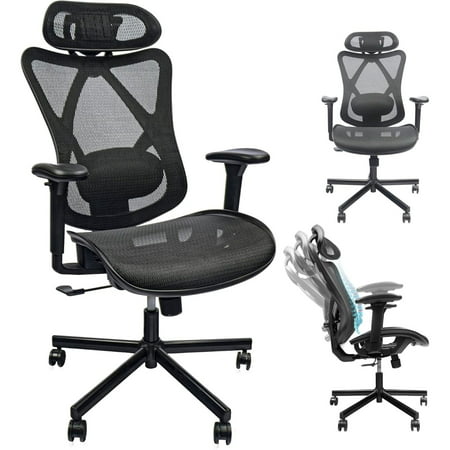
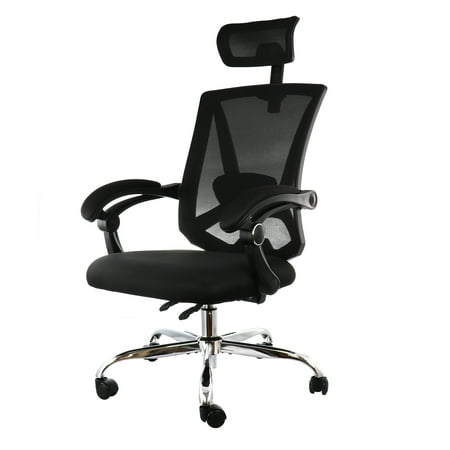
Imagine sitting in a chair that cradles your entire spine, from the base of your pelvis to the top of your shoulders—and even supports your head when you lean back. That's the promise of a full back office chair. Unlike standard task chairs that cut off at mid-back, these chairs are designed for people who spend hours at their desk and refuse to compromise on spinal health. In fact, ergonomists suggest that a full back (high-back) chair can reduce upper back and neck strain by up to 30% compared to low-back alternatives, simply by providing a continuous surface for your back to rest against.
But a full back chair isn't just about height; it's about intelligent design. The best models incorporate a headrest that moves with you, lumbar support that adjusts both in height and depth, and a backrest that may recline independently of the seat. Think of it as the difference between a sedan and a luxury SUV—both get you there, but one offers a commanding view and superior support for the long haul. In this guide, we'll explore the nuances of full back office chairs, helping you choose the perfect throne for your workspace.
The Anatomy of a True Full Back Office Chair: What to Look For
Not all high-back chairs are created equal. To get the most out of your investment, you need to understand the key components that define a quality full back chair. Below, we break down the anatomy into critical parts, using a blend of technical insight and practical advice.
1. Backrest Height and Contour: Beyond Just "Tall"
A genuine full back chair should reach at least the shoulders of a 5'10" user, and ideally include a headrest that can be adjusted vertically. But height alone isn't enough—the backrest must have a contour that mirrors the spine's natural S-shape. Look for:
- Built-in lumbar prominence: A curve that fits the small of your back, preventing slouching.
- Thoracic support: The area between your shoulder blades should feel gently cradled, not pushed forward.
- Headrest adjustability: 4-way headrests (up/down, tilt/angle) are gold standards; they let you align the rest with the curve of your neck.
Pro Tip: When testing a chair, sit upright and have a friend check if the top of the backrest reaches at least the top of your shoulder blades. For headrests, ensure it supports the natural curve of your neck, not the back of your head, to avoid pushing your head forward.
2. Material and Breathability: The Skin Contact Factor
Full back chairs involve more surface area touching your body. Material choice becomes crucial for comfort, especially during long hours.
- Premium Mesh: Ideal for those who tend to get warm. Modern mesh like 3D knitted or Pellicle offers variable tension—firmer in the lumbar, softer in the shoulders—promoting airflow while maintaining structure. It's like a high-performance athletic wear for your chair.
- Leather or PU: Conveys a classic executive look. However, full back leather chairs can trap heat. Look for "perforated leather" or chairs with leather on the front and mesh on the back to mitigate sweat.
- Hybrid designs: Many modern full back chairs combine a mesh back with a cushioned seat and lumbar pad. This offers breathability where you need it (back) and plush comfort where you sit (seat).
3. Recline Mechanism and Synchronized Movement
A full back chair should move with you. Static sitting is the enemy of a healthy spine. Here's what to examine:
- Multi-position lock: Can you lock the chair at any recline angle, or only in preset positions? Infinite lock is preferable.
- Tilt tension: Adjustable resistance lets you tailor how much force is needed to recline—essential for users of different weights.
- Synchronized recline: In high-end chairs, the backrest and seat tilt at a ratio (often 2:1 or 3:1). This keeps you in a natural posture and prevents your shirt from pulling out or your feet from losing floor contact.
4. Seat Depth and Adjustability: Foundation Matters
A full back chair is only as good as its seat. You need adequate thigh support without pressure behind the knees.
- Seat depth slider: Essential for tall or short users. You should have 2-4 fingers gap between the back of your knee and the seat edge.
- Waterfall edge: A gentle downward curve at the front of the seat promotes circulation to your legs.
- Foam density: High-resilience cold foam or multi-density foam retains shape and comfort for years. Avoid cheap foam that bottoms out after a few months.
Full Back vs. Mid-Back: A Data-Driven Comparison
Still wondering if you need that extra height? Consider this hypothetical data based on ergonomic principles:
| Feature | Mid-Back Chair | Full Back Chair (with headrest) |
|---|---|---|
| Spinal Coverage | Lumbar to mid-thoracic (usually up to shoulder blades) | Full spine including cervical (neck) support |
| Ideal for | Task work, typing, forward-leaning posture | Mixed tasks, leaning back, phone calls, video conferences |
| Neck strain risk (prolonged) | Moderate if user leans back often | Reduced due to headrest support |
| Typical user height preference | All heights, but tall users may find it short | Especially beneficial for 5'8" and above, but adjustable models suit shorter users too |
Practical Selection Guide: 4 Steps to Your Ideal Full Back Chair
Step 1: Measure Your Space and Body
- Measure your desk height: ensure the chair's armrests can go low enough to slide under.
- Measure your back length (seat to shoulder top): a full back chair should be at least 28-32 inches tall.
- Check room for recline: full back chairs often need more space behind when reclined.
Step 2: Prioritize Adjustability Points
List your non-negotiables. For most people, these are:
- Adjustable lumbar (height + depth)
- Adjustable headrest (height + angle)
- Seat depth adjustment
- 4D armrests (height, width, depth, pivot)
Step 3: Match Material to Environment
- Home office in a warm climate: breathable mesh or fabric back.
- Corporate executive office: leather or bonded leather for aesthetics.
- Shared workspace: easy-clean materials like PU or synthetic leather.
Step 4: Test the "Lean-Back" Factor
Spend at least 10 minutes in the chair, performing tasks you normally do. Lean back, look at a second screen, take a mock phone call. Does the headrest hit the right spot? Does the lumbar stay supportive? Trust your body's feedback.
Frequently Asked Questions About Full Back Office Chairs
Conclusion: Invest in Your Spinal Future
Choosing a full back office chair is a decision to prioritize your long-term well-being and daily comfort. It's not merely a larger piece of furniture; it's an ergonomic tool that supports your body's most critical structure—your spine. By understanding the nuances of backrest contour, material breathability, and adjustment mechanisms, you can select a chair that feels custom-made for you. Remember, the most expensive chair isn't always the best; the best chair is the one that fits your body, supports your work habits, and invites you to sit comfortably for years to come. Use this guide as your roadmap, and you'll find a full back chair that not only looks impressive but also keeps you healthy and productive.