
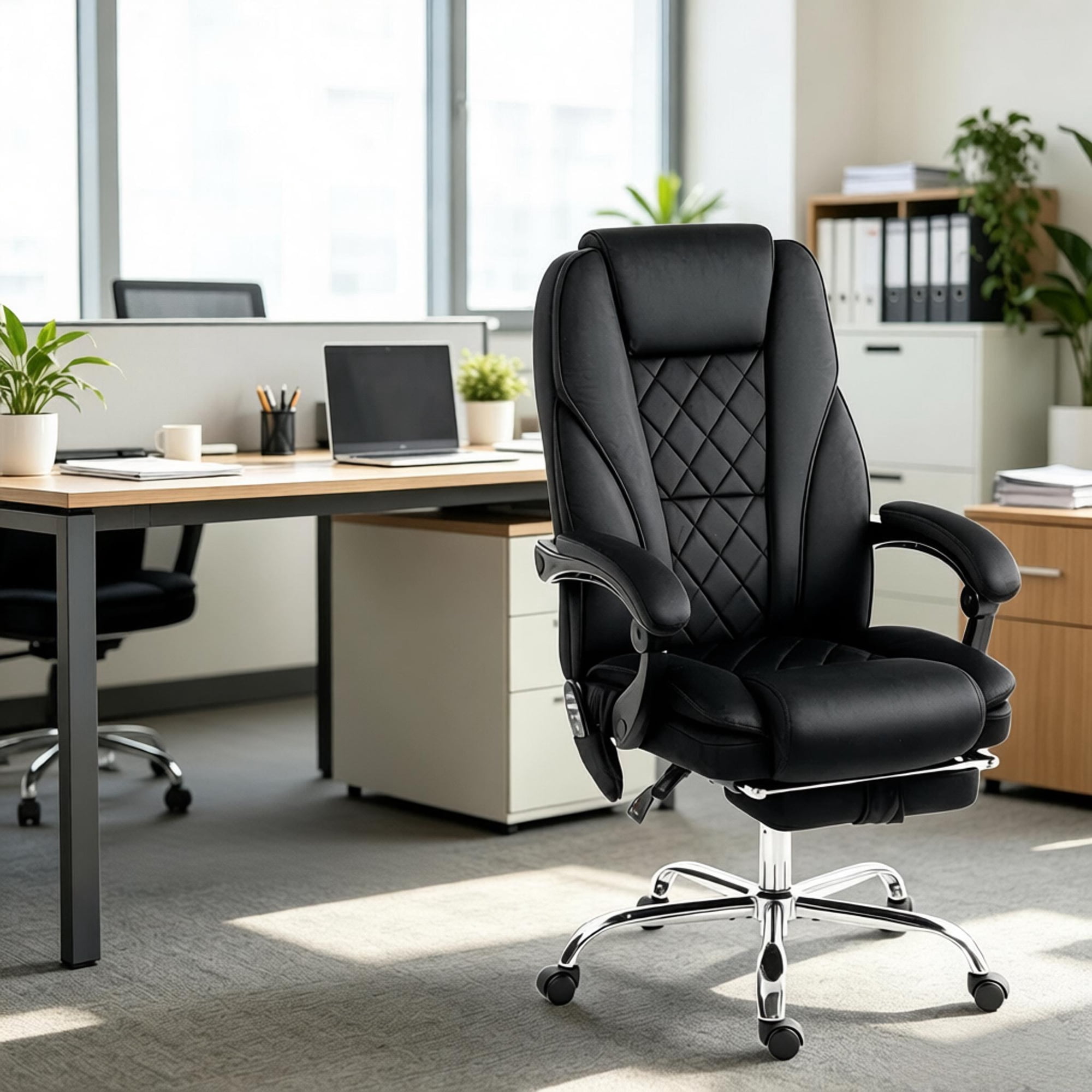
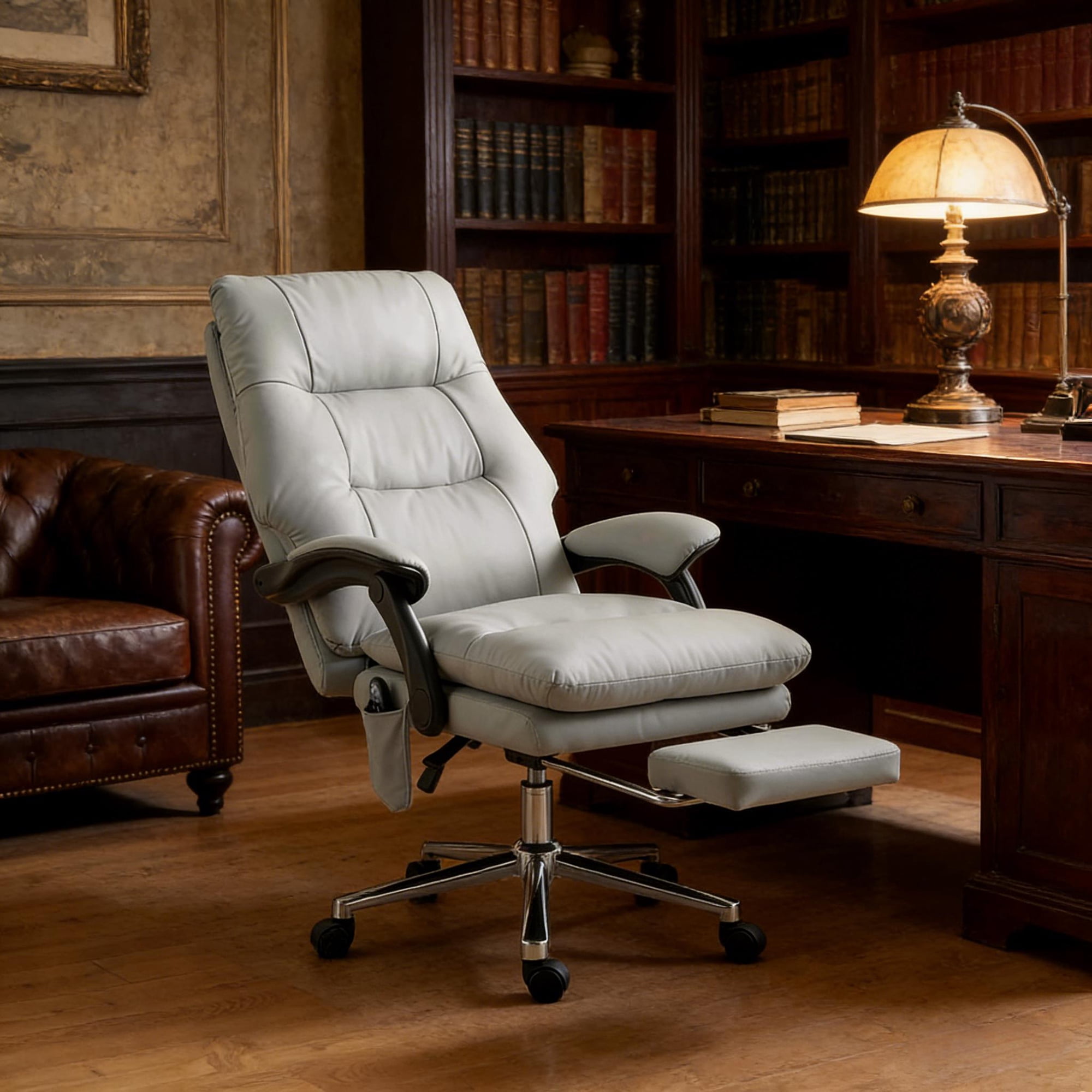
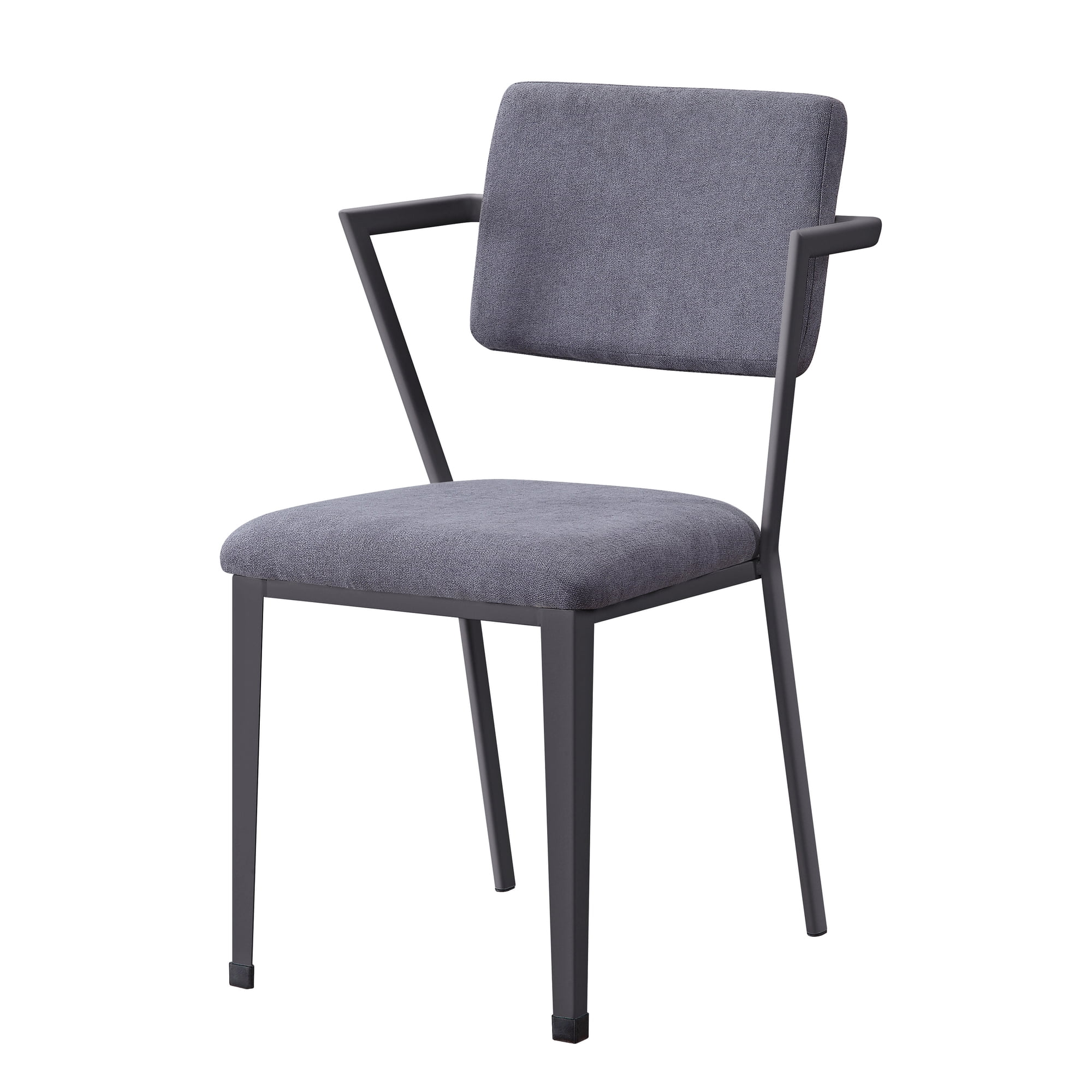
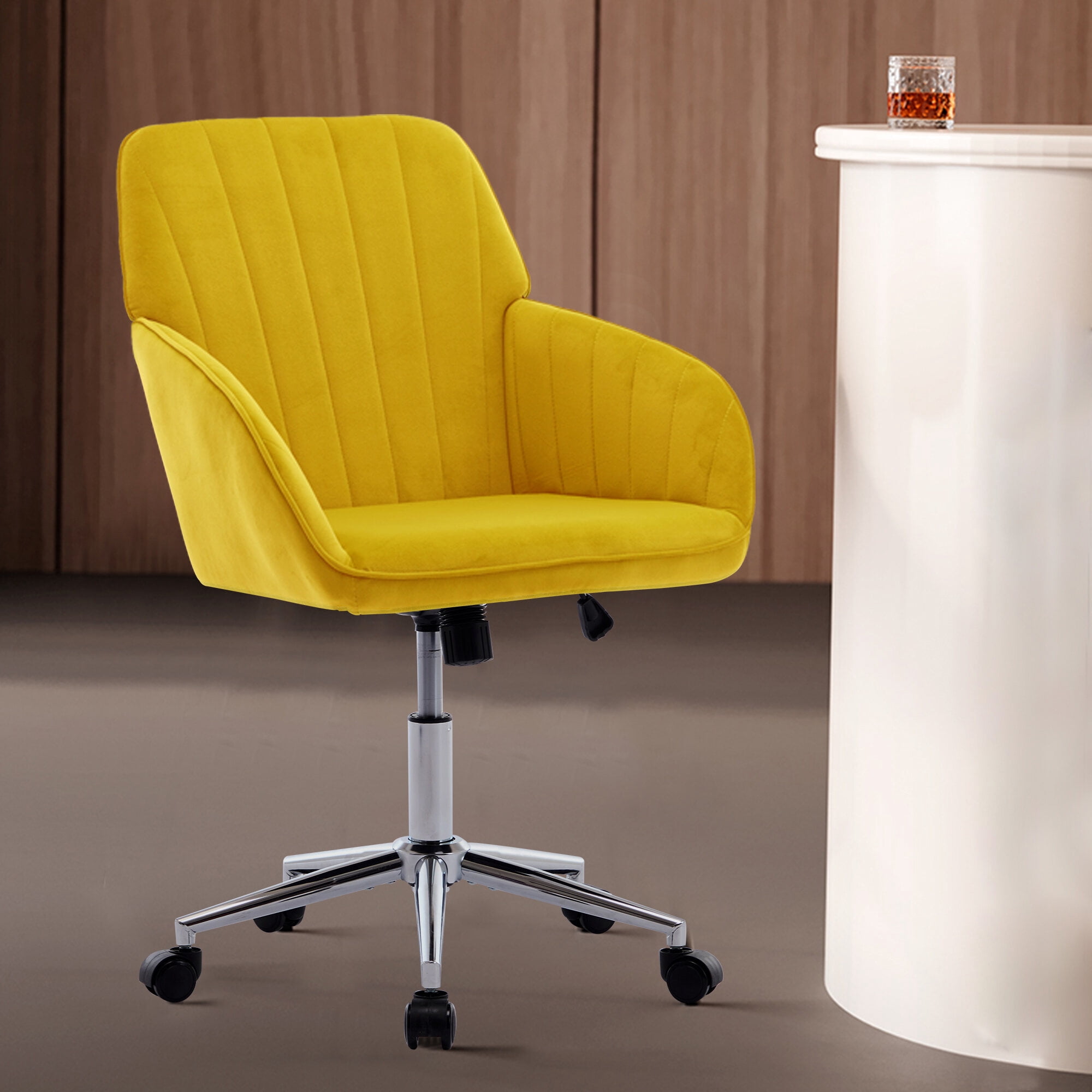
Understanding the GTP Office Chair: More Than Just a Seat
Imagine an office chair that adapts to you — not the other way around. That's the promise behind the GTP office chair category. Like a well-tailored suit, these chairs are designed to fit a wide range of body types while providing targeted support where you need it most. Whether you're crunching numbers, leading virtual meetings, or sketching creative ideas, the right chair can make the difference between ending your day energized or exhausted.
Did you know? According to a 2023 workplace comfort survey, 68% of remote workers reported less back fatigue after switching to an ergonomic chair with adjustable lumbar support — a core feature of most GTP models.
1. The Anatomy of a GTP Office Chair: Key Features Explained
GTP chairs are not a single brand but a class of seating that emphasizes "Good Technology & Performance." Let's break down the components that define them:
- Breathable Mesh Backrest: Unlike solid foam backs, GTP chairs often use a high-tensile mesh that flexes and promotes airflow. This keeps you cool during long stretches and provides dynamic support.
- Segmented Lumbar Support: Many GTP models feature an independent lumbar mechanism that can be adjusted in height and depth. Think of it as a firm hand pressing gently against the small of your back, encouraging a natural posture.
- Waterfall Seat Edge: The front of the seat curves downward slightly, reducing pressure on your thighs and improving blood circulation to your legs. This is crucial for those who sit for hours without frequent breaks.
- 4D Adjustable Armrests: Top-tier GTP chairs let you move armrests up/down, left/right, forward/backward, and even pivot them. This ensures your arms rest comfortably while typing, reducing shoulder strain.
- Synchronous Tilt Mechanism: When you recline, the seat and backrest move in a coordinated ratio (usually 2:1 or 3:1). This keeps you in a comfortable visual alignment with your monitor.
2. GTP vs. Traditional Executive Chairs: A Fresh Perspective
Traditional executive chairs often prioritize plush leather and a commanding look. GTP chairs, however, focus on active ergonomics. They invite you to move slightly while seated, which is better for spinal health. If you've ever felt like you're sinking into a leather chair with little support, a GTP mesh chair might feel like a breath of fresh air — literally. It's a shift from "sitting in" a chair to "being supported by" a chair.
3. How to Match a GTP Chair to Your Work Style
Selecting the right GTP model involves matching features to your daily habits. Here's a simple guide:
- For intense focus tasks (coding, writing, design): Look for chairs with firm lumbar support and lockable recline. You need stability. Example: GTP models with a tilt lock and adjustable back tension.
- For collaborative or multitasking roles: Choose chairs with smooth-rolling casters and armrests that flip up or move out of the way, allowing you to swivel and gesture freely.
- For long meetings or video calls: Consider a GTP chair with a headrest (often optional) to support your neck when leaning back. Also, quiet movements matter — test the casters on your floor type.
- If you're over 6'2" or under 5'4": Pay close attention to seat depth adjustment. Some GTP chairs offer a sliding seat pan to accommodate different thigh lengths.
4. Material Matters: Mesh, Fabric, or Hybrid?
GTP chairs commonly use three material approaches:
• Full Mesh
Maximum breathability, easy to clean, and modern look. Ideal for warm climates or anyone who runs hot.
• Mesh Back + Fabric Seat
Combines breathable back with a cushioned, cozy seat. Best for those who want support but also some padding.
• Leather/Faux Leather Accents
Some GTP models add leather trim for style, but maintain mesh in key areas. A blend of executive look with ergonomic function.
5. Real-World Benefits: What GTP Users Report
Feedback from office workers who switched to GTP chairs often highlights three improvements:
- Reduced mid-afternoon slump: Better airflow and lumbar support keep energy levels more consistent.
- Less fidgeting: Because the chair fits well, users tend to shift around less, staying in a productive flow.
- Easier transitions between tasks: Smooth-rolling casters and responsive adjustments make moving from desk to conference table effortless.
In a small trial by an independent ergonomics blog, participants using GTP-style chairs reported a 31% decrease in upper back stiffness compared to generic office chairs over a two-week period.
Frequently Asked Questions About GTP Office Chairs
Conclusion: Is a GTP Office Chair Right for You?
If you spend a significant part of your day at a desk, your chair is your most important tool. A GTP office chair offers a thoughtful balance of support, adjustability, and breathability — elements that directly contribute to comfort and focus. While no single chair fits everyone perfectly, the best GTP models provide enough customization to adapt to your unique body and work habits. Think of it not as an expense, but as an investment in your daily well-being and productivity. Take the time to assess your needs, and if possible, test a few adjustments to feel the difference a well-designed chair can make.