
Investing in Your Daily Command Center
Think of your office chair as the cockpit of your professional life. Just as a pilot relies on precise, durable controls for a smooth flight, you need a high quality office chair that responds to your every movement and supports you through long-haul workdays. A cheap chair might feel acceptable for a month, but within a year, flattened cushions, wobbly bases, and persistent backaches become unwelcome colleagues.
But what does “high quality” actually mean? It’s more than a high price tag. It’s the intersection of intelligent ergonomics, premium materials, and robust construction. According to a study by the Occupational Safety and Health Administration (OSHA), poor seating contributes to musculoskeletal disorders, which account for over 600,000 workplace injuries annually in the U.S. alone. A high quality chair isn't a luxury—it's a long-term investment in your health and productivity.
The Anatomy of a High Quality Office Chair: Beyond the Surface
To identify a truly superior chair, you need to look beneath the upholstery. It’s a combination of science and craftsmanship. Let’s dissect the critical components that separate the “good enough” from the “exceptionally high quality.”
1. The Frame: The Unsung Hero of Durability
The frame is the skeleton of your chair. High quality chairs almost exclusively use either:
- Reinforced Nylon or Polymer: Often used in high-end ergonomic chairs (like those from Herman Miller or Steelcase). It’s lightweight, flexible enough for comfort, but incredibly resilient. It won't rust and can endure years of dynamic movement.
- Welded Steel: Found in heavy-duty and executive chairs. Steel provides immense strength and stability. If you’re looking for a chair that feels indestructible, a steel frame is your benchmark. Pro tip: Tip the chair sideways and look underneath—if you see thick, solid metal plates, you’re on the right track.
Inferior chairs use thin, stamped metal or low-grade plastic that can crack under stress, especially during recline.
2. The Mechanism: Your Chair's "Transmission"
The mechanism controls how your chair moves. A high quality chair offers synchronous tilt. This intelligent system allows the seat and backrest to move in a pre-defined, healthy ratio (usually 2:1 or 3:1). As you lean back, your backrest reclines further than your seat lifts, keeping your feet comfortably on the floor and your eyes at the correct monitor height. This prevents the "shirt-pulling" effect and maintains proper ergonomics. Look for mechanisms with:
- Tilt tension adjustment: A sturdy knob that lets you dial in the perfect resistance based on your weight.
- Multi-position lock: The ability to lock the chair in several postures, not just upright and fully reclined.
3. Gas Lift: The Silent Workhorse
Don’t underestimate this cylinder. High quality chairs use gas lifts that are BIFMA (Business and Institutional Furniture Manufacturers Association) certified and often rated for 20,000+ elevation cycles. A cheap gas lift can fail suddenly, causing the chair to drop, or it can be jerky and impossible to adjust smoothly. Reputable manufacturers source their lifts from German or Korean suppliers, known for rigorous safety standards.
4. Foam Density: The Comfort That Lasts
Have you ever sat in a chair that felt plush for a month but then became a hard, uncomfortable slab? That’s low-density foam breaking down. High quality chairs utilize:
- High-density polyurethane foam: Usually measured in pounds per cubic foot (PCF). Look for foam with a density of 2.5 PCF or higher. It resists compression and retains its shape for years.
- Cold-cured foam: A premium manufacturing process that creates a durable, resilient foam with a soft surface and firm core. It’s often used in luxury automotive seats and high-end office chairs.
- Memory foam layers: Some chairs combine a high-density base with a top layer of memory foam for immediate pressure relief and long-term support.
5. Casters (Wheels): Smooth Rolling = Less Fatigue
Imagine fighting against your chair every time you reach for a file. Hard, cheap plastic casters on a carpeted floor can feel like dragging a rock. High quality chairs offer casters tailored to your floor type:
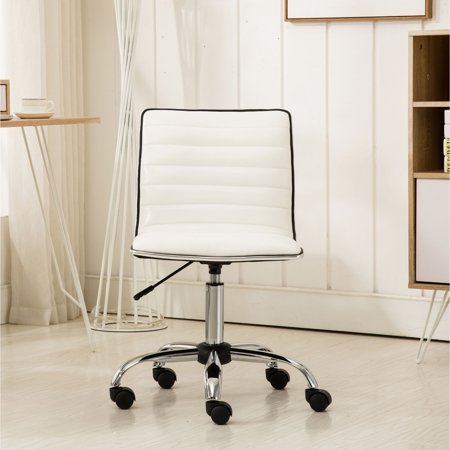
- Hard floor casters (often polyurethane): Soft, non-marking wheels that glide silently and protect wood or tile.
- Carpet casters (hard nylon): Designed with a harder compound to roll easily over carpet fibers without digging in.
The best chairs use casters from reputable brands like Shephard or Duffet, which provide a smooth, almost frictionless glide.
Quick Comparison: Quality Indicators at a Glance
| Component | High Quality Sign | Low Quality Sign |
|---|---|---|
| Base | Metal (polished or powder-coated) | Plastic that flexes under weight |
| Armrests | 4D adjustable (height, width, depth, pivot), soft-touch material | Fixed or only height-adjustable, hard plastic |
| Backrest support | Independent lumbar adjustment (height & depth) or dynamic flexors | A fixed, non-adjustable lumbar hump |
| Seat Edge | "Waterfall" front edge with flexible frame to reduce thigh pressure | Hard, unforgiving edge that cuts off circulation |
| Warranty | 10+ years on frame and mechanism, 5+ years on parts and foam | 1-year limited warranty |
Materials That Matter: The "Feel" of Quality
The material you choose dictates the chair's personality and care requirements.
Premium Mesh
Not all mesh is equal. High quality "pique" or "suspension" mesh is tightly woven, resilient, and provides graduated support—firmer in the lumbar area, softer in the upper back. It conforms to your body without creating pressure points and is exceptionally breathable. Brands like Haworth and Knoll use proprietary meshes that are virtually sag-proof.
Top-Grain Leather
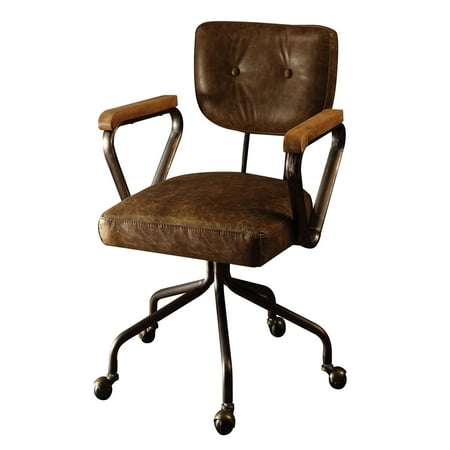
Genuine top-grain leather is a hallmark of executive quality. Unlike "bonded leather" (which is leather scraps glued together), top-grain leather develops a unique patina over time and can last decades. It’s an investment in aesthetics and longevity. Full-grain, the highest grade, retains the natural surface texture for maximum durability.
Performance Fabric
Modern high quality fabrics are often solution-dyed (color is part of the fiber, not just a coating), making them incredibly fade-resistant and easy to clean. Some incorporate stain-resistant technology (like Crypton or Nano-Tex) that repels spills, making them ideal for workspaces where coffee is a constant companion.
🛡️ BIFMA Certification
Chairs tested for safety, durability, and structural adequacy. A non-negotiable mark of quality.
⚙️ Part Replaceability
High quality manufacturers sell replacement parts (casters, cylinders, foam). You can repair, not replace.
🧠 "Intuitive" Adjustments
Controls are easily reachable and operable while seated. No need to contort your body to adjust your chair.
🌍 Sustainable Materials
Many premium brands use recycled materials and ensure their chairs are 90%+ recyclable at end of life.
Frequently Asked Questions About High Quality Office Chairs
Conclusion: Your Seat at the Table of Success
Choosing a high quality office chair is one of the most impactful decisions you can make for your workspace. It’s a decision that pays dividends in focus, physical well-being, and long-term savings—because you won’t need to replace it every two years. Remember, the best chair isn't necessarily the most expensive one, but the one that harmonizes with your body, your work habits, and your environment. Look for the hallmarks of true quality: a robust frame, intelligent mechanism, high-density foam, and a warranty that backs it all up. Invest wisely, and your back will thank you for years to come.