
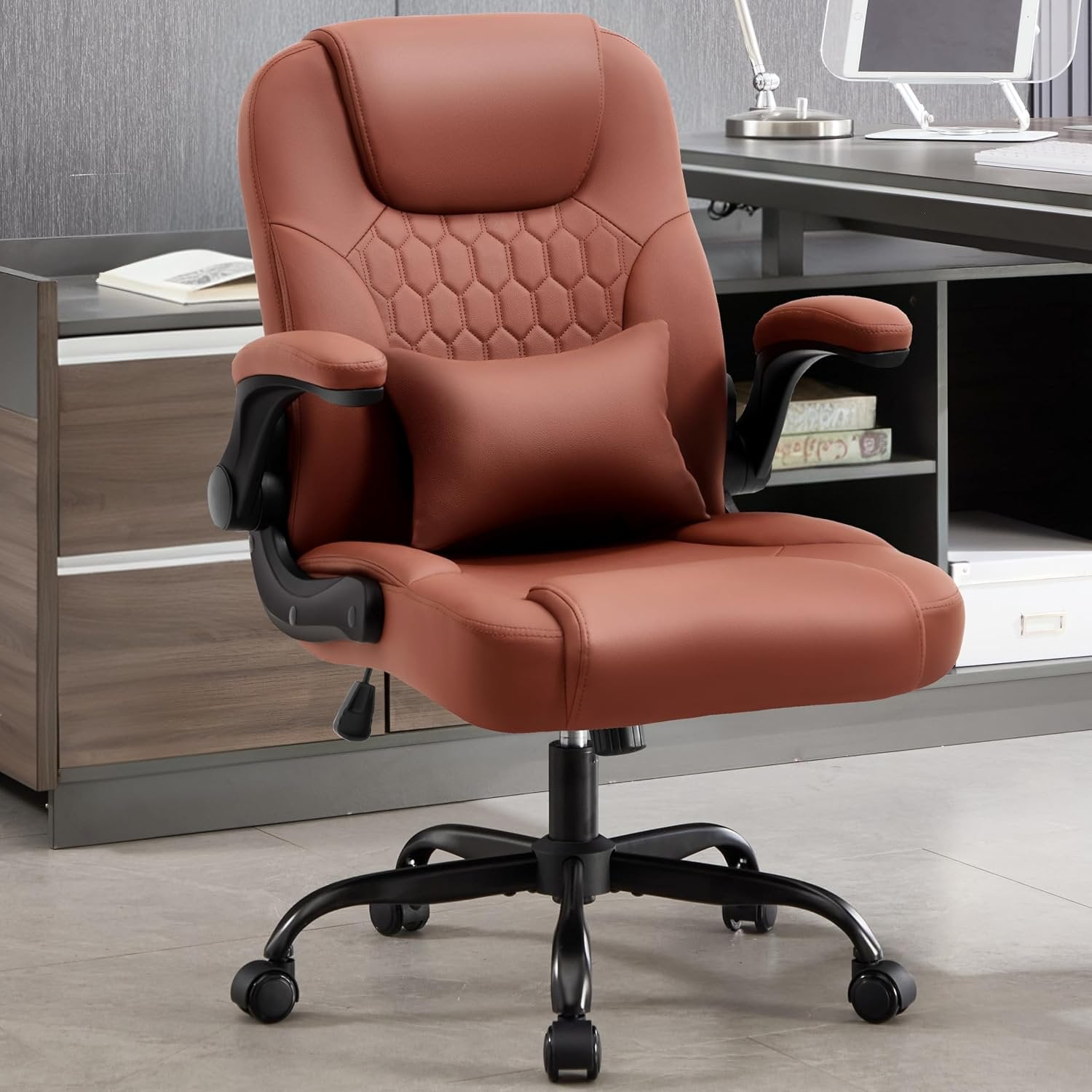
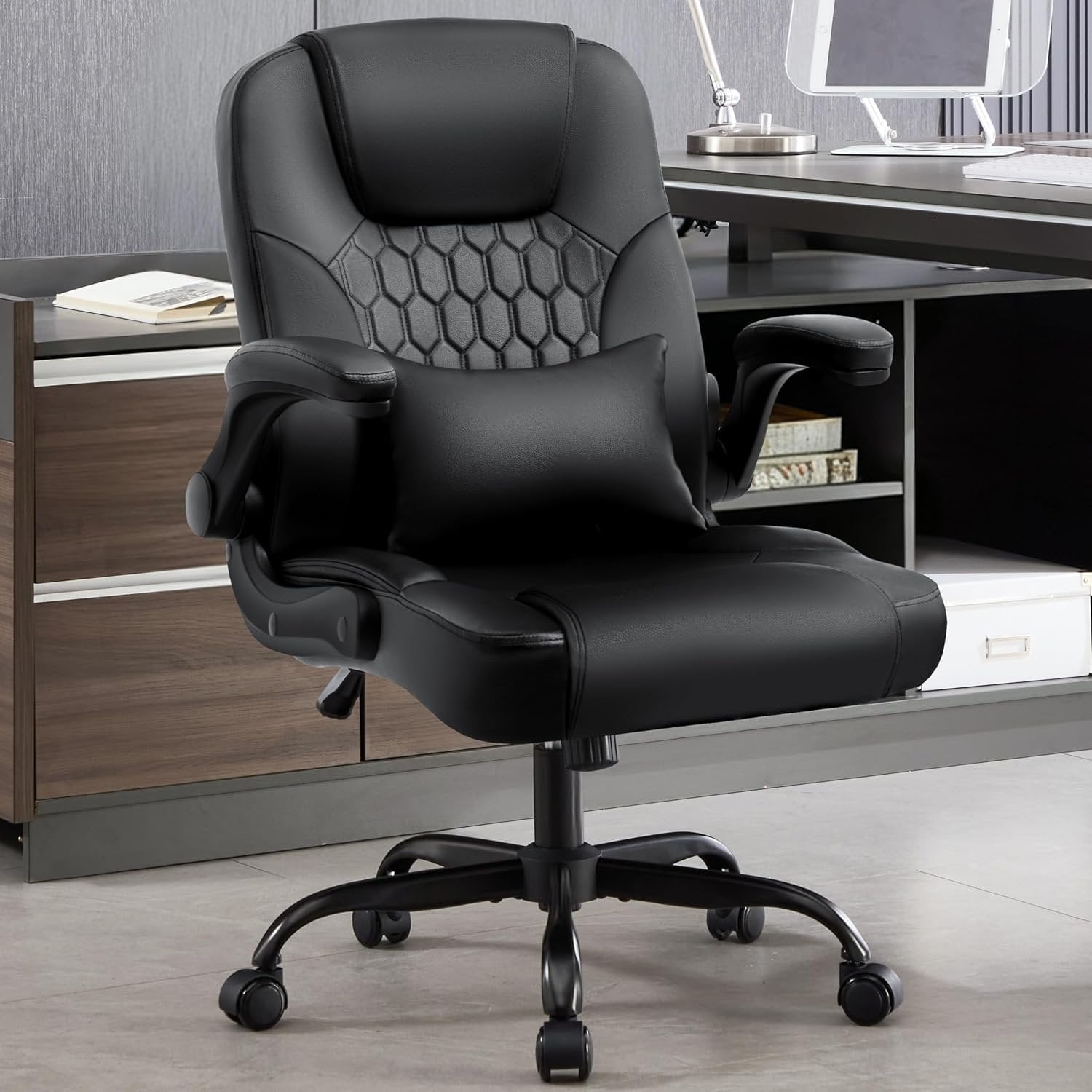
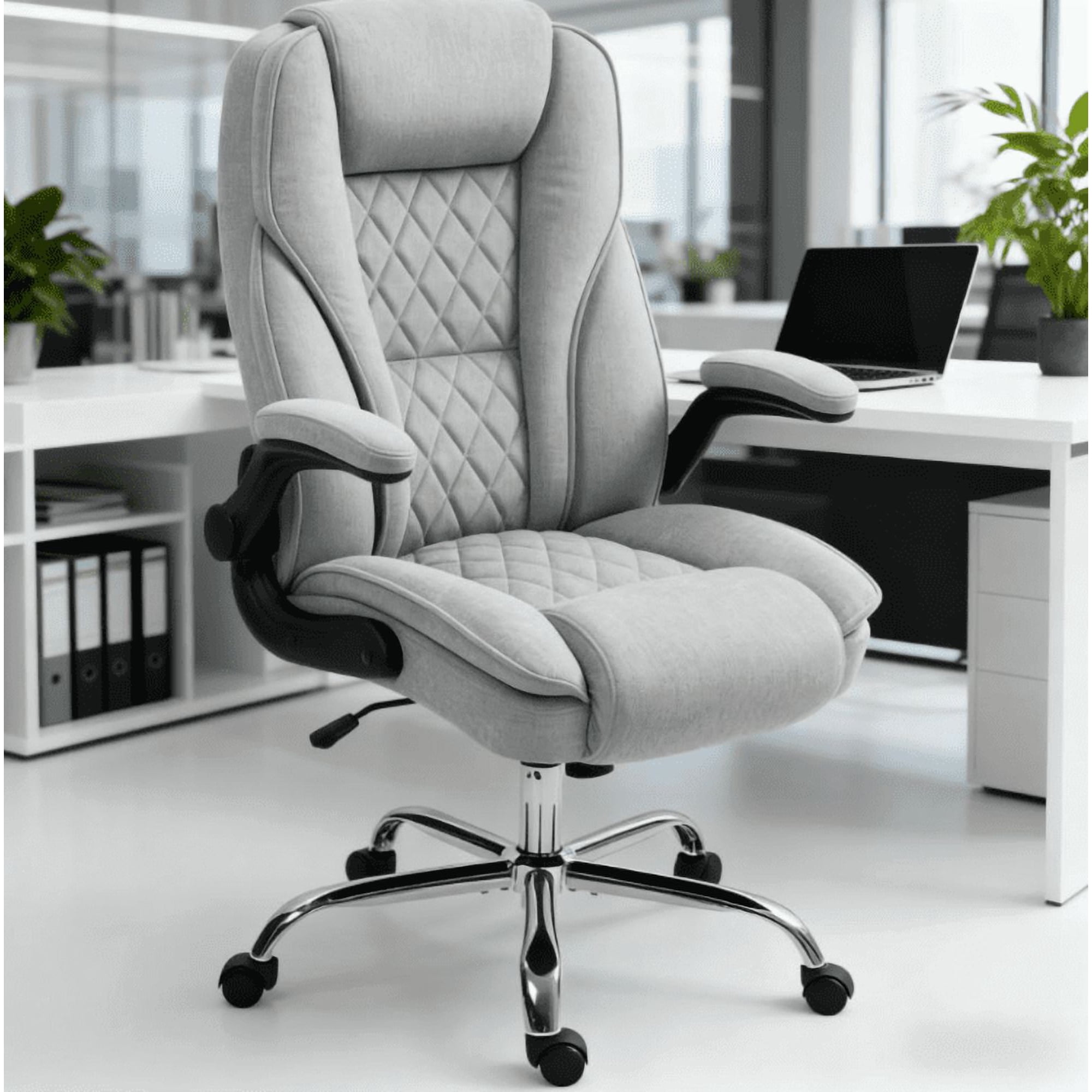
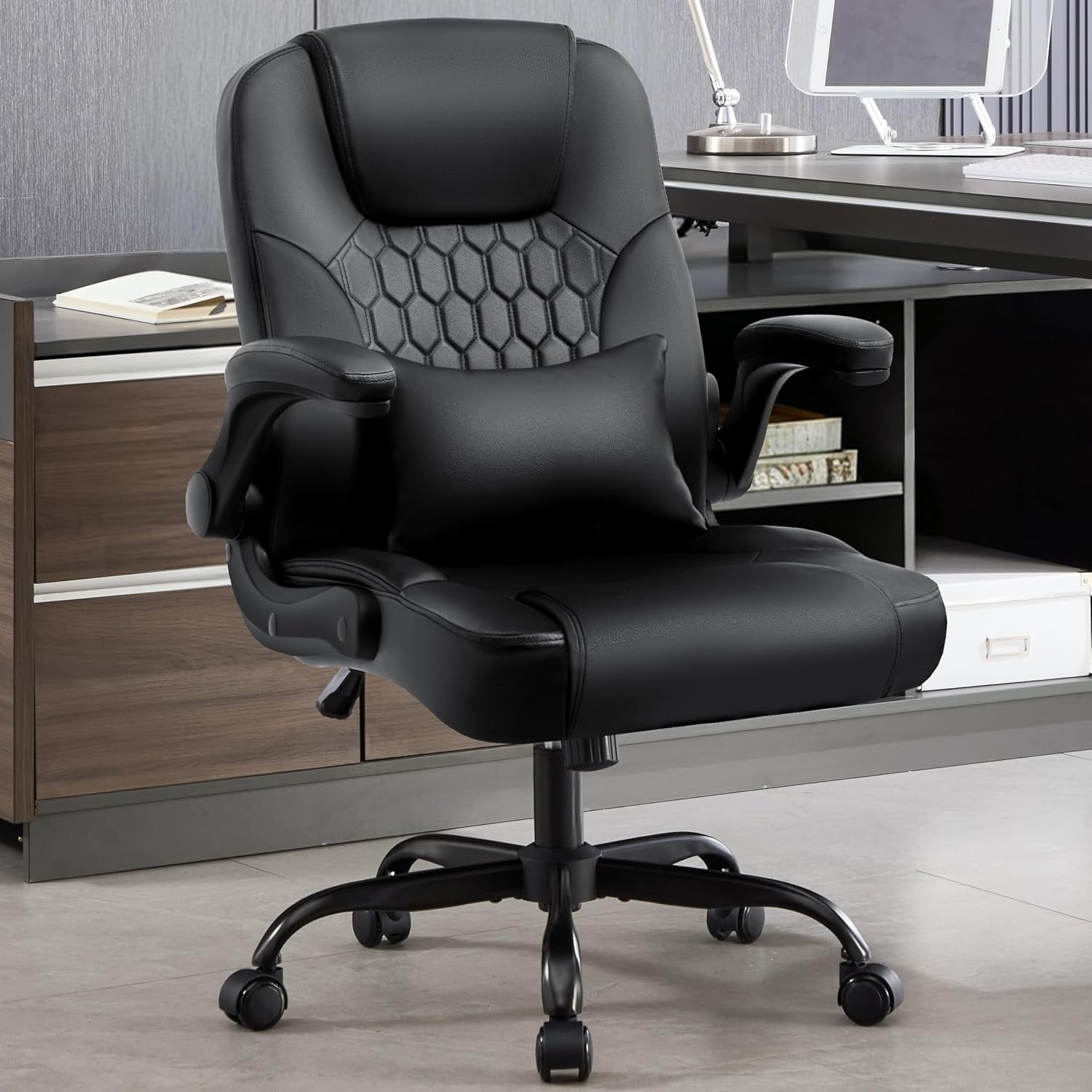
The Short Person's Guide to Office Chairs: No More Dangling Feet
Imagine sitting at your desk. Your feet rest flat on the floor, knees bent at a perfect 90-degree angle, and your lower back is cradled by supportive lumbar padding. For millions of shorter individuals—typically 5'4" and under—this feels like a fantasy. Standard office chairs are built for an 'average' male body (around 5'9"), leaving petite users with their feet swinging, shoulders raised to reach armrests, and a painful gap between their back and the chair. This isn't just uncomfortable; it's a fast track to chronic back pain, poor circulation, and decreased productivity. Finding the right office chair for short people isn't a luxury—it's a necessity for your health and focus.
Ergonomic reality: A study in the journal 'Applied Ergonomics' found that mismatched chair dimensions are a primary cause of musculoskeletal disorders among office workers. For users under 5'4", a standard chair with a 19-inch seat depth forces the back to arch away from the support, increasing spinal load by nearly 30%.
5 Critical Adjustments You Must Check (That Standard Chairs Ignore)
A chair for a petite frame must do more than just go low. It needs a complete range of adjustments scaled for a smaller body. Think of it like buying a custom-tailored suit versus grabbing one off the rack. Here's what to look for:
- Seat Height Range (The Non-Negotiable): The lowest setting is crucial. Look for a pneumatic cylinder that allows the seat pan to go as low as 16 inches from the floor. Some specialized petite chairs start at 15.5 inches. If your heels lift off the ground when seated, the chair is too tall.
- Seat Depth (The Hidden Culprit): This is the distance from the back of the seat to the front edge. You need a 'waterfall' edge and a depth of 16 to 17 inches. Test it: when you sit back, you should have 2-3 finger widths of space between the back of your knee and the seat pan. Too deep, and it will press on nerves, causing numbness.
- Backrest Height & Lumbar Adjustment: Your lower back curve sits lower than an average person's. You need a backrest where the lumbar support can be moved down. A mid-back chair (approx. 18-22 inches tall) is often better than a high-back, as the top won't hit your shoulder blades awkwardly.
- Armrest Adjustability (3D or 4D): Fixed armrests are your enemy. You need armrests that can be lowered significantly so your shoulders are relaxed, not hunched. Width adjustment also ensures your arms rest comfortably without pushing your elbows out.
- Seat Width (Proportional Matters): You don't need a 'narrow' chair, but an extra-wide seat can make it hard to reach the armrests comfortably. A standard width of 18-20 inches is usually perfect, allowing you to shift positions without feeling lost in the seat.
3 Common Myths About Petite Office Chairs (Don't Be Fooled!)
The market is full of misinformation. Let's clear up a few things so you don't waste money on the wrong product.
- Myth #1: "A smaller chair always means less support." Absolutely false. Quality petite chairs are engineered with the same heavy-duty mechanisms and high-density foam, just scaled down. They provide better support because the ergonomics actually match your body.
- Myth #2: "Just use a footrest; any chair will do." A footrest helps with dangling feet, but it doesn't fix a seat that's too deep. You'll still lack proper lumbar contact because you can't sit all the way back. A footrest is a supplement, not a solution for a fundamentally ill-fitting chair.
- Myth #3: "Children's chairs are the same as petite office chairs." Never buy a child's desk chair for an adult. They are built for much lighter weights, have flimsy construction, and lack the durable gas lifts and casters needed for daily 8-hour office use. You need an adult-rated petite chair.
Anatomy of a Perfect Fit: What 90-90-90 Means for You
Ergonomists often talk about the 90-90-90 rule. When you're properly seated:
- Your ankles are at a 90-degree angle (feet flat).
- Your knees are at a 90-degree angle (thighs parallel to floor).
- Your hips are at a 90-degree angle (torso and thighs at a right angle).
For a short person, achieving this is purely dependent on the chair's adjustability. If the seat pan is too deep, your hips can't achieve 90 degrees without a lumbar pillow forcing you forward. If the chair doesn't go low enough, your knees drop below your hips, slouching your lower back. The right office chair for short people is the only tool that can make this perfect posture possible.
Quick Comparison: Short User vs. Average User Chair Needs
| Feature | Ideal for Short User (under 5'4") | Typical "Standard" Chair |
|---|---|---|
| Min Seat Height | 15.5" - 16.5" | 17" - 19" |
| Seat Depth | 16" - 17.5" | 18" - 20.5" |
| Lumbar Position | Adjustable downward (8-10 inches from seat) | Often fixed at 10-12 inches |
| Armrest Min Height | 7" - 8" from seat | 9" - 11" from seat |
Footrests: Your Best Friend or a Crutch?
As mentioned, a footrest shouldn't be your primary solution, but it can be a powerful ally. If you find a chair with perfect lumbar support and seat depth, but its minimum height is 17 inches and you need 16, a high-quality, angled footrest can bridge that gap. Look for a footrest that is adjustable in height and angle, providing a stable platform for your feet. This turns a 'good' chair into a 'perfect' one.
Materials & Build: Don't Compromise on Quality
Just because a chair is scaled for a smaller frame doesn't mean it should be flimsy. Look for the same hallmarks of quality you'd expect in any premium chair:
- Gas lift: Should be class 3 or 4 (tested for 20,000+ cycles).
- Base: A sturdy nylon or polished aluminum 5-star base.
- Casters: Ensure they are rated for your floor type (hardwood or carpet).
- Upholstery: Durable mesh for breathability or high-quality fabric/leather that won't sag.
Remember, a petite chair is still a significant investment in your well-being. Aim for a chair with a warranty of at least 5 years on parts and 10 years on the frame.
Frequently Asked Questions About Office Chairs for Short People
Conclusion: Invest in a Chair That Respects Your Stature
Finding the perfect office chair for short people can feel like a treasure hunt, but the reward is immense. You're not just buying a piece of furniture; you're investing in daily comfort, long-term spinal health, and uninterrupted focus. Don't settle for a one-size-fits-all chair that forces your body to adapt. Prioritize the key measurements—seat height, depth, and adjustable lumbar—and you'll transform your workday from a battle against discomfort into a session of productive flow. Your body (and your productivity) will thank you.
Final tip: Use the product grid above to explore chairs specifically filtered for shorter users. Look for terms like "petite," "adjustable seat depth," and check the specs. Your perfect fit is out there.