
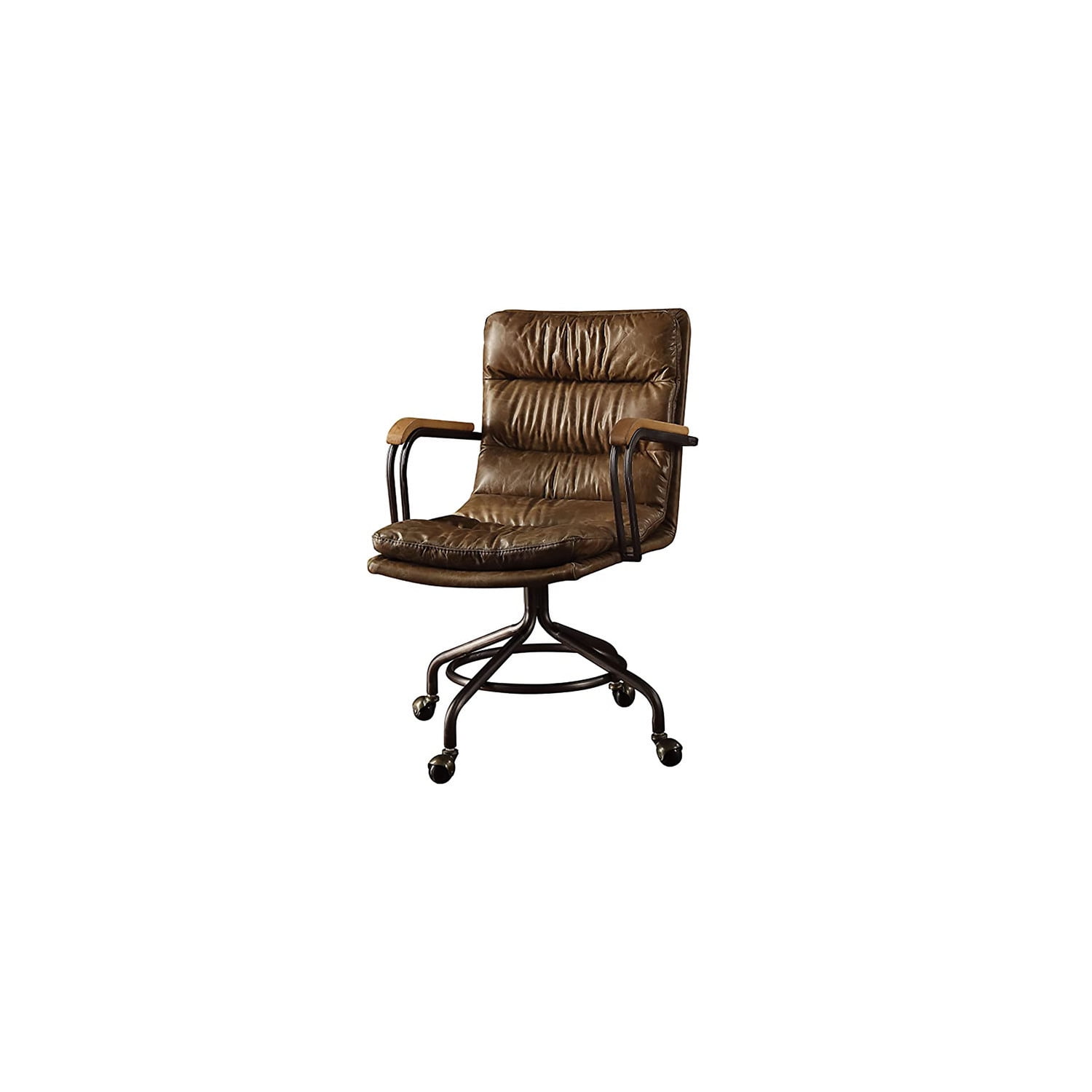
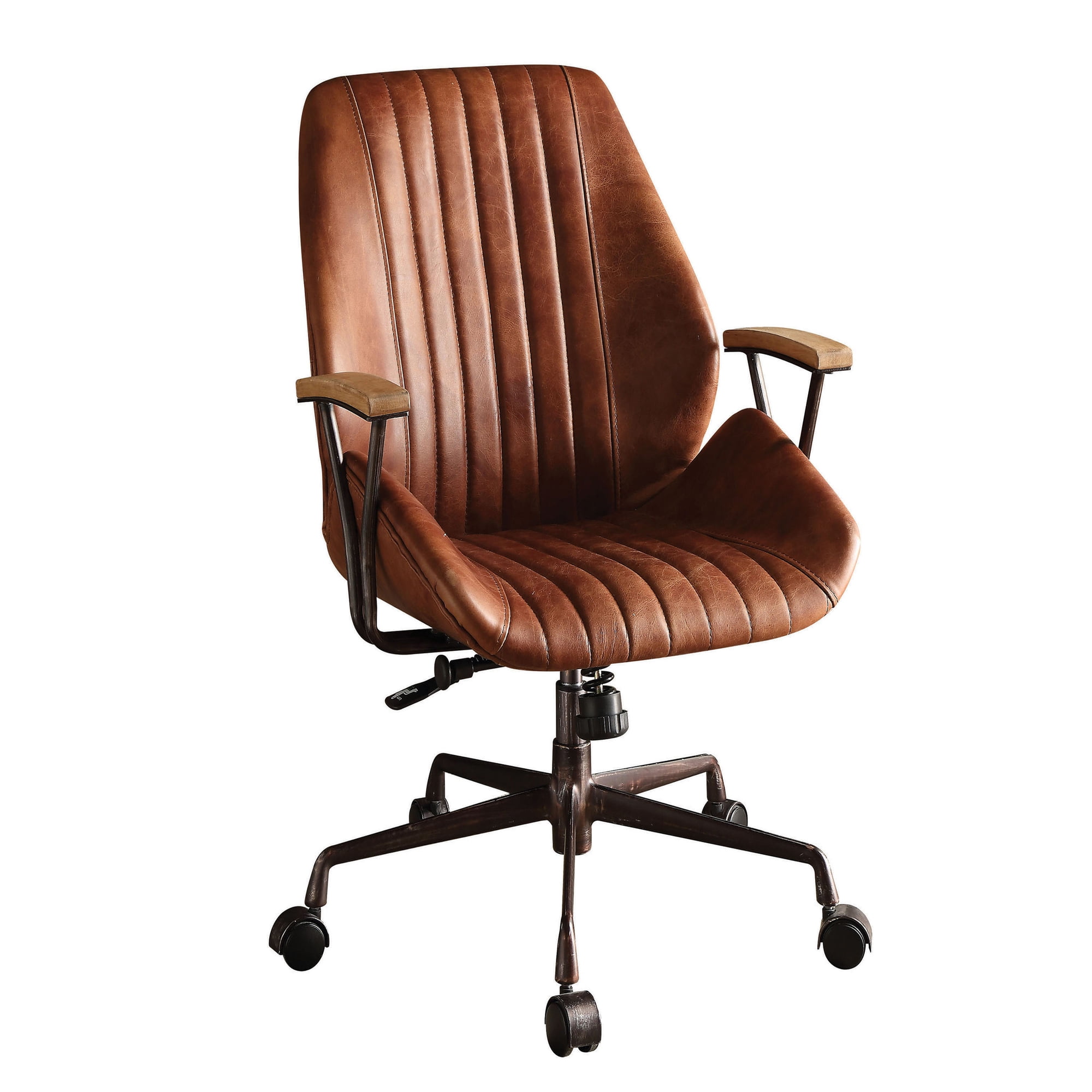
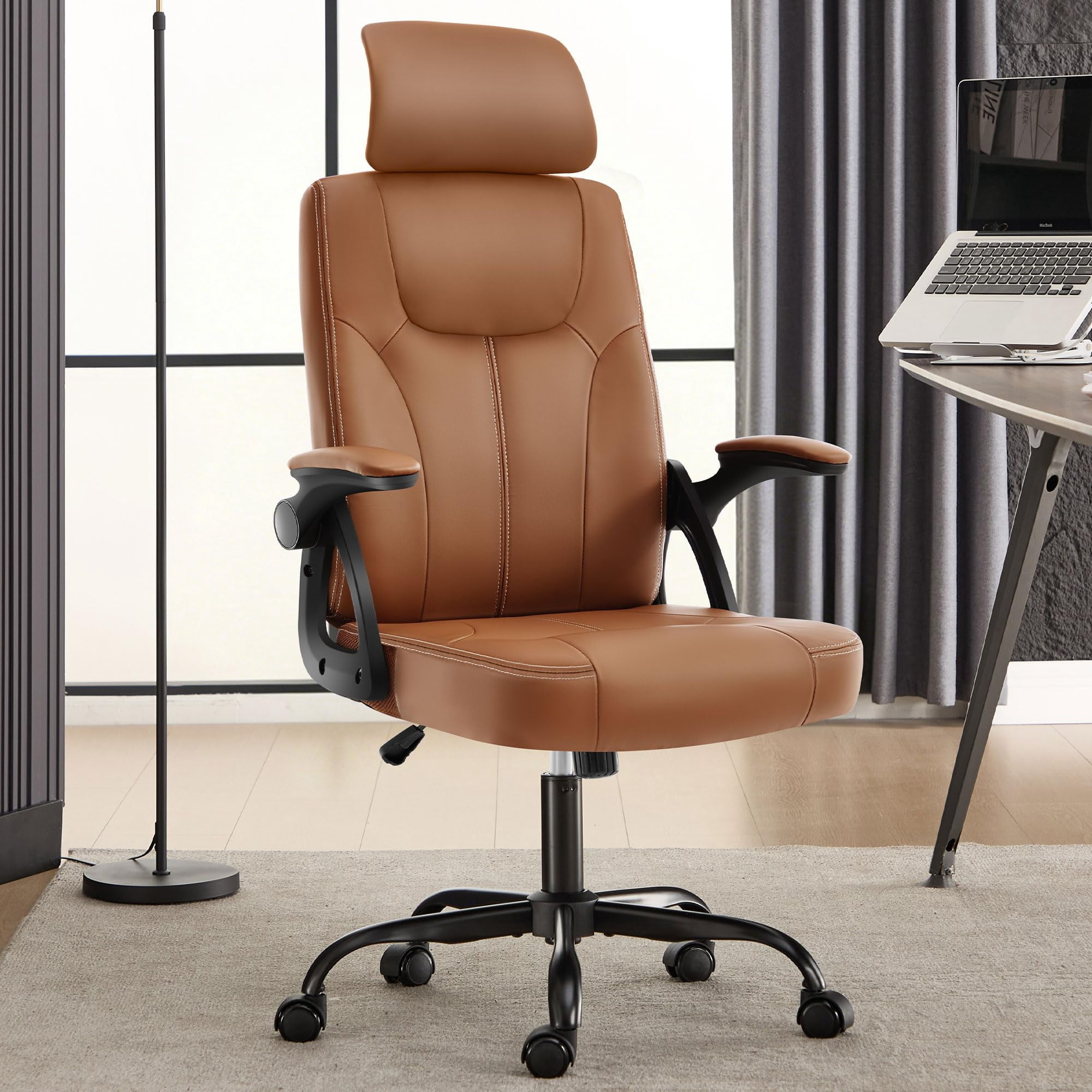
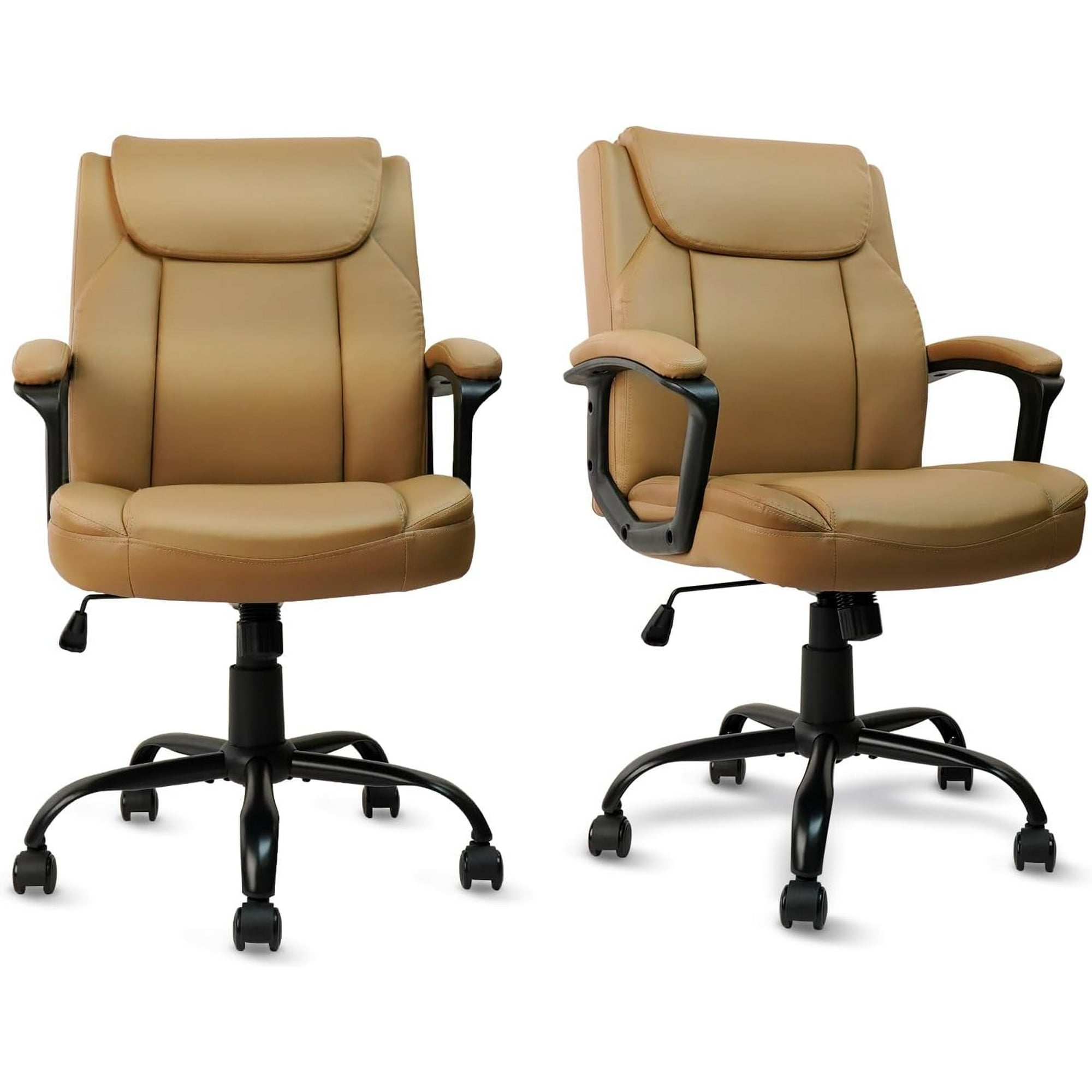
Why Brown Leather? The Psychology of Warmth in the Workplace
A brown leather office chair does more than provide a place to sit—it sets a tone. While black leather conveys formality and power, brown leather whispers approachability, stability, and timeless taste. Think of it as the difference between a boardroom and a library: both are professional, but one invites you to stay a while. In fact, interior designers often recommend brown leather to soften modern offices and add a layer of organic warmth.
Design insight: A 2023 survey of executive offices found that brown leather chairs were 40% more likely to be chosen for creative or client-facing roles, as the color promotes trust and relaxation during meetings.
The Spectrum of Brown: Finding Your Perfect Shade
Brown isn't a single color—it's a family of tones, each evoking a different style. Here's a quick guide to popular shades:
Cognac
Rich amber-brown with orange undertones. Looks stunning against dark wood or glass desks. Ages into a deep honey patina.
Chestnut
Medium reddish-brown, classic and versatile. Complements both traditional mahogany and modern white desks.
Espresso
Dark, almost black-brown. Offers the authority of black with subtle warmth. Ideal for contemporary executive suites.
Saddle
Medium warm brown with a slight orange cast. Reminiscent of vintage leather, perfect for rustic or industrial spaces.
Tobacco
Dusty, muted brown with grayish undertones. A modern neutral that feels understated and elegant.
Leather Quality: What to Look for in Brown Hides
Color aside, the grade of leather determines longevity and appearance. For brown chairs, the natural markings of the hide often add character, making top-grain an excellent choice.
- Full-Grain / Top-Grain: The highest quality. Develops a unique patina over time—brown shades become richer and more nuanced. Scratches can often be buffed out or add to the vintage look.
- Genuine Leather: Real leather but from lower layers. It's more uniform in color and texture, but less breathable. A good mid-range option.
- Bonded Leather / Faux: Man-made with leather fibers or synthetic. Color is consistent and easy to clean, but won't develop patina. Often used in budget-friendly brown chairs.
Patina: Why Brown Leather Gets Better with Age
Unlike painted finishes, high-quality brown leather develops a patina—a soft glow and subtle color variations caused by oils, light, and use. This means your chair becomes uniquely yours. A cognac chair may darken slightly where you sit; an espresso chair might reveal hints of auburn in the creases. It's leather's way of telling your story.
Design Pairing: Making Brown Leather Work in Your Space
Brown leather is surprisingly versatile. Here are three winning combinations:
- With Wood Tones: Match the chair's brown with your desk's wood—cherry with chestnut, walnut with cognac, oak with saddle. The harmony creates a cohesive, executive look.
- With Cool Grays & Blues: A medium-brown chair pops against gray walls or a blue accent rug. It warms up cool palettes without clashing.
- With Metallics: Brown leather + brushed brass or antique bronze hardware = instant sophistication. Look for chairs with metal accents in complementary finishes.
Pros and Cons of a Brown Leather Office Chair
✓ Advantages
- Warm, inviting aesthetic
- Hides minor scratches & wear
- Develops beautiful patina
- Matches natural materials (wood, stone)
- Less formal than black, more approachable
✗ Considerations
- May show water spots if not treated
- Lighter browns can show dirt sooner
- Not as stark/modern as black or white
- Requires conditioning to prevent drying
Ergonomics in a Brown Leather Frame
Don't assume leather chairs sacrifice ergonomics. Modern brown leather office chairs often include:
- Adjustable lumbar support hidden beneath the leather.
- Multi-position tilt and lock for active sitting.
- Seat depth adjustment to accommodate different leg lengths.
- 4D armrests that move with you.
The key is to check the specifications—don't judge a chair by its cover alone.
Caring for Your Brown Leather Investment
To keep that rich brown hue for decades:
- Dust weekly with a microfiber cloth.
- Clean spills immediately with a barely damp cloth—never soak.
- Apply a high-quality leather conditioner every 4-6 months (more often in dry climates).
- Avoid direct sunlight to prevent fading; use window treatments if needed.
- For lighter browns, a protective cream can guard against denim transfer.
Budget Considerations: What Does a Quality Brown Leather Chair Cost?
Prices vary widely based on leather grade and ergonomic features:
- Entry-Level (bonded leather): $200 – $400. Good for guest seating or part-time use.
- Mid-Range (genuine leather): $400 – $900. Full-time use with decent adjustability.
- Premium (top-grain leather): $900 – $2,000. Heirloom quality, advanced ergonomics.
- Luxury (full-aniline, designer): $2,000+. Handcrafted, unique hides, custom options.
Remember, a well-maintained top-grain leather chair can last 15 years, making it a cost-effective choice over time.
Frequently Asked Questions About Brown Leather Office Chairs
Conclusion: The Enduring Charm of Brown Leather
A brown leather office chair is more than furniture—it's a statement of taste and a commitment to quality. Whether you prefer the brightness of cognac or the depth of espresso, you're investing in a piece that will age gracefully alongside your career. Use the guidelines above to select the right shade, leather grade, and ergonomic features. Your perfect brown leather chair awaits.