
Why a Standard Office Chair Isn't Enough: The Case for a Big Office Chair
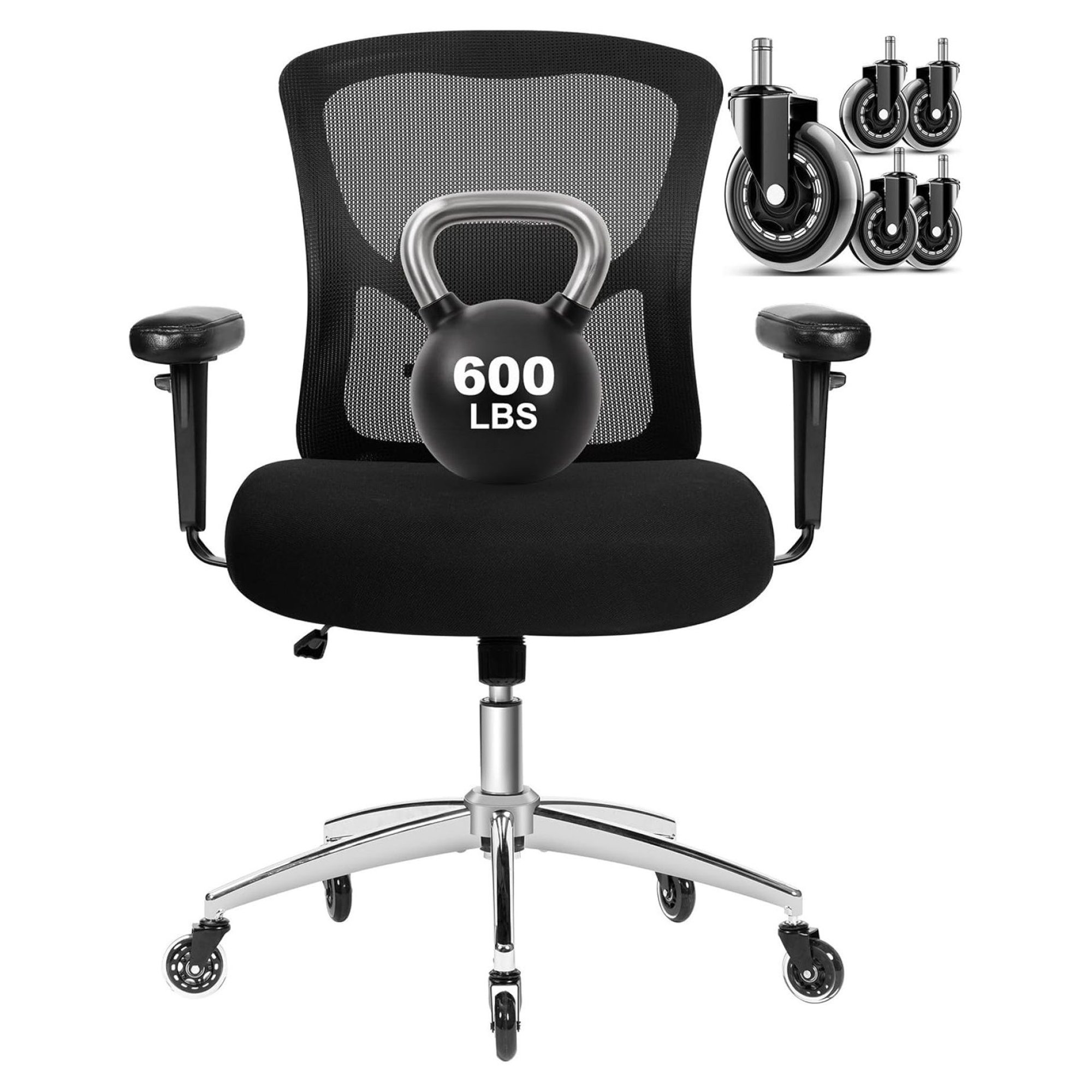
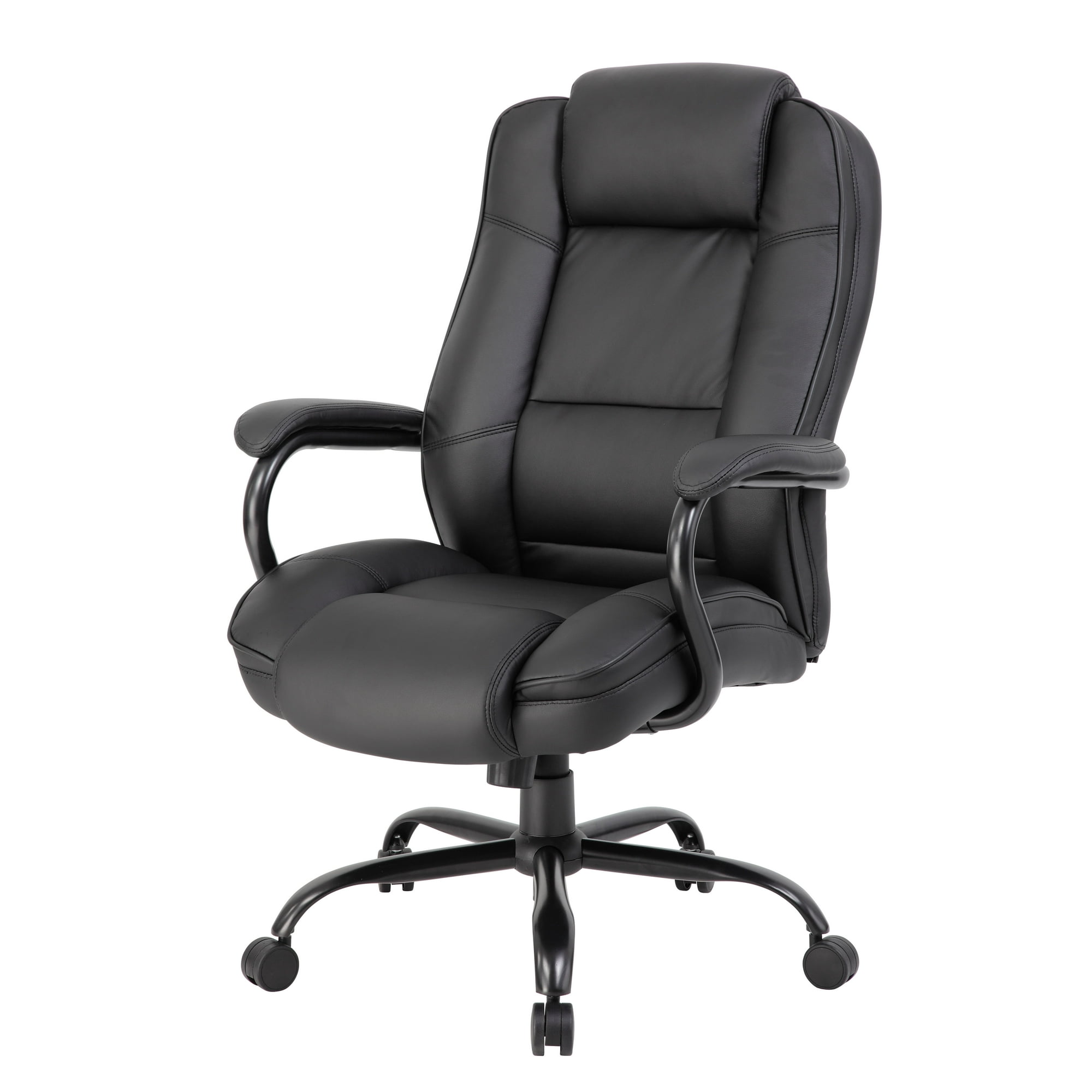
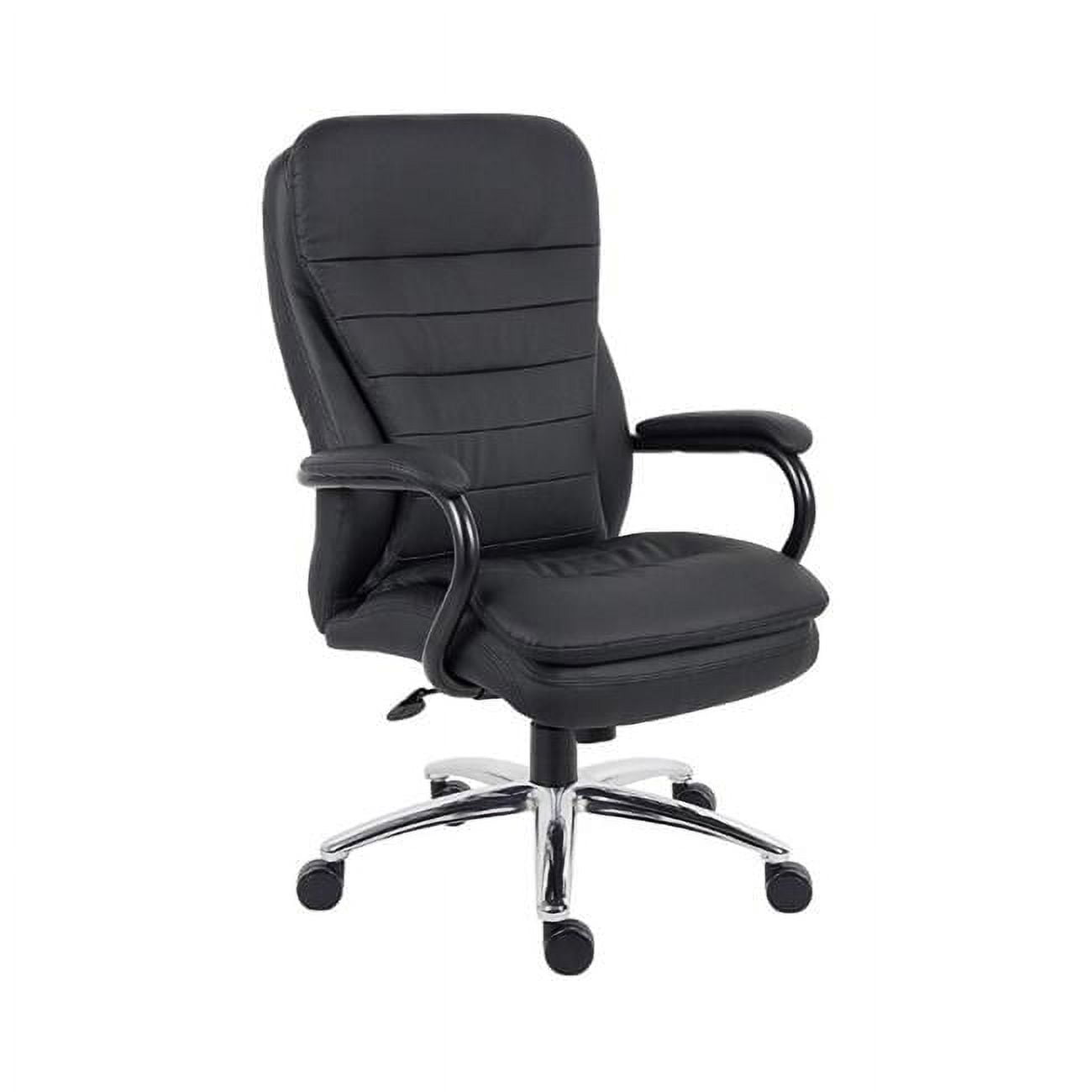
Finding a chair that fits properly isn't just about comfort—it's about health, productivity, and long-term well-being. If you're a larger-framed individual, tall, or simply prefer more room to move, a standard 18-inch office chair can feel like sitting in a cramped economy seat. A big office chair (also called heavy-duty, extra-wide, or big-and-tall chair) is engineered with wider dimensions, reinforced frames, and higher weight capacities—often 400 lbs or more. Think of it as the first-class seat for your office: more space, sturdier construction, and designed to support you fully.
According to the American Society of Safety Professionals, improperly fitted seating is a leading cause of musculoskeletal disorders among larger workers. A chair that's too narrow can compress hips and thighs, while a weak mechanism can fail unexpectedly. Investing in a dedicated big office chair eliminates these risks and provides a stable foundation for your workday.
The Anatomy of a True Heavy-Duty Big Office Chair
Not every chair labeled "big" is built equally. A genuine big office chair must pass the "five-point test": frame, seat, base, casters, and mechanism. Below we break down what separates a lasting investment from a temporary seat.
1. Frame & Construction: Steel vs. Plastic
The frame is the skeleton. Standard chairs often use nylon or plastic composites that can crack under 250+ lbs over time. For a true big office chair, look for:
- Reinforced steel frame: Welded steel provides rigidity and prevents flexing.
- Metal connectors: All pivot points should be metal-on-metal, not plastic bushings.
- Heavy-duty gas lift: Class 4 or 5 gas cylinders (rated for 400 lbs+). Class 3 is insufficient.
2. Seat Dimensions & Cushioning
Width and depth are critical. A cramped seat leads to pressure points.
- Seat width: Standard = 18-20". Big office chair = 22" to 28".
- Seat depth: Should support your thighs without cutting off circulation. Adjustable depth is ideal.
- High-density foam: Look for 2.5-3 lb density foam that won't bottom out after months of use. Memory foam toppers add comfort.
3. Weight Capacity: The 20% Safety Rule
Manufacturers list a maximum weight limit, but we recommend the "20% rule": choose a chair rated at least 20% higher than your actual weight. This ensures the chair operates within its safety margin for years. For example:
4. Base & Casters: Stability on the Floor
A wide aluminum or steel base (23" diameter or more) prevents tipping. For casters, bigger is better:
- Dual-wheel casters: Distribute weight and roll easier on carpets.
- Hardwood floor casters: Soft polyurethane to avoid scratches.
- Reinforced caster housing: Prevents breakage under heavy load.
5. Ergonomic Adjustments for Larger Bodies
Adjustability must accommodate a wider range of motion:
- Seat height range: Should go low enough (18" or less) and high enough (21"+) for tall users.
- Backrest height: High-back (26"+) or extra-high back to support shoulders and neck.
- Armrests: Extra-wide adjustable armrests (3D or 4D) to support broader shoulders.
- Tilt mechanism: Synchronous or multi-position lock with heavy-duty springs.
Step-by-Step: How to Choose Your Big Office Chair
Follow this practical checklist to avoid a wrong purchase:
- Measure yourself: Seat width (hip width + 2"), seat depth (back of knee to hip), and back height (seat to shoulder).
- Check weight rating + 20% rule: Calculate the minimum capacity you need.
- Assess your floor type: Carpet or hard floor? Choose casters accordingly.
- Identify must-have adjustments: Do you need headrest? Lumbar depth adjustment? Tilt lock?
- Read warranty terms: 5+ years on parts is a sign of confidence.
- Test the return policy: Even if you buy online, ensure you can return if the fit isn't right.
Analogy: Choosing a big office chair is like buying a pair of quality hiking boots. You wouldn't squeeze into a size too small because it looks good—you buy the right size for durability, comfort, and safety. Your chair is your "footwear" for 8+ hours a day. Get the right fit.
Material Matters: Upholstery for Heavy Duty Use
Fabric, leather, or mesh? Here's how they perform for big chairs:
- Premium bonded leather or top-grain leather: Most durable, easy to clean, professional look. Can be warm, but high-end leather breathes better.
- Heavy-duty mesh: Excellent for breathability, but ensure the mesh is rated for high weight (some mesh stretches). Best for backs, less common for seats.
- Commercial-grade fabric: Often a blend of polyester and nylon with high rub count (100,000+ double rubs). Comfortable and breathable, but can stain if not treated.
For extreme durability (800 lb chairs), reinforced stitching and extra layers of fabric are essential—check for double-stitched seams.
Why "Big Office Chair" is Not Just About Weight
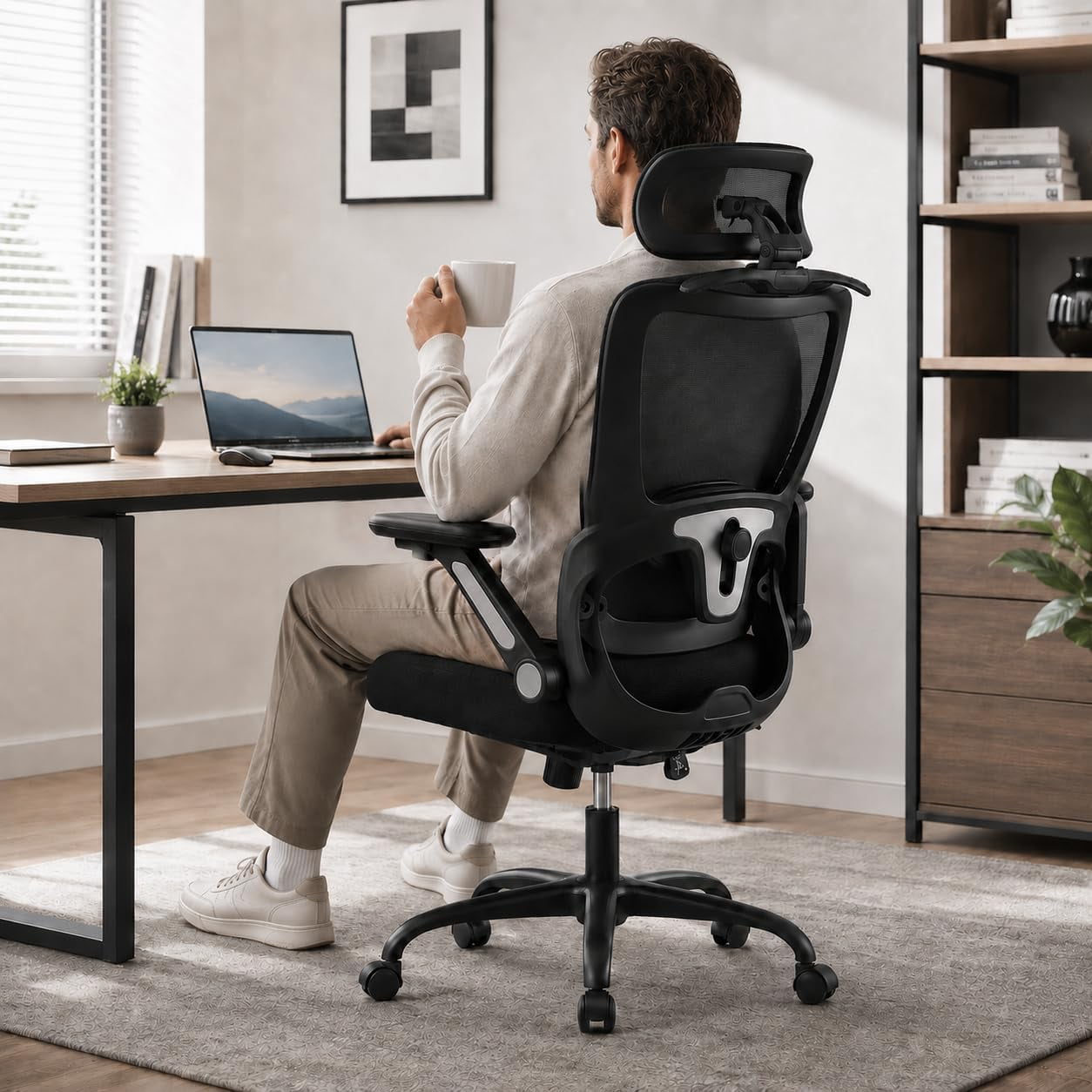
Tall users (6'3" and above) benefit from higher backrests and longer seat pans. A standard chair often ends mid-back, leaving the shoulders unsupported. A big office chair with a 30"+ backrest provides full torso support, reducing neck and shoulder strain. Some models even include adjustable headrests for tall individuals.
Data point: According to a 2023 ergonomics survey by the National Safety Council, 67% of tall workers reported less back pain after switching to a chair with a high back and adjustable lumbar support—features common in big office chairs.
Frequently Asked Questions About Big Office Chairs
Final Verdict: Invest in a Chair That Fits Your Frame
Selecting a big office chair is a decision that pays dividends in daily comfort, long-term health, and productivity. Don't settle for a chair that pinches, wobbles, or wears out. Look for reinforced steel frames, high-density foam, weight ratings that exceed your needs, and adjustments that accommodate your body. Whether you're an executive managing a team, a creative working long hours, or a tall professional seeking proper back support, the right heavy-duty chair transforms your workspace into a true command center.
Browse the top-rated models above—each one vetted for sturdy construction and real-world performance. Your body (and your back) will thank you.