
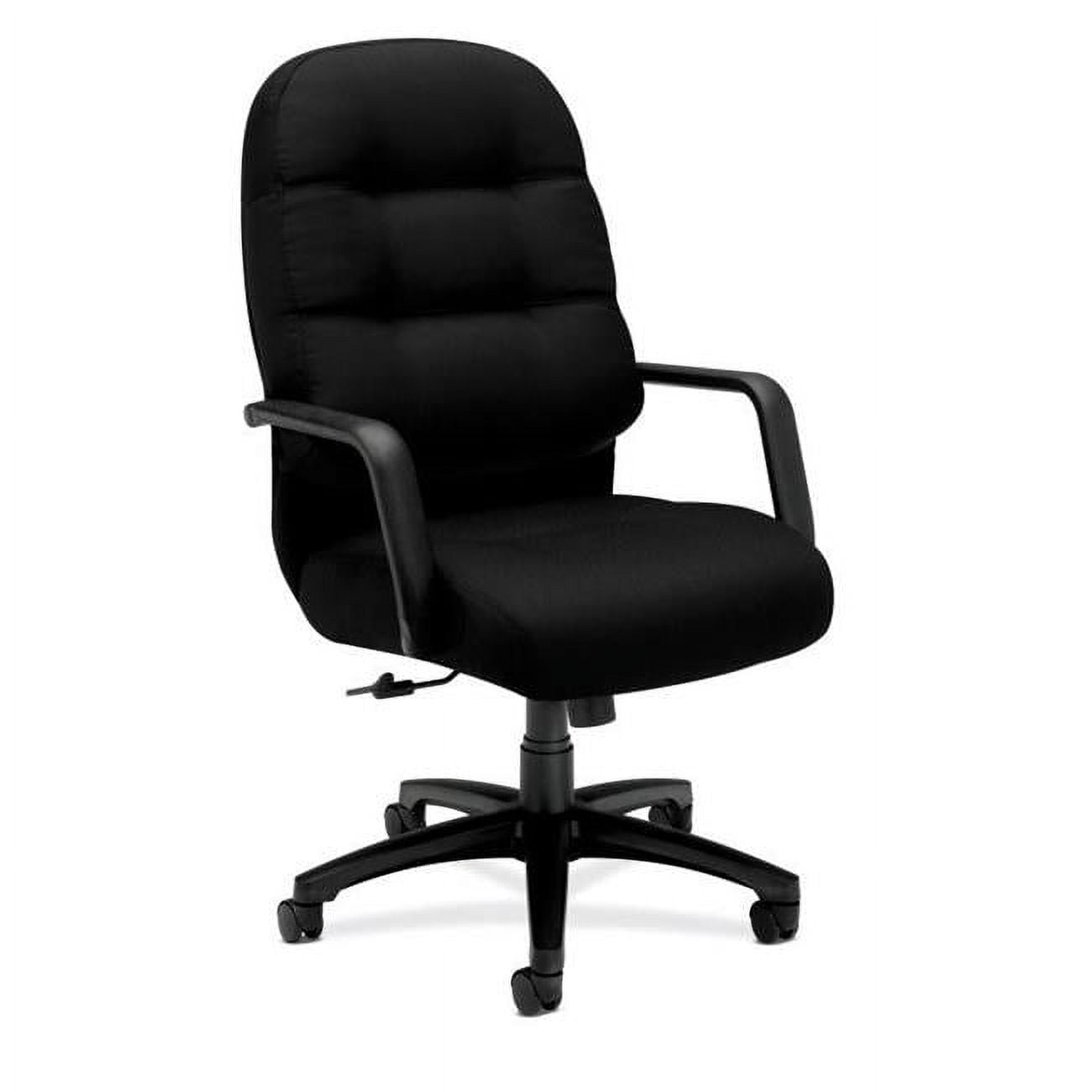
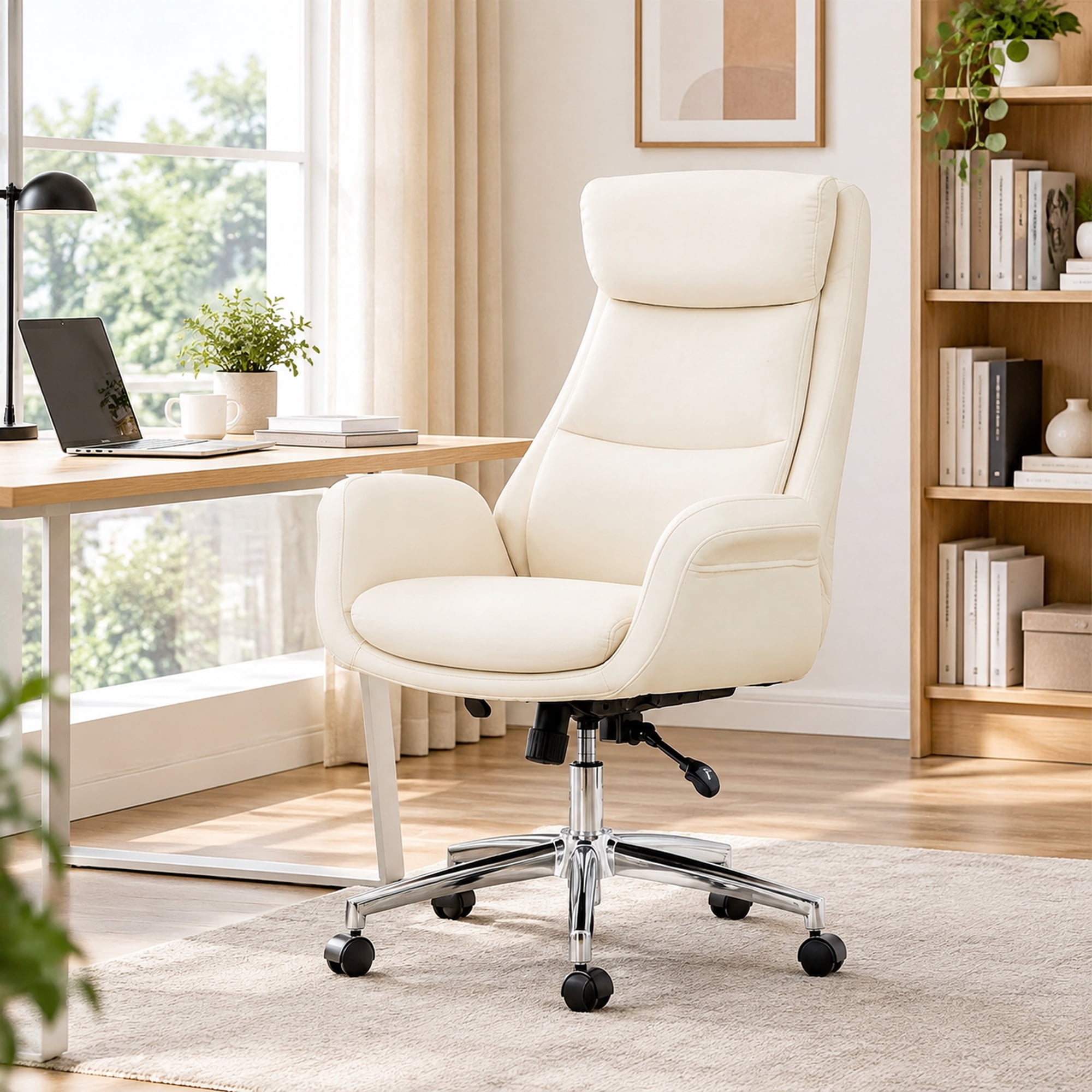
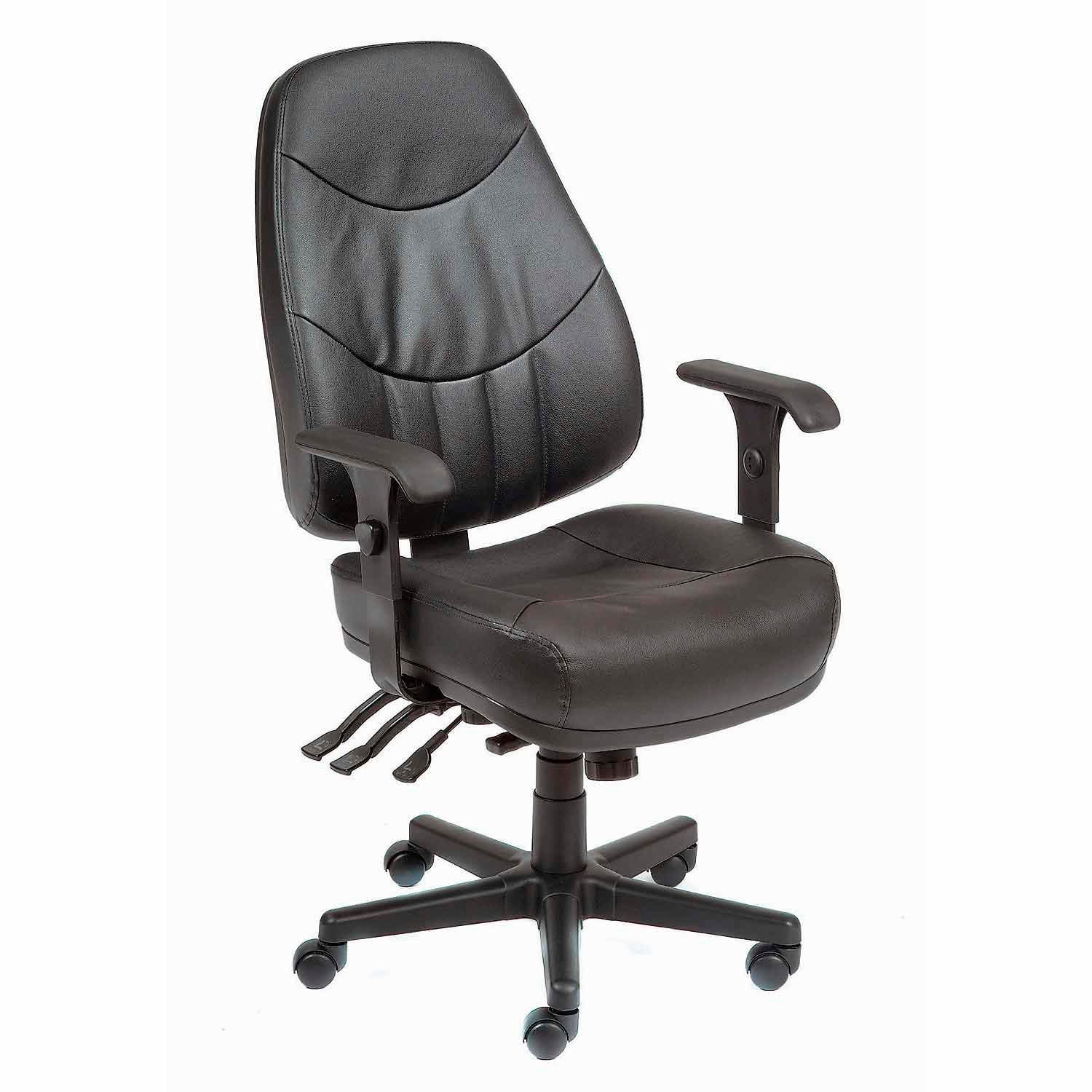
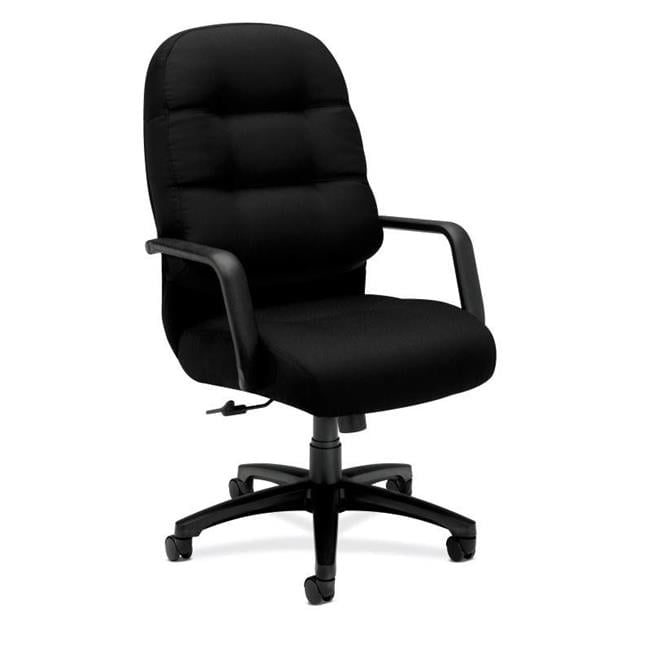
Why a High Back Office Chair with Arms is a Game-Changer for Your Workday
Imagine sitting in your car for eight hours straight without a headrest or proper arm support. Sounds exhausting, right? That is exactly what millions of office workers do every day in low-back chairs that offer minimal support. A high back office chair with arms is like upgrading from a compact car to a luxury sedan—it provides full-body support, allowing you to arrive at the end of your workday feeling refreshed, not drained. It's an investment in your physical well-being and professional focus.
Unlike standard task chairs that stop at mid-back, a high back chair is engineered to cradle your entire spine, from your pelvis all the way up to your head. This design is not just about comfort; it is a proactive measure against the modern epidemic of "tech neck," rounded shoulders, and chronic back pain caused by prolonged sitting. According to a study by the British Journal of Sports Medicine, workers who use chairs with inadequate back support are 60% more likely to report upper back and neck discomfort. A high back chair with adjustable arms is the antidote.
Key Insight: For professionals who spend more than 6 hours a day at a desk, a high back chair with arms is not a luxury—it's an ergonomic necessity. It actively supports the natural 'S' curve of your spine and provides resting points for your upper body, which can reduce muscle fatigue by up to 40%.
Anatomy of Support: Deconstructing the High Back Chair with Arms
To choose the right chair, you need to understand its parts. A high back chair is a system of interconnected components, each playing a vital role in your comfort. Think of it as a tailored suit—each adjustment must be fine-tuned to fit your unique body dimensions.
The Headrest: Your Neck's Best Friend
The headrest is the defining feature of a high back chair. Its primary job is to support the cervical spine. When you lean back, even slightly, a well-placed headrest cradles your head, allowing the muscles in your neck and shoulders to fully relax. This is crucial for preventing tension headaches and stiffness.
- Adjustable Headrests: Look for headrests that adjust in height and angle. This ensures the support hits the curve of your neck, not the back of your head, regardless of your height.
- Fixed Headrests: Common in less expensive models. While they offer some support, they may not align perfectly with your body, potentially pushing your head forward.
The Backrest: Beyond Just "High"
The height of the backrest is just the beginning. The internal contours and lumbar support are what make it effective.
- Integrated Lumbar Support: Most high-end chairs have a built-in lumbar curve. Better chairs offer adjustable lumbar support (both depth and height) to fit the natural inward curve of your lower back.
- Recline Mechanism: A good recline function with adjustable tension allows you to move dynamically throughout the day. A synchronized recline keeps the seat and backrest moving in harmony, maintaining support even as you lean back.
Arms: The 4D Difference
The arms on a high back chair are more than just places to rest your elbows. They should be adjustable in multiple directions—this is often called 4D adjustability.
- Height Adjustment: Allows you to set the armrest so your shoulders are relaxed, not hunched.
- Width Adjustment: Moves the armrests closer together or further apart to accommodate your shoulder width.
- Depth Adjustment: Slides the armrest pad forward or backward so it supports your forearm near the wrist when typing, not just the elbow.
- Pivot/Rotation: The armrest pad can angle in or out to match the natural angle of your forearms.
Without these adjustments, armrests can actually do more harm than good by forcing you into an unnatural position.
The Seat: Your Foundation
A waterfall edge (a gentle downward slope at the front of the seat) is non-negotiable. It prevents pressure on the back of your thighs, promoting healthy blood circulation to your legs. Seat depth adjustment is another premium feature that ensures you can have a few inches of space between the back of your knees and the seat pan, regardless of your leg length.
Real-World Impact: What the Data Says About Full-Back Support
The benefits of a high back chair with arms are backed by ergonomic research. A study published in the journal Applied Ergonomics found that workers using high-back chairs with armrest support reported a 25% reduction in shoulder muscle activity compared to those using armless chairs. This translates directly to less fatigue and higher endurance.
Furthermore, data from the Washington State Department of Labor & Industries indicates that providing workers with fully adjustable chairs, including those with high backs, can reduce workers' compensation claims for back injuries by nearly 20%. For the individual, this means a lower risk of developing chronic pain conditions that can cost thousands in medical bills and lost productivity.
Your 3-Step Action Plan: Finding Your Perfect High Back Chair
Choosing a chair can feel overwhelming. Simplify the process by following this practical, user-focused plan.
Step 1: The Body Measurement Test
Grab a tape measure. While sitting in your current chair, measure:
- Seat Height: From the floor to the back of your knee. Your chair needs to adjust low enough so your feet are flat on the floor, with thighs parallel to the ground.
- Torso Length: From your sitting bone (ischial tuberosity) to the top of your shoulder. This tells you if a chair's backrest is tall enough to support your entire back.
- Hip Width: Measure the widest part of your hips or thighs. Ensure the seat pan width (typically 19-22 inches) accommodates you comfortably.
Step 2: Match Your Work Style to Chair Features
Your job dictates what you need from a chair. Use this simple matrix:
The Analyst (Focus Work)
Prioritize: Fixed recline, firm lumbar support, 4D armrests to hold a stable typing position.
The Manager (Meetings & Calls)
Prioritize: A tall, cushioned headrest, easy recline mechanism, and soft armrest pads for comfort during long calls.
The Creative (Dynamic Movement)
Prioritize: A "knee-tilt" mechanism that allows the seat to tilt forward, and a highly breathable back material like mesh.
Step 3: The Material Decision
Your choice of material affects longevity and comfort. Here is a quick guide:
- Mesh: Best for breathability and modern aesthetics. Ideal for warmer climates or those who tend to get hot. Offers good, consistent support.
- Leather/Faux Leather: Projects a classic, executive look. Softer to the touch but can be less breathable. Easier to wipe clean.
- Fabric: Offers a balance of comfort and breathability. Available in more colors and textures. May require more cleaning over time.
Frequently Asked Questions About High Back Office Chairs with Arms
Conclusion: Reclaim Your Comfort and Posture
A high back office chair with arms is more than just a piece of office furniture; it is a daily tool for preserving your physical health and enhancing your professional performance. By providing comprehensive support from your head to your hips, these chairs help you maintain better posture, reduce fatigue, and stay focused on what matters most.
Remember, the perfect chair is the one that fits you. Use the guides above to identify your needs, prioritize key features like adjustable headrests and 4D arms, and choose a material that suits your work environment. Investing in a quality chair is investing in a future with less pain and more productivity.