
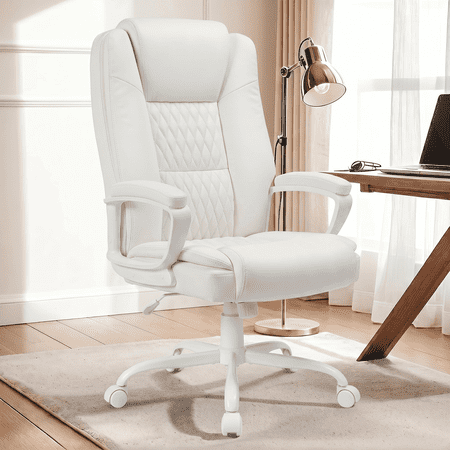
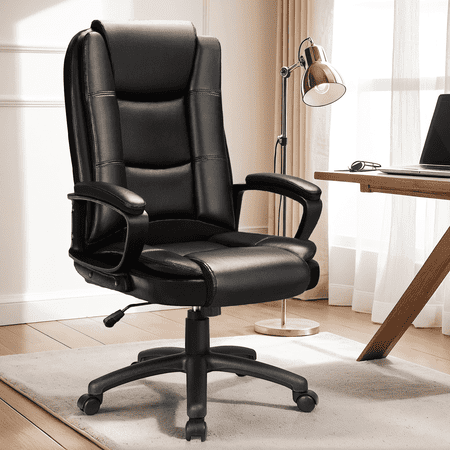
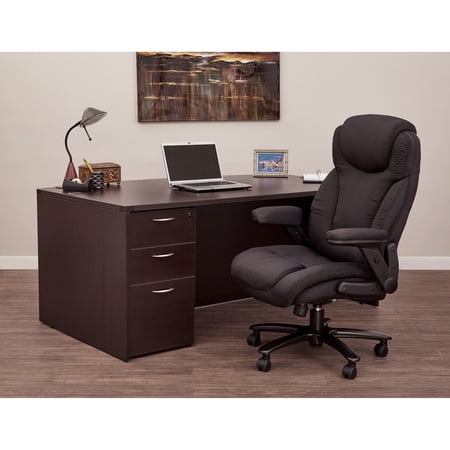
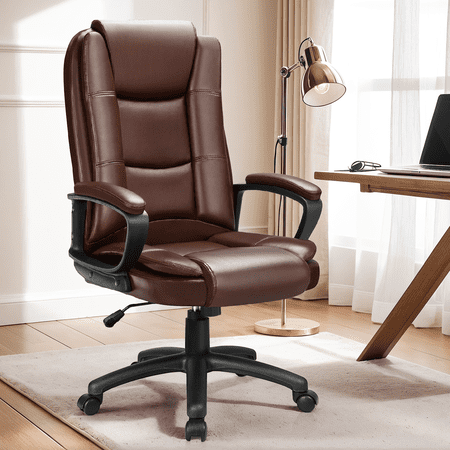
Why Standard Chairs Fail: The Case for Dedicated Big and Tall High Back Office Chairs
If you are 6'2" or taller, or carry more weight than the average office worker, you have likely experienced the frustration of a standard chair. The seat feels narrow, the backrest stops at your mid-back, and the gas cylinder struggles to maintain height. This is not just uncomfortable—it can lead to chronic pain and reduced productivity. According to ergonomic studies, nearly 40% of employees over 6 feet tall report that standard seating causes shoulder or neck strain. A big and tall high back office chair solves these problems with a reinforced frame, extended backrest, and wider seat, ensuring that your workstation supports you fully, no matter your size.
Industry Insight: The market for heavy-duty office seating has grown by 27% in the last five years. Manufacturers now use class 4 gas lifts (tested up to 500 lbs), dual-gear tilt mechanisms, and high-density foam that resists compression even after 10+ hours of use. Investing in a purpose-built chair reduces workplace fatigue by up to 50% for larger users.
Anatomy of a True Heavy-Duty High Back Chair
Not every chair labeled "big and tall" lives up to the name. To make an informed purchase, you need to understand the critical components that differentiate a robust chair from a standard one that merely looks large.
1. Frame Construction: Steel vs. Reinforced Polymer
The foundation of any durable chair is its frame. For big and tall applications, look for a one-piece steel frame or at least a steel-reinforced backrest. Some chairs use high-strength nylon composites, but steel offers the best long-term stability. A solid steel frame prevents the chair from twisting or creaking under load.
- Full steel frame: Maximum durability, ideal for users over 300 lbs.
- Reinforced polymer + steel inserts: Lighter but still capable, suitable for 250-350 lb range.
- TÜV or BIFMA certification: Ensure the chair meets recognized standards for stability and strength.
2. Seat Dimensions: Width, Depth, and Cushion Density
Comfort starts with the seat. A standard chair seat is roughly 19.5" wide and 18" deep. For big and tall users, you need at least 22" width and 20" depth. But dimensions aren't everything—the foam density matters greatly. High-resilience (HR) foam with a density of 2.5 lbs or higher will not bottom out. Some premium chairs use a combination of memory foam on top of a high-density base for contouring without sagging.
| Seat Feature | Standard Chair | Big & Tall Requirement |
|---|---|---|
| Width | 19-20 in | 22-26 in |
| Depth | 17-19 in | 19.5-22 in (with adjustable slider) |
| Foam Density | 1.8-2.2 lb | 2.5 lb+ or hybrid foam + springs |
3. Backrest Height and Lumbar Reach
A high-back chair is defined by its back height—usually 26 to 30 inches from the seat pan to the top of the headrest. This ensures that the curve of the backrest aligns with the thoracic spine of a tall person. But height alone is not enough; the lumbar support must be adjustable vertically to hit the natural curve of your lower back. Some chairs offer inflatable lumbar or dual-bladder systems for personalized pressure.
Headrest Inclusion
A padded headrest prevents neck craning. Look for height and angle adjustable versions.
Shoulder Support
Wider backrests (22"+) accommodate broader shoulders and prevent edge pressure.
Spinal Alignment
Tall backrests with S-curve design keep the spine neutral, reducing disc compression.
4. Gas Lift Classes: Why Class 4 or 5 is Non-Negotiable
The gas cylinder is the muscle that lifts and holds your seat height. Classes indicate durability: Class 2 (220 lbs), Class 3 (265 lbs), Class 4 (330 lbs), Class 5 (440+ lbs). For a true big and tall chair, insist on at least Class 4. Some heavy-duty models use Class 5 with a larger diameter piston. This ensures the chair won't slowly sink during the day.
5. Base and Casters: Stability on Any Floor
A 5-star base made of nylon is common, but for extreme weights, a steel or aluminum base is superior. The base should have a wide span (28 inches or more) to prevent tipping. Casters must match your floor type: soft rubber casters for hardwood, dual-wheel hard casters for carpet. Some heavy-duty chairs feature larger 3" casters for smoother rolling under load.
Here is a quick comparison of materials used in big and tall chair construction:
- Base material: Nylon (good up to 350 lbs), Aluminum (great for 400+ lbs), Steel (industrial, 500+ lbs).
- Caster type: Dual-wheel with metal core prevents breakage under heavy weight.
- Mechanism: Infinite back angle lock and weight-activated tilt are preferred over simple tilt.
Why High-Back Design Matters for Tall Executives
A high back isn't just about looks. Tall individuals often experience "desk neck" because standard chairs leave the head unsupported. A high-back chair with an integrated headrest allows you to lean back during phone calls or thinking sessions without straining your cervical spine. Studies from the American Chiropractic Association suggest that proper head support can reduce upper back tension by up to 35% in people over 6 feet tall.
Step-by-Step Selection Guide for Big and Tall High Back Chairs
Use this systematic approach to filter through the hundreds of options and find the perfect match for your body type and work style.
Step 1: Measure Your Body Dimensions
- Seat height range needed: Sit with feet flat; your thigh should be parallel to floor. Measure from floor to the back of your knee. Add 1-2 inches for shoe heel. You want a chair that reaches at least that height, ideally 20-24 inches max.
- Seat width: Measure across your hips at the widest point. Add 2 inches for comfortable clearance.
- Back height: Measure from your seat (while sitting) to the top of your shoulder. Add 4-6 inches if you want headrest support.
Step 2: Match Weight Capacity with Safety Margin
Always choose a chair rated 50-100 lbs above your current weight. This provides a safety buffer for the gas lift and mechanism, ensuring long-term reliability. If you weigh 320 lbs, a 400 lb capacity chair is a wise investment.
Step 3: Evaluate Adjustability Features
- Seat depth adjustment: Crucial for tall users to support thighs without pressure behind knees.
- 4D armrests: Width, height, depth, and pivot adjustments accommodate broader frames and varied tasks.
- Tilt tension with weight adjustment: Ensures the recline resistance matches your body weight.
Step 4: Consider Upholstery Material
Heavy-Duty Mesh
Breathable, flexible, but ensure it's high-tension mesh rated for large frames. Often used in task-oriented big and tall chairs.
Premium Bonded Leather / Top Grain
Classic executive look, easier to clean. Must have reinforced stitching and thick padding to prevent sagging.
Data-Driven: Why Proper Fit Increases Productivity
Research by the Human Factors and Ergonomics Society indicates that workers using properly fitted ergonomic chairs (including size-appropriate dimensions) report a 43% reduction in discomfort and a 21% increase in perceived productivity. For big and tall individuals, the numbers are even more pronounced because the baseline discomfort is often higher. A chair that fits like a glove allows you to focus on strategy, not shifting positions.
Frequently Asked Questions About Big and Tall High Back Office Chairs
Final Verdict: Invest in Your Long-Term Well-Being
Choosing a big and tall high back office chair is not a luxury—it is a necessity for anyone whose body type exceeds standard office furniture dimensions. By prioritizing steel frame construction, high-weight-rated gas lifts, wide seats, and adjustable lumbar support, you are investing in years of pain-free productivity. Whether you opt for a leather executive model or a breathable mesh task chair, ensure it meets the specific criteria outlined in this guide. Your back, shoulders, and focus will thank you.