
Why "Most Comfortable" Includes a Place to Rest Your Feet
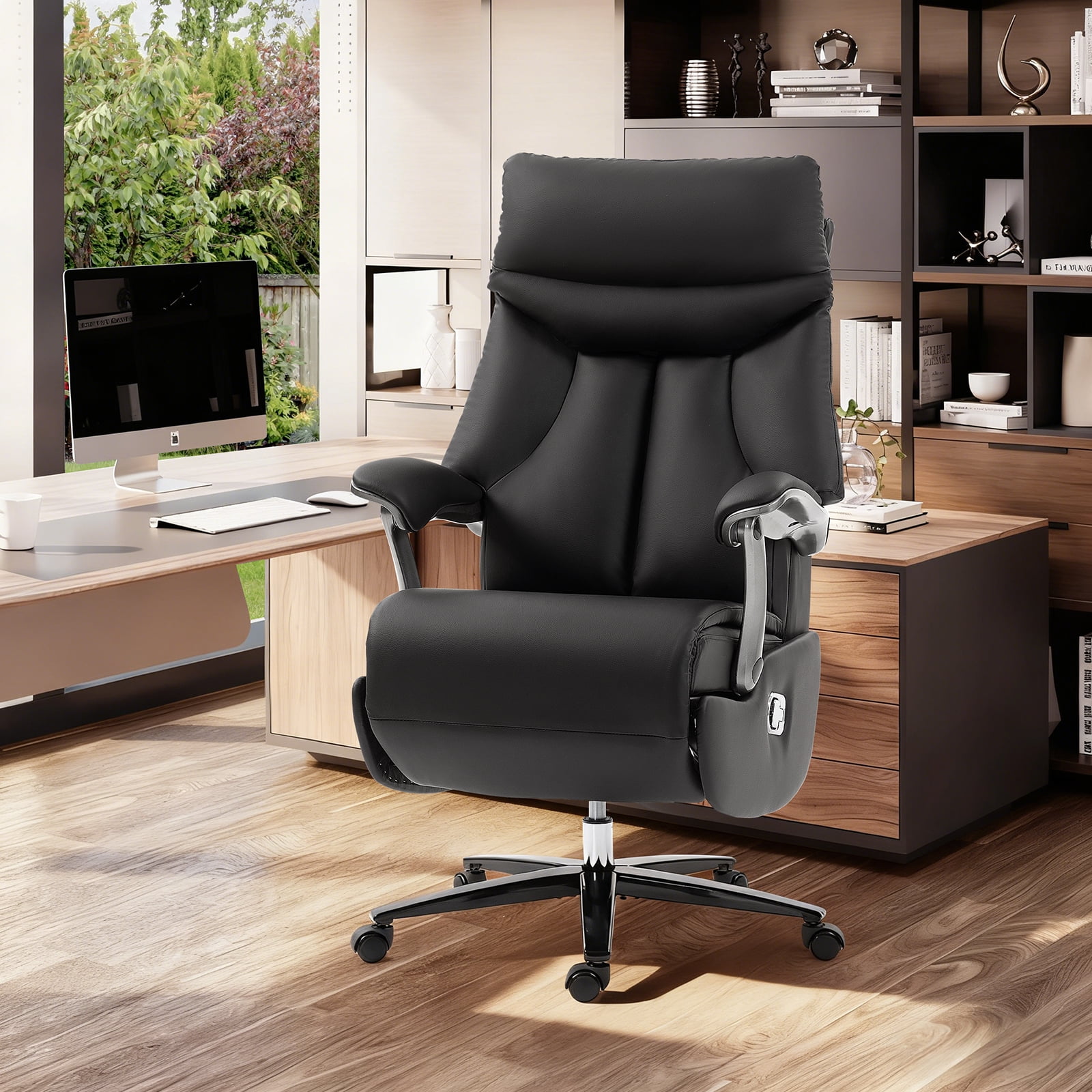
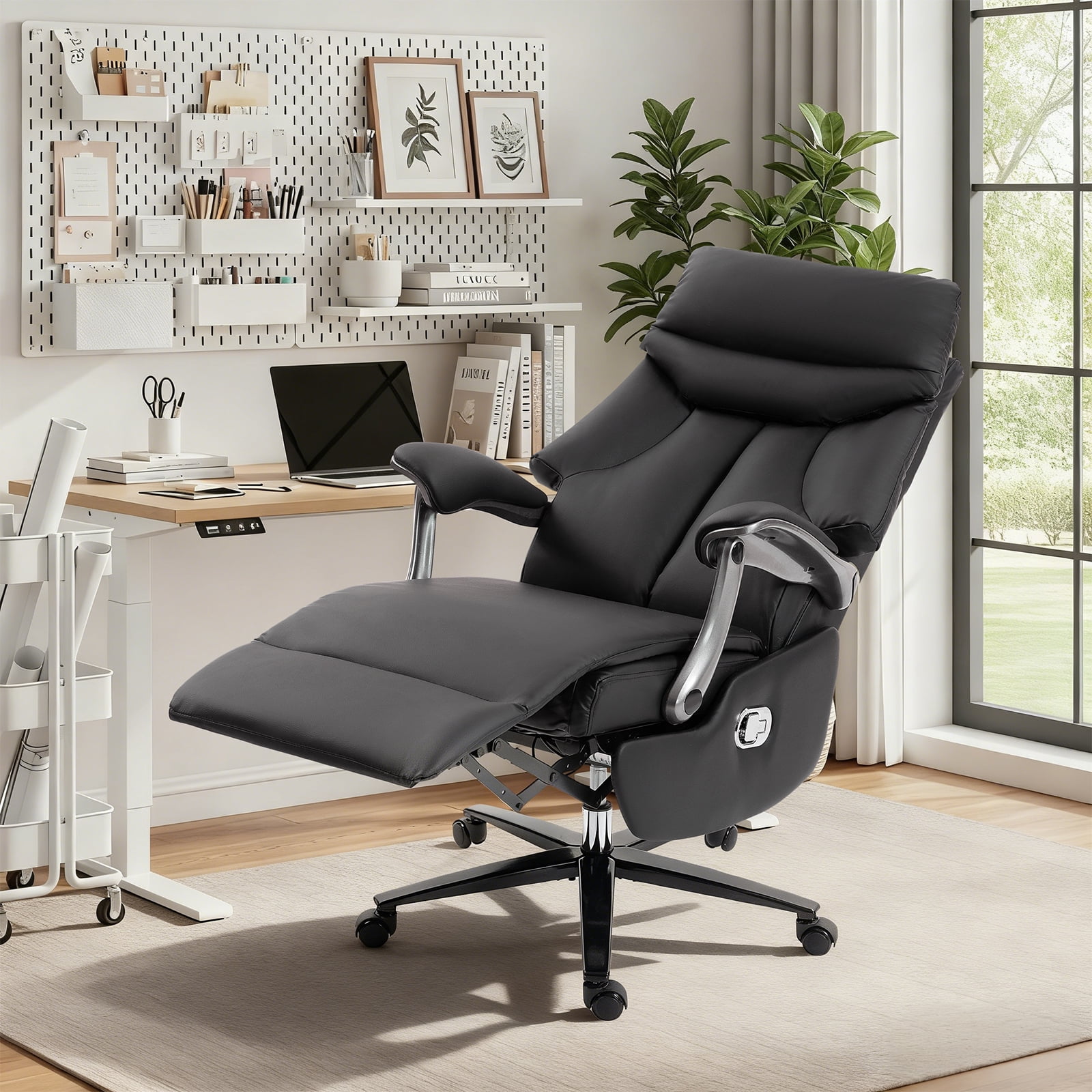
Imagine this: it's 3 PM, you've just finished a marathon strategy session, and your lower back is whispering complaints while your feet feel like they've run a 5K. You lean back in your chair, pull out a hidden footrest, and in an instant, the pressure is gone. This isn't a daydream; it's the reality for owners of the most comfortable office chair with footrest.
In the quest for the perfect workspace throne, comfort has evolved beyond just a padded seat. We now understand that true, all-day comfort involves supporting your entire body—from your lumbar spine down to your ankles. A footrest, especially one built right into the chair, isn't just a luxury; for many, it's an ergonomic necessity. This guide will walk you through everything you need to know to find your personal oasis of calm in the middle of your workday.
The Science of Comfort: More Than Just a Soft Cushion
Finding the most comfortable office chair with footrest requires understanding what "comfort" really means in a scientific sense. It's not just about sinking into a plush seat; it's about maintaining a neutral body posture that minimizes strain. A built-in footrest plays a starring role in this.
The 90-Degree Rule and Why Your Feet Matter
Ergonomists often talk about the "90-degree rule": your feet should be flat on the floor, with your knees and hips bent at roughly 90 degrees. However, this isn't always feasible, especially if you're taller or your desk height isn't adjustable. Furthermore, sitting still with feet planted for hours restricts blood flow and can compress the spine.
This is where a footrest changes the game. By allowing you to elevate your feet slightly, you shift the angle at your hips and knees. This can:
- Reduce Spinal Compression: A slight recline with feet up opens the angle between your torso and thighs, reducing pressure on your lumbar discs by up to 20%, according to some chiropractic studies.
- Improve Circulation: Elevating your legs helps blood and lymph fluid return from your lower extremities, reducing the risk of swelling and that "heavy leg" feeling after hours at a desk.
- Encourage Micro-Movements: The ability to change your position frequently—from feet flat to feet up—keeps your muscles engaged and prevents the stiffness that comes from being locked in one posture.
Beyond the Footrest: The Anatomy of True Comfort
A footrest alone doesn't make a chair the "most comfortable." It's the combination of features working in harmony. Think of the footrest as the final piece of a comfort puzzle. Here are the other essential pieces you must consider:
🦴 Advanced Lumbar Support
The foundation of comfort. Look for independent height and depth adjustment. This ensures the curve of the chair matches the natural inward curve of your lower back, preventing slouching and back fatigue.
🛏️ High-Density Foam Cushioning
Avoid cushions that feel like a hammock. High-density foam (often cold-cure foam) provides the perfect balance of softness and support. It conforms to your body without "bottoming out," ensuring your hips are properly aligned.
🌬️ Breathable, Adaptive Material
You can't be comfortable if you're hot and sweaty. Premium mesh or performance fabric allows air to circulate, keeping you cool. For fabric or leather chairs, look for those with breathable backrests or perforations.
🔄 Synchronous Recline Mechanism
This is key for chairs with footrests. A synchronous mechanism allows the backrest and seat to move together at a safe, supportive ratio (often 2:1 or 3:1). This keeps you stable and supported even in full recline, making the footrest truly effective.
5 Steps to Test If a Chair with a Footrest Is Right for You
Before you invest, run through this mental checklist. It will help you filter through the options and find the chair that best fits your body and workflow.
- Simulate Your Workflow: Sit in the chair and mimic your work. Can you easily reach your keyboard and mouse with your feet on the floor? Now, deploy the footrest and recline slightly. Does your eye line stay level with your monitor? If not, you might need a monitor arm.
- Check Footrest Deployment: Is the footrest mechanism smooth and easy to use? Does it feel sturdy when you put your weight on it, or does it wobble? A flimsy footrest is a deal-breaker for long-term comfort.
- Evaluate the "Sweet Spot": When your feet are on the rest, your thighs should be fully supported by the seat cushion. There shouldn't be pressure behind your knees. The footrest should be at a height that keeps your thighs parallel to the floor or with a slight downward angle.
- Listen to Your Body: Sit for a solid 15-20 minutes. Pay attention to any pressure points. Is the cushion too firm at the edges? Does the lumbar support hit the right spot? Discomfort in the first 20 minutes will only get worse after two hours.
- Test the Tilt Lock: If you plan to nap or deeply recline, ensure the chair has a lock for the recline position. A chair that springs back the moment you relax won't provide the restorative break you're looking for.
Built-in vs. Separate Footrest: The Great Debate
While this article focuses on integrated footrests, it's worth comparing them to separate units to understand their unique value.
Built-in footrests are the epitome of convenience. They are always there when you need them and neatly tucked away when you don't. They are perfect for smaller offices where a separate ottoman would be in the way. The best designs are padded and angled to match the chair's recline, creating a seamless, lounge-like experience. However, they are typically less adjustable than a separate footrest.
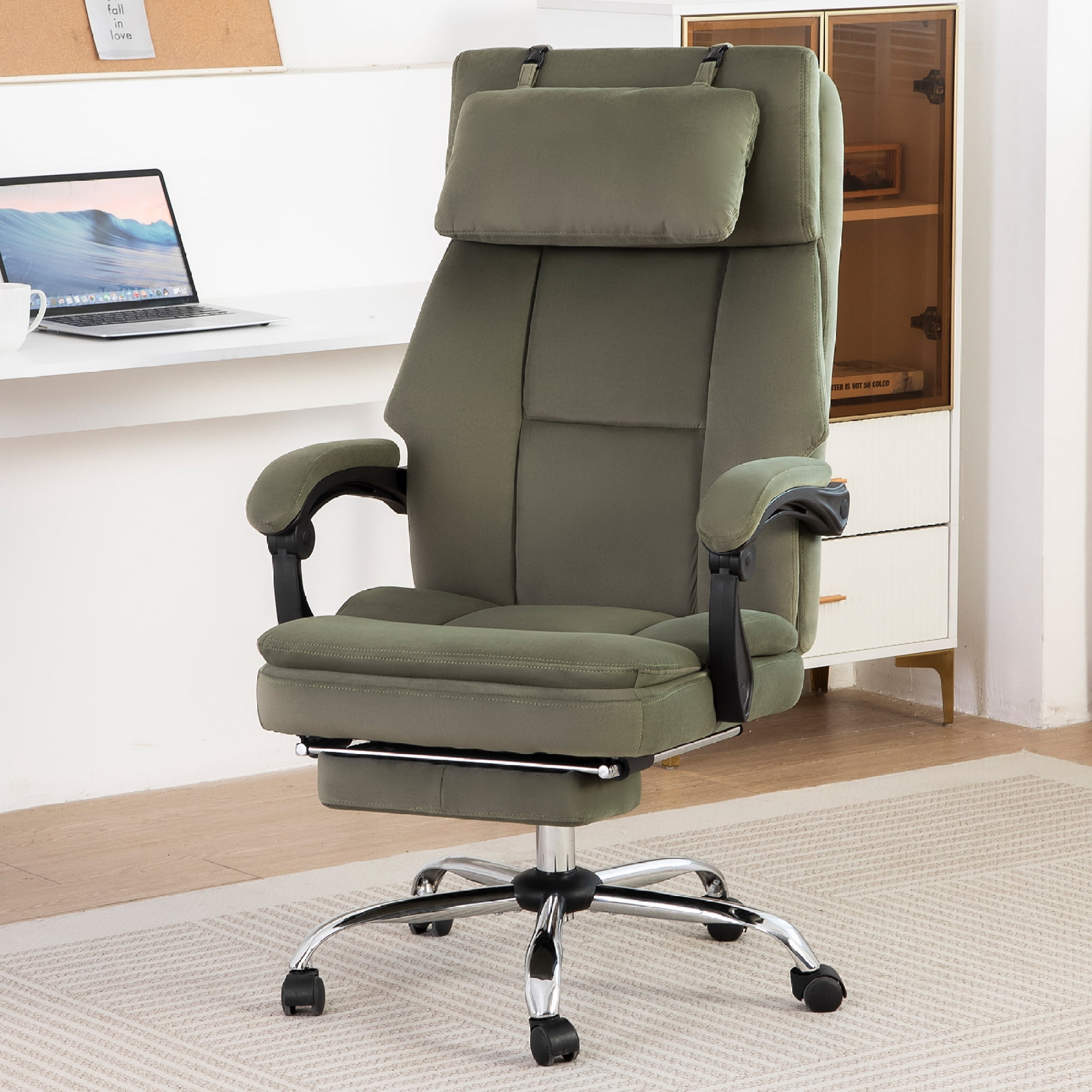
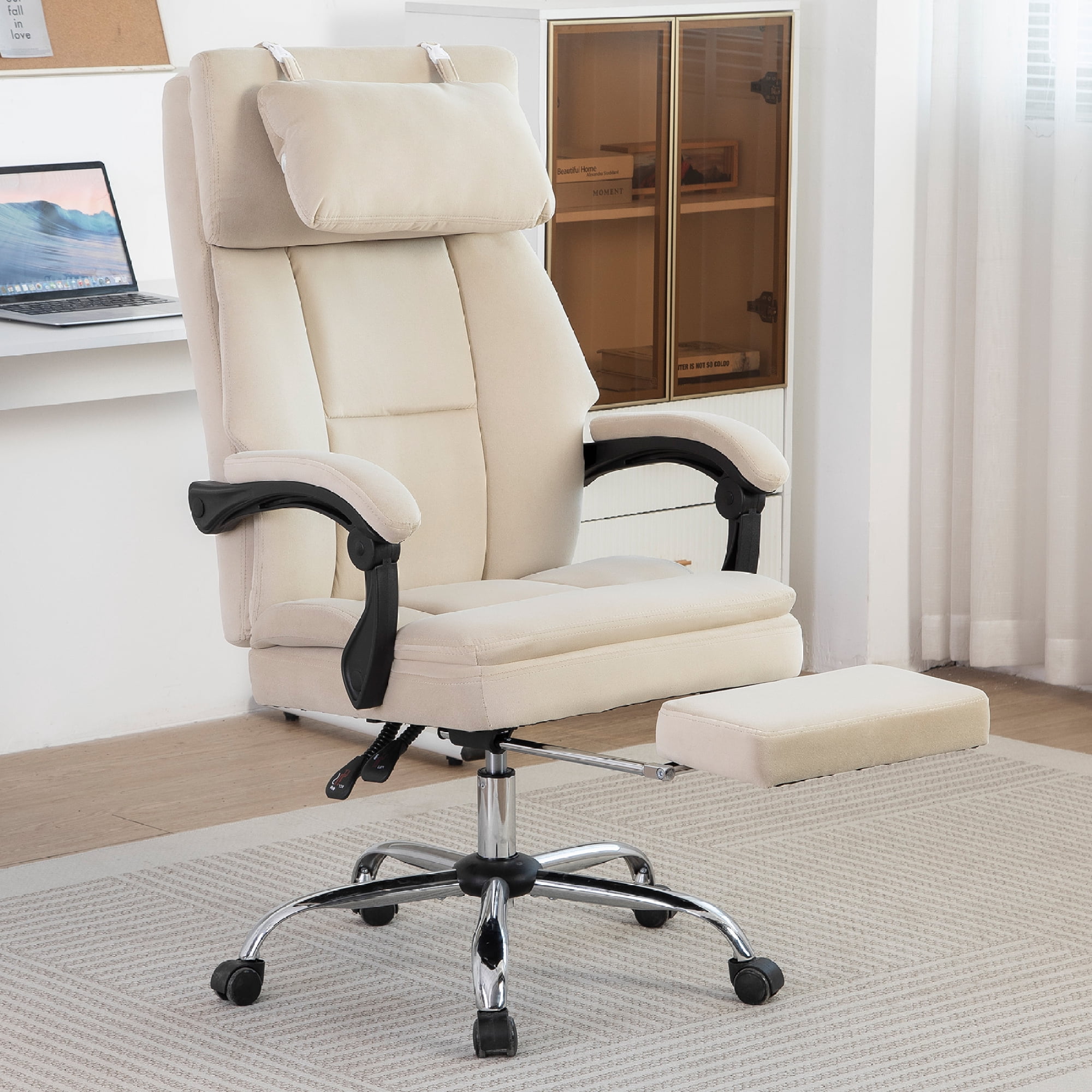
Separate footrests or ottomans offer maximum flexibility. You can position them anywhere, use them with different chairs, and find a huge variety of shapes and sizes. They are a great, affordable way to add comfort to your existing chair. The downside? They take up floor space and can be kicked out of place. For the ultimate in "most comfortable," a high-quality built-in footrest often wins for its streamlined, all-in-one design.
Frequently Asked Questions About Comfortable Office Chairs with Footrests
Conclusion: Invest in Your Well-Being
Finding the most comfortable office chair with footrest is a personal journey, but the destination is well worth the effort. It's an investment in your physical health, your daily mood, and your long-term productivity. By understanding the ergonomics, prioritizing key features like lumbar support and cushion quality, and considering how a built-in footrest fits into your routine, you can transform your workspace from a place of strain to a sanctuary of support.
Whether you're taking a power nap or simply shifting your posture to finish a report, the ability to put your feet up is a game-changer. Use the information in this guide, listen to your body, and choose a chair that will keep you comfortable and focused for years to come.