
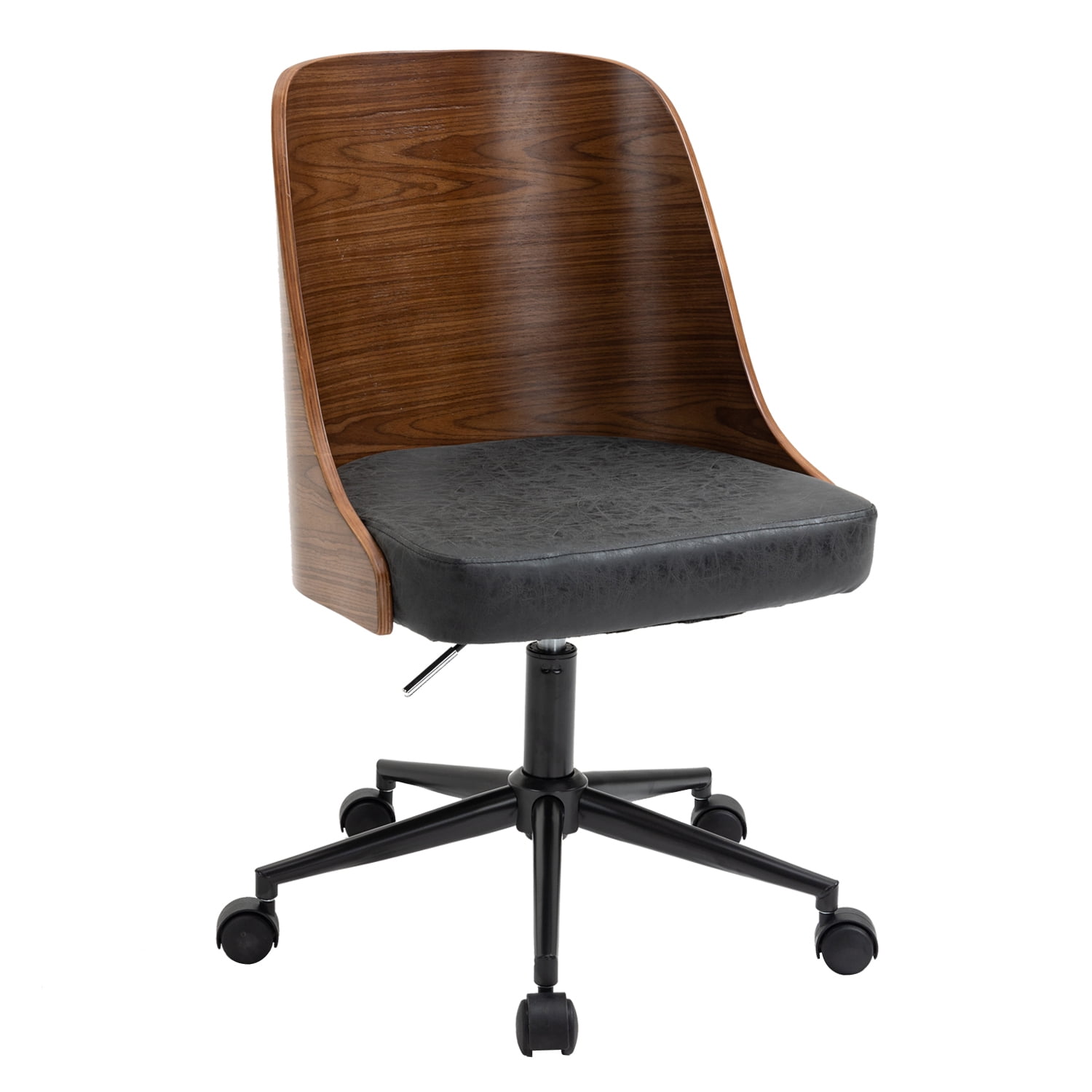
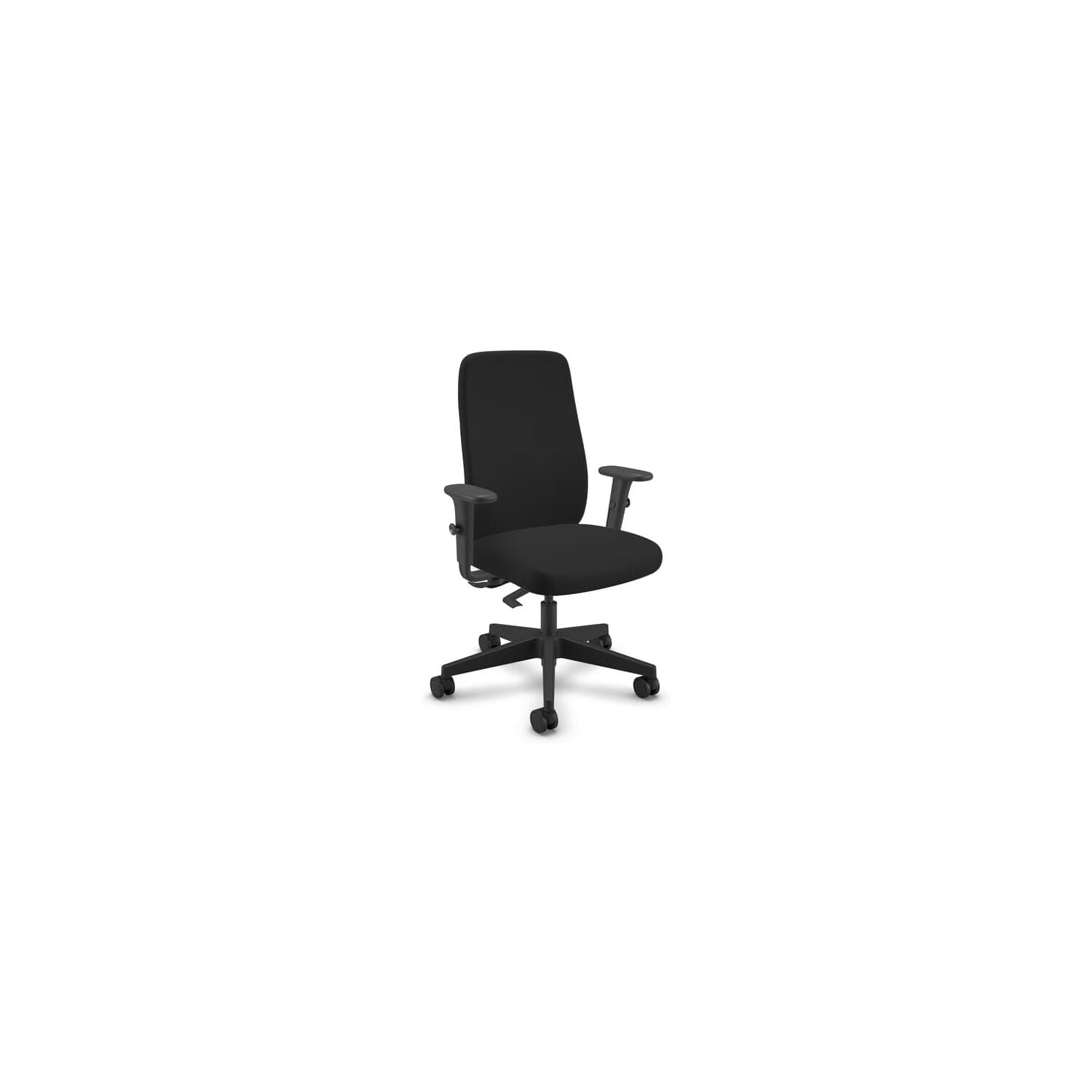
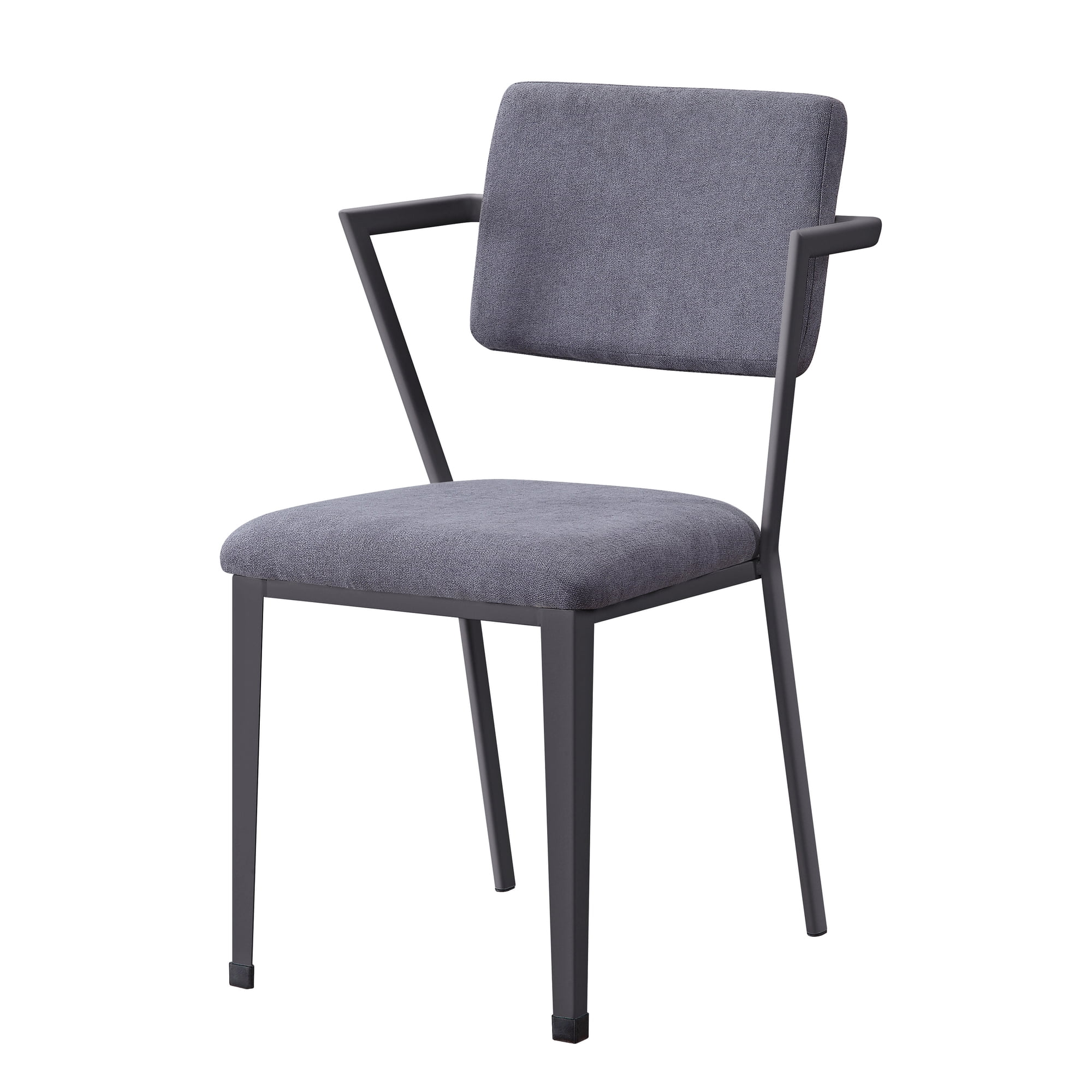
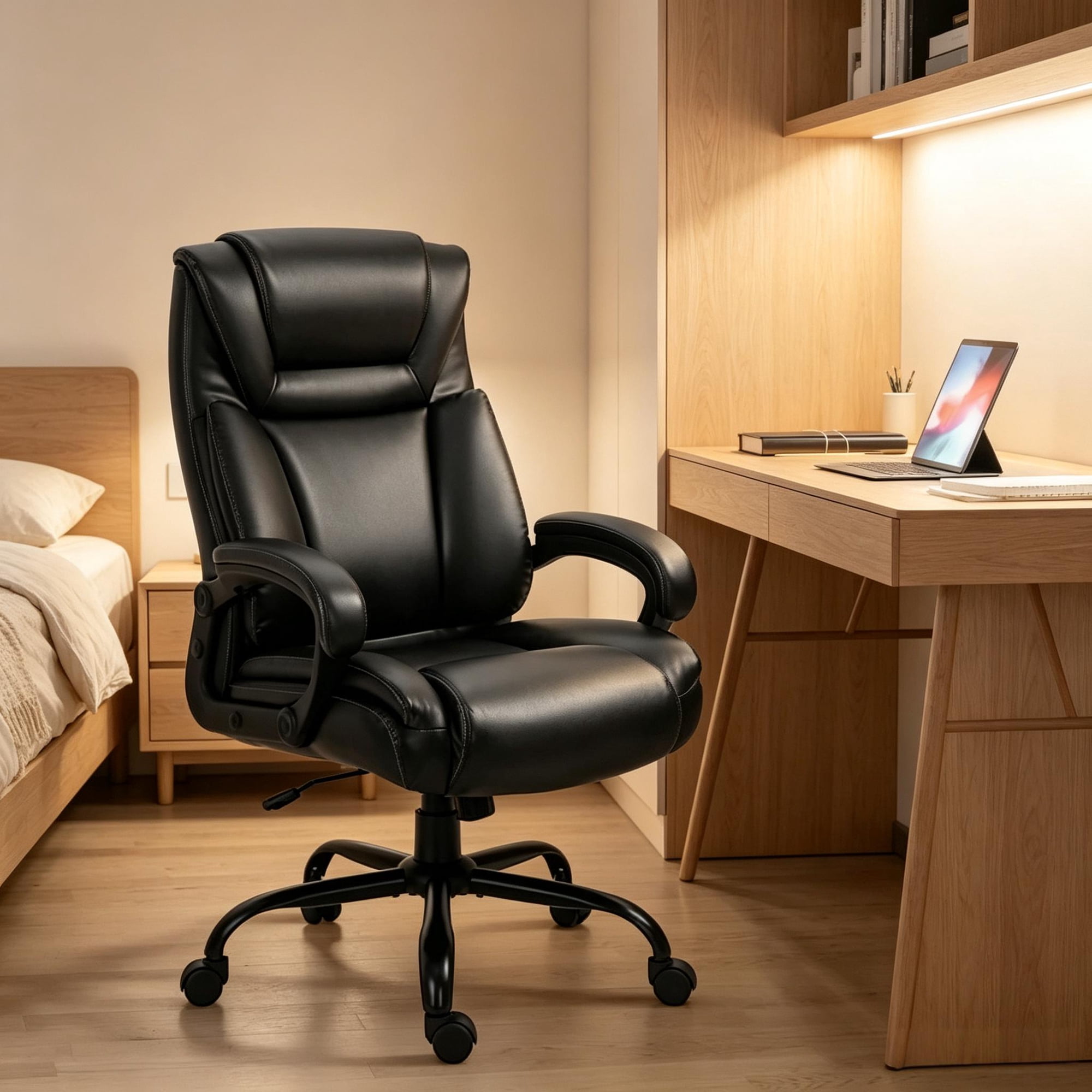
Why Your Back Deserves a Specialized Office Chair
Think of your spine as the central pillar of a high‑performance building. If the foundation (your chair) is misaligned, every floor above (neck, shoulders, focus) suffers. A standard task chair might get you through the day, but a purpose‑built office chair for back health actively supports your natural curvature, reducing fatigue and preventing long‑term damage. With 8 out of 10 adults experiencing back pain at some point (American Chiropractic Association), choosing the right seat isn't a luxury—it's a health necessity.
Did you know? A study from the National Institutes of Health found that using an ergonomic chair with adjustable lumbar support can reduce perceived lower back discomfort by up to 54% over a standard office chair. The right chair is an investment in your daily energy and future mobility.
Anatomy of a Back‑Healthy Chair: What Really Works?
Not every chair labeled “ergonomic” delivers true spinal support. Here are the non‑negotiable features to look for when searching for an office chair for back relief.
- Independent Lumbar Adjustment: The ability to move the lumbar pad both up/down and in/out (depth) is crucial. It fills the gap between your lower back and the chair, preventing slouching.
- Seat Depth (Slide) Mechanism: A seat pan that slides forward/backward ensures your thighs are fully supported without pressing behind the knees, which maintains pelvic alignment.
- Synchronous Tilt with Tension Control: This allows the backrest and seat to move in a natural ratio (usually 2:1 or 3:1), opening the hip angle and reducing spinal disc pressure when you recline slightly.
- Adjustable Armrests (4D): Arms that move up/down, sideways, forward/back, and pivot let you keep shoulders relaxed, preventing upper back and neck strain.
- Breathable, Supportive Material: High‑quality mesh or performance fabric cradles your shape and keeps you cool, reducing fatigue during long sits.
Surprising Facts: Posture, Disc Pressure & Sitting Dynamics
Modern ergonomics teaches us that the “perfect static posture” doesn't exist. The best office chair for back encourages micro‑movements. According to research from the University of Waterloo, sitting still for long periods starves spinal discs of nutrients. A chair with a flexible backrest or a “waterfall” seat edge promotes constant subtle shifts that keep blood flowing and discs hydrated.
Pressure mapping insight
Laboratory pressure mapping shows that a well‑designed contoured seat distributes your weight more evenly, reducing peak pressure on the sit bones by up to 30%. Less pressure = less fidgeting = better concentration.
Step‑by‑Step: How to Choose Your “Back‑Saving” Chair
Follow this simple evaluation method before you buy:
- Measure your body: Note your height, thigh length (from back of knee to hip), and the distance from your sitting surface to your shoulder blades. This helps match seat depth and backrest height.
- Identify your pain zone: Is it lower back (L5‑S1 area), mid‑back, or upper back/neck? Choose a chair with targeted adjustments. For lower back, lumbar depth is key; for upper back, look for a tall backrest or adjustable headrest.
- Consider your work style: Do you sit upright, lean forward, or recline? Chairs with “forward tilt” help if you tend to work at a drafting table; strong reclining tension helps if you like to rock back for thinking.
- Material matters for feel: If you run warm or sit long hours, breathable mesh is superior. If you want a more “luxury” feel, high‑density foam with leather or fabric can still be back‑friendly if the foam isn't too soft.
- Check weight capacity: A chair rated for your weight ensures the lumbar mechanism and gas lift will function safely and last longer.
Quick Guide: Chair Features vs. Back Pain Type
| Pain Area | Key Feature to Prioritize | Why It Helps |
|---|---|---|
| Lower back (lumbar) | Height‑ and depth‑adjustable lumbar support | Fills the spinal curve, prevents posterior pelvic tilt |
| Mid‑back / shoulder blades | Backrest height adjustment + wide back | Supports thoracic spine, allows shoulder blade movement |
| Neck / upper back | Adjustable headrest & 4D armrests | Keeps head aligned, relaxes shoulders |
| Hip / sciatica | Waterfall seat edge & seat depth slide | Reduces pressure on thighs and sciatic nerve |
Common Mistakes When Buying an Office Chair for Back
- Assuming “soft” equals “supportive”: Plush cushioning may feel cozy at first but often lacks the firmness needed for spinal alignment. Medium‑density foam or tension‑adjusted mesh usually works better.
- Ignoring the armrests: If your armrests are too low or wide, you'll hunch or lean sideways, twisting your spine. Always opt for adjustable width and height.
- Not testing the recline tension: A chair that reclines too easily or too stiffly won't be used properly. Look for easy‑to‑reach tension knobs.
- Buying based on looks alone: A stunning leather chair might lack the ergonomic adjustments your back craves. Prioritize function first, then style.
Frequently Asked Questions: Office Chair for Back Health
Final Verdict: Your Back Is Worth the Right Chair
Selecting an office chair for back health isn't about following trends—it's about respecting your body's architecture. Your spine supports you every moment; return the favor by giving it a seat that promotes alignment, reduces pressure, and adapts to your unique shape. Whether you're a remote worker, a executive, or a creative, a quality ergonomic chair pays dividends in comfort, focus, and long‑term wellness. Use the checklist above, test adjustments, and remember: the best chair is the one you forget about because you feel so good sitting in it.
Explore our curated product grid above—each chair is chosen with back support as the #1 priority.