
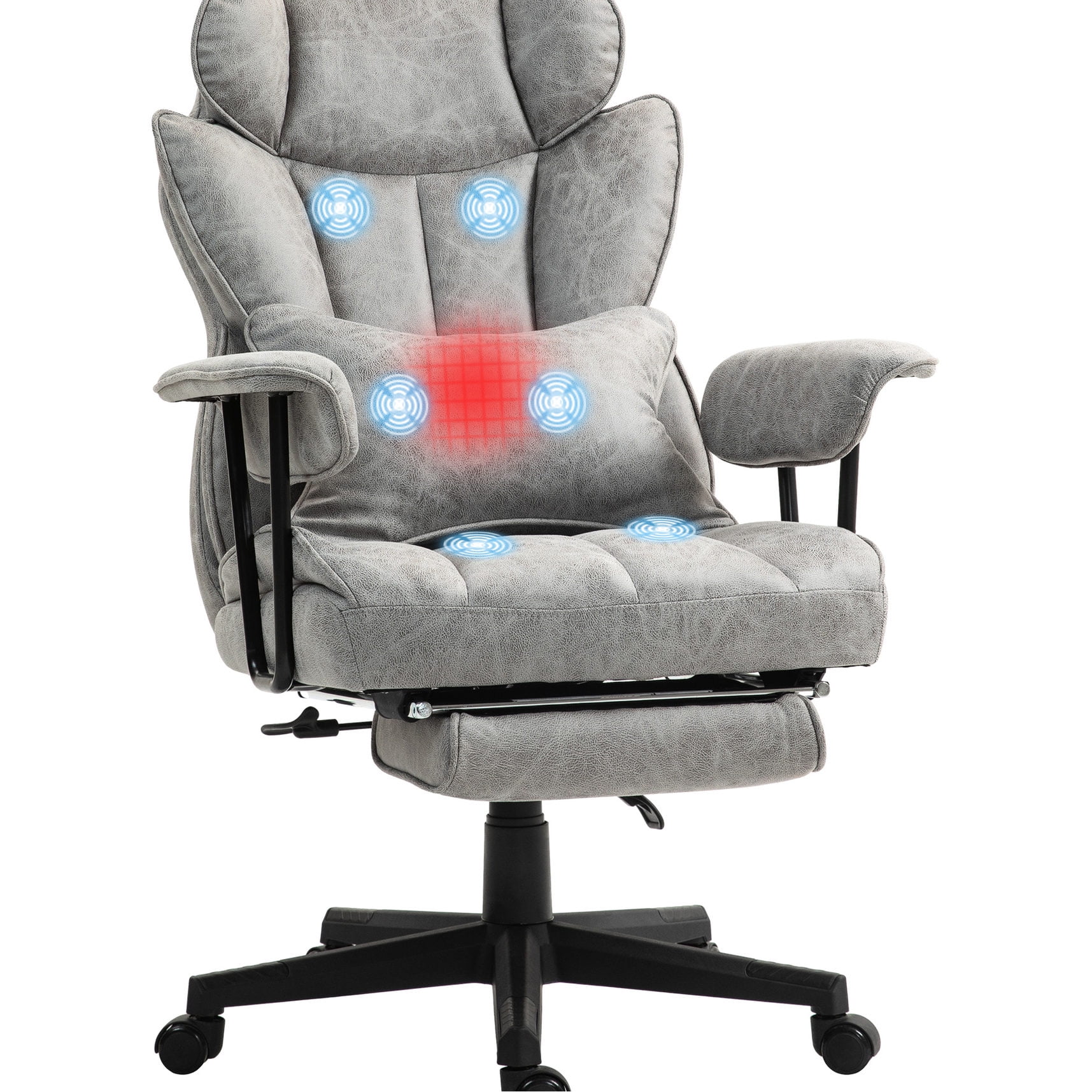
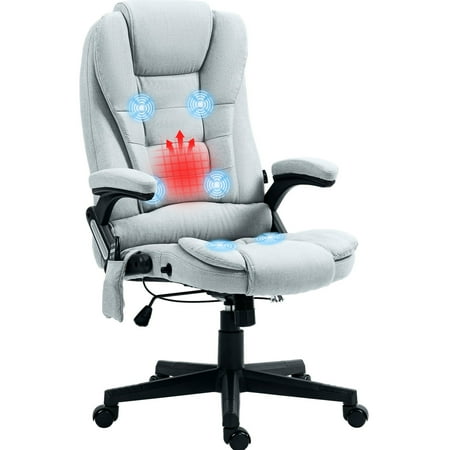
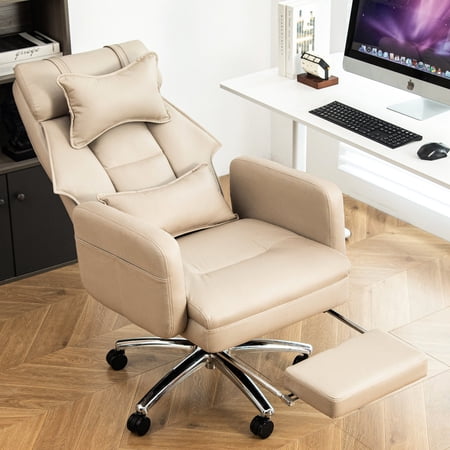
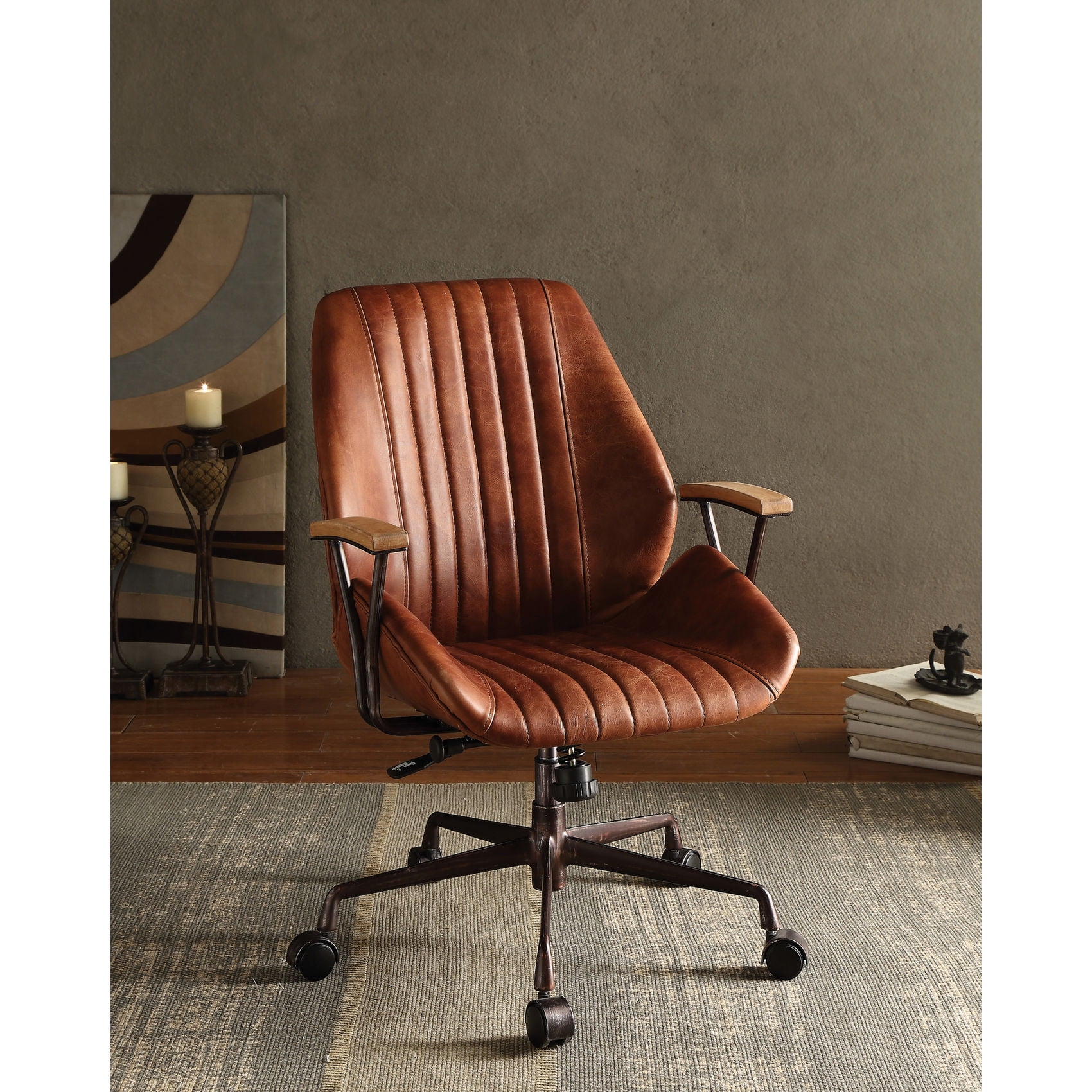
Why "Enjoying Your Office Chair" Matters More Than You Think
For many, an office chair is just a tool—something to sit on between tasks. But imagine a chair that feels like a natural extension of your body, where you can brainstorm, type, or take a call without a single thought about your back or hips. That's the essence of an enjoy office chair experience. It's not a luxury; it's a productivity booster and a health investment.
Did you know? According to a study by the American Posture Institute, workers who rate their seating as "highly comfortable" report 37% less distraction and 28% higher job satisfaction. The right chair helps you enjoy the journey, not just endure the work.
Anatomy of an Enjoyable Office Chair: What to Look For
An enjoyable chair doesn't happen by accident. It's the result of thoughtful engineering. Here are the pillars that transform a simple seat into a daily delight:
- Intuitive Adjustability: You shouldn't need a manual. Enjoyable chairs have levers and mechanisms that are easy to reach and understand. Look for seat height, armrest width/height, and tilt tension that you can adjust while seated.
- "Invisible" Support: The best support is the one you don't notice. A chair with good lumbar support makes you forget you have a lower back—it just feels right. Dynamic backrests that move with you are key.
- Breathable, Friendly Materials: No one enjoys a sweaty back. High-quality mesh or permeable fabric allows airflow, keeping you cool. For cushioning, memory foam or high-resilience foam provides that "just right" sink-in-but-supportive feel.
- Smooth as Butter Movement: Enjoyment includes how the chair interacts with your space. Premium hardwood/carpet casters and a sturdy base make gliding from your desk to a side table effortless and quiet.
Beyond Basics: 3 Surprising Features That Boost Enjoyment
While lumbar support and seat depth are critical, some features take "enjoyment" to the next level. These are the details you'll appreciate weeks after purchase.
1. Synchronized Tilt Mechanism
Instead of just leaning back, the seat and backrest move in a harmonious ratio (usually 2:1 or 3:1). This keeps your feet planted and your vision angle consistent, whether you're typing upright or reclining for a think. It feels incredibly natural.
2. 4D Armrests with Soft Padding
Armrests that adjust up/down, left/right, forward/back, and even pivot are game-changers. You can rest your arms exactly where they naturally fall, reducing shoulder strain. The material should be slightly soft—not hard plastic—for a pleasant tactile experience.
3. Weight-Activated Recline
Some higher-end chairs use your body weight to control recline resistance. No bulky knobs—just lean back and the chair responds perfectly to your size. It feels intuitive and almost "smart," adding to the seamless enjoyment.
Workstyle Match: Finding Your Enjoyment Profile
How you work dictates which chair you'll enjoy most. Let's break it down by persona:
- The Focused Mover (ADHD / high energy): You shift positions often. Look for a chair with a flexible back, waterfall seat edge, and a smooth-rolling base. A mesh back lets you move without overheating. Enjoyment comes from freedom of movement.
- The Steady Leader (long meetings / deep work): You sit for hours at a stretch. Prioritize plush, high-density foam, adjustable lumbar, and a headrest. Enjoyment means zero pressure points after hour four. Leather or high-end fabric works well.
- The Multitasking Creator (swiveling / reaching): You're constantly turning to reference materials or a second screen. A chair with strong synchro-tilt and stable casters is vital. Enjoyment is about the chair becoming a stable, mobile base for your dynamic work.
Common Myths That Ruin Your Chance to Enjoy an Office Chair
Let's clear up misconceptions that lead to disappointing purchases:
- Myth: "More padding always means more comfort." Too much soft padding can cause poor posture and fatigue over time. Supportive, medium-firm foam is usually better for all-day enjoyment.
- Myth: "Expensive chairs are only for executives." Many ergonomic chairs in the $400-$800 range offer exceptional enjoyment. Price doesn't always equal pleasure; fit does.
- Myth: "You'll get used to any chair eventually." Your body adapts to discomfort by tensing muscles, leading to long-term issues. Don't "get used to" a bad chair—find one you enjoy from day one.
Real-World Data: What Makes Users Truly Enjoy Their Chair?
A recent survey of 1,500 remote workers by "Ergo-Insights" (2024) asked what feature contributed most to "enjoying their workspace chair." The top answers were:
- 42% – Adjustable lumbar support that fits their curve.
- 28% – Seat depth that doesn't press behind the knees.
- 18% – Armrests that allow relaxed shoulders.
- 12% – The look and feel of the material (aesthetics matter for enjoyment too!).
This shows that enjoyment is highly personal, but support features consistently top the list.
Frequently Asked Questions: Your Path to an Enjoyable Office Chair
Conclusion: Make "Enjoy" the Core of Your Seating Choice
Your office chair is your cockpit, your command center. It should be a source of energy, not fatigue. By focusing on adjustability, support that works with your body, and materials that feel good, you can transform your work life. Whether you're a CEO, a freelancer, or a hybrid worker, the goal is the same: find a chair that lets you enjoy the process. Start with the recommended models above, use our guide, and take the first step toward a more enjoyable workday.