
Why “comfortable” and “ergonomic” must go hand in hand
Have you ever sunk into a plush armchair that felt amazing for the first 30 minutes, only to stand up with a stiff back? That’s the difference between soft comfort and ergonomic comfort. A truly comfortable ergonomic office chair acts like a supportive teammate: it gently reminds you to sit well, yet it’s so cushiony that you forget you’re sitting at all. In this guide, we’ll explore how modern engineering has merged cloud-like materials with spinal science — so you can power through your workday without counting the minutes until you can stand up.
Research insight: A study published in the Journal of Physical Therapy Science found that workers using ergonomic chairs with adjustable lumbar support reported a 54% decrease in low back discomfort compared to static office chairs. Comfort isn’t just a luxury — it’s a productivity lever.
Anatomy of a comfortable ergonomic chair: beyond the cushion
We often think of “comfort” as purely padding. But a chair that feels great at 9:00 AM can feel like a torture device by 3:00 PM. Real, lasting comfort comes from dynamic support. Let’s dissect the layers:
• Contoured foam vs. memory foam: what’s the difference?
High-density foam retains its shape and provides firm support — ideal for maintaining posture. Memory foam conforms to your unique body shape, distributing weight evenly. Many premium chairs now use a memory foam seat with a firmer core, preventing the “bottoming out” effect. According to materials engineers, a density of at least 50 kg/m³ ensures the cushion won’t sag after six months.
• Breathability: the silent comfort killer
Imagine a perfectly padded chair that turns into a sauna after an hour. That’s why breathability is a cornerstone of comfort. 3D mesh backs allow air to circulate, keeping your back dry. Some high-end models incorporate cooling gel into the seat foam — a game-changer for warm climates or if you run hot.
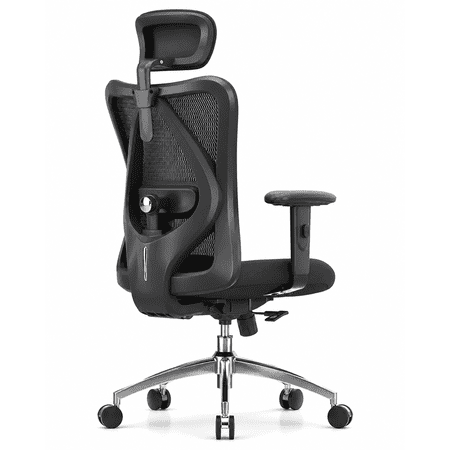
Active Lumbar
Lumbar support that moves with you as you recline, ensuring your lower spine is always cradled. No more “gap” between back and chair.
Waterfall Seat Edge
The front of the seat curves down gently, relieving pressure behind the knees. Improves blood circulation and prevents leg numbness.
4D Armrests
Armrests that adjust height, width, depth, and angle. They support your elbows and forearms, relaxing shoulders and neck.
Synchronous Recline
The backrest and seat tilt together at a ratio (often 2:1 or 3:1). Keeps you in a healthy angle while reducing pressure on discs.
The “Goldilocks” principle: not too soft, not too hard
There’s a myth that ergonomic chairs are rock-hard. In reality, the most comfortable ones use zoned density: firmer foam in the seat center to support the pelvis, softer foam at the edges for comfort. Think of it like a high-end mattress — support where you need it, plushness where you want it. The ideal chair should make you feel “hugged,” not “suspended.”
Step-by-step: how to pick YOUR comfortable ergonomic office chair
Not every “comfortable” chair will fit your body. Use this methodical approach to avoid a costly mistake.
- Measure your “sit bone” width. Sit on a flat surface, lean forward, and feel the bony protrusions. Measure the distance between them. Your seat pan should be at least 2 inches wider than that distance. Most people need a seat width of 18–22 inches.
- Check seat depth range. When you sit back, you should have 2–4 fingers of space between the back of your knee and the seat edge. Adjustable seat depth (slide function) is a must for shared or multi-user chairs.
- Test recline tension with your body weight. Light users need a mechanism that’s sensitive. Look for chairs with adjustable tension knobs — you should be able to lean back with moderate effort but not feel like you’re fighting the chair.
- Consider your floor and mobility. If you’re on hardwood, soft rubber casters (often called “rollerblade wheels”) will protect floors and roll silently. For thick carpet, larger dual-wheel casters prevent sticking.
Pro tip from physical therapists: “The best ergonomic chair is the one you forget you’re sitting on. If you’re constantly fidgeting or shifting, the chair isn’t adapting to you. Pay extra for adjustable lumbar depth — it’s the feature most people overlook but makes the biggest difference.” — Dr. Emily Tran, DPT
Data snapshot: features that boost comfort
| Feature | Comfort impact (1-10) | Why it matters |
|---|---|---|
| Adjustable lumbar (height+depth) | 10 | Fills the small of your back precisely, preventing slouching. |
| Seat tilt + tension | 9 | Allows dynamic sitting — subtle movements keep blood flowing. |
| Breathable mesh back | 8 | Eliminates sweaty back, keeping you fresh and focused. |
| Padded armrests (height adjustable) | 7 | Relieves shoulder tension, especially for keyboard/mouse work. |
| Headrest (2D or 3D adjustable) | 7 | Supports neck during reclined moments — critical for phone calls. |
Material considerations: fabric, mesh, or leather?
Your choice of upholstery directly influences both immediate comfort and long-term satisfaction. Here’s how they stack up for “comfortable ergonomic” needs.
• Performance Mesh (breathable + resilient)
Mesh is the champion of airflow. Modern “polymer mesh” is slightly elastic, providing a hammock-like support that conforms to your back’s shape. Best for: people in warm climates, or those who prefer a cooler seat. Look for mesh with varying weave densities — tighter in the lumbar for support, looser in the upper back for flexibility.
• Multi-layer fabric (soft + sturdy)
High-quality woven fabric (often a blend of polyester and spandex) offers a soft, non-sticky feel. Some chairs combine fabric on the seat with mesh on the back — a hybrid approach. Best for: home offices where you want a cozy, residential feel without sacrificing durability. Many “boucle” and textured fabrics are trending for 2025.
• Premium leather or leatherette
Genuine leather breathes better than synthetic leather, but both can feel warm in summer. However, leather is easiest to clean and develops a patina over time. Best for: executive settings where aesthetics matter, or if you tend to spill coffee (leather wipes clean). If you choose leather, look for “perforated” sections to improve breathability.
Think of materials like a high-end car seat: you wouldn’t want a leather seat without ventilation in Arizona, nor a scratchy fabric in a cool climate. Match the material to your environment and skin sensitivity.
Special comfort needs: sciatica, pregnancy, or long-torso
If you have specific physical conditions, your definition of “comfortable” shifts. Here’s what to look for:
- Sciatica or herniated disc: A waterfall front edge is non-negotiable. Also look for a seat that tilts forward slightly — this opens the hip angle and reduces pressure on the sciatic nerve.
- Pregnancy (any trimester): Lumbar support that is height-adjustable (to match changing curve) and a seat with extra depth adjustment to accommodate posture shifts. Many mothers love chairs with a “forward tilt” lock.
- Tall individuals (over 6’2”): High backrest (at least 30 inches) and adjustable headrest. Also, verify that the seat pan extends to support thighs fully — 20+ inches of depth.
- Petite frames (under 5’4”): Look for chairs with a smaller backrest and shallow seat depth. Some brands offer “short person” editions with lower cylinder heights.
Selecting a comfortable ergonomic chair is an investment in your daily well-being. The right chair pays dividends in focus, reduced pain, and even fewer sick days. In the next section, we answer the most frequent questions about these chairs.
Frequently Asked Questions: comfortable ergonomic office chairs
Conclusion: your path to a pain-free workday
A comfortable ergonomic office chair is not a splurge — it’s the tool you use more than any other piece of office equipment. By focusing on adjustability, breathability, and materials that suit your environment, you can transform your work experience. Remember the golden rule: the chair adapts to you, not the other way around. Start by identifying your must-have adjustments (lumbar depth? headrest?) and then use our product grid above to compare real-world options. Your back will thank you, and your productivity will soar.
Still unsure? Many brands offer 30-day home trials — take advantage of them. Sit in the chair for a full workday, and if it doesn’t feel like “your” chair, send it back. The perfect comfortable ergonomic chair is out there, and now you know exactly how to find it.