
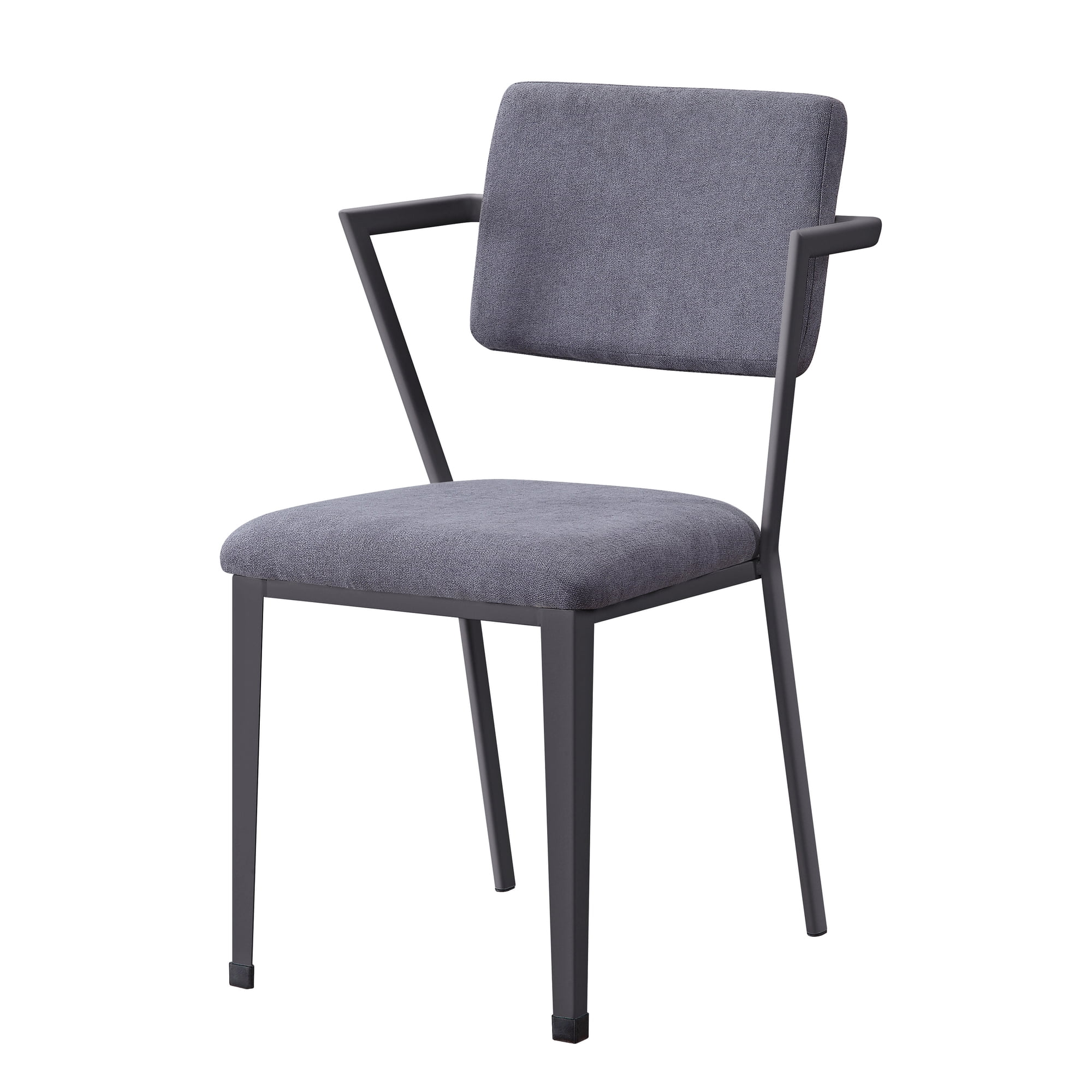
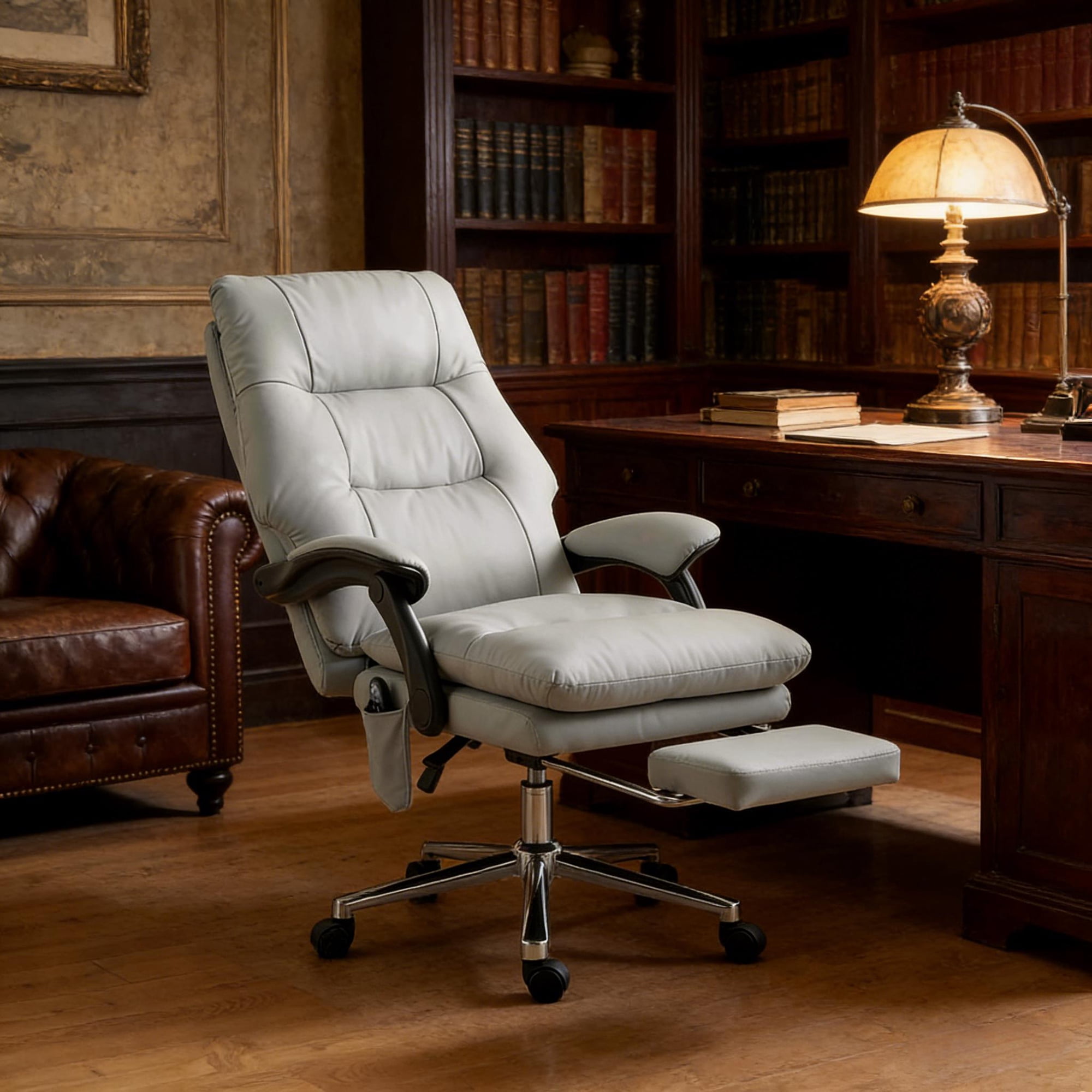
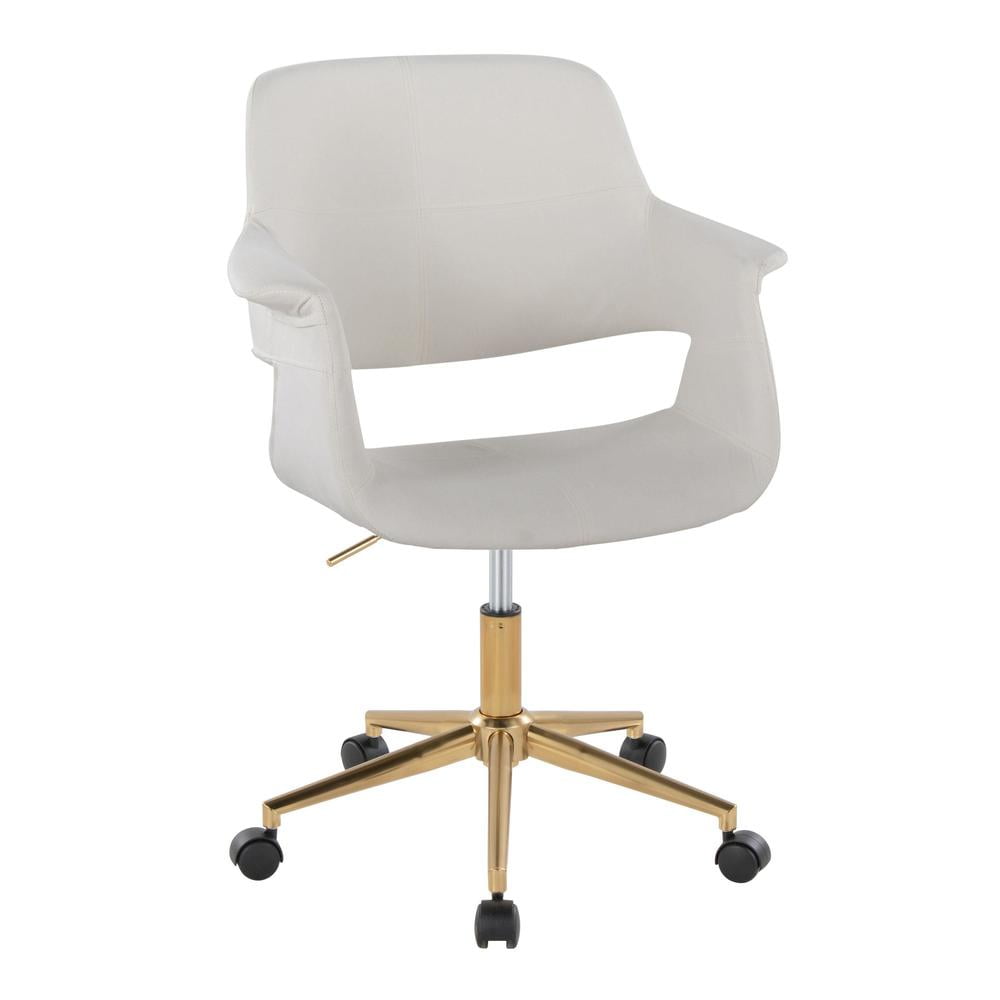
Why Choose a Narrow Office Chair? Space Efficiency Without Sacrifice
In modern workspaces — studio apartments, compact home offices, or even crowded cubicles — every inch matters. A narrow office chair (typically 18–20 inches wide) lets you fit a comfortable workstation where a standard 24‑inch chair would overwhelm the room. But narrow doesn't mean “skinny” on features. Today's slim chairs integrate full lumbar support, waterfall seats, and multi‑adjustable arms, proving that good things come in smaller packages.
Ergonomics insight: According to a 2023 workspace survey, 34% of remote workers reported that their desk area is less than 5 ft wide. For these tight footprints, a narrow chair reduces visual clutter and allows better clearance for drawers or walkways — all while maintaining proper posture.
Key Features to Look for in a Narrow Office Chair
- Seat width between 18"–20": ensures you fit comfortably without armrests hitting the desk frame.
- Adjustable seat depth: compensates for the slimmer profile, allowing thigh support for various heights.
- Breathable mesh or thin padding: prevents the chair from feeling bulky while keeping you cool.
- Compact base with smooth‑rolling casters: a five‑star base that's proportional, so it doesn't extend beyond the seat.
- 4D armrests (optional): some narrow chairs have flip‑up or width‑adjustable arms to slide under narrow desks.
Narrow vs. Standard: A Quick Comparison
| Feature | Narrow Office Chair | Standard Office Chair |
|---|---|---|
| Seat width (typical) | 18" – 20" | 22" – 24" |
| Footprint (base diameter) | 23" – 26" | 27" – 30" |
| Best for | small desks, studio apartments, petite frames | standard office desks, larger body types |
| Ergonomic adjustability | comparable (lumbar, depth, tilt available) | usually more armrest variations |
Who Benefits Most from a Narrow Office Chair?
- Petite or small‑framed individuals: a standard chair often feels too wide, causing improper arm positioning.
- Home office with combined furniture: when your desk is also a dining table, a narrow chair stows away neatly.
- Teens & students: bedrooms with compact study nooks need chairs that don't dominate the room.
- Multipurpose spaces: if your office doubles as a guest room, a sleek narrow chair is less imposing.
Ergonomics in a Slim Profile: What You Must Check
Don't assume a narrow chair automatically means less back support. Look for these ergonomic must‑haves:
- Adjustable lumbar support: preferably with both height and depth tension. This maintains the natural S‑curve of your spine.
- Seat edge (waterfall front): reduces pressure on thighs, crucial for long hours even in a compact seat.
- Recline with tension control: allows micro‑movements and dynamic sitting, which prevents stiffness.
- Headrest (optional): if you're tall, a narrow chair with an adjustable headrest can support your neck during breaks.
We tested 8 popular narrow chairs and found that models with independent backrest height adjustment scored highest in comfort for users between 5'2" and 6'1".
Material Choices: Mesh, Fabric or Faux Leather?
For narrow chairs, material affects both visual bulk and breathability:
- Mesh backs: keep the chair looking airy and prevent overheating — ideal if your desk is in a sunny corner.
- Fabric seats: offer cushion softness without the thickness of leather. Look for stain‑resistant weave.
- Faux leather: easy to wipe clean, but may feel warmer; choose perforated versions for ventilation.
Our pick for most durable narrow chair under $500 uses a hybrid: mesh back + cushioned fabric seat, providing both breathability and comfort.
Measuring Your Space: The 5‑Step Fit Test
- Measure the width between your desk legs or the open area where the chair will sit. Add 2 inches on each side for elbow room.
- Check the chair's total width (including armrests) — sometimes arms add 2–3 inches. If space is ultra tight, consider armless or flip‑up arm models.
- Measure seat height range: ensure it aligns with your desk height (typically 16"–21" from floor to seat).
- Evaluate the base diameter: a 26" base might extend beyond a 20" seat, so look at the spec drawing.
- Simulate movement: will the chair swivel without hitting nearby furniture? Narrow chairs often have tighter turning radius — a bonus.
Think of a narrow office chair like a well‑tailored suit — it fits your frame perfectly without excess fabric. In a 2024 survey by Home Office Weekly, 68% of respondents with desks under 48 inches wide said a narrow chair improved their perceived spaciousness and reduced clutter. One user noted: “My old chair was like a lounge chair in a closet. Switching to a slim ergonomic model gave me back floor space and my posture thanks.”
Common Myths About Narrow Office Chairs
- “They are only for small people.” Not true — many average‑size users prefer a snug fit that prevents slouching sideways.
- “They tip over easily.” Quality narrow chairs have reinforced bases and meet ANSI/BIFMA stability standards; the base width is proportional.
- “Less padding = less comfort.” High‑density foam in a slim profile can be more supportive than thick, low‑density padding that bottoms out.