
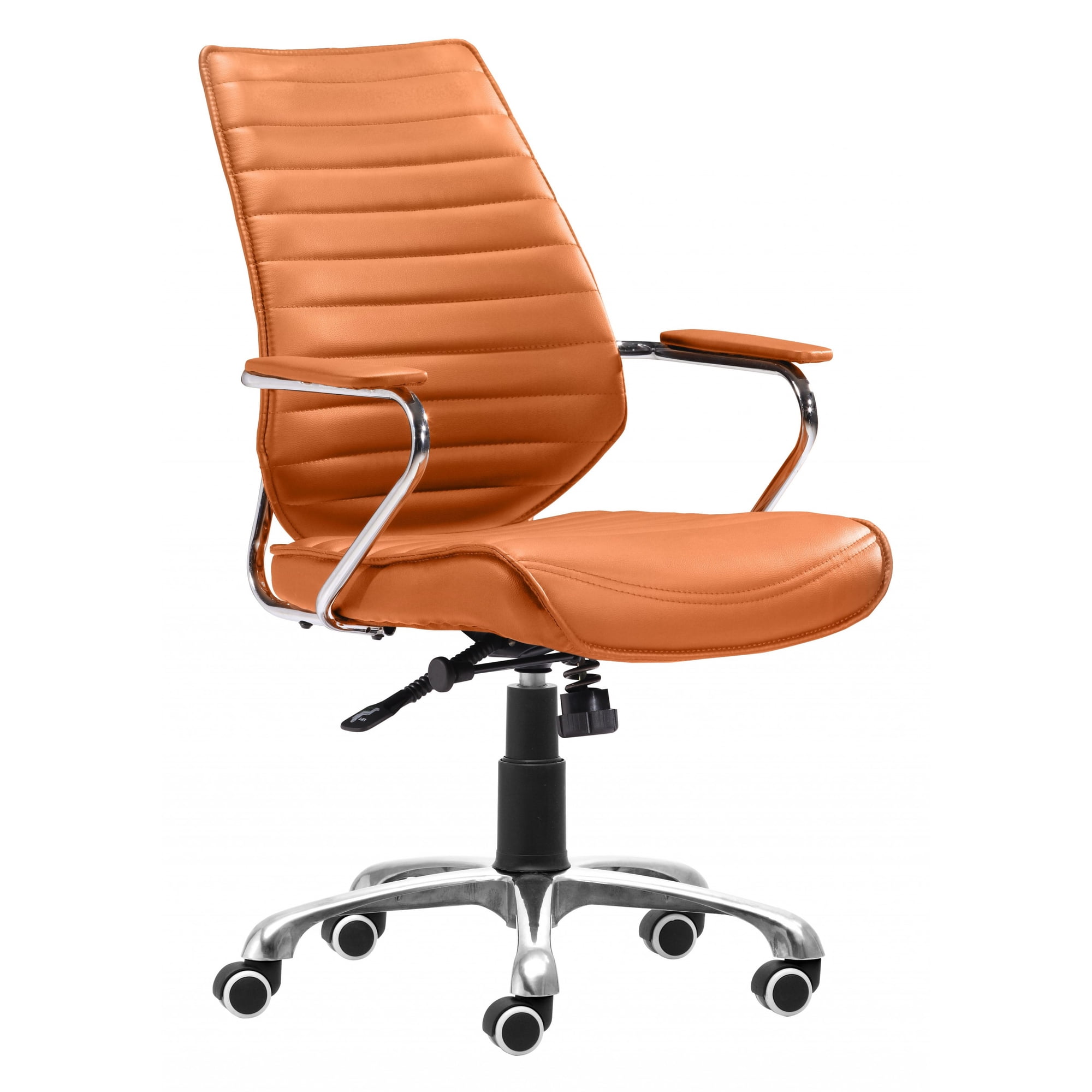
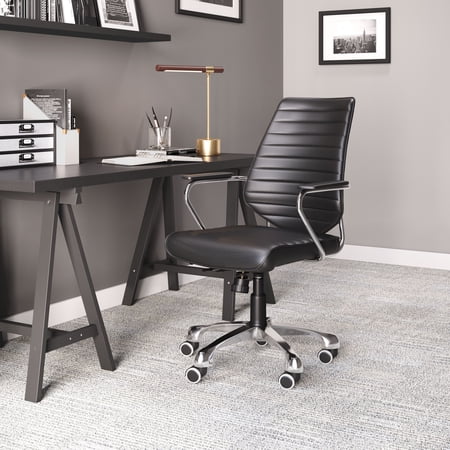
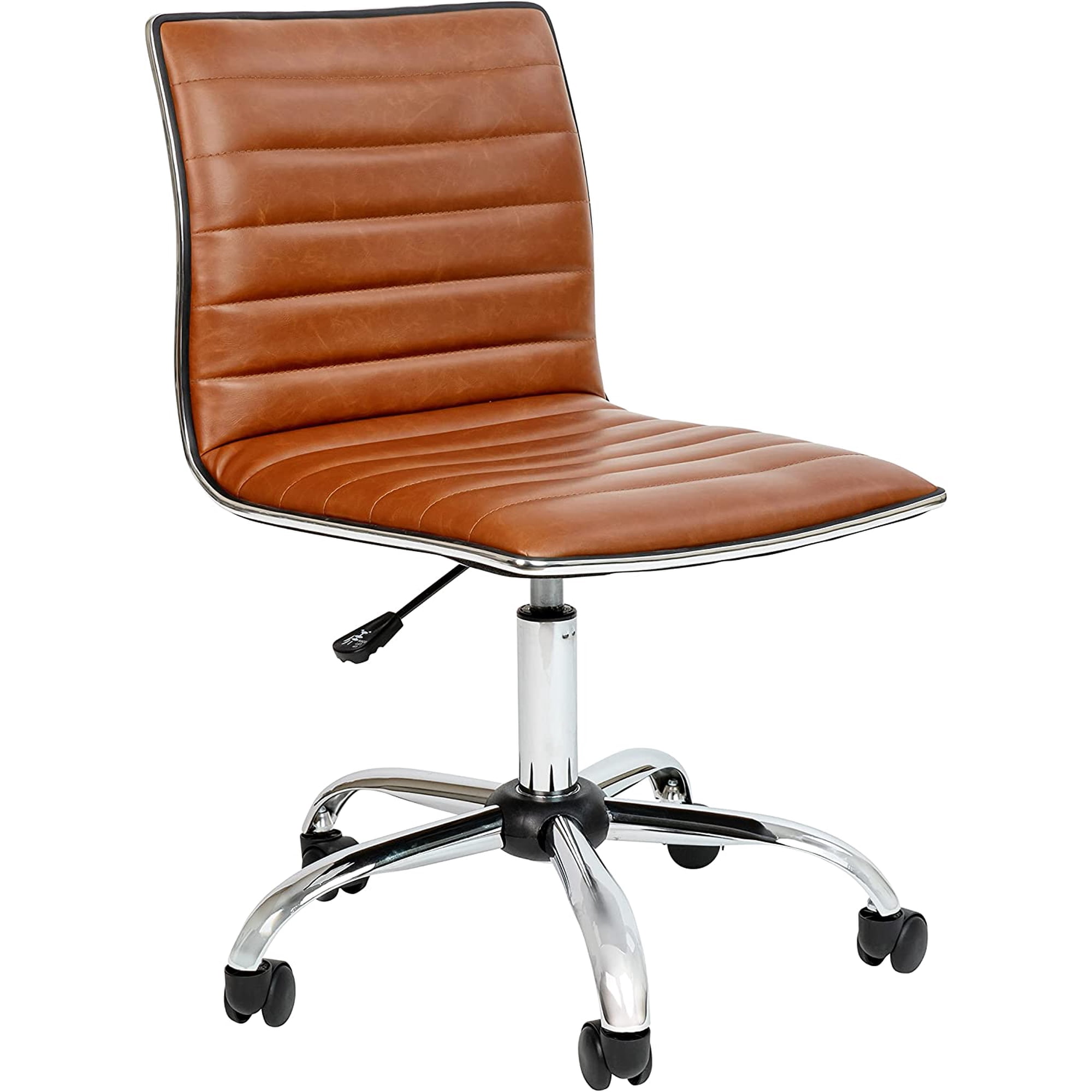
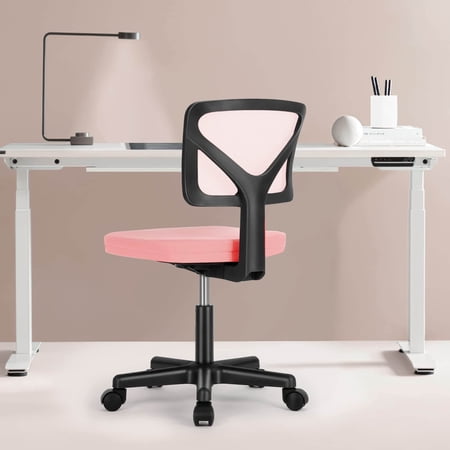
Why a Low Back Office Chair Might Be Your Best Ergonomic Choice
When you picture an office chair, a tall, high-back executive seat probably comes to mind. But for many work styles—especially those involving drafting, collaborative desk hopping, or simply a preference for openness—a low back office chair (often called a task chair) is the unsung hero of productivity. It’s like wearing a lightweight athletic shoe instead of a heavy boot: you gain agility, freedom, and just the right support exactly where you need it.
Ergonomics Insight: Studies from the Human Factors and Ergonomics Society suggest that chairs with a backrest below the shoulder blades can actually encourage more frequent posture changes. This micro-movement helps nourish spinal discs and reduces the stiffness associated with sitting still for hours.
Understanding the Low Back Chair: Not Just a "Shorter" Chair
Unlike mid- or high-back chairs that support the entire torso, a low back chair typically ends below the shoulder blades—often around the mid-back region. This design is intentional: it provides targeted support for the lumbar spine and lower thoracic area while leaving the upper back and shoulders free to move. It's the difference between a firmly supportive car seat (low back) and a full racing bucket seat (high back). Both are safe, but they serve different purposes.
Who Benefits Most from a Low Back Office Chair?
- Designers, Architects & Drafters: Leaning forward over a slanted table is natural with a low back chair. The missing top half means you won't bump your head or shoulders when reaching for tools.
- Collaborative Workspaces: In open offices or huddle areas, low back chairs don't visually block sightlines. They keep the space feeling open and airy.
- Home Offices with Standing Desks: Many low back models are available as drafting stools with extended cylinders, allowing you to switch between sitting and standing seamlessly.
- Users with Broad Shoulders or Tall Torsos: Sometimes a "one-size-fits-all" high back hits a tall person in the wrong spot. A low back eliminates that issue, focusing only on the lower body alignment.
Core Ergonomics: What to Look for in a Low Back Task Chair
Don't let the compact size fool you: a quality low back chair should pack serious ergonomic punch. Here’s a breakdown of must-have features:
Adjustable Lumbar Support
Since the back is low, its curve must match your spine’s lumbar curve. Seek chairs with a height-adjustable or depth-adjustable lumbar pad. This is non-negotiable for all-day comfort.
Seat Depth Adjustment
A sliding seat pan lets you set the right distance from the backrest to the back of your knees. You want 2-3 finger widths of space behind your knees.
Dynamic Tilt Mechanism
A good low back chair encourages movement. Look for a synchro-tilt or knee-tilt mechanism that allows the seat and back to move together, keeping your feet planted while you recline slightly.
Low Back vs. High Back: A Quick Comparison
Imagine you're driving a sports car (low back) versus a luxury sedan (high back). The sports car lets you feel the road and move your shoulders to check blind spots; the sedan cradles you for a long, relaxed cruise. Both are comfortable, but the context changes.
| Feature | Low Back (Task) Chair | High Back Chair |
|---|---|---|
| Upper Body Support | None – promotes free movement | Full shoulder & head support |
| Ideal For | Drafting, collaborative tasks, active sitting | Long-haul focused work, lounging, napping |
| Space Perception | Open, unobtrusive, low profile | Commanding, private, enclosed feel |
| Typical Adjustability | Lumbar, seat depth, tilt tension, height | All of left, plus headrest & shoulder angle |
Materials & Aesthetics: The Modern Task Chair Palette
Low back chairs often embrace contemporary design. Here are the most common materials and why they matter:
- Breathable Mesh: Ideal for the backrest. It keeps you cool and provides a flexible, conforming surface. Many task chairs use a mesh back with a foam seat.
- Molded Foam (with fabric or leather): Offers a firmer, more structured feel. Often found in 'executive task chairs' that blend low-back convenience with premium upholstery.
- Polypropylene or Wood: Some minimalist or "perch" stools use rigid shells with a slight flex. These are great for short-duration, active sitting (like in a design studio).
5-Step Guide to Selecting Your Ideal Low Back Chair
- Measure your work surface height: Standard desks are ~29-30 inches. Drafting tables or standing desks may be 36-42 inches. Choose a chair with the correct cylinder range (standard vs. tall/drafting).
- Assess your lumbar sensitivity: If you have lower back pain, prioritize chairs with independent lumbar adjustment. Test the curve with your hand.
- Check seat width and depth: Ensure the seat pan is wide enough for your hips (usually 19-22 inches) and deep enough to support your thighs without pressure.
- Test the tilt resistance: A good task chair lets you recline smoothly. Look for a tension knob that you can adjust while seated.
- Consider the base and casters: For carpets, soft casters; for hardwood, hard casters (or invest in rollerblade-style wheels). A sturdy nylon or metal base is a must.
Frequently Asked Questions About Low Back Office Chairs
Conclusion: The Smart Choice for Agile Workspaces
A low back office chair isn't a compromise—it's a strategic choice for specific workflows. If your day involves collaboration, drafting, or you simply dislike the feeling of a high backrest restricting your shoulders, this category offers ergonomic solutions that are both stylish and effective. Remember to prioritize lumbar adjustability, seat depth, and the right height for your desk. By focusing on these core features, you'll find a chair that keeps you comfortable, mobile, and productive.
Browse our curated selection of low back task chairs above, and feel the difference that purposeful, minimalist design can make in your daily routine.