
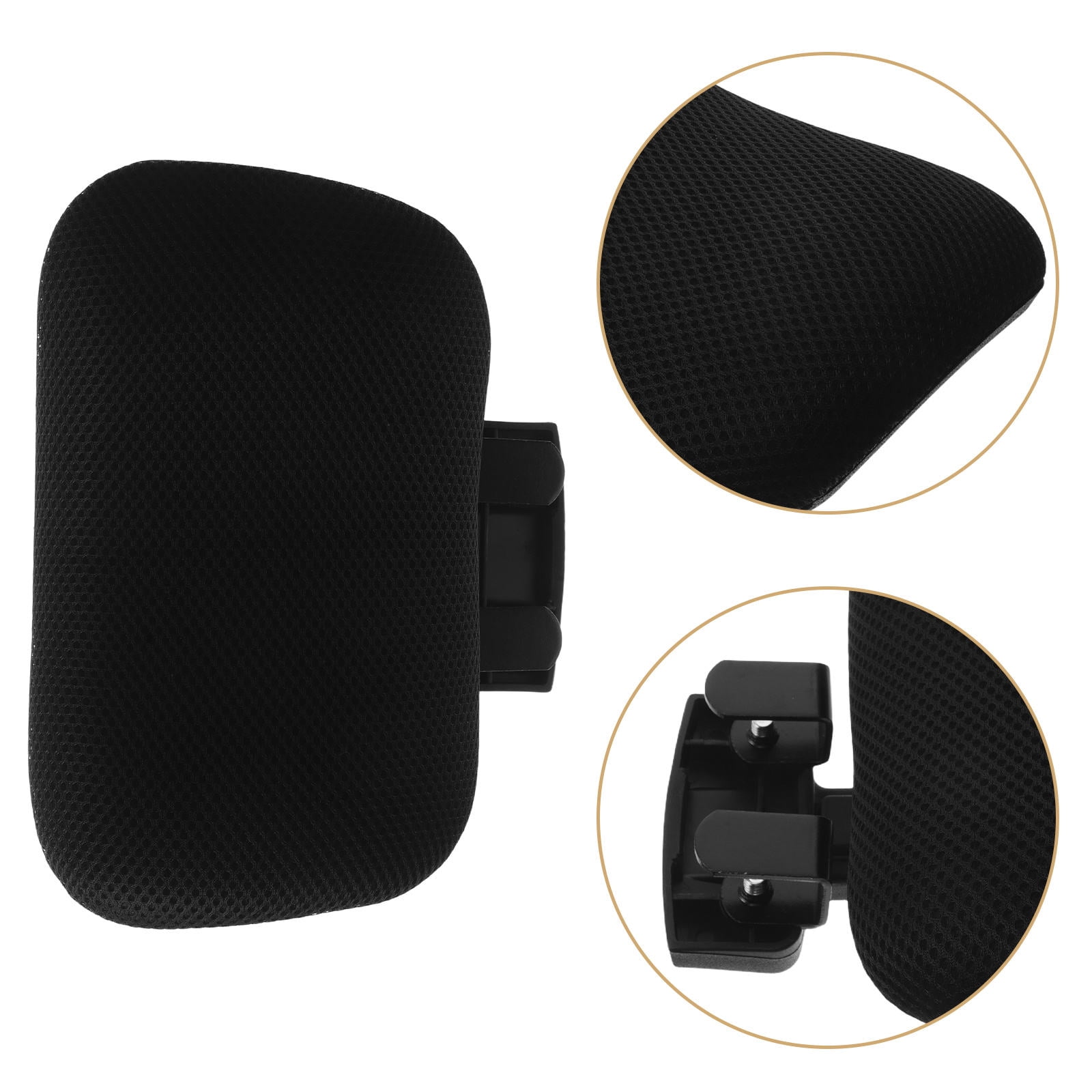

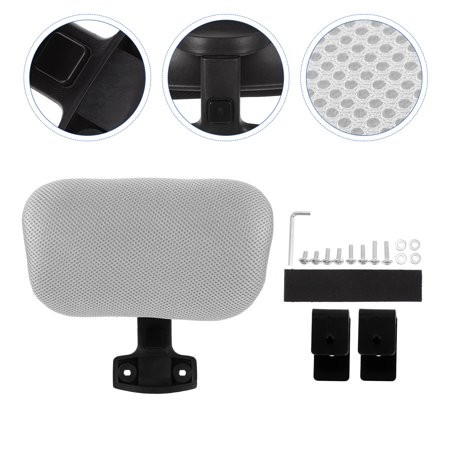
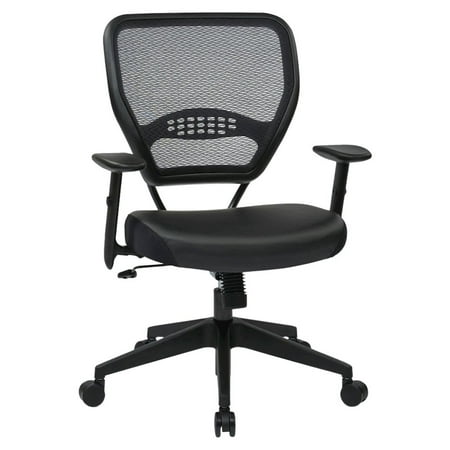
Why Your Next Office Chair Must Have Neck Support
Imagine holding a 10-pound bowling ball with your arm fully extended. That's the strain your neck endures when you lean forward toward a screen without support. An office chair with neck support acts like a helpful hand, cradling the weight of your head and allowing the muscles in your neck and shoulders to relax. For knowledge workers, designers, or anyone logging eight-plus hours at a desk, a chair with a well-designed headrest isn't just comfortable—it's a tool for long-term health.
Ergonomic Insight: Studies from the National Institute for Occupational Safety and Health (NIOSH) indicate that poor neck posture can increase compressive forces on the cervical spine by up to 300%. A supportive headrest helps maintain a neutral spine position, potentially reducing the risk of chronic conditions like cervicogenic headaches and text neck syndrome.
Beyond the Headrest: Anatomy of True Neck Support
Not every chair with a protrusion behind your head qualifies as an ergonomic savior. True neck support is a system involving the headrest, backrest, and your sitting habits. Let's dissect the critical components.
1. Adjustability: The Golden Rule of Neck Support
A fixed headrest is like a one-size-fits-all hat—it rarely fits perfectly. For a chair to genuinely support your neck, it must adapt to your unique body. Look for these adjustability features:
- Height Adjustment: The headrest should move up or down to align with your cervical curve, not the top of your head. This is crucial for people of different heights.
- Angle (Tilt) Adjustment: Your neck isn't a flat line. A headrest that tilts forward or backward cradles the natural lordotic curve, providing support whether you're typing upright or reclining for a deep-think session.
- Depth Adjustment: Some advanced headrests move forward and backward. This ensures the rest actually makes contact with your neck, rather than forcing you to lean your head back unnaturally to reach it.
2. Synchronized Movement: Chair and Body in Harmony
A common frustration is that the headrest moves away from the neck when you recline. High-quality chairs feature a synchronized mechanism where the backrest and headrest move in a coordinated manner. As you lean back, the headrest should ideally maintain its relative position to your neck, or even tilt slightly to offer continuous support. This prevents a jarring "gap" that breaks your posture.
3. Material and Contour: The Comfort Connection
The material covering the headrest matters more than you might think. A headrest that's too hard can create pressure points, while one that's too soft may not offer adequate support. Look for:
- Memory Foam or High-Density Foam: Conforms to the shape of your neck while providing firm support.
- Breathable Coverings: Mesh or perforated leather prevents heat buildup where your neck makes contact.
- Ergonomic Contour: A slight concave shape or a subtle wing-like design can gently cradle the head, reducing the tendency to slump sideways during micro-breaks.
Who Benefits Most from a Chair with Neck Support?
While almost everyone can benefit, certain profiles find a headrest indispensable:
- The Multi-tasker: If you frequently swivel between a monitor and a secondary screen or documents, a headrest stabilizes your head, reducing the load on neck muscles during these movements.
- The Recliner: For creative brainstorming or reading, a supportive recline is a game-changer. A headrest allows you to relax your neck completely, giving your muscles a genuine break.
- Tall Individuals: Standard chair backs often end mid-neck for taller people. A chair with an adjustable, elevated headrest provides the crucial support they're usually missing.
- Those Prone to Tension Headaches: Tension often builds in the suboccipital muscles at the base of the skull. Proper support can alleviate this trigger point.
Mesh vs. Leather: Does Material Affect Neck Support?
Mesh Headrests
- Breathability: Ideal for warm environments, prevents sweat.
- Flexibility: Often has a slight give, conforming comfortably.
- Lightweight: Contributes to a sleek, modern aesthetic.
- Easy to Clean: Typically wipeable and dust-resistant.
Leather / Upholstered Headrests
- Plush Feel: Offers a more luxurious, soft contact point.
- Durable: High-quality leather ages well and maintains shape.
- Temperature Sensitivity: Can feel cold initially or warm after long contact.
- Padding Options: Can be filled with varying foam densities for customized support.
Step-by-Step: How to Choose Your Ideal Chair
Step 1: Measure Your Torso Height
Sit against a wall and measure from the seat surface to the top of your shoulders (C7 vertebrae). This measurement, minus about 2-3 inches for the backrest, will tell you the minimum headrest height you need. Chairs with extended height ranges are crucial for tall users.
Step 2: Prioritize Adjustment Points
Create a checklist: height adjustable? angle adjustable? depth adjustable? The more points of articulation, the more personalized the fit. Aim for at least 2D (height and angle) adjustability.
Step 3: Consider Your Daily Tasks
Step 4: Test the Recline Sync
As mentioned earlier, recline and observe. Does the headrest maintain contact? This is often the differentiator between a cheap add-on and an integrated ergonomic solution.
According to a 2023 survey by the American Chiropractic Association, 68% of office workers who switched to a chair with an adjustable headrest reported a noticeable decrease in upper back and neck stiffness within four weeks. This underscores the tangible health benefits of this feature.
Common Myths About Headrests Debunked
- Myth: Headrests are only for sleeping. Fact: They provide active support during tasks, preventing muscle fatigue.
- Myth: They force you into a poor posture. Fact: An adjustable headrest supports a neutral spine; a poorly positioned one is the culprit, not the feature itself.
- Myth: Mesh chairs can't have good headrests. Fact: Many premium mesh chairs now feature multi-adjustable, cushioned headrests that combine breathability with support.
Frequently Asked Questions About Office Chairs with Neck Support
Conclusion: Invest in Your Neck, Invest in Your Future
Your neck supports a 10-12 pound head through millions of micro-movements every workday. An office chair with neck support is a strategic investment in your physical well-being and professional longevity. It transforms your chair from a passive seat into an active support system, reducing fatigue, enhancing focus, and protecting you from repetitive strain injuries.
As you browse the top picks above, remember to prioritize adjustability, material comfort, and how the headrest integrates with your sitting style. Whether you choose a breathable mesh or a plush leather model, the right chair will make you wonder how you ever worked without one.