
Why “Slim” Makes Sense: The Rise of Compact Office Chairs
Not every workspace has the luxury of square footage. In fact, according to the International Interior Design Association, nearly 40% of home offices are set up in multi-purpose rooms under 100 square feet. This is where the slim office chair shines. It’s like the "smart car" of seating: nimble, efficient, and thoughtfully engineered to deliver full ergonomic support in a fraction of the width. But don’t mistake slim for skimpy—today’s narrow-profile chairs are packed with features that rival their full-size counterparts.
Think of a slim office chair as a tailored suit versus an off-the-rack garment. It contours to your space without excess fabric. Whether you’re a remote worker, a student in a compact dorm, or a manager in a cubicle, choosing a chair with a smaller footprint can transform how you use your area. In this guide, we’ll explore the anatomy of slim chairs, who benefits most, and how to select one that feels like it was made for you.
Anatomy of a Slim Office Chair: Key Measurements & Design Philosophy
When we talk about "slim," we're primarily referring to the seat width and overall frame breadth. While a standard office chair often has a seat width of 20 to 22 inches, a slim model typically ranges from 18 to 20 inches. That 2-inch difference might not sound like much, but in a tight corner, it means the difference between a cluttered feel and an airy, open layout.
1. Seat Dimensions and Your Body Type
A slim chair is ideally suited for petite to average-framed individuals. If your hip width (measured while seated) is less than 17 inches, you’ll find these chairs perfectly cradling. However, many slim chairs also incorporate gently contoured backs that provide lateral support without feeling restrictive. Key takeaway: always check the seat width specification—it’s the single most important number.
2. Backrest Height: Low, Mid, or High?
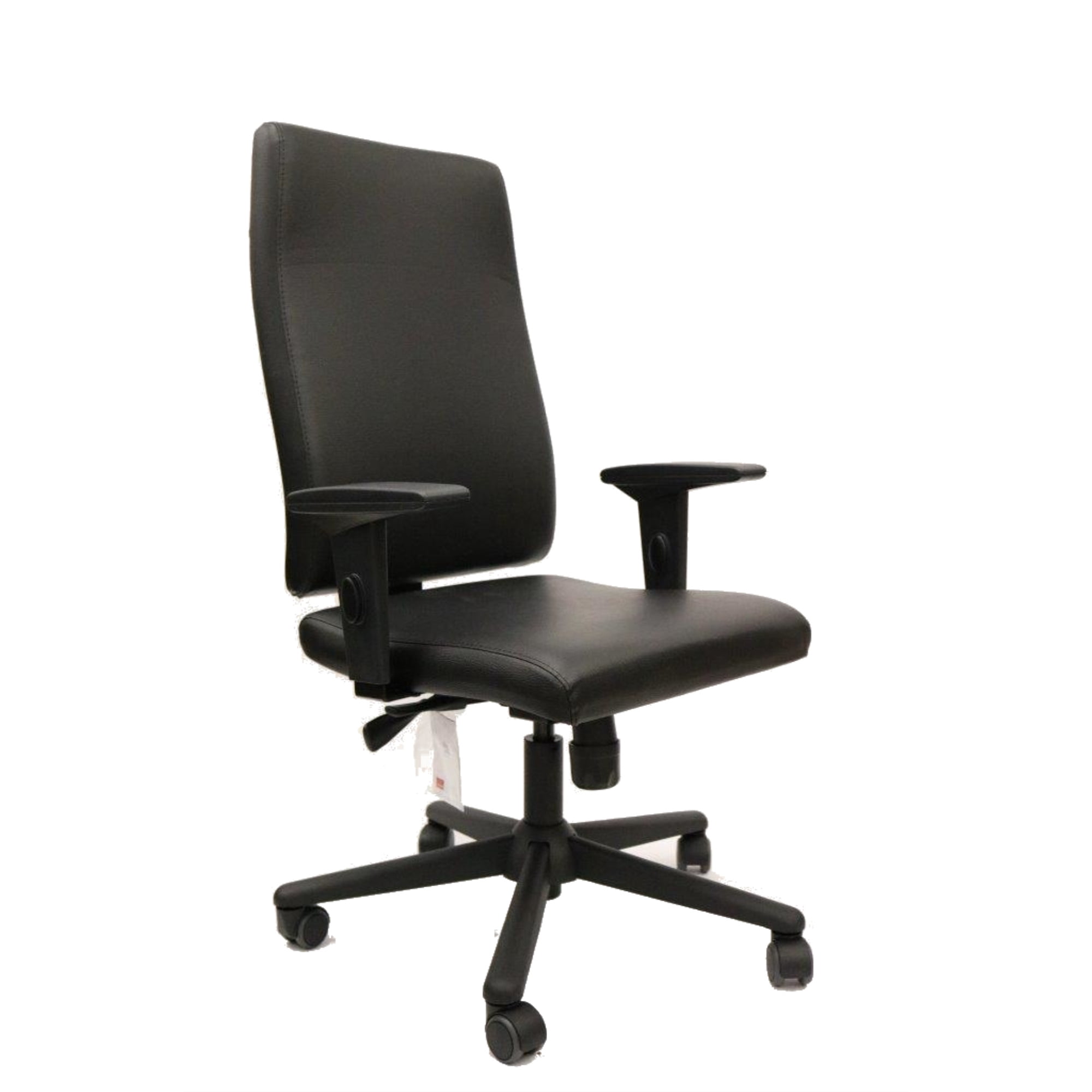
Slim chairs come in all back heights. A low-back slim chair (around 18-22 inches tall) disappears visually and is great for desks against windows where you don’t want to block light. A mid-back offers lumbar support while maintaining an open feel. For those needing neck support, high-back slim chairs exist too—they use thinner padding and sleeker headrests to keep the silhouette narrow.
3. Armrests: Flip, Fold, or Fixed?
The armrest design can make or break a slim chair’s functionality. Here’s a quick breakdown:
- Flip-up armrests: Perfect for tucking the chair completely under a desk. They pivot upward when not in use.
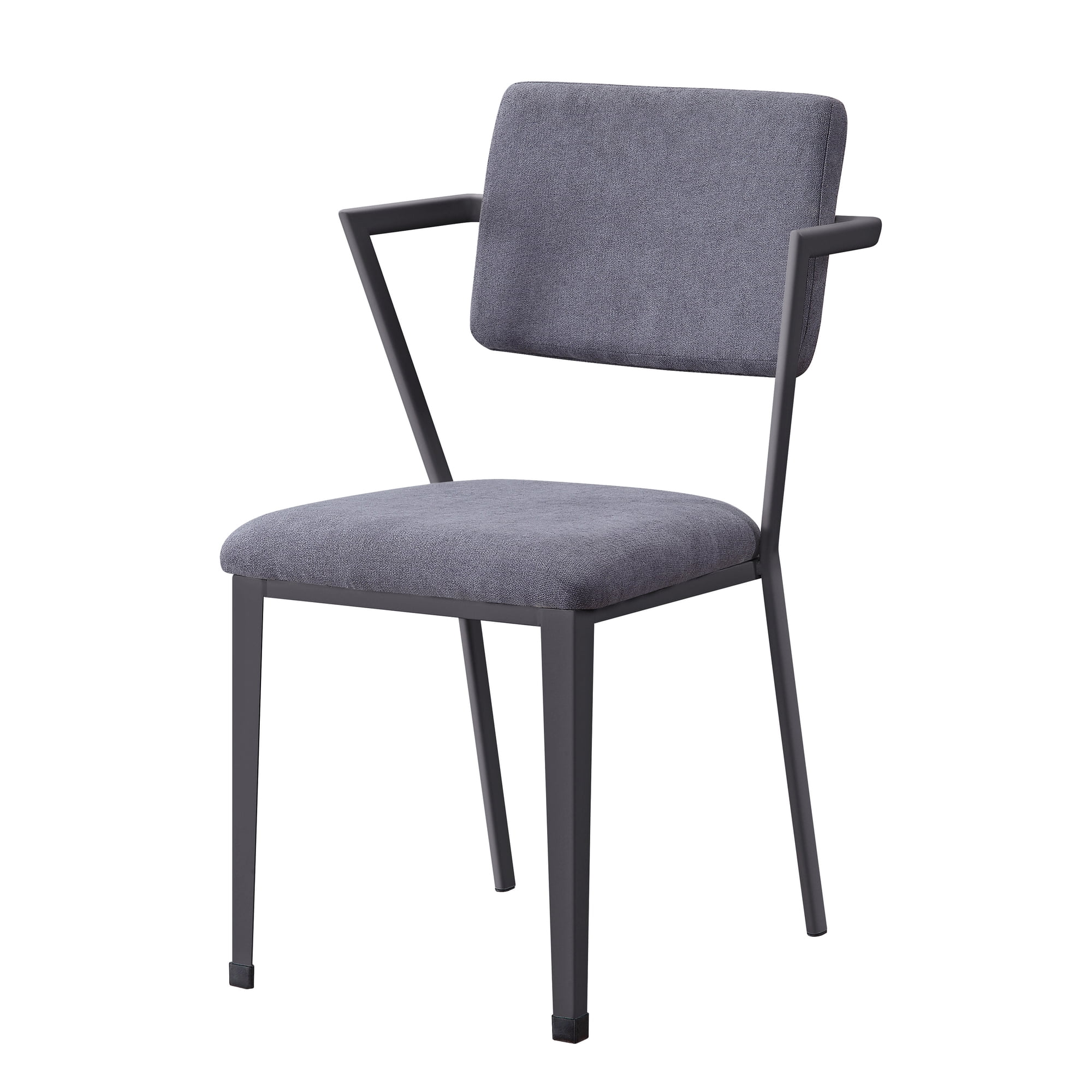
- Fixed narrow armrests: Typically 2-3 inches narrower than standard; they provide support without widening the chair’s footprint.
- Armless designs: The ultimate space saver. Armless slim chairs allow you to slide side-to-side easily and are ideal for tasks that require free arm movement, like playing guitar or crafting.
According to a 2023 survey by the Home Office Association, 58% of slim-chair buyers preferred flip-up arms for maximum flexibility.
4. Base and Casters: Stability in a Slim Package
A narrower chair must still be stable. Quality slim chairs use a reinforced five-star base, often with a slightly reduced diameter (say, 24 inches instead of 26). This keeps the tipping risk low while rolling smoothly. For hard floors, look for soft rubber casters; for carpet, standard casters work fine. Some slim models even offer rollerblade-style wheels for extra smooth glide.
Analogy: Choosing a slim office chair is like choosing a laptop over a desktop tower—you don’t lose computing power, you gain precious real estate. With the right slim chair, your workspace breathes, and you can focus better.
Who Needs a Slim Office Chair? 5 Scenarios Where Compact Wins
Not everyone requires a narrow chair, but for these five groups, it’s a game-changer:
- The Apartment Dweller: In micro-apartments or studios, every inch counts. A slim chair can be tucked into a corner desk or even partially under a kitchen counter when not in use.
- The Multi-Purpose Room: If your home office doubles as a guest room or craft area, a slim chair is easier to move and store.
- The Petite Professional: Standard chairs often leave a gap behind the knees or make it hard to reach the floor. Slim chairs with shorter seat depths (17-19 inches) provide a better fit.
- The Minimalist: Aesthetic matters. Slim chairs often feature cleaner lines and less visual clutter, aligning with modern or Scandinavian design themes.
- The Shared Workspace: In hot-desking environments, slim chairs can be stacked or lined up more efficiently.
Materials and Upholstery: What to Expect in a Slim Profile
Because slim chairs use less material, manufacturers often upgrade the quality to maintain durability. Here’s what you’ll commonly find:
- Mesh: Extremely popular for slim designs. Mesh is thin, breathable, and contours to your back without adding bulk. It’s also lightweight—perfect for a chair you might move often.
- Fabric: Look for low-profile weaves like polyester or linen blends. Avoid thick cushioning that adds inches.
- Leather/Faux Leather: Some slim executive chairs use bonded leather to maintain a sleek, professional look without the padding thickness of traditional leather.
Pro tip: Check the foam density. A high-density foam (2.5 lbs/ft³ or higher) in a slim seat will resist sagging longer than a lower density, even with less foam volume.
Ergonomics Don’t Take a Break: Features You Still Get
It’s a misconception that slim chairs skimp on ergonomics. Here’s what you can (and should) expect:
- Adjustable lumbar support: Many slim chairs have built-in lumbar curves or add a small, removable cushion.
- Seat depth adjustment: Critical for proper thigh support. A good slim chair will let you slide the seat forward/backward.
- Tilt tension and lock: You can still rock or recline safely within a narrow frame.
- Height adjustment: Standard pneumatic cylinders provide 3-5 inches of lift.
According to ergonomic studies, proper fit reduces musculoskeletal issues by up to 60%. A slim chair tailored to your size achieves that just as well as a wider one.
Pros and Cons at a Glance
| Advantages | Considerations |
|---|---|
| Fits in tight spaces (hallways, small elevators) | May not suit broad-shouldered or larger users |
| Lightweight and easy to move | Fewer models with integrated headrests |
| Often more affordable due to less material | Padding can be thinner; test for comfort |
| Visually unobtrusive, modern aesthetic | Armrest options may be limited |
Frequently Asked Questions About Slim Office Chairs
Conclusion: Less Bulk, More Focus
A slim office chair isn’t just about saving space—it’s about making a conscious choice to prioritize efficiency and comfort in the area you have. Whether you’re outfitting a city apartment or simply prefer a minimalist aesthetic, these chairs prove that good things come in smaller packages. Remember to measure your space and your body, test adjustability features, and don’t compromise on lumbar support. With the right slim chair, your workspace will feel larger, cleaner, and more inviting.