
Why “Comfortable” Means More Than Just Soft Padding
When you work from home, your office chair is also your break-room chair, your thinking chair, and sometimes your “one more email” chair. A truly comfortable office chair for home doesn’t just feel nice for the first five minutes—it supports you through your peak focus hours and your afternoon slumps without causing stiffness. According to a study by the American Chiropractic Association, 72% of people who work from home report discomfort that could be alleviated by better seating. The goal is to find a chair that disappears under you, letting you focus on work, not on adjusting your position.
💡 Home comfort is personal: Your idea of cozy might be sinking into plush upholstery, while a colleague might prefer the gentle bounce of a high-density foam seat. This guide helps you decode the specs so you can choose what feels right for your body.
The Anatomy of a Chair That Feels “Just Right” at Home
Unlike a generic office chair, a comfortable home office chair needs to adapt to your home environment—whether you’re in pajamas during a morning stand-up or winding down with a late-night project. Let’s break down the key components that separate a truly comfortable chair from a deceptive one.
1. Cushion Science: Density, Material, and Contour
The seat cushion is your foundation. Manufacturers use different foams and constructions, and each affects long-term comfort.
- High-density foam: Offers firm support and retains its shape for years. Ideal if you prefer a stable seat that doesn’t sag. Look for a density of at least 2.5 lb/ft³ for durability.
- Memory foam: Conforms to your unique shape, relieving pressure on hips and tailbone. However, pure memory foam can feel hot; many chairs combine it with a cooling gel layer.
- Latex foam: Naturally resilient and breathable, latex provides a “bouncy” comfort that many describe as sitting on a firm cloud. It’s also hypoallergenic.
- Contour vs. flat: Some seats have a slight dip or “waterfall” edge. A waterfall front edge is critical—it reduces pressure behind the knees by angling down slightly.
2. Backrest Design: The “Hug” Factor vs. Breathable Support
At home, you may lean back more casually than in a corporate setting. Your backrest should encourage good posture without feeling restrictive.
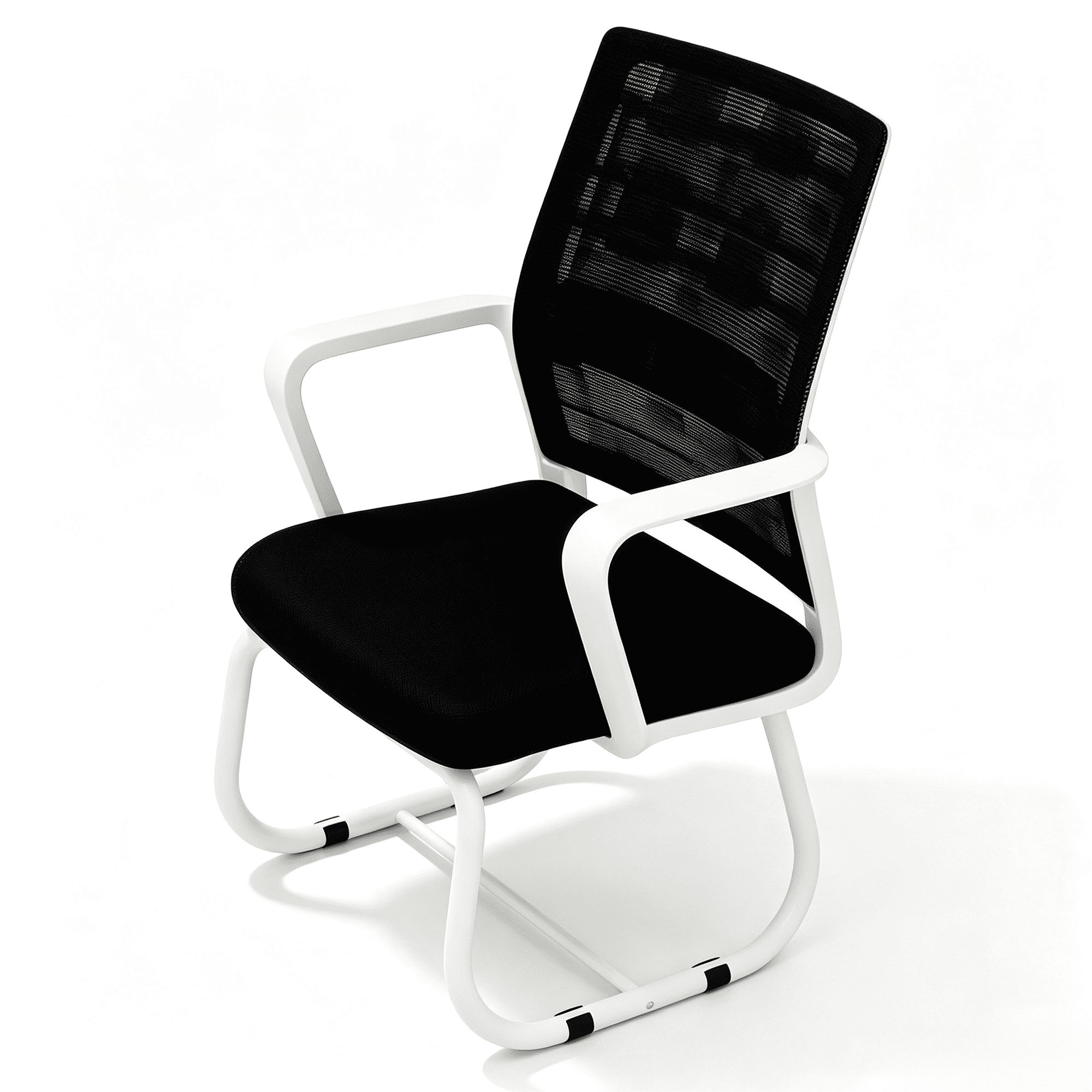
- High-back vs. mid-back: High-back chairs (with headrests) are great for tall people or those who like to recline fully during breaks. Mid-back chairs force you to rely on your own neck strength—some find this more comfortable for typing.
- Adjustable lumbar: Static lumbar bumps rarely fit everyone. The most comfortable chairs offer lumbar that moves up/down and in/out. This is the #1 feature for avoiding mid-back ache.
- Mesh vs. upholstered back: Mesh breathes and flexes with your movements—perfect for warmer homes. Upholstered backs (fabric/leather) feel cozier and more like a living room chair, but may trap heat.
3. Armrests That Adapt to Your Home Rhythm
At home, you might sip coffee, use a tablet, or shift between desk and a side table. Armrests need to be flexible.
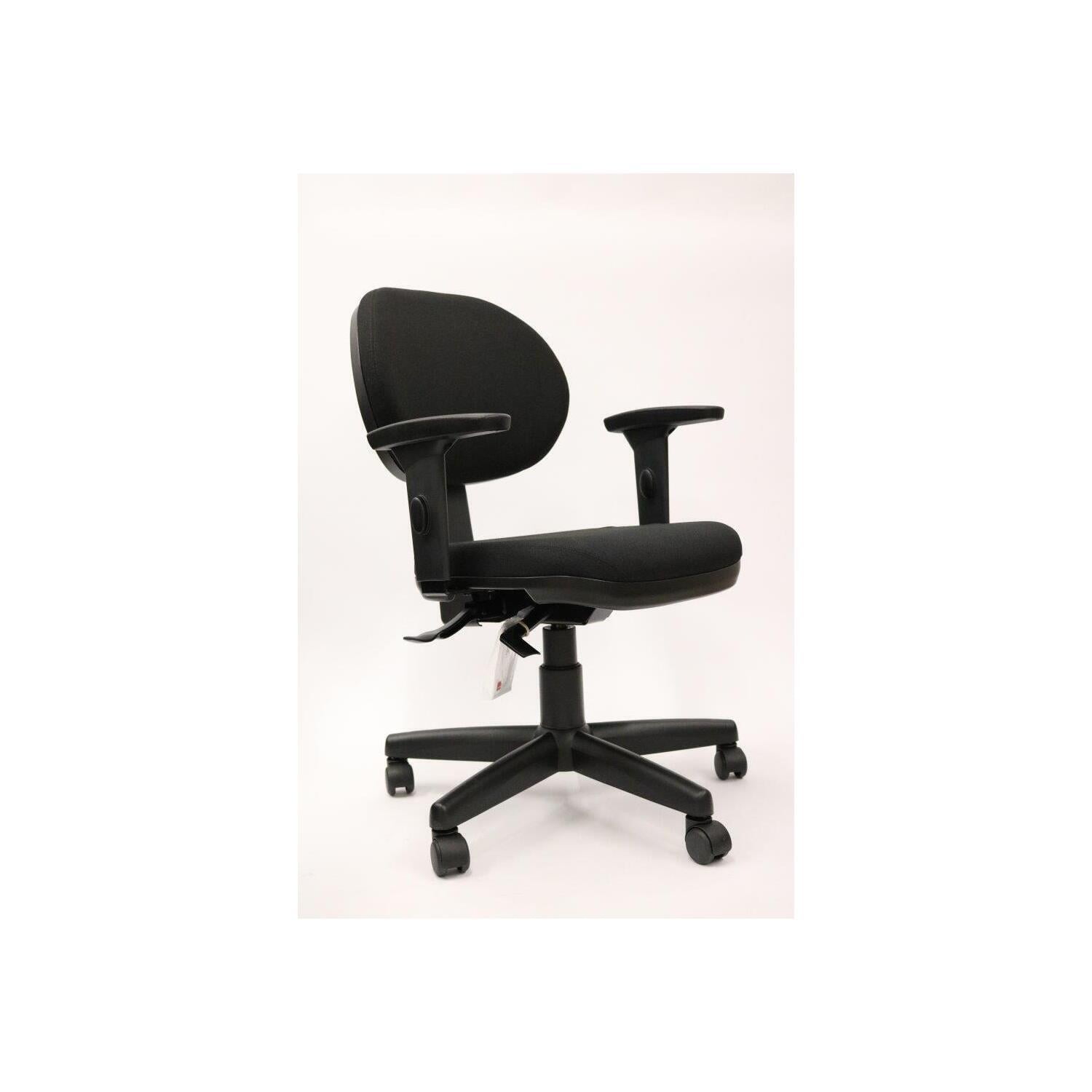
- 4D armrests: Adjustable height, width, depth, and pivot. This lets you rest your arms at a natural 90-degree angle, whether you’re typing or leaning back to read.
- Flips up armrests: Some home workers prefer the option to tuck armrests under the desk when not needed, allowing the chair to slide closer.
- Padding material: Soft rubber or foam-covered armrests prevent “numb elbows” during long meetings.
4. Base and Mobility: Smooth Rolling on Home Floors
Your home might have hardwood, tile, or thick carpet. The wrong casters ruin the comfort experience.
- Hardwood casters: Soft rubber wheels that won’t scratch delicate floors. They roll quietly and absorb vibration.
- Carpet casters: Harder plastic wheels that glide over thick pile without getting stuck.
- Stability: A five-star metal base (rather than plastic) ensures the chair won’t tip when you lean back—a common concern in relaxed home settings.
5. Recline and Tilt: The “Lean Back” Factor
In a home office, you’re more likely to recline fully during a creative pause. Look for:
- Synchro-tilt mechanism: The seat and backrest move together, keeping your shirt from pulling and your posture aligned.
- Tilt tension control: Allows you to adjust how much force is needed to recline—lighter for petite users, firmer for larger bodies.
- Lockable positions: Being able to lock the chair in an upright or slightly reclined position adds versatility.
6. Material Choices: From Breathable to Huggable
Your home’s climate and your personal style matter.
- Breathable mesh: Ideal for all-day wear, especially in non-air-conditioned spaces. Prevents that “sticky back” feeling.
- Fabric (polyester/wool blends): Offers warmth and a soft touch. Look for stain-resistant treatments if you eat at your desk.
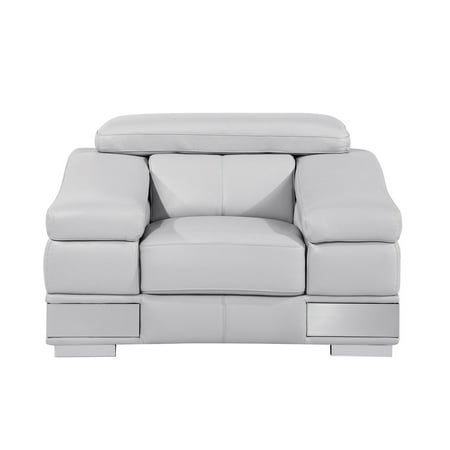
- Leather/faux leather: Easy to wipe clean, but can feel cold in winter and sticky in summer unless perforated. High-end leather softens with age.
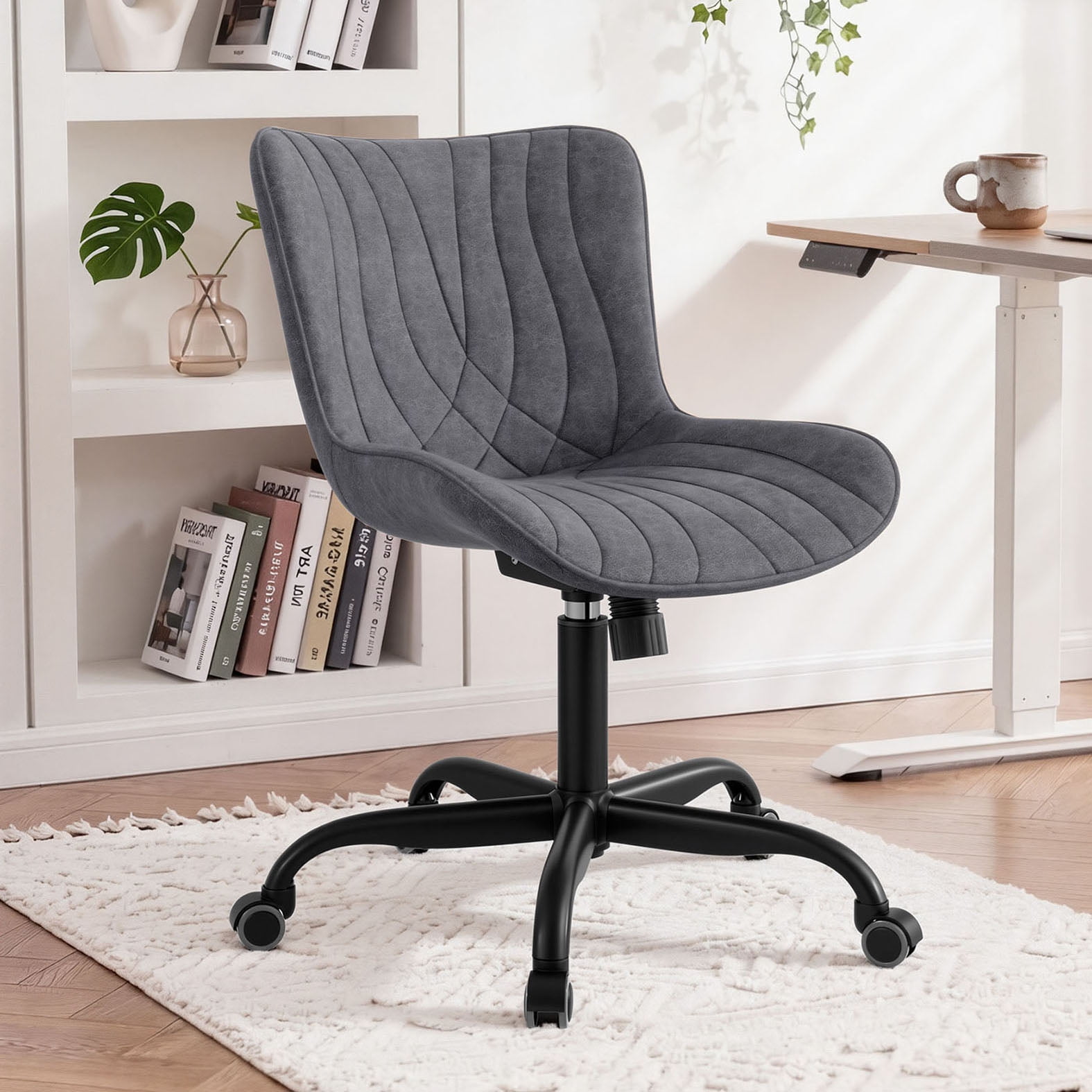
- Velvet or bouclé: Trendy home-office choices that add texture and a cozy feel, but may require more care.
According to interior design surveys, 68% of remote workers say their comfort at a desk directly affects their mood and productivity. Investing in a chair with the right mix of cushioning and adjustability isn't a luxury—it’s a core part of a functional home workspace.
At-a-Glance Comfort Feature Checklist
| Feature | Why It Matters for Home Comfort | Ideal Spec |
|---|---|---|
| Seat Cushion | Prevents tailbone pain and thigh numbness during long sits. | High-density foam + 1" memory foam topper |
| Lumbar Support | Maintains natural spine curve, reducing slouching. | Height & depth adjustable |
| Armrests | Supports elbows, relaxes shoulders while typing. | 3D or 4D adjustable, padded |
| Backrest Height | Matches your torso length; high-back for neck support. | At least 22" high (for average user) |
| Caster Type | Glides smoothly on your specific floor without damage. | Soft rubber for hard floors; hard plastic for carpet |
Common Comfort Myths (And What Actually Works)
- Myth: “A thicker seat is always more comfortable.” Fact: If the foam is too soft, you’ll sink and create pressure points. Medium-firm with contouring is usually best.
- Myth: “You don’t need adjustments if the chair feels good at first.” Fact: Your body changes position throughout the day. Adjustability (seat depth, lumbar) lets you fine-tune comfort as you go.
- Myth: “Headrests are only for tall people.” Fact: A properly positioned headrest supports your neck when reclining, reducing strain—great for anyone who takes thinking breaks.