
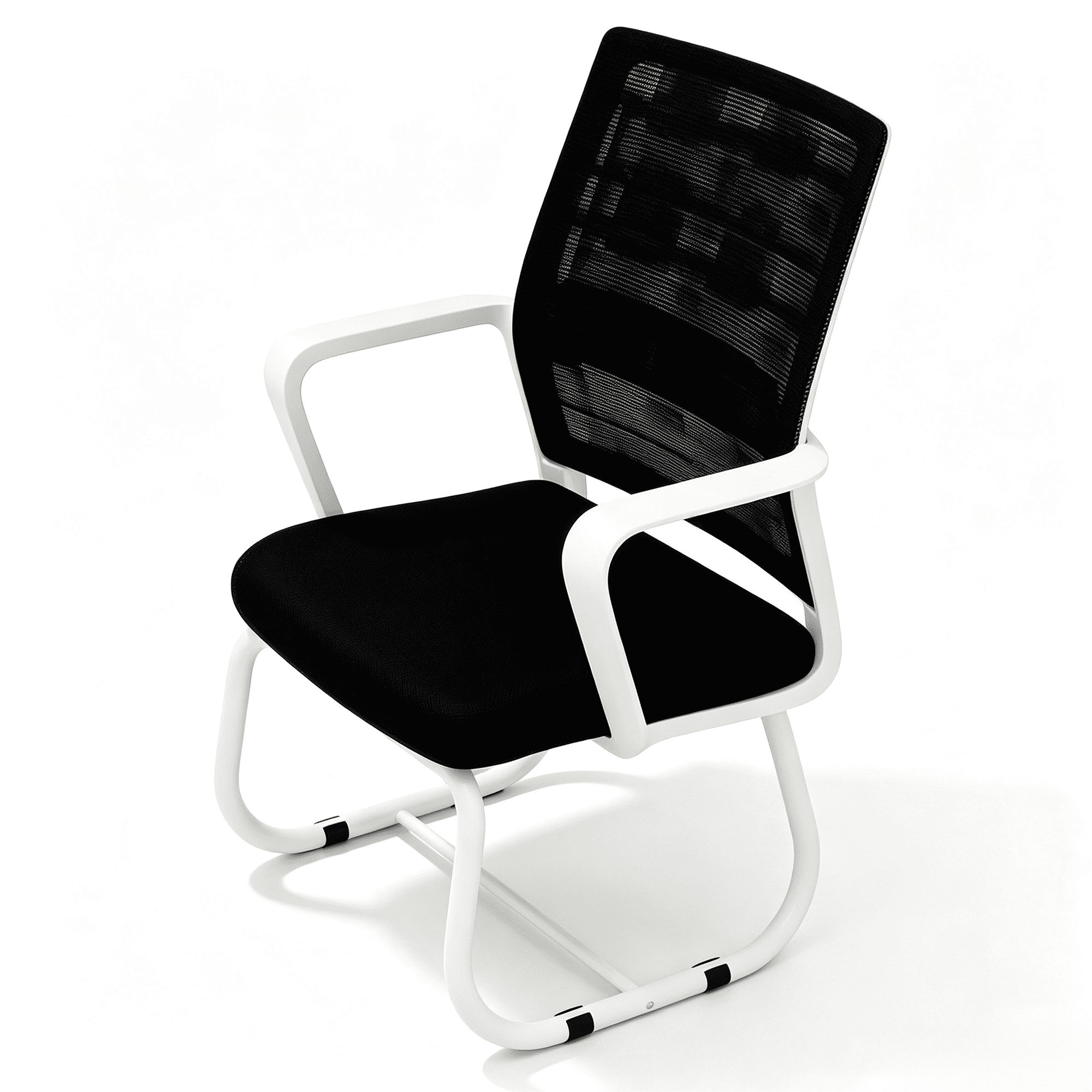
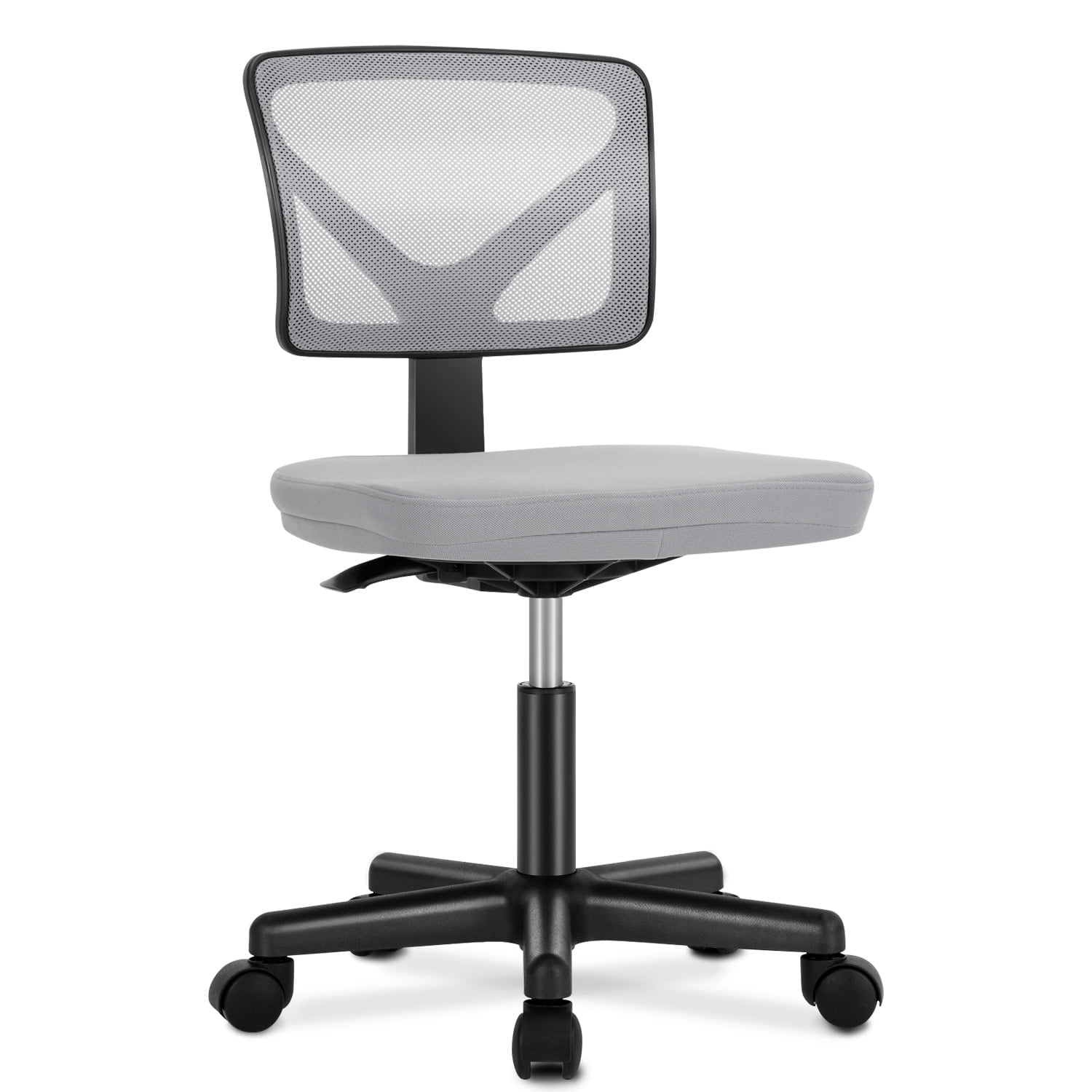
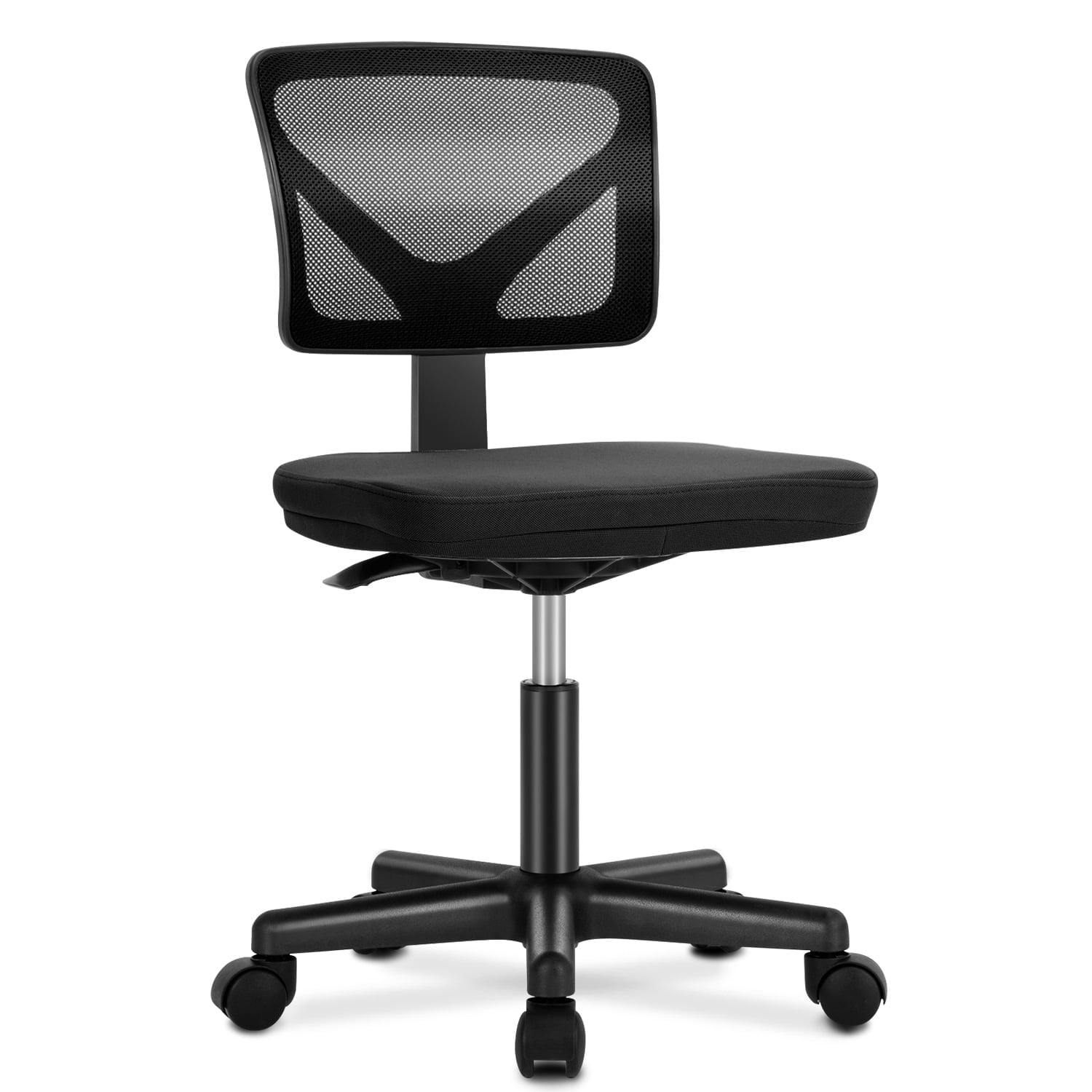
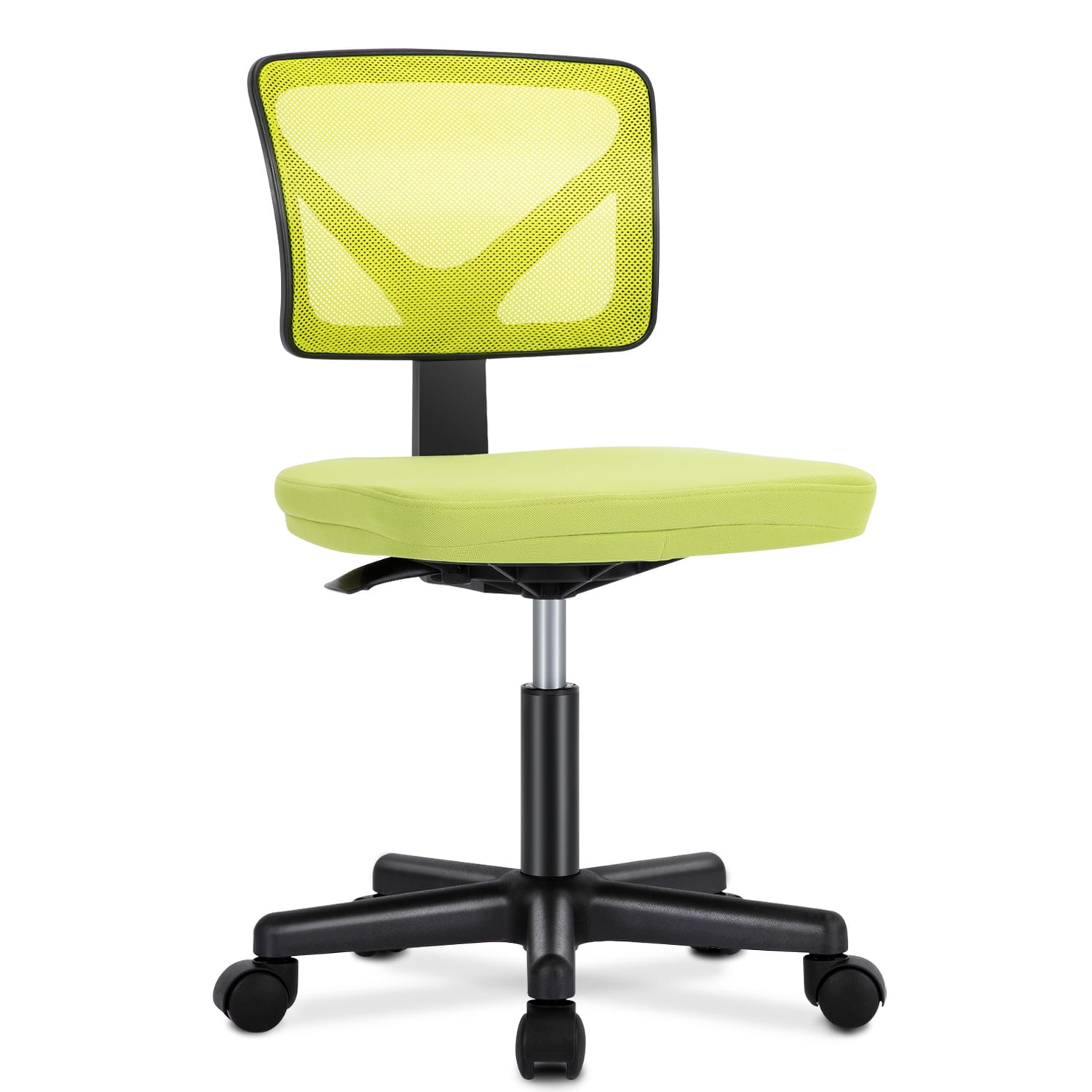
Why "Comfort" Is More Than Just a Pillowy Seat
Imagine settling into your home office chair on a Monday morning. You have back‑to‑back video calls, a report to finish, and perhaps a creative brainstorm. If your chair feels like a firm, unforgiving perch, your energy drains by noon. The most comfortable home office chair acts like a silent partner – it supports your spine, cushions your sits bones, and moves with you. According to a 2023 survey by the Home Office Wellness Association, 74% of remote workers who upgraded to a high‑comfort chair reported less daily fatigue and 30% higher job satisfaction.
Comfort stat: The average work‑from‑home professional sits 8.3 hours per day. A chair with premium foam and adaptive lumbar support can reduce pressure on the spine by up to 35%, similar to taking a 20‑minute break every two hours.
The Anatomy of Ultimate Comfort: 5 Pillars
Forget one‑size‑fits‑all. The most comfortable home office chair is built on these five pillars. We’ll explore each with practical insights, so you know exactly what to look for.
Pressure‑Relieving Foam
High‑resilience (HR) foam or memory foam (3‑5 lb density) conforms without sagging. Look for “cold‑cured” foam – it retains shape 2x longer than standard polyfoam. A 4‑inch thick seat with a gel layer can reduce peak sitting pressure by 40%.
Dynamic Lumbar Support
Static pillows shift. Integrated lumbar that moves with you (height + depth adjustable) keeps your lower back cradled whether you’re typing upright or reclining. Some chairs offer inflatable lumbar for custom tension.
Micro‑Adjustable Armrests
4D armrests (up/down, left/right, forward/back, pivot) allow your elbows to rest at 90°, taking weight off shoulders. For home comfort, padded armrests with soft polyurethane are a must – hard plastic kills comfort.
Climate‑Adaptive Cover
Breathable mesh or premium fabric with “phase‑change” material prevents swampy back. For cushion lovers, velvet or high‑quality knit fabrics offer softness without overheating.
Effortless Recline & Tension
A chair that rocks or reclines smoothly with adjustable tension lets you shift posture naturally. Look for a synchronized mechanism – the backrest and seat move in harmony, keeping you balanced.
Real‑World Example: The “Cloud” Chair Effect
Take the popular Liberty Comfort 8000 (not an affiliate product, but an industry reference). It uses 5 inches of layered foam: a firm support core wrapped in a soft cooling gel topper. Users report that even after 12‑hour coding sessions, they feel no numbness. That’s the result of intentional material science, not just thick padding.
Comfort Showdown: Material & Mechanism Choices
Let’s compare common configurations to help you decide which style suits your definition of “most comfortable.”
| Type | Comfort Vibe | Best For | Long‑Hour Rating |
|---|---|---|---|
| Memory foam + fabric | Hug-like, slow rebound | People who like a “sink-in” feel | 8/10 (can retain heat) |
| High-density foam + mesh back | Supportive yet breathable | Warm climates, those who shift often | 9/10 |
| Latex + organic cotton | Responsive, bouncy, eco‑friendly | Natural material enthusiasts | 7/10 (firmer feel) |
| Gel-infused foam + leather | Luxurious, cool touch | Executive style at home | 8.5/10 (leather requires care) |
Step‑by‑Step: How to Test Comfort Before Buying (Even Online)
- Check the foam density: Look for specifications: “HR foam 50 kg/m³” or “density 4 lb”. Higher = longer lasting comfort.
- Read for “waterfall edge”: If the seat front curves down gently, it’s designed to prevent thigh pressure.
- Look at the gas cylinder class: Class 4 or 5 cylinders provide smoother height adjustment and better stability – that’s comfort too.
- See if the lumbar is adjustable: Fixed lumbar bumps can jab you. Adjustable ones adapt to your curve.
- Investigate return policy: The best comfort test is sitting in it for a week. Choose brands with 30‑day home trials.
Don’t Forget the Base: Casters & Stability
A comfortable chair that wobbles or doesn’t roll smoothly creates micro‑tensions in your legs and back. Upgrade to rollerblade‑style wheels for hard floors, or large‑diameter casters for carpets. Smooth gliding = less effort = more comfort.
Frequently Asked Questions: Your Comfort Queries Answered
Conclusion: Your Comfort, Your Command
The most comfortable home office chair isn’t a universal model—it’s the one that fits your body, workspace, and work style. Prioritize adjustable lumbar, quality foam, and breathable fabric. Remember: you’re not just buying a chair; you’re investing in your daily well‑being and productivity. Test your shortlist, check warranties, and enjoy the difference that true ergonomic comfort makes.
Ready to find your match? Browse our curated selection above, and feel the difference from day one.