
Introduction: The Aaron Office Chair Phenomenon
Imagine a chair that feels like a natural extension of your body—supporting you whether you're deep in concentration on a spreadsheet or leaning back to brainstorm ideas. That’s the promise of the Aaron office chair. It has carved a niche in the crowded office furniture market by offering a blend of Scandinavian-inspired minimalism and thoughtful ergonomics. Unlike traditional bulky executive chairs, the Aaron series focuses on clean lines and breathable materials, making it a favorite for modern home offices and progressive corporate spaces.
Did you know? According to a recent survey by the Home Office Institute, 68% of remote workers reported that upgrading to an ergonomic chair like the Aaron series improved their focus and reduced end-of-day fatigue. The Aaron design philosophy prioritizes "invisible support"—you don't notice it until you spend hours in it without discomfort.
Deconstructing the Aaron Office Chair: Design Meets Science
To truly appreciate what an Aaron office chair offers, we need to look beyond the surface. It’s not just about looks; it’s about how the chair interacts with your body throughout a dynamic workday. Let’s break down the core components that make this chair a contender for your workspace.
1. The Lumbar Support System: A Closer Look
The lower back bears the brunt of prolonged sitting. Aaron chairs often incorporate a responsive lumbar mechanism that adjusts not just in height, but also in tension. Think of it like a shock absorber for your spine. Independent lumbar adjustment allows you to dial in the exact pressure needed to maintain the natural inward curve of your lower back, preventing the slouching that leads to pain.
- Dynamic Curve Support: The lumbar pad moves with you as you recline.
- Breathable Mesh: Prevents sweaty backs during long summer workdays.
- Why it matters: Proper lumbar support can reduce spinal disc pressure by up to 35% compared to a flat-backed chair.
2. Seat Comfort: Beyond the Cushion
The seat on an Aaron office chair is typically engineered with high-density, cold-cure foam. This isn't your average soft cushion that loses shape after a few months. Cold-cure foam is more resilient and retains its supportive properties for years. Many models also feature a waterfall edge—a gentle downward slope at the front of the seat. This small design detail is crucial for preventing circulation restriction in your legs, a common complaint with flat-edged chairs.
3. Material Matters: Mesh, Fabric, and More
While some Aaron variants offer upholstered seats, the hallmark is often the mesh back. But not all mesh is created equal. Premium Aaron chairs use a pique-weave mesh that is both strong and slightly elastic, conforming to your back's shape without sagging.
✅ Pros of Mesh
- Superior breathability
- Modern, sleek aesthetic
- Easy to clean (dust doesn't stick easily)
- Provides consistent, firm support
⚠️ Considerations
- May feel firm if you prefer plush padding
- Requires a good lumbar curve to be effective
- Not ideal for very cold environments (mesh allows airflow)
4. Adjustment Capabilities: Tailoring the Chair to You
A truly ergonomic Aaron office chair offers a range of adjustments that go beyond just seat height. Here’s what to look for:
- Seat Depth Slider: Allows you to move the seat pan forward or backward to ensure proper thigh support (usually 2-4 inches of space between the back of your knee and the seat edge).
- Tilt Tension Knob: Controls how much force is needed to recline. Heavier individuals need a firmer setting, while lighter users need a looser one for smooth movement.
- Multi-Dimensional Armrests (2D or 3D): Ability to raise/lower and pivot the armrests to support your arms while typing, reducing shoulder strain.
- Back Height Adjustment: Some models allow you to raise or lower the entire backrest to align the lumbar support perfectly with your spine.
5. Stability and Base Construction
The foundation of any good office chair is its base. Aaron chairs typically use a sturdy nylon or polished aluminum five-star base. For longevity, look for dual-wheel casters (casters with two small wheels instead of one). They roll more smoothly on carpets and distribute weight better, reducing wear and tear on both the chair and your flooring.
Aaron Chair Models: Quick Feature Comparison
• Full mesh back
• 2D adjustable arms
• Seat depth adjustment
• Weight capacity: 275 lbs
• Fabric seat + mesh back
• 3D adjustable arms
• Enhanced lumbar support
• Weight capacity: 300 lbs
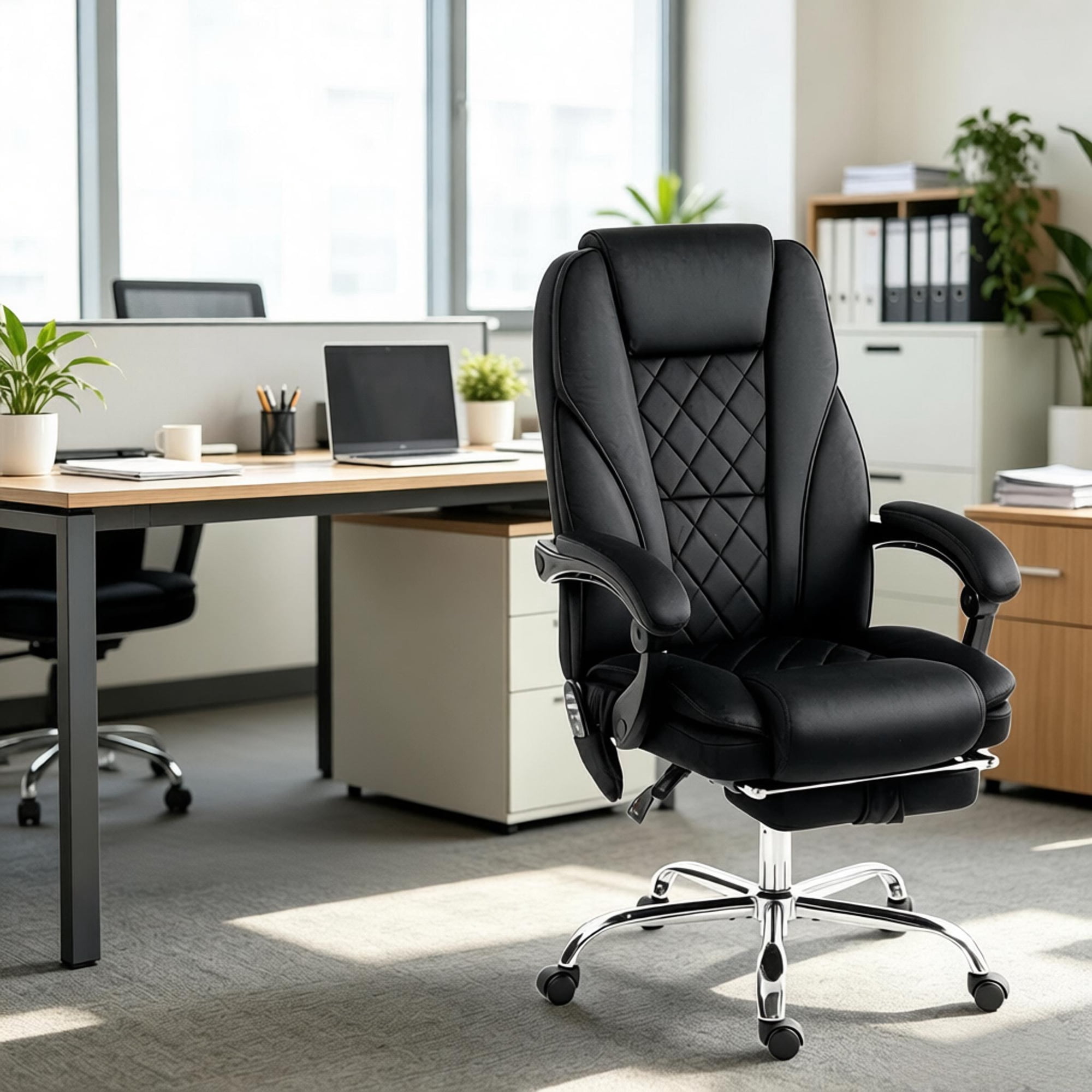
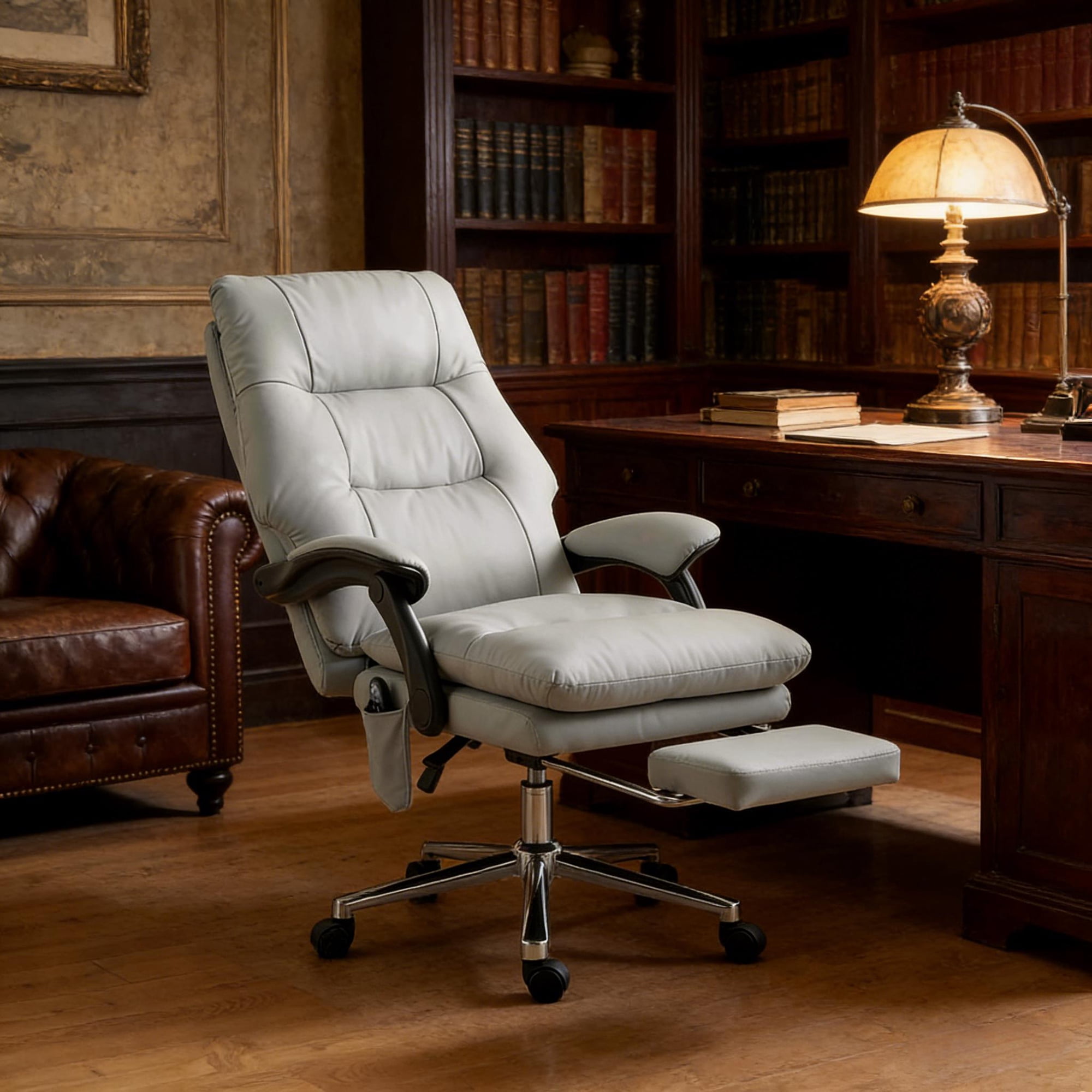
• Leather-like upholstery
• Headrest included
• Synchronized recline
• Weight capacity: 325 lbs
Frequently Asked Questions About the Aaron Office Chair
Conclusion: Is the Aaron Office Chair Right for You?
Choosing an office chair is a personal journey. The Aaron office chair excels in providing a harmonious mix of support, breathability, and modern aesthetics. It’s particularly well-suited for:
- The Remote Professional: Who needs a reliable chair that looks good on video calls and feels good by the end of the week.
- The Value Seeker: Looking for advanced ergonomic features (like seat depth and lumbar adjustability) without the premium price tag of luxury brands.
- The Design-Conscious User: Who appreciates clean lines and doesn't want a bulky, leather-clad throne dominating their room.
If you prioritize a chair that adapts to you—not the other way around—the Aaron series is a strong contender. Remember to check the specific model's dimensions and adjustability options to ensure it aligns with your body type and work habits. Your chair is your daily companion; make sure it’s a supportive one.