

Why Your Home Office Deserves a Good Chair
The line between our living spaces and workspaces has never been blurrier. For millions, the kitchen table or an old, forgotten chair has become the daily "office." But just as you wouldn't run a marathon in flip-flops, you shouldn't spend 8 hours a day working in a chair that isn't designed for it. A good office chair for home is more than a piece of furniture; it's the foundation of your work-from-home setup. It directly impacts your focus, energy levels, and long-term physical health, preventing the aches and pains that come from poor posture. Think of it as a partner in your daily productivity, not just a place to sit.
The Home Office Reality: A recent study by Ergotron revealed that 87% of office workers who now work from home have experienced discomfort, with back and neck pain being the most common complaints. Investing in a proper chair isn't a luxury; it's a necessity for a sustainable remote career.
The 4 Pillars of a Great Home Office Chair
Selecting the right chair can feel overwhelming, but by focusing on four key areas, you can cut through the noise and find the perfect seat for your home. We call these the "Four Pillars": Ergonomics, Comfort, Build Quality, and Aesthetics.
Pillar 1: Ergonomics – The Science of Sitting Well
Ergonomics is about designing the chair to fit you, not the other way around. A truly good office chair for home use is highly adjustable. Here’s what to look for:
- Adjustable Lumbar Support: This is your spine's best friend. It should move up and down to match the natural curve of your lower back. Some high-end chairs even offer depth adjustment to push the support further in or out.
- Seat Height Adjustment: A pneumatic lever is standard. Your feet should rest flat on the floor, with your thighs parallel to the ground and knees at a 90-degree angle.
- Seat Depth Adjustment: This feature is often overlooked but crucial. You should be able to sit with your back against the backrest and have 2-4 finger widths of space between the back of your knee and the seat edge. This prevents pressure on your circulatory system.
- Armrest Adjustability (3D or 4D): At a minimum, armrests should adjust in height so your shoulders can be relaxed, not hunched. For maximum benefit, look for adjustments that also move forward/backward and pivot side-to-side.
Pillar 2: Comfort & Material – The Feel-Good Factor
You'll be spending countless hours in this chair, so the material and cushioning matter immensely. This choice is often a personal preference, but here's a breakdown to guide you:
- Mesh: The champion of breathability. Perfect for preventing a sweaty back in warmer months or for those who run hot. Good quality mesh is supportive without being hard.
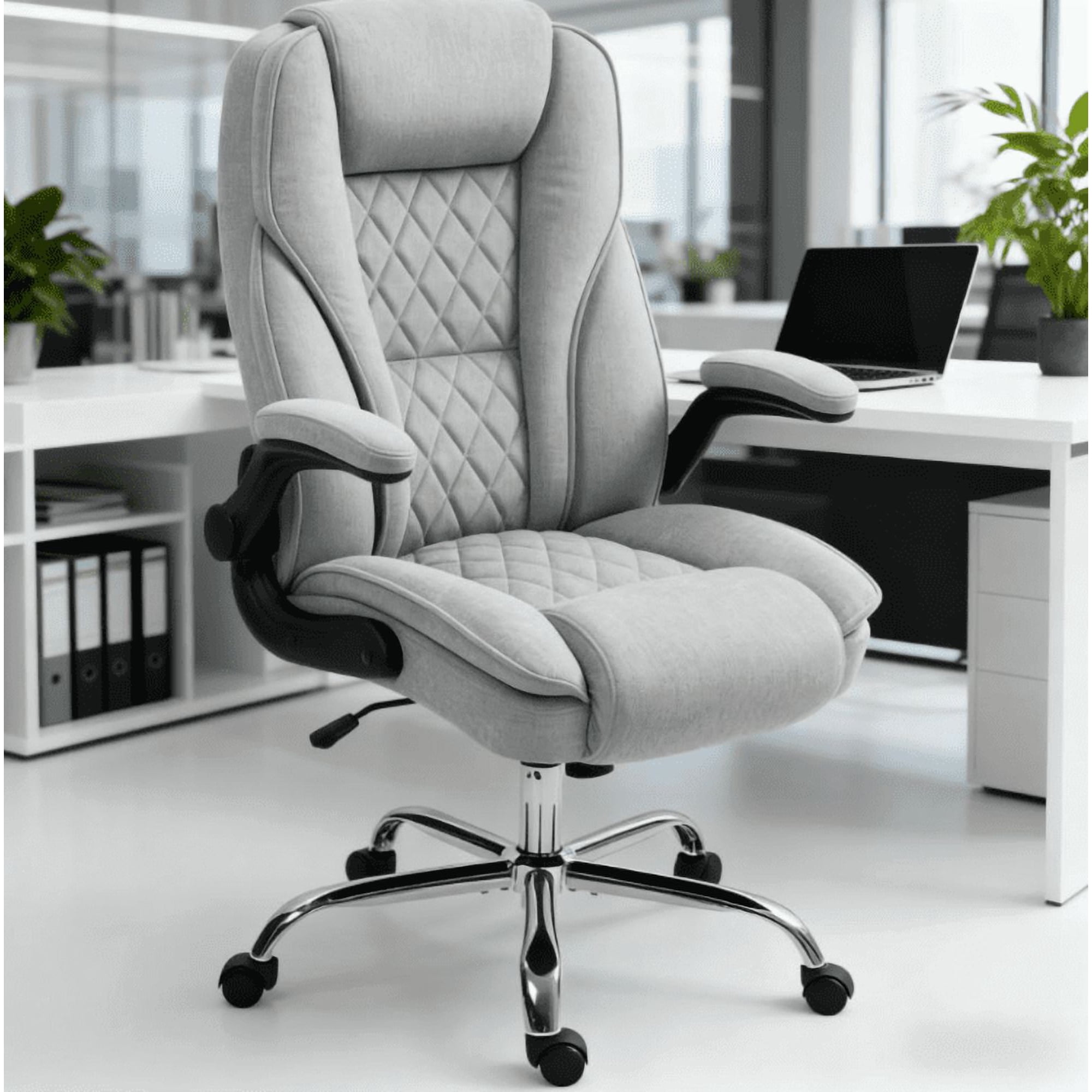
- Fabric: Offers a warm, soft touch and comes in countless colors and patterns. It can make a chair feel less "corporate" and more like home, but be mindful of spills as it can stain.
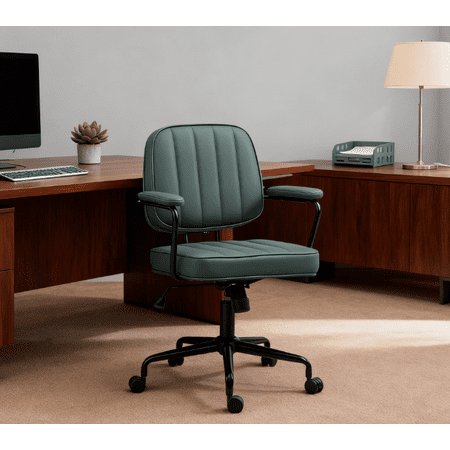
- Leather / Faux Leather: Easy to wipe clean and gives a classic, professional look. However, it can be less breathable and may feel sticky in hot weather or cold in a chilly room.
- Cushion Density: The foam density is more important than thickness. High-density foam retains its shape and support for years, while low-density foam will flatten out, leading to discomfort and a feeling of "sitting on the base."
Pillar 3: Build Quality & Durability – A Long-Term Investment
A good office chair for home is an investment that should last for years. Here’s how to gauge its longevity:
- Base Material: A five-point base is standard. Nylon/polypropylene bases are lightweight and strong for most users. For heavier individuals or maximum stability, a polished aluminum or steel base is the gold standard.
- Caster Wheels: The right wheels matter. Hard floor casters (often with a soft polyurethane coating) are for wood or tile, while soft carpet casters are for plush rugs. Some chairs now come with hybrid wheels that work well on both.
- Gas Lift Mechanism: Look for a gas lift that is Class 3 or Class 4. These are independently tested for safety and durability, supporting higher weights and thousands of height adjustments without failing.
- Weight Capacity: Always check the manufacturer's specified weight limit. Choosing a chair with a capacity higher than your weight ensures a greater safety margin and longer-lasting components.
Pillar 4: Aesthetics & Space – It Lives in Your Home
Unlike a sterile corporate office, your home office is part of your living environment. The chair needs to look good and fit your space.
- Scale and Proportion: A massive, high-back executive chair can overwhelm a small home office corner. Consider the chair's footprint. Does it fit under your desk? Does its height work with the room's proportions?
- Style: From minimalist modern designs with clean lines to more traditional, upholstered looks, the style should complement your home decor. A "good" chair is one you're proud to have in your living space.
- Color: While black is a safe bet, don't be afraid to explore greys, blues, or even a vibrant color to add personality to your workspace.
Your 3-Step Plan to Finding "The One"
Now that you know the pillars, here's a simple, actionable plan to narrow down your search and find the perfect match.
- Step 1: Diagnose Your Needs. For one week, note when you feel discomfort in your current setup. Is it lower back pain after lunch? Sore shoulders? Numbness in your legs? This tells you which ergonomic features are non-negotiable (e.g., better lumbar support, adjustable armrests).
- Step 2: Set Your Budget & Must-Haves. Based on your diagnosis, list your top 3 must-have features (e.g., 1. Adjustable lumbar, 2. Seat depth adjustment, 3. Breathable mesh). Then, set a realistic budget. Remember, a $300 chair that lasts 5 years is a better investment than a $150 chair that breaks in 18 months.
- Step 3: Read & Verify. Once you've identified a few potential chairs, go beyond the manufacturer's marketing. Look for video reviews from users with a similar build to yours. Check what reviewers say about the chair's durability after 6 months or a year of use. This is your best insight into its long-term performance.
Quick Comparison: Chair Types for Home Use
| Chair Type | Best For | Pros | Cons |
|---|---|---|---|
| Mid-Back Task Chair | General office work, smaller spaces | Promotes active sitting, often more affordable, good for typing | Less head/neck support, may feel less "executive" |
| High-Back Executive Chair | Long hours, taller individuals, a luxurious feel | Full back and often head support, feels substantial and comfortable | Can be bulky, may run warmer, often more expensive |
| Ergonomic Mesh Chair | Warm climates, those who prioritize breathability | Excellent airflow, supportive, modern look | Mesh can lose tension over many years, less "cushy" feel |
| Big & Tall Chair | Larger body types, those needing extra durability | Wider seats, higher weight capacity, reinforced construction | Can be oversized for smaller people or rooms |
Frequently Asked Questions About Good Office Chairs for Home
Conclusion: Invest in Your Daily Life
Finding one of the many good office chairs for home doesn't have to be a chore. By understanding the four pillars—Ergonomics, Comfort, Build Quality, and Aesthetics—and following a simple plan, you can make a confident choice. Remember, you're not just buying a chair; you're investing in your daily comfort, your long-term health, and the quality of your work life. Take your time, do your research, and choose a chair that will support you, day in and day out, in the place where you live and work.
Final Thought: The best chair is the one you forget you're sitting in. When the chair disappears and only your work remains, you'll know you've found the perfect match.