
Why Your Next Office Chair Should Have a Steel Frame
Imagine the foundation of a skyscraper. It needs to be made of reinforced steel to withstand decades of wind, weather, and immense weight. Your office chair is the foundation of your workday. If you spend countless hours seated, a wobbly plastic frame is like building that skyscraper on sand. A steel frame office chair is your reinforced concrete—a promise of stability, durability, and unwavering support that lasts for years, if not decades.
While many office chairs focus solely on aesthetics or basic ergonomics, the frame is the skeleton that holds everything together. It determines the chair's weight capacity, its resistance to wear and tear, and its overall lifespan. For professionals in demanding fields, heavy individuals, or anyone looking for a 'buy-it-for-life' piece of furniture, the choice is clear: prioritize the frame.
Industry Insight: Based on consumer reports and durability tests, office chairs with plastic or composite frames are 3x more likely to fail within the first 5 years compared to those with reinforced steel frames. Furthermore, 78% of users who switched to a steel frame chair reported a significant increase in perceived stability and security while seated.
The Anatomy of Strength: Understanding Steel Frame Construction
Not all steel frames are created equal. The term "steel frame" can refer to different parts of the chair's construction. Understanding this will help you make a more informed purchase. Let's break down the key components where steel makes the most significant impact.
1. The Core Structure: Backrest and Seat Pan
The most critical area is the internal frame of the backrest and the seat pan. In lower-quality chairs, these are made of molded plastic, which can develop hairline cracks and eventually snap under heavy, continuous pressure. A steel frame in these areas ensures that the chair's shape is maintained, and the connection points for the gas lift and armrests are rock-solid. This is the primary differentiator between a commercial-grade chair and a disposable home office special.
2. The Five-Star Base: Your Anchor to the Floor
The base of the chair—the part with the wheels—is another area where steel is non-negotiable for durability. Plastic bases can become brittle over time, especially with exposure to UV light or temperature changes, and are prone to cracking. A polished aluminum or powder-coated steel base provides immense strength and a sleek, professional look. It’s the anchor that prevents catastrophic failure.
- Durability: Steel bases are rated for higher weight capacities (often 350-500 lbs+) compared to nylon or plastic bases (typically 250-300 lbs).
- Stability: The weight of the steel base lowers the chair's center of gravity, making it feel more planted and less likely to tip, especially during reclining.
- Longevity: A steel base is essentially a lifetime component. It won't warp, crack, or degrade.
3. Mechanism Housings and Armrest Brackets
The tilt mechanism (the box under the seat that controls recline) and the brackets that attach armrests to the chair are often points of failure. In premium steel frame chairs, these components are heavy-gauge steel, ensuring smooth, consistent operation and eliminating the "wiggle" that often develops in plastic-housed mechanisms. Think of it as the difference between a sturdy, well-oiled machine and a toy that loosens up after a few weeks of play.
Think of your office chair like a high-performance car. The plastic body panels are for style and comfort (like your chair's upholstery). But the chassis—the frame that holds the engine, suspension, and safety cage—is made of high-strength steel. That's what keeps you safe and in control. A steel frame office chair provides that same sense of control and safety for your body throughout the workday.
Material Finishes: More Than Just Bare Metal
Manufacturers use different finishes on steel frames, each with its own benefits:
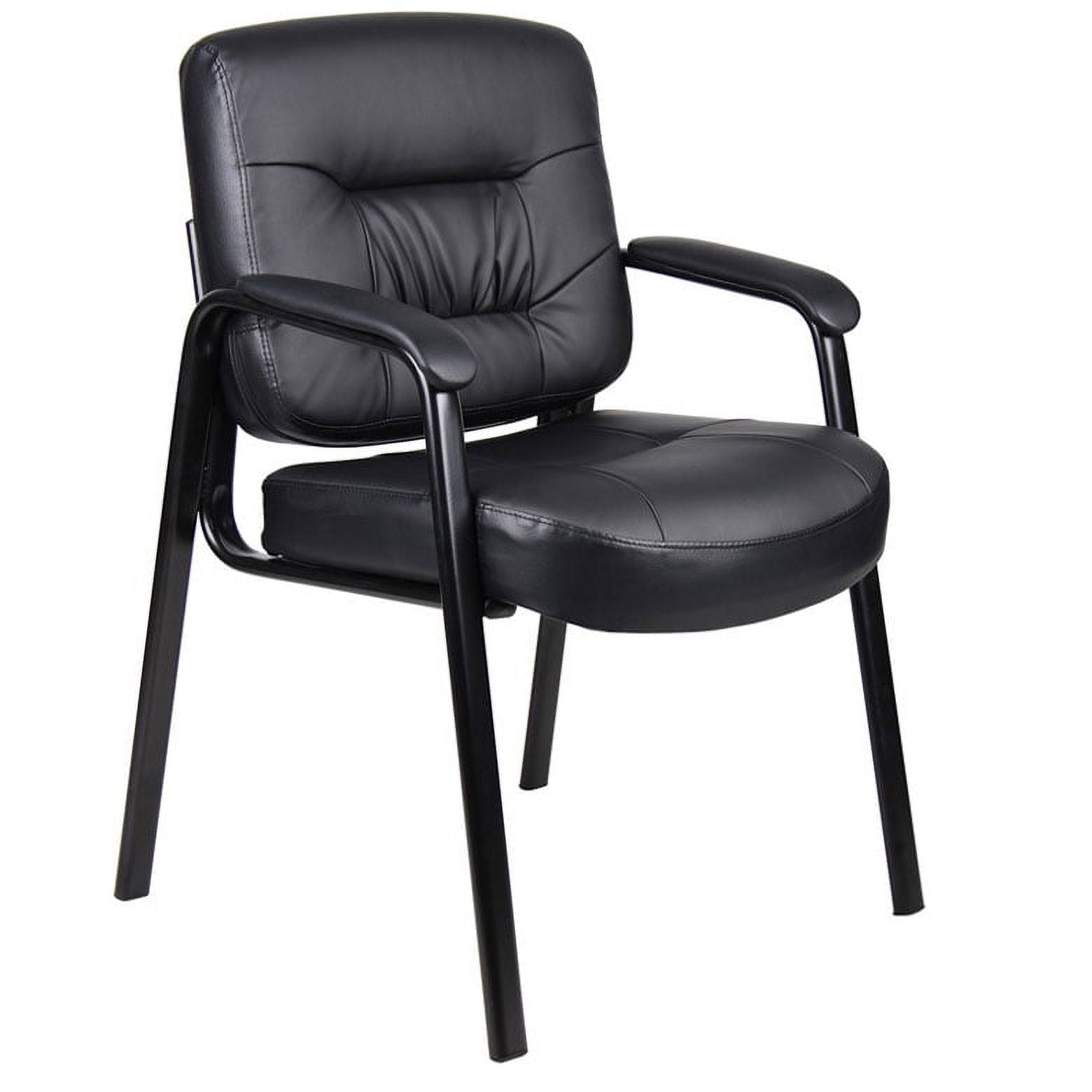
- Powder-Coated Steel: The most common finish. It's durable, resistant to scratches and chips, and available in various colors (most commonly black, white, or textured finishes). It provides excellent corrosion resistance.
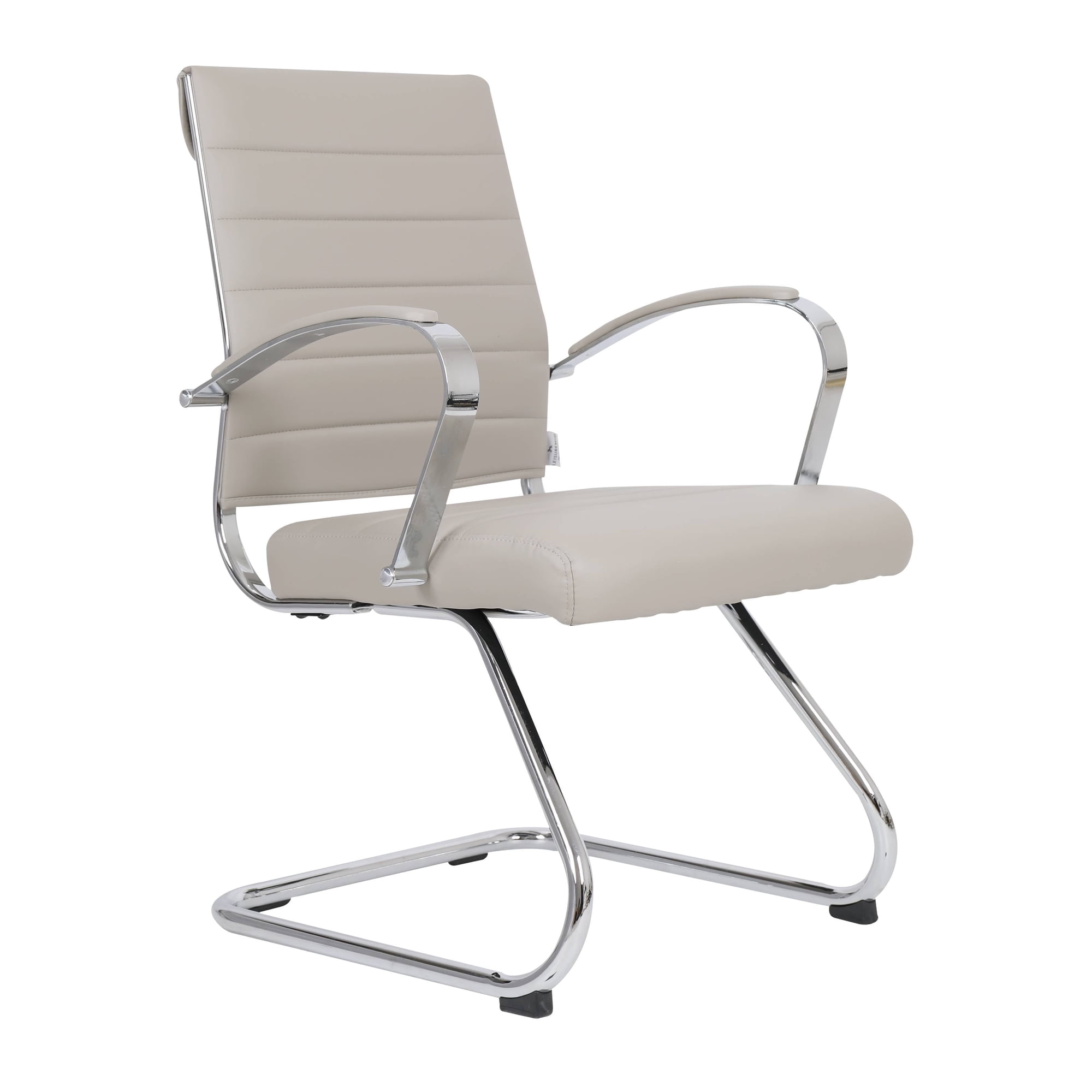
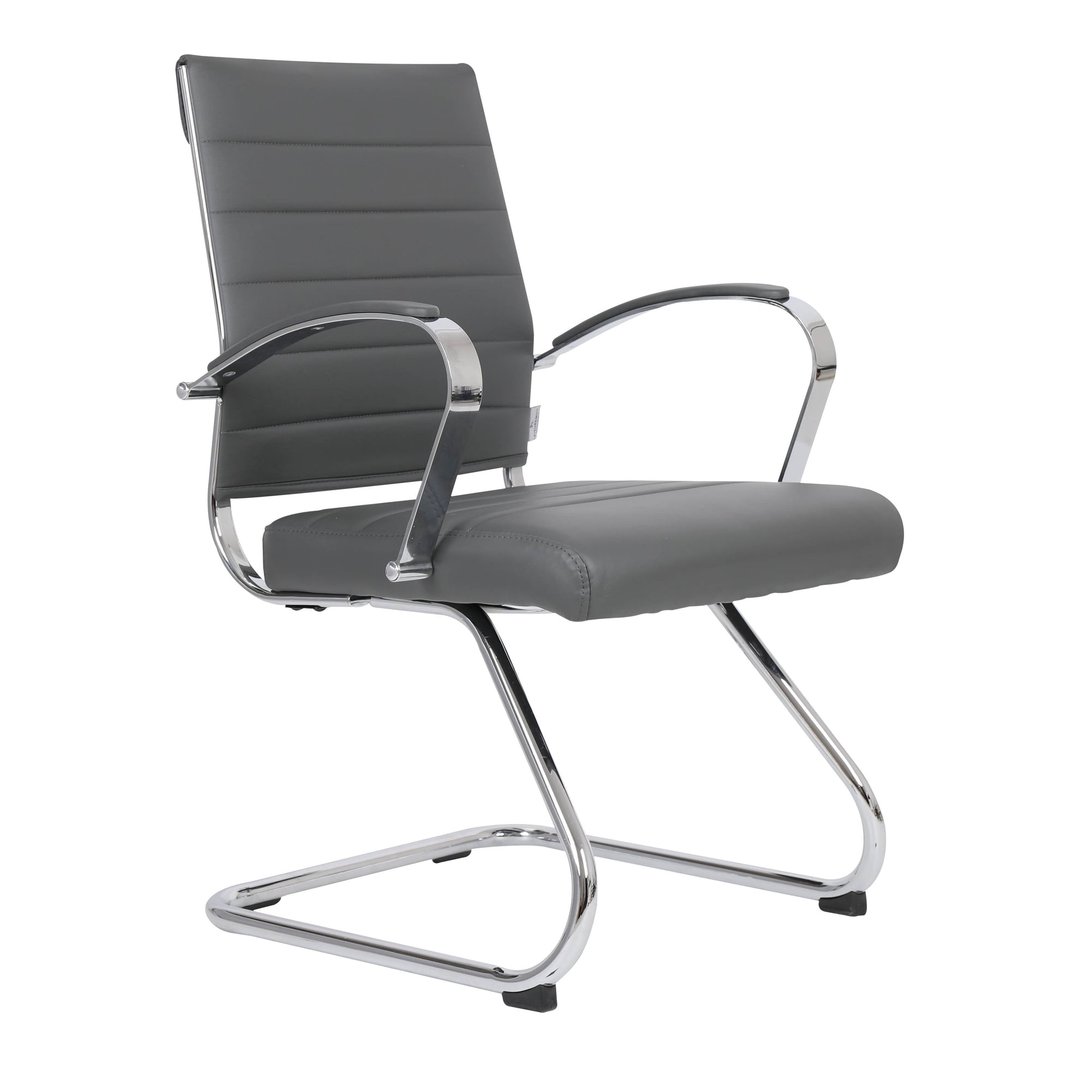
- Chrome-Plated Steel: Offers a mirror-like, polished finish. It's classic, stylish, and easy to clean. However, it can show fingerprints and may be prone to chipping if not applied correctly.
- Stainless Steel: The premium choice. Naturally resistant to rust and corrosion without needing a coating. It has a distinctive, high-end look but comes at a higher price point.
Who Needs a Steel Frame Office Chair? (Target Audience)
The robustness of a steel frame isn't necessary for everyone, but for specific user profiles, it's not just a luxury—it's a necessity.
Big & Tall Users
Exceeds standard weight limits (300-500+ lbs) with confidence, eliminating the worry of frame failure.
24/7 Operations
Ideal for industrial environments, security stations, or trading floors where chairs are used around the clock.
The "Buy-it-for-Life" Seeker
A single investment in a steel frame chair eliminates the cycle of replacing cheap chairs every few years.
Home Offices with Kids/Pets
Provides superior resistance to the bumps, knocks, and rough-and-tumble of a busy home environment.
Steel vs. Other Frame Materials: A Quick Comparison
| Frame Material | Durability | Weight Capacity | Longevity | Cost | Best For |
|---|---|---|---|---|---|
| Steel | Excellent | High (300-500+ lbs) | 15-20+ years | Medium-High | Heavy-duty, industrial, long-term use |
| Reinforced Nylon/Plastic | Good | Medium (250-300 lbs) | 5-10 years | Low-Medium | Light to medium use, budget-friendly |
| Aluminum | Very Good | Medium-High | 10-15 years | High | High-end design, lightweight durability |
| Wood | Fair | Low-Medium | 5-10 years (can crack) | Medium | Aesthetic, executive styles (low mobility) |
Ergonomics and Steel: A Perfect Match
There's a common misconception that a chair built like a tank must be uncomfortable. This is false. A rigid steel frame provides the perfect stable platform for advanced ergonomic mechanisms. Because the frame doesn't flex, the adjustments for lumbar support, seat depth, and tilt tension work precisely as intended. The energy from your movements is directed into the ergonomic features, not lost in a wobbly frame. Many top-tier ergonomic chairs use steel frames precisely for this reason.
When looking for a steel frame chair, don't compromise on ergonomics. Look for these features:
- Adjustable Lumbar Support: A steel frame allows for a firm, supportive lumbar mechanism that won't deform over time.
- Seat Depth Adjustment: Ensures proper thigh support, crucial for tall users, and the steel frame keeps the sliding mechanism smooth.
- Synchro-Tilt Mechanism: Allows the seat and back to move in a coordinated, ergonomic way. The steel housing ensures this complex mechanism functions flawlessly for years.
- 4D Armrests: Adjustable in height, width, depth, and angle. Steel mounting brackets ensure they stay put without wobbling.
Frequently Asked Questions About Steel Frame Office Chairs
Conclusion: Invest in the Frame, Invest in Your Future
Choosing an office chair is a personal decision, but when you prioritize longevity, stability, and raw strength, the path leads you to steel. A steel frame office chair is more than just a place to sit; it's an investment in your physical comfort, your productivity, and your peace of mind. It eliminates the nagging worry about your chair failing and replaces it with a solid, reliable foundation for your work.
While the initial cost might be slightly higher than a plastic-framed alternative, the cost-per-year over its extended lifespan makes it one of the most economical choices you can make. Whether you're a big and tall executive, a manager in a high-usage environment, or simply someone who appreciates well-engineered products, a steel frame chair is a decision you won't regret. Look for quality finishes, robust mechanisms, and, of course, that all-important steel skeleton.
Final Recommendations Based on Your Profile
| User Profile | Recommended Focus | Key Features to Prioritize |
|---|---|---|
| Big & Tall Professional | Maximum weight capacity and seat width | Reinforced 5-star steel base, extra-thick seat cushion, weight rating 400+ lbs |
| Industrial/Shop Floor Manager | Durability and easy-clean surfaces | Powder-coated steel frame, heavy-duty casters for rough floors, vinyl or leatherette upholstery |
| Home Office Enthusiast | Ergonomics and aesthetics with a durable core | Steel frame with high-end mesh or leather, adjustable lumbar support, polished chrome or designer finish |
| Budget-Conscious but Value-Driven | Long-term value over initial cost | Steel frame base and mechanism (even if back is mesh), solid warranty, good foam density |