
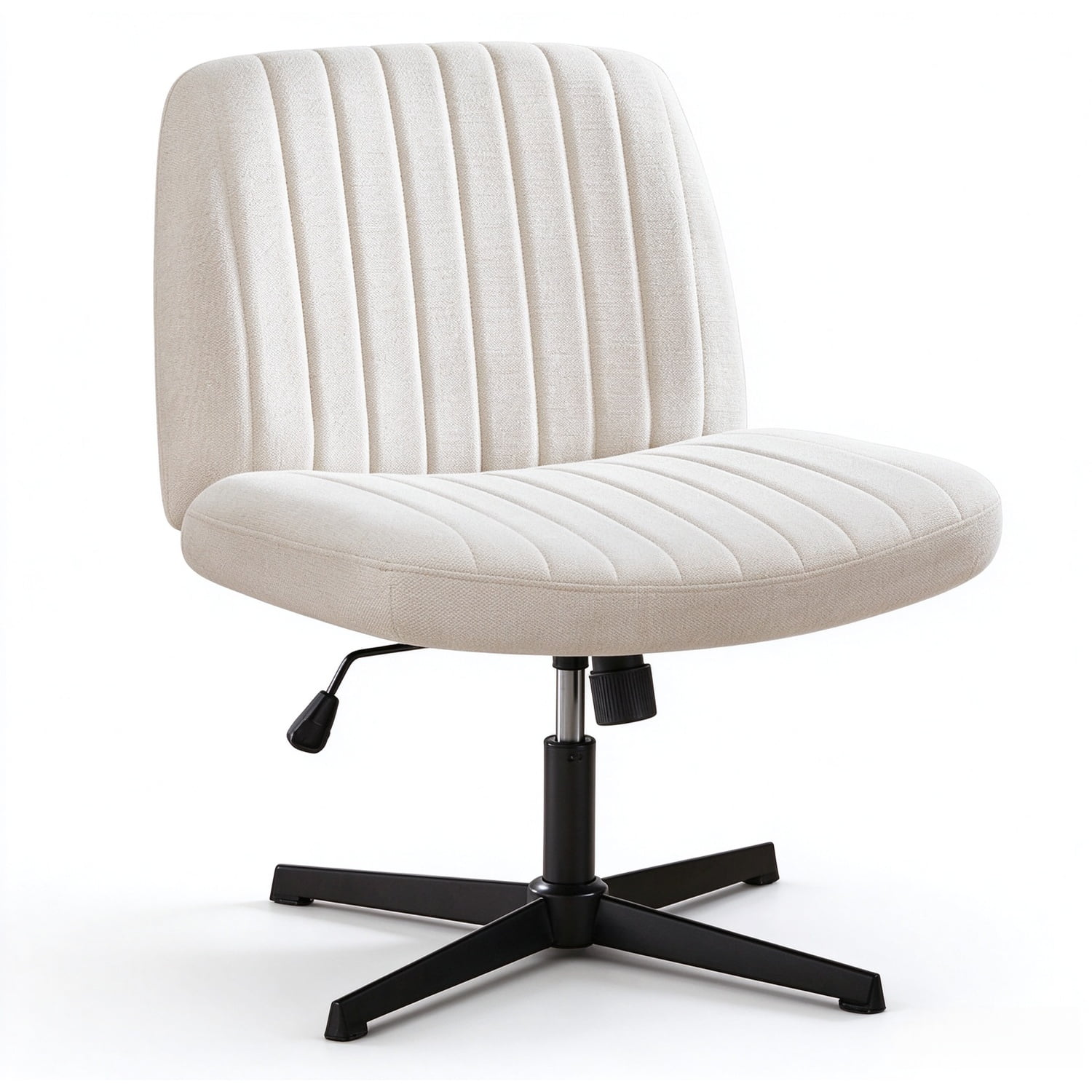
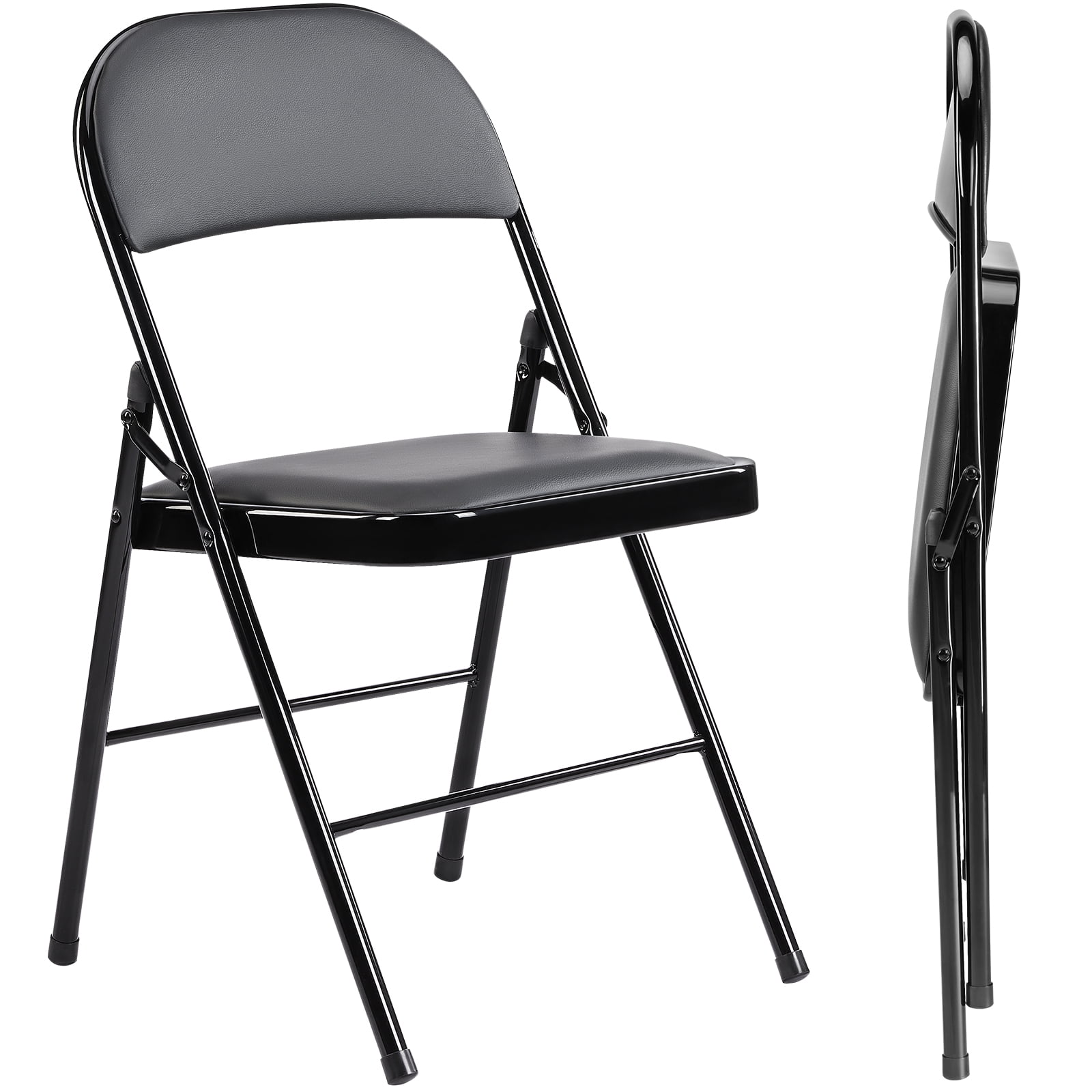
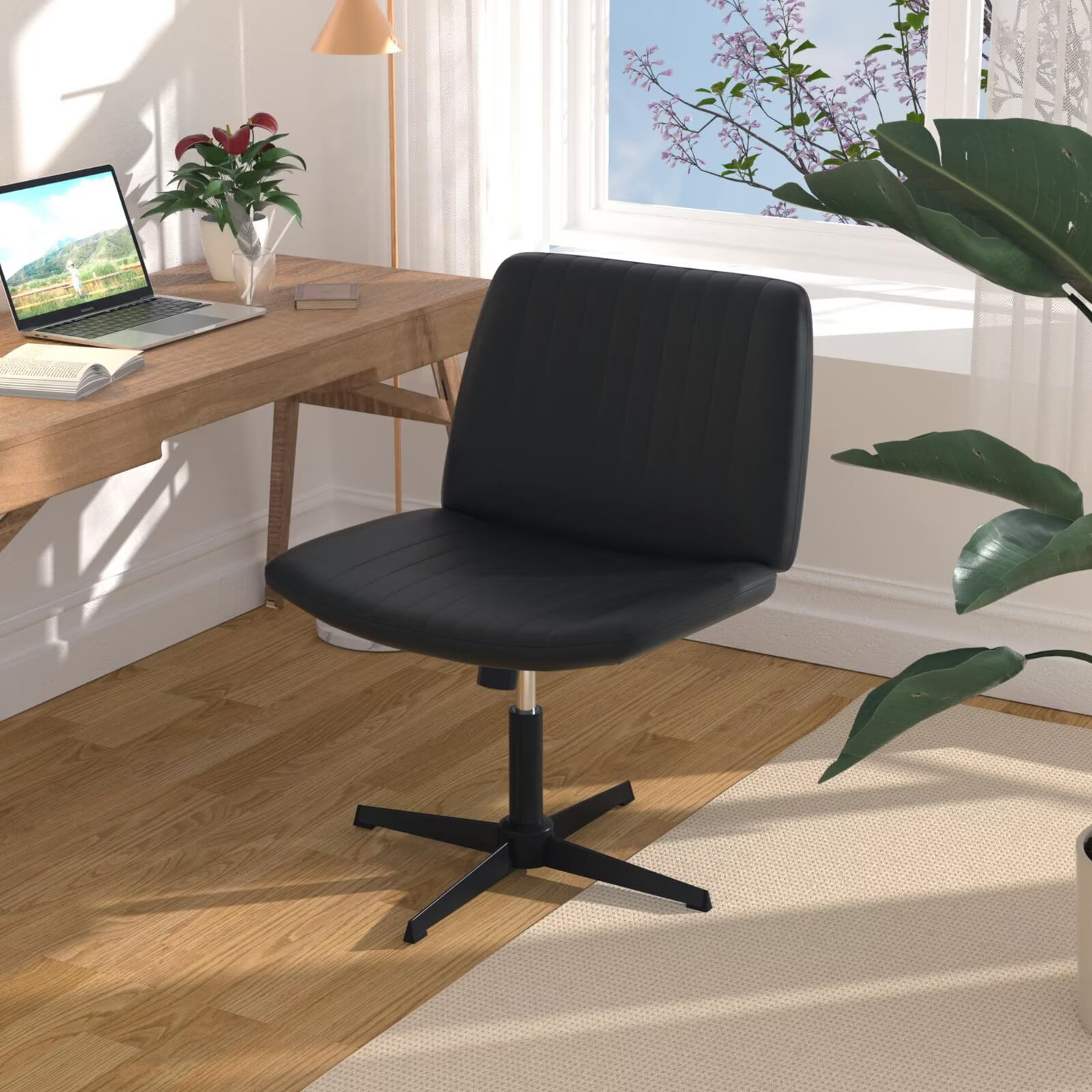
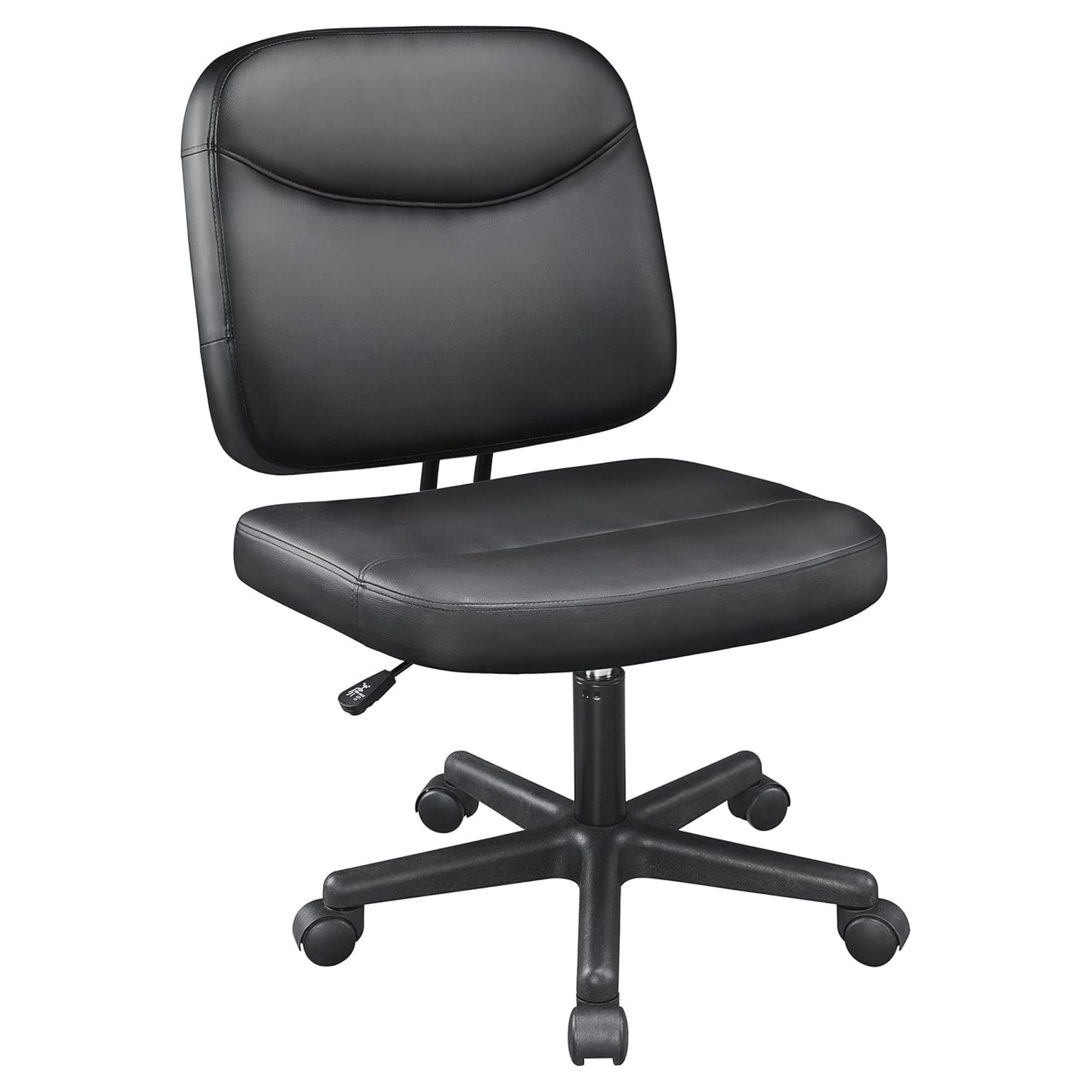
Imagine settling into your workspace after a long day. The last thing you want is to feel squeezed into a chair that was designed for someone of average build. A wide office desk chair is like upgrading from a cramped economy seat to business class: you get the space to move, adjust, and truly relax while you work. For many, this isn't a luxury—it's a necessity for comfort, focus, and long-term health.
Why size matters: According to a 2023 survey by the Ergonomic Trends Association, 68% of workers who switched to a wider seat reported a significant decrease in hip and thigh discomfort. Giving your body the space it needs isn't just about feeling good; it's about performing at your best.
1. Beyond the Seat Width: What Makes a Chair 'Wide'?
When we talk about a wide office desk chair, the first number that comes to mind is the seat width. But a truly spacious and supportive chair is about more than just inches. Think of it like a well-tailored suit: it's not just the chest measurement, but how the shoulders, sleeves, and waist all work in harmony. Here’s what to look for:
- Seat Width and Depth: Look for a seat pan width of at least 22 inches. Standard chairs are 18-20 inches. The depth (from back to front) should also be adjustable or generous enough to support your thighs without pressing behind your knees.
- Reinforced Frame: A wider chair requires a sturdier skeleton. High-quality models use a steel or reinforced aluminum frame to prevent twisting or creaking under load.
- Wider Backrest: The backrest should proportionally match the seat. A narrow back on a wide seat feels odd and offers poor support. Aim for a backrest that's at least 22-24 inches wide.
- Heavy-Duty Base and Casters: The five-point base should be made of metal (nylon can crack under high weight). Look for larger, dual-wheel casters rated for carpets or hard floors to ensure smooth rolling even under heavy loads.
A common misconception is that a "wide" chair is simply a scaled-up version of a standard one. In reality, the best wide chairs are engineered from the ground up. For example, the gas lift cylinder needs a higher weight class, and the armrests are often set wider apart to accommodate broader shoulders or simply to give you more room to shift position.
2. The Space-Ergonomics Balance: Don't Sacrifice Support
Some people worry that a bigger seat means losing ergonomic adjustability. A decade ago, that might have been true. Today, however, premium wide office chairs are packed with features that rival—and sometimes exceed—their standard-sized counterparts. The key is finding a chair that scales ergonomics for a larger user. Here’s a breakdown of the must-have adjustments:
2.1. Lumbar Support: The Back's Best Friend
Just like a suspension bridge needs strong cables, your spine needs a robust support system. For a wide chair, adjustable lumbar support is non-negotiable. You want a system that can move up and down to fit the curve of your spine, and ideally, one that offers depth adjustment to push firmly into your lower back. Some high-end models use an air-bladder system for micro-adjustments, which is like having a custom-fit cushion exactly where you need it.
2.2. Armrests: The 4D Advantage
Armrests on a wide chair should be as adjustable as a pilot's control panel. The term "4D" means they move up/down, left/right, forward/backward, and can pivot (rotate). For a spacious seat, the ability to widen the armrests is critical. It allows you to keep your shoulders relaxed and your elbows at a 90-degree angle, preventing that hunched-over feeling. Imagine trying to type with your arms forced inwards—a wide chair with adjustable arms lets you maintain a natural, open posture.
3. Materials Matter: Choosing the Right Upholstery for the Long Haul
Selecting the material for your wide office desk chair is like choosing the tires for a car that you drive daily. You need something durable, comfortable, and suited to your environment. Here’s a quick guide to help you decide:
🛡️ Heavy-Duty Fabric
- Best for: Durability and breathability.
- Pros: Commercial-grade fabric is tested for millions of rubs (abrasion resistance). It's tough, resists stains, and doesn't retain heat like some other materials.
- Cons: Can be harder to clean spills from compared to leather.
👑 Premium Leather (or Faux Leather)
- Best for: A professional, executive look.
- Pros: Easy to wipe clean, develops a unique patina over time (genuine leather), and offers a firm but comfortable support.
- Cons: Can get sticky in hot weather. Faux leather may peel or crack after a few years.
💨 Reinforced Mesh
- Best for: Hot climates or those who tend to overheat.
- Pros: Unbeatable airflow. High-quality mesh is also very supportive and conforms to your shape.
- Cons: Must be reinforced. Standard mesh can sag over time under higher weight. Look for chairs with a strong mesh weave and supportive frame.
Think of your chair's material as a long-term investment. A $400 fabric chair might need replacing in 3 years, while a $900 commercial-grade fabric or leather chair could easily last a decade. The cost-per-year often favors the higher upfront investment.
4. A 3-Step Framework to Find Your Perfect Wide Office Chair
Finding the right wide chair can feel overwhelming, but you can simplify it into a simple three-step framework: Measure, Match, and Test.
Step 1: Measure Your Space and Yourself
- Your Body: Measure your hip width while seated. This is the absolute minimum seat width you need. Then measure your popliteal length (back of knee to buttock) to find your ideal seat depth.
- Your Chair Mat/Desk: A wide chair has a wider wheelbase. Ensure it will fit comfortably under your desk and on your chair mat without hitting the legs of your desk.
Step 2: Match Features to Your Needs
- If you work 8+ hours a day: Prioritize adjustable lumbar, seat depth, and a breathable material (like reinforced mesh or high-end fabric).
- If you are over 6'2" or under 5'4": Check the seat height range and backrest height. You need a chair that can go low enough for your feet to rest flat, or high enough to keep your thighs parallel to the floor.
- If you need heavy-duty support: Look for a chair with a stated weight capacity 50-100 lbs above your weight to ensure a safety margin and long-term durability.
Step 3: The "Long-Form" Test
Never buy a wide office chair based on looks alone. If possible, test it for at least 20-30 minutes. Pay attention to pressure points, especially on the sides of your thighs and hips. Simulate your work: type, lean back, and use the armrests. A good chair should feel like it disappears under you, allowing you to focus entirely on your work.
5. The Hidden Benefits of Switching to a Wide Office Chair
Beyond the obvious physical space, upgrading to a well-designed wide chair offers a cascade of positive effects on your work life and health.
🧘 Improved Posture
More space allows for micro-movements. You're not locked in one position, which encourages better spinal alignment and reduces stiffness.
🔄 Better Circulation
A seat that doesn't dig into your thighs prevents pressure on blood vessels, reducing the risk of numbness and improving energy flow.
🧠 Enhanced Focus
Physical comfort is the foundation of mental focus. When you're not distracted by a too-small seat, your brain can dedicate 100% of its energy to the task at hand.
🏢 Long-Term Value
Chairs designed for wider bodies are built like tanks. They use thicker materials and stronger components, meaning they often outlast several standard chairs.