
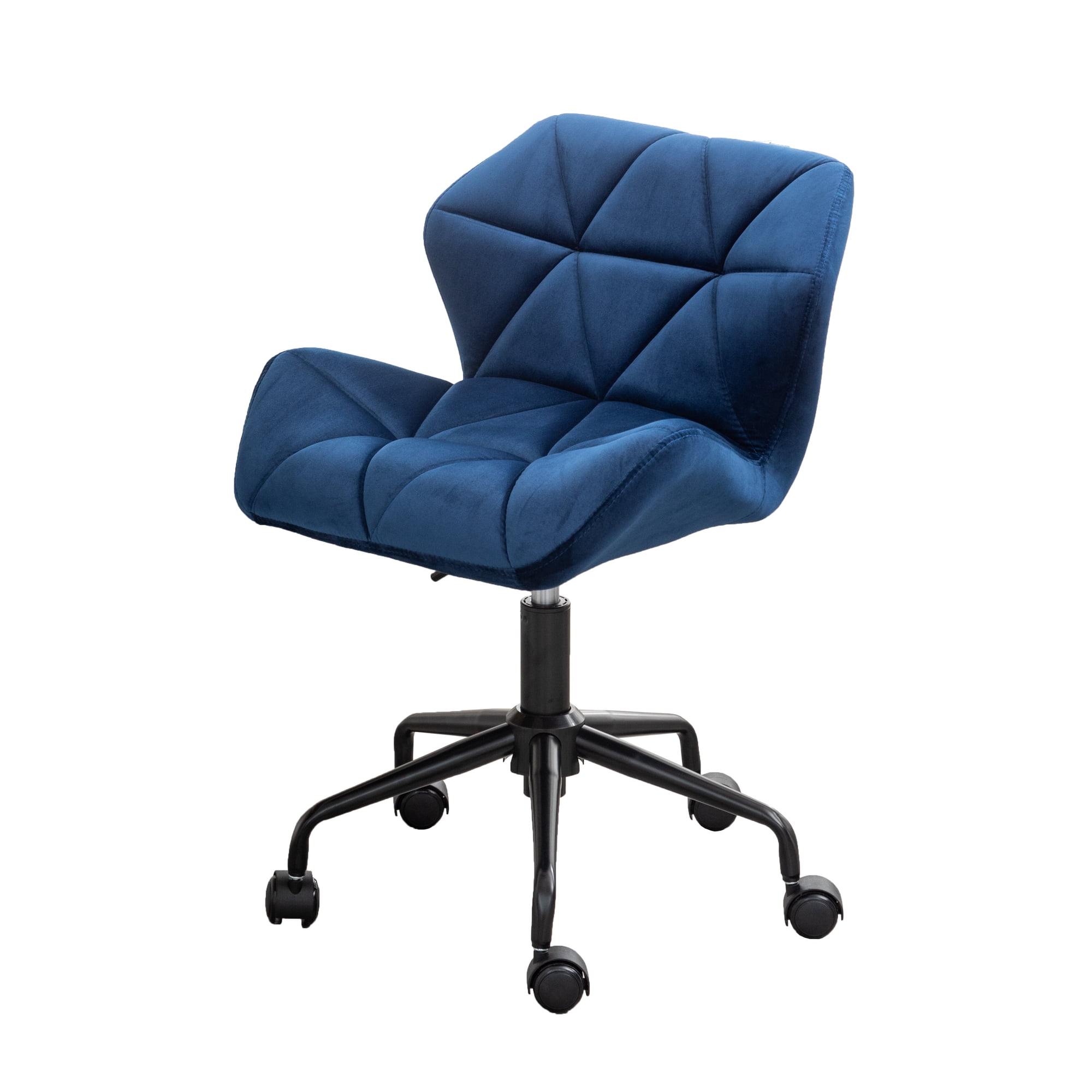
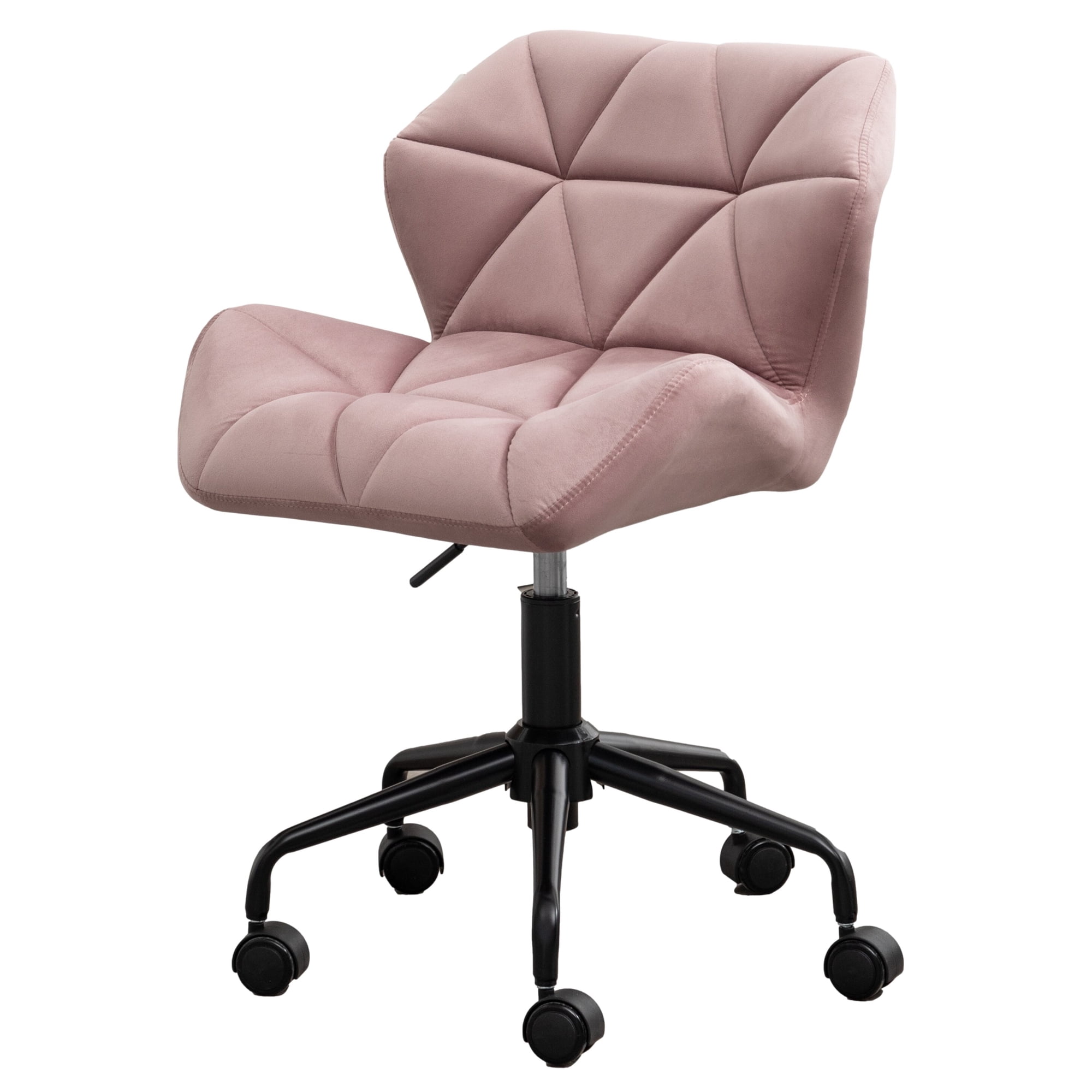
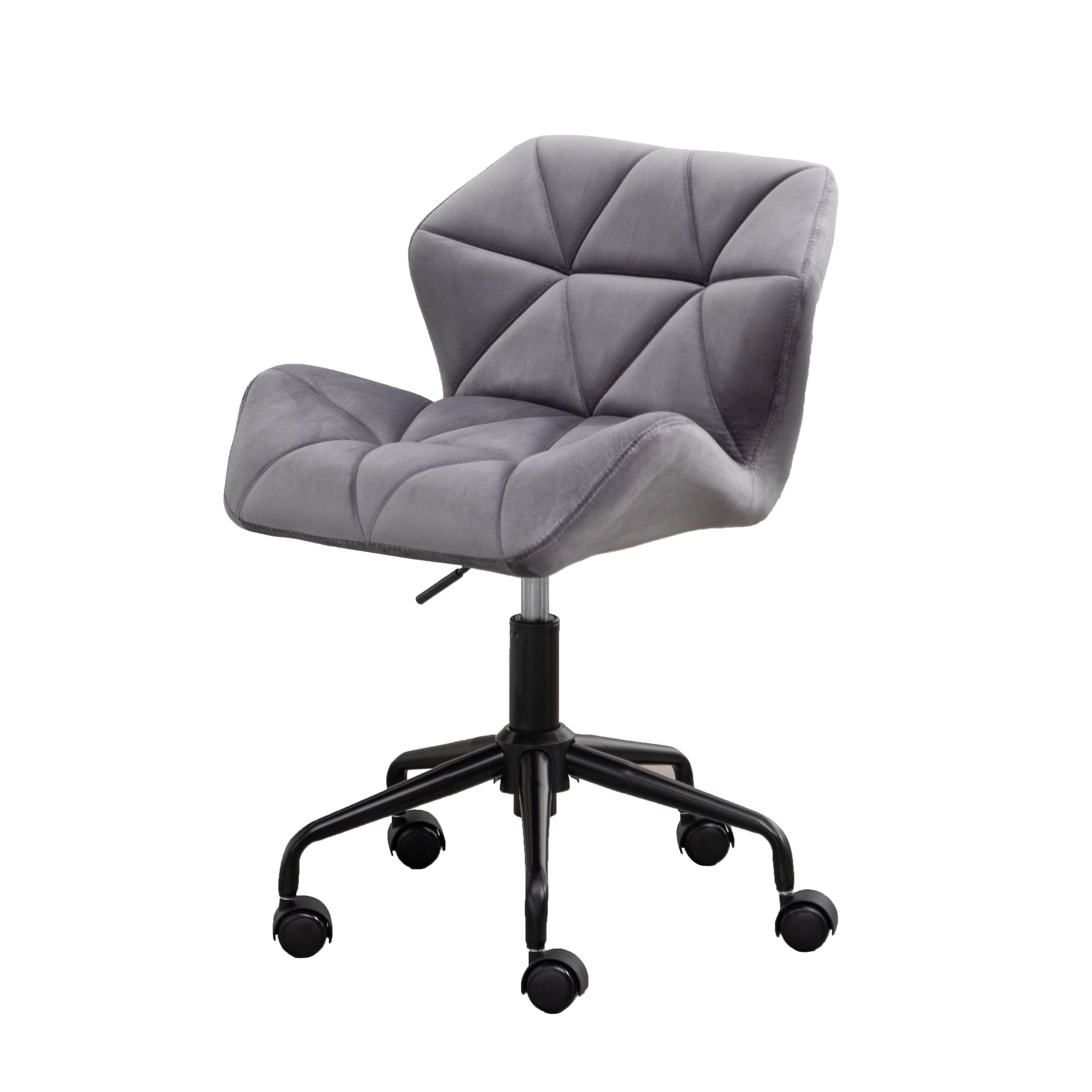
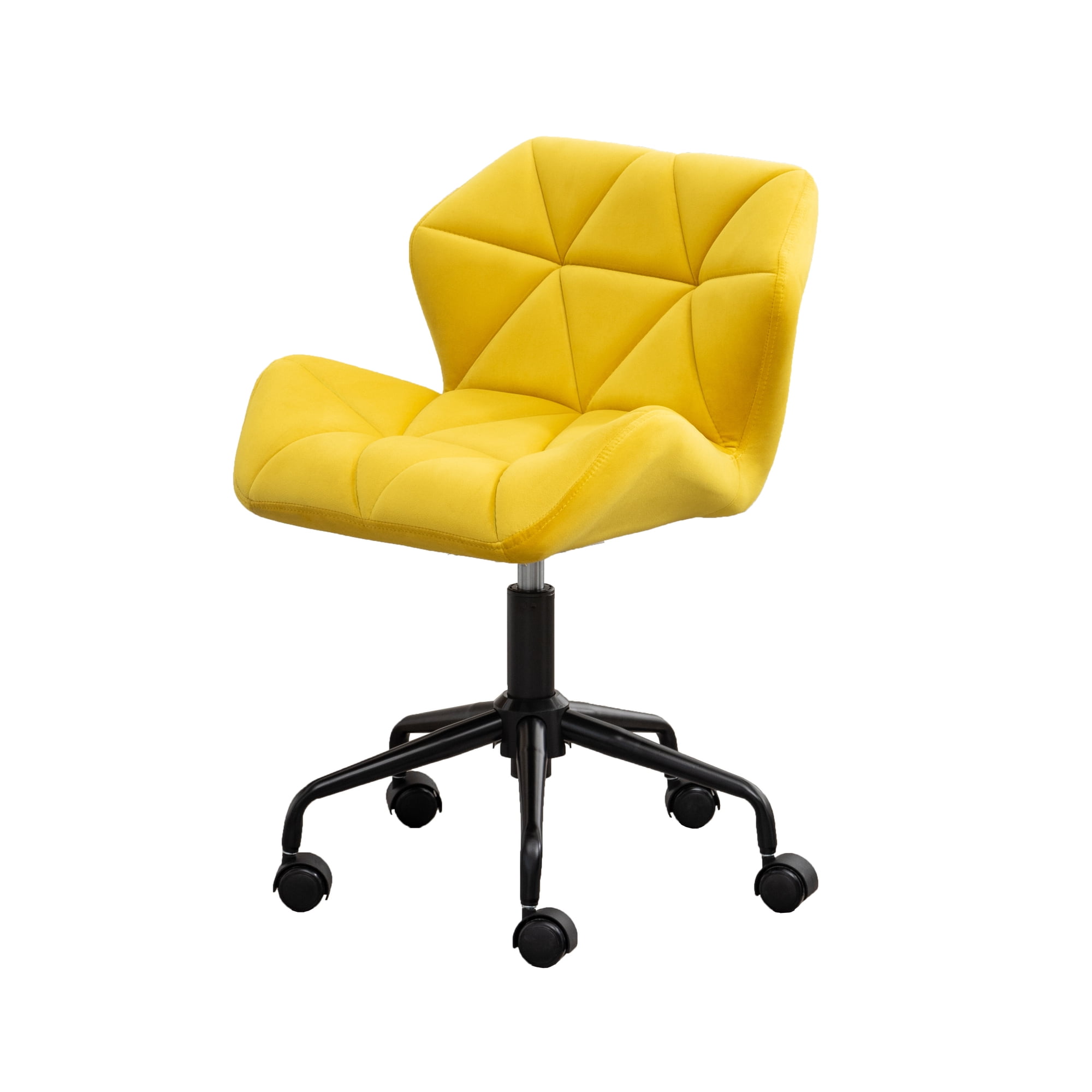
The Unsung Hero of Productivity: Why Your Chair Needs to Swivel
Imagine your workspace as a command center. You need to reach your keyboard, grab a file from the side table, turn to discuss a idea with a colleague, and then return to typing—all without breaking your focus or straining your back. This is where the office swivel chair transforms from a simple seat into a productivity tool. Unlike static chairs, a quality swivel chair with smooth-rolling casters gives you a 360-degree radius of motion, effectively expanding your workspace without moving your feet.
But not all swivel chairs are created equal. The mechanism that allows you to spin, the wheels that let you roll, and the ergonomic support that keeps you comfortable are the details that separate a cheap seat from a long-term investment in your well-being. In this guide, we'll dive deep into the engineering, benefits, and selection criteria for the perfect swivel chair, ensuring your next purchase is both smart and lasting.
Beyond the Spin: Understanding Swivel Chair Mechanics
The term "swivel" often masks the sophisticated engineering beneath the seat. Let's break down the core components that define the performance of an office swivel chair.
1. The Swivel Mechanism: More Than Just a Pivot Point
At the heart of every rolling chair is the swivel mechanism, typically a ball-bearing or bushing-based rotation system. High-end chairs use sealed ball bearings for an ultra-smooth, silent spin that feels effortless. Lower-cost models might use nylon bushings, which can become noisy or stiff over time. When testing a chair, pay attention to how easily it rotates. A quality swivel should move with minimal effort and zero wobble.
2. Casters: The Wheels That Define Your Ride
The wheels on your swivel chair are critical for floor protection and movement fluidity. There are two main types:
- Hard Floor Casters (Soft Wheels): Made of soft polyurethane, these are designed for hardwood, tile, or laminate. They roll smoothly and won't leave marks.
- Carpet Casters (Hard Wheels): Usually made of hard nylon, they grip into carpet fibers to provide rolling resistance and prevent the chair from sliding uncontrollably.
- Rollerblade-Style Casters: A premium upgrade featuring larger, softer wheels on precision bearings. They offer the smoothest glide on both carpet and hard floors and are a favorite among enthusiasts.
Pro Tip: If you have mixed flooring at home (e.g., a rug in the sitting area and hardwood around your desk), consider investing in a chair with interchangeable or hybrid casters for the best of both worlds.
3. Gas Lift vs. Mechanical Lift
The height adjustment mechanism is another key player. Most modern swivel chairs use a Class 3 or Class 4 gas lift (pneumatic cylinder). Class 4 lifts are heavier-duty and more durable for frequent adjustments or higher-weight users. Mechanical lifts (spindle or screw-type) are rare today but offer extreme durability, often found in industrial settings.
⚙️ Tilt Tension Control
Adjusts how much force is needed to recline. Crucial for matching your body weight; too loose and you'll feel unsupported, too tight and you won't recline at all.
🔄 Multi-Block Mechanism
Found in advanced chairs, this allows you to lock the backrest in multiple positions while the seat stays put, or synchronize the movement for optimal ergonomics.
🛞 Caster Hub Design
The hub connects the wheel to the chair. Look for reinforced hubs if you're a heavier user, as cheap plastic hubs are prone to cracking.
🧱 Base Material
Nylon bases are lightweight and cost-effective; aluminum or polished steel bases offer higher durability and a premium aesthetic, often with a higher weight capacity.
Types of Office Swivel Chairs: Finding Your Match
Swivel functionality comes in various chair styles. Here’s how to choose based on your work habits:
- Task Swivel Chairs: Designed for desk work. Usually have a simpler backrest, minimal adjustments, and are budget-friendly. Ideal for guest areas or short-duration use.
- Ergonomic Swivel Task Chairs: These are the workhorses of the office. They feature adjustable lumbar support, seat depth, armrests, and a synchronized swivel-tilt mechanism. Best for 6-8 hour workdays.
- Executive Swivel Chairs: High-back, often upholstered in leather, with plush cushioning. They emphasize comfort and presence, but may have fewer adjustments than pure ergonomic chairs. The swivel is typically very smooth.
- Drafting Stool Swivel Chairs: Designed for standing desks or drafting tables. They have a taller gas cylinder and often include a foot ring to support your feet when perched at a higher level.
📊 Mobility Matters: The Efficiency Edge
According to a study on workplace dynamics, workers with fully mobile chairs (swivel + casters) performed tasks requiring multiple desk areas 17% faster than those in stationary chairs. The ability to swivel reduces the mental and physical friction of shifting positions, allowing you to stay "in the zone" longer.
Ergonomics and the Swivel Chair: A Symbiotic Relationship
A swivel base alone doesn't make a chair ergonomic, but it's a critical partner. True ergonomic design ensures that when you swivel or roll, your posture remains aligned. Here’s what to look for:
- Seat Edge (Waterfall Front): Prevents pressure on the back of your thighs when you lean forward or swivel to the side.
- Adjustable Armrests (3D/4D): Armrests that swivel with you or are height/width adjustable ensure your arms are supported whether you're typing or turning to talk.
- Synchro-Tilt Mechanism: This allows the seat and back to move at a ratio (usually 2:1 or 3:1) as you recline. It keeps your feet planted and your vision level while the chair swivels and tilts.
5-Step Swivel Chair Selection Framework
Step 1: Measure Your Rotation Radius
Ensure you have enough clearance behind and beside your chair for full 360° movement. A chair that hits cabinet doors or walls is frustrating. Leave at least 30 inches of space on all sides.
Step 2: Match Caster to Floor Type
As mentioned earlier, this is non-negotiable. If unsure, buy a chair that comes with dual-purpose casters or allows you to easily swap them out.
Step 3: Test the Swivel Resistance
If buying in-store, sit in the chair and push off gently. Does it spin freely without jerking? A quality mechanism will provide consistent, smooth rotation.
Step 4: Assess Weight Capacity with Margin
Always choose a chair with a capacity at least 20% higher than your weight. This ensures the swivel mechanism and casters last longer without premature wear.
Step 5: Prioritize Mechanism Warranty
The swivel and tilt mechanism is the most stressed part. A good warranty (5+ years on mechanism) indicates manufacturer confidence in their engineering.
Material Science: Upholstery and Its Impact on Swivel Use
The material you sit on affects how easily you can swivel. For example:
- Mesh: Excellent breathability, but can create friction if your clothing is rough. High-quality mesh has a slight give that accommodates movement.
- Leather/Faux Leather: Smooth surface allows for easier swiveling as you slide slightly. However, it can be warm and requires maintenance.
- Fabric: Cozy and warm, but higher friction. If you swivel frequently in a fabric chair, ensure it has a "slick" finish or you might experience tugging.
Some chairs combine materials—for instance, a mesh back for breathability and a fabric or leather seat for comfort—offering a balance for dynamic users.
Conclusion: Invest in Fluid Motion
An office swivel chair is more than a seat; it's a mobility platform for your workday. By understanding the nuances of casters, gas lifts, and tilt mechanisms, you're equipped to choose a chair that doesn't just spin, but actively enhances your workflow and protects your body. Whether you're a home office worker, a manager in a corporate setting, or a creative professional who needs to move freely, the right swivel chair will be a silent partner in your daily success. Prioritize quality engineering, and your back—and productivity—will thank you for years to come.