
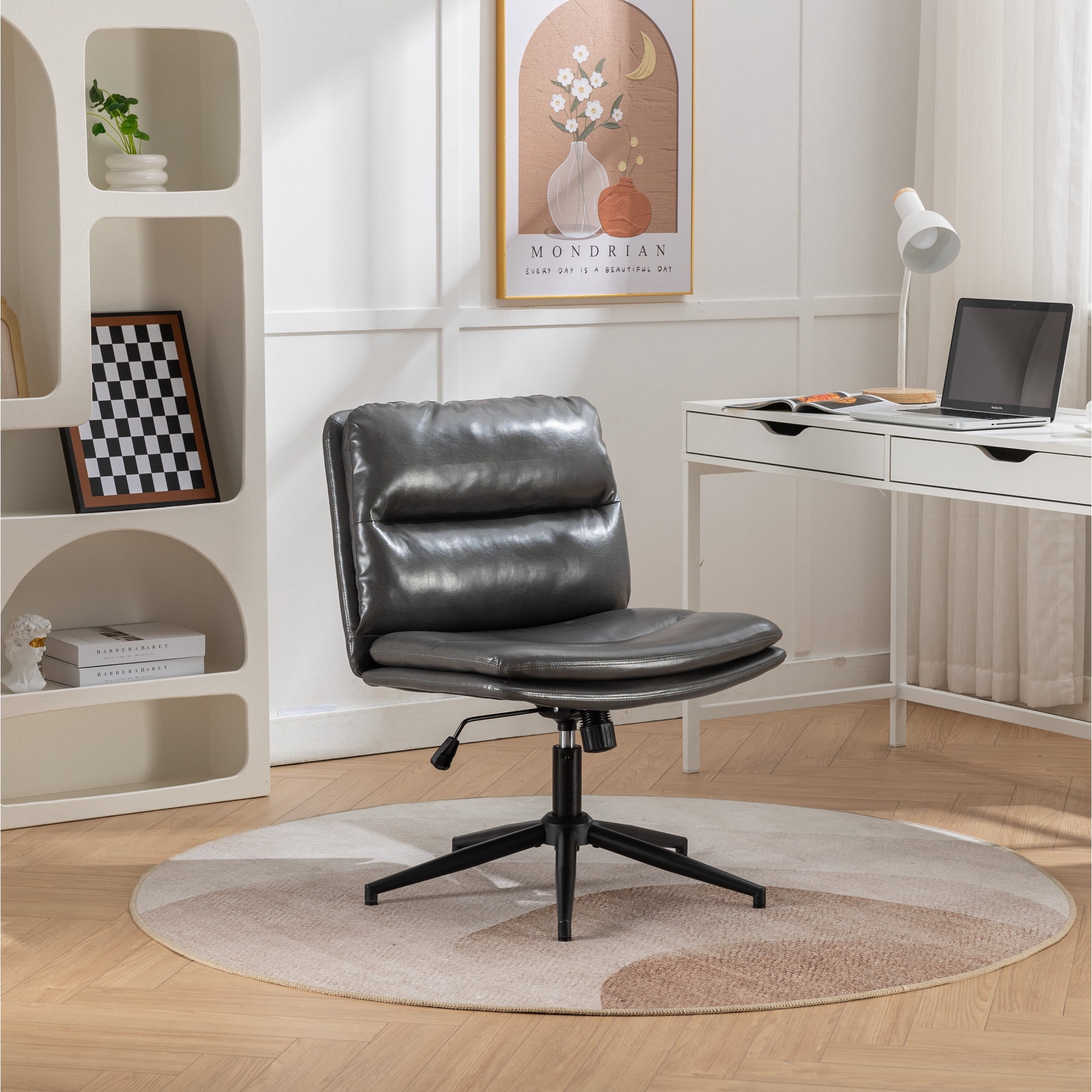
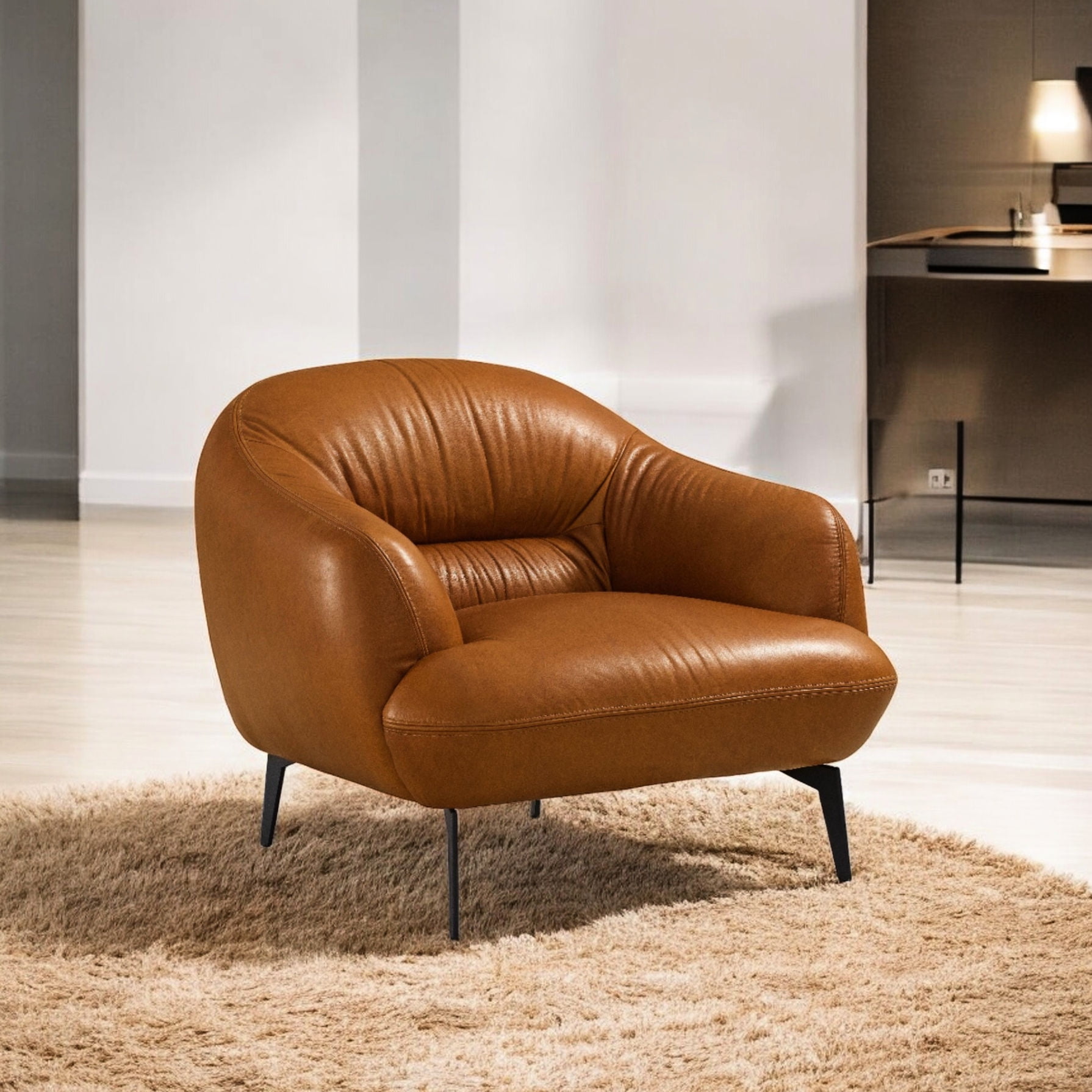
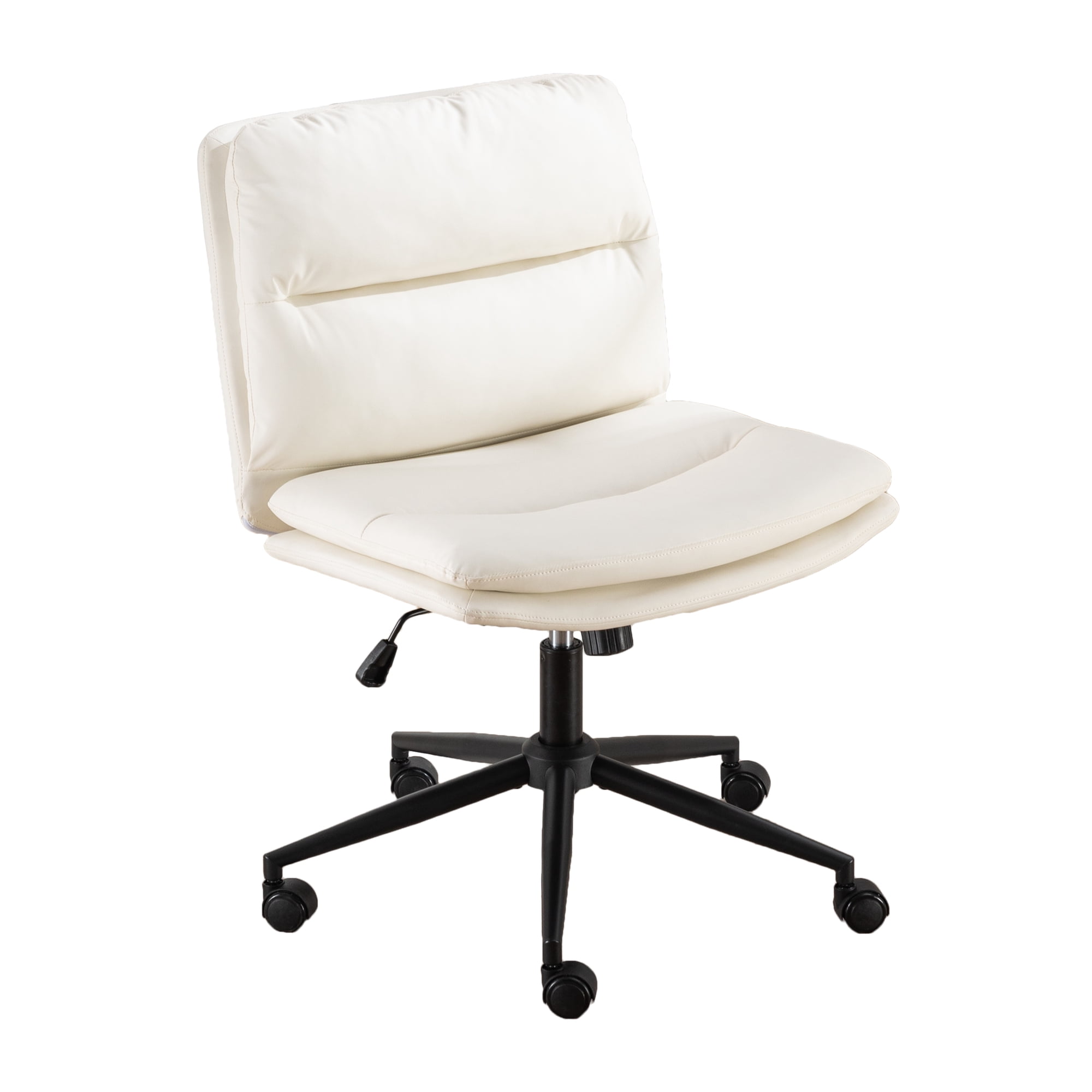
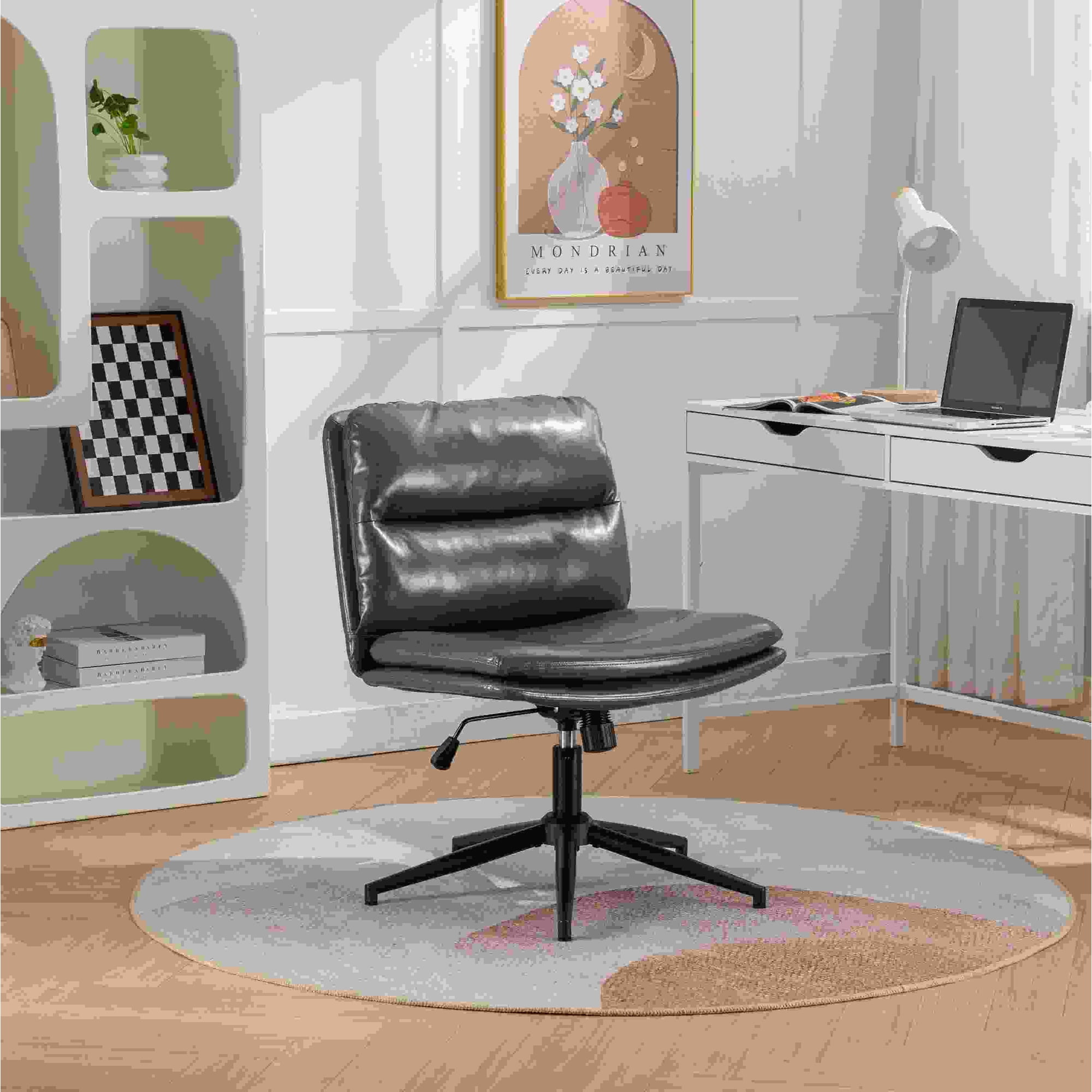
The Complete Guide to Wide Seat Office Chairs: Comfort Without Compromise
Finding an office chair that truly fits can feel like searching for a needle in a haystack. For individuals who need extra seating width—whether due to body type, personal preference, or specific comfort needs—standard office chairs often fall short, quite literally. This is where wide seat office chairs transform the workplace experience from uncomfortable constraint to spacious support.
Ergonomic Insight: According to the National Institute for Occupational Safety and Health (NIOSH), proper chair fit is crucial for preventing musculoskeletal disorders. A seat that's too narrow can cause pressure points, restricted circulation, and poor posture. Wide seat chairs with proper ergonomic design can reduce sitting discomfort by up to 57% and improve overall work satisfaction.
Understanding Wide Seat Office Chairs: More Than Just Extra Space
A wide seat office chair isn't simply a standard chair with a broader cushion. These specialized seating solutions are thoughtfully engineered to accommodate larger body types while maintaining proper ergonomic support, stability, and comfort. Think of them as the "first-class seat" of office chairs—offering generous room to move, reinforced construction, and premium comfort features that standard chairs simply can't provide.
Key Measurements: What Defines a Wide Seat?
To put these numbers in perspective, a standard office chair typically offers 17-20 inches of seat width. Wide seat chairs start at 22 inches, with extra-wide models reaching 30 inches or more. This additional space—imagine having an extra 2-10 inches of room on each side—makes an enormous difference in comfort, especially during 8+ hour workdays.
Who Benefits Most from Wide Seat Office Chairs?
- Big and Tall Individuals: Those who need extra width and higher weight capacity for proper support and comfort
- Plus-Size Users: Individuals who find standard chairs restrictive and uncomfortable
- Cross-Legged Sitters: People who prefer to sit with legs crossed or in alternative positions
- Mobility Aid Users: Those who need extra space for easier transfers in and out of the chair
- Comfort Seekers: Anyone who simply prefers more personal space while working
- Larger-Boned Individuals: People with broader frames who need proper hip and thigh support
Critical Features of Quality Wide Seat Office Chairs
| Feature | Why It Matters | What to Look For |
|---|---|---|
| Seat Width & Depth | Provides adequate space for hips and thighs without pressure points | 22-30 inches width, adjustable depth mechanism, waterfall edge for circulation |
| Weight Capacity | Ensures safety, stability, and longevity under heavier loads | Minimum 400 lbs for standard use, 500-800 lbs for heavy-duty applications |
| Frame Construction | Reinforced materials prevent breakdown and maintain structural integrity | Heavy-gauge steel frame, reinforced base, commercial-grade gas lift |
| Cushion Density | High-density foam prevents bottoming out and maintains comfort | 2.5-3.5 lb density foam, memory foam layers, thick seat padding (4+ inches) |
| Base & Casters | Wider base provides stability; heavy-duty casters support weight | 28-30 inch base diameter, metal or reinforced nylon, dual-wheel casters |
| Armrest Design | Wider armrest spacing accommodates broader shoulders | Adjustable width, height, and pivot; minimum 22 inches between armrests |
The "Comfort Scale": Finding Your Perfect Width
Choosing the right seat width isn't just about measurements—it's about how the chair feels during extended use. Use this comfort scale as your guide:
Snug Fit
20-22 inches
Good for average builds who want secure positioningComfortable
22-24 inches
Ideal for most plus-size users, allows slight movementSpacious
24-26 inches
Ample room for larger frames, cross-legged sittingExtra-Wide
26-30 inches
Maximum space for very large frames or extreme comfort preferenceMaterial Considerations for Wide Seat Chairs
The upholstery material in wide seat chairs must withstand greater stress and wear while maintaining comfort and appearance. Here's how different materials perform:
Heavy-Duty Fabric
- Breathable: Preves heat buildup during long sits
- Durable: Commercial-grade fabric resists wear
- Stretchy: Accommodates movement without stress
- Variety: Multiple colors and textures available
- Cost-Effective: Good value for heavy use
Premium Leather/Bonded Leather
- Professional Look: Executive appearance
- Easy Clean: Wipes clean easily
- Durable: Quality leather lasts years
- Temperature: Can be warm in summer
- Higher Cost: Premium material pricing
Mesh Combination
- Maximum Airflow: Keeps you cool
- Flexible Support: Conforms to body shape
- Lightweight Feel: Less bulky appearance
- Modern Look: Contemporary aesthetics
- Limited Width: May not stretch as wide
Vinyl/Faux Leather
- Budget-Friendly: Most affordable option
- Easy Maintenance: Simple wipe-down cleaning
- Less Breathable: Can get sticky in heat
- Durability: May crack over time
- Good for Light Use: Home office applications
Ergonomic Benefits: Why Wide Seat Chairs Support Better Posture
Contrary to what some might think, wide seat office chairs don't encourage slouching—they actually promote better ergonomics when properly designed. Here's how:
- Proper Hip Alignment: Adequate width allows hips to sit in neutral position without compression, reducing lower back strain
- Even Weight Distribution: Broader surface area distributes weight more evenly, reducing pressure points on thighs and buttocks
- Improved Circulation: No pinching or compression at hip edges means better blood flow to legs
- Freedom to Shift: Extra space allows subtle position changes throughout the day, reducing fatigue from static posture
- Better Lumbar Support Contact: When hips are properly positioned, the lumbar support engages correctly with your spine
According to ergonomic research published in the Journal of Applied Ergonomics, workers using properly fitted chairs (including adequate seat width) reported 43% less discomfort and 28% higher productivity compared to those using ill-fitting seating.
Usage Scenarios: Matching Wide Seat Chairs to Your Needs
Look for leather wide seat chairs with high backs, adjustable lumbar, and premium armrests for professional settings
Consider mesh or fabric wide chairs with good adjustability and comfort features for all-day use
Choose heavy-duty wide chairs with commercial-grade components, 24/7 rated mechanisms, and extra-durable upholstery
Look for racing-style wide seats with high backs, headrests, and recline functions for relaxation
Select wide chairs with easy-clean surfaces, bariatric ratings, and stable bases for patient or staff use
Consider stylish wide guest chairs that accommodate all visitors comfortably while matching decor
Investment Guide: What to Expect to Pay for Quality
Entry-Level
Basic wide seats, limited adjustments, lower weight capacities (300-350 lbs), suitable for occasional use
Mid-Range
Good quality wide chairs, better materials, 350-400 lb capacity, essential ergonomic features
Premium
Excellent construction, 400-500 lb capacity, full ergonomic adjustments, quality upholstery
Heavy-Duty Commercial
Maximum durability, 500-800 lb capacity, commercial warranties, premium materials throughout
The "sweet spot" for most buyers is the $500-$900 range, which offers a good balance of quality, features, and durability without the premium pricing of top-tier commercial models.
Step-by-Step Selection Guide
- Measure Yourself: Sit on a flat surface and measure hip width, thigh length, and overall height. Add 2-4 inches to hip width for comfortable space.
- Check Weight Capacity: Always choose a chair rated for at least 50-100 lbs more than your weight for safety margin and durability.
- Measure Your Space: Ensure the chair's overall width fits your work area and armrests can slide under your desk.
- List Required Features: Decide which adjustments (lumbar, armrests, tilt, seat depth) are must-haves versus nice-to-haves.
- Set Realistic Budget: Remember that a quality wide seat chair is a 5-10 year investment in your comfort and health.
- Read Verified Reviews: Focus on feedback from users with similar body types and usage patterns.
- Check Warranty: Look for minimum 5-year warranty on parts, 10+ years on frame for commercial-grade chairs.
- Verify Return Policy: Ensure you can test the chair at home with a reasonable return window (30 days minimum).