
Why Your Workspace Needs an Under Office Chair Plastic Mat
Imagine investing in a premium under office chair plastic mat only to realize it's the wrong type for your floor. A good chair mat is the unsung hero of a functional office, acting as both a shield for your flooring and a performance enhancer for your chair. Without it, your beautiful hardwood floors can get scratched, and your plush carpet can become a tangled mess that makes rolling your chair feel like you're pushing through sand.
Did you know? According to flooring manufacturers, constant pressure and movement from office chair casters can cause permanent matting and fiber damage to carpets within months. For hard floors, a single grain of sand ground into the surface by a caster can create unsightly scratches. A quality plastic mat is a small investment that prevents costly floor repairs or replacements.
The Dual Role of a Chair Mat: Protection and Performance
A high-quality under office chair plastic mat does more than just sit under your desk. It is an ergonomic and protective tool with two distinct jobs:
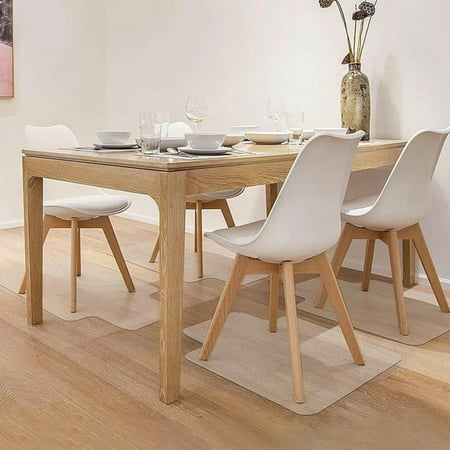
- Floor Guardian: It acts as a durable barrier, absorbing the wear and tear from chair casters. On carpet, it prevents fibers from crushing and matting down. On hard surfaces, it stops scratches, scuffs, and dents from repeated rolling.
- Mobility Enhancer: It creates a smooth, low-friction surface. This allows you to move from your keyboard to a filing cabinet or a colleague's desk with minimal effort. It protects the wheels of your chair from collecting dust and debris found in carpet fibers.
Anatomy of a Great Plastic Chair Mat
Not all plastic mats are created equal. When shopping, you'll encounter different materials, backing types, and lip styles. Understanding these components is key to making the right choice. Think of the mat as the foundation of your office—it needs to be the right material and shape to support everything on top.
| Component | Function | What to Look For |
|---|---|---|
| Material | Determines durability, flexibility, and longevity. | Polycarbonate: Top-tier, crystal clear, crack-resistant. PVC (Vinyl): Affordable, good for light use, but can yellow and crack over time. |
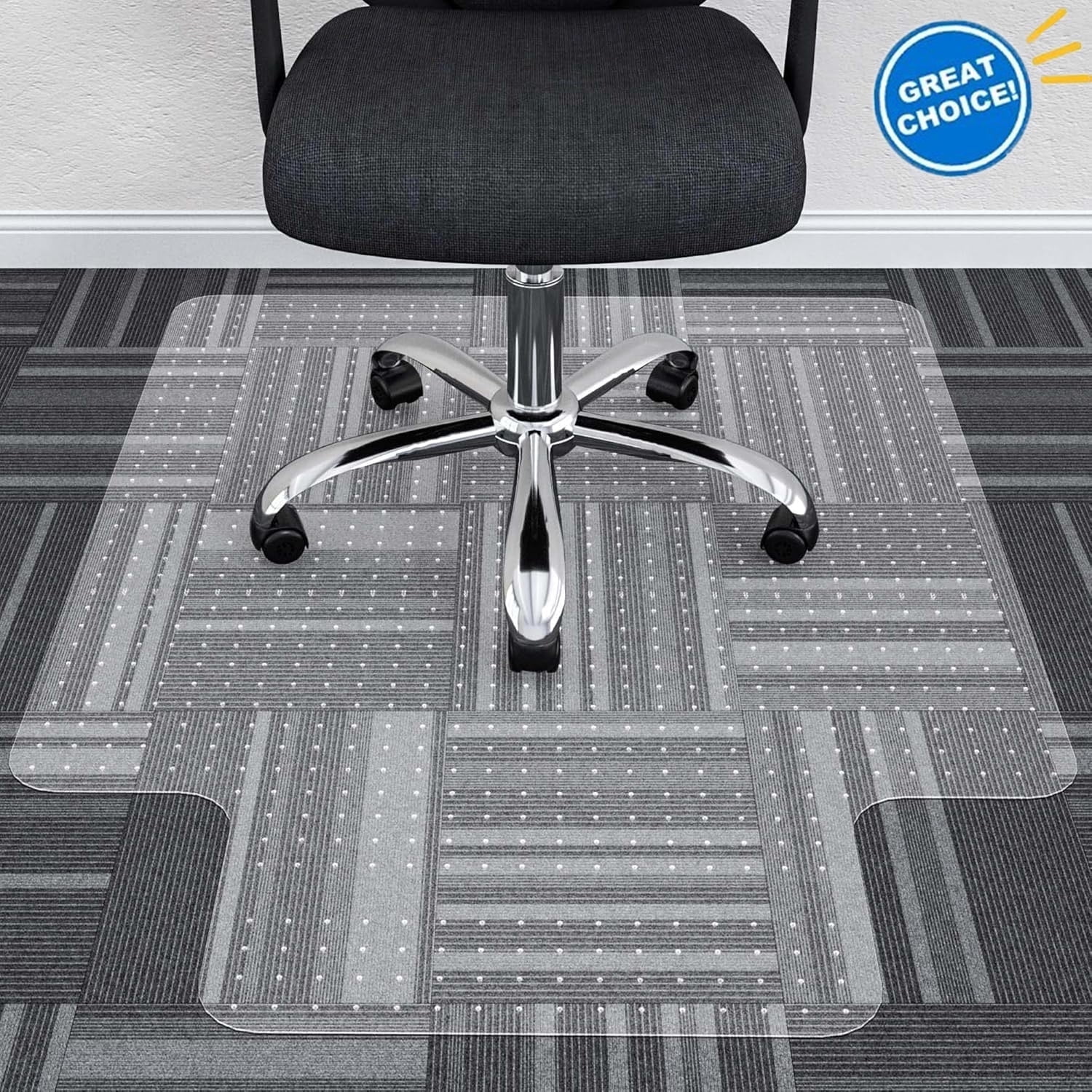
| Backing / Cleats | Keeps the mat in place on different floor types. | For Carpet: Hard plastic cleats that grip the carpet fibers. For Hard Floors: Smooth, non-slip rubber or textured backing to prevent sliding without scratching. |
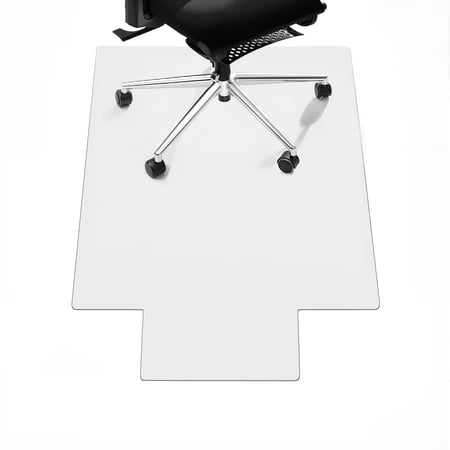
| Lip / Throat | The extended part that goes under your desk. | A longer lip provides more room for your feet and chair, protecting a larger area under the desk where movement is most frequent. |
| Thickness | Affects stability and how well it bridges carpet fibers. | Thin (1/16"-1/8"): Best for hard floors. Medium (1/8"-3/16"): For low to medium-pile carpet. Thick (3/16"+): For high-pile or plush carpet. |
The Unexpected Benefit: Ergonomics and Reduced Fatigue
A smooth-rolling surface isn't just about convenience; it has ergonomic benefits. When your chair moves easily, you're less likely to twist your torso or strain to reach for something. This effortless movement encourages better posture and reduces the physical stress of micro-adjustments throughout the day. It's a small detail that contributes to overall comfort, especially during long work sessions.
Protects Flooring
Prevents costly damage to carpets, hardwood, and tiles from chair casters.
Enhances Mobility
Allows for smooth, effortless gliding, improving workflow and reducing strain.
Preserves Chair Casters
Keeps wheels clean and free from carpet lint and debris, extending their life.
Defines Workspace
Visually marks your active work zone under the desk, creating a sense of order.