
The Enduring Appeal of the Traditional Leather Office Chair
Imagine walking into a stately office: the warm glow of a brass lamp, shelves of leather-bound books, and in the center, a commanding leather chair—its surface rich with depth, its brass nailheads catching the light. This is the traditional leather office chair, a piece that communicates stability and success before a single word is spoken. In an era of disposable mesh and plastic, these chairs stand as monuments to craftsmanship. But they are not relics; today’s versions marry that classic silhouette with internal mechanisms that keep you comfortable through eight-hour days.
Did you know? According to a survey by the American Home Furnishings Alliance, 68% of executives in traditional industries (law, finance, academia) prefer leather seating in their private offices, citing “professional appearance” and “long-term durability” as primary reasons. A well-chosen leather chair can last 15-20 years, making it a more sustainable choice in the long run.
The Anatomy of an Heirloom-Quality Traditional Leather Chair
Not all leather chairs are created equal. A true traditional piece is defined by specific components that work in harmony. Let's dissect the elements that separate a fleeting fashion piece from a future family heirloom.
1. The Hide: Full-Grain vs. Top-Grain
The leather is the soul of the chair. Full-grain leather retains the natural surface texture, including scars and markings, which actually adds character and proves its authenticity. It's the strongest and most breathable type, developing a rich patina over years of use. Top-grain leather is sanded and finished to create a more uniform look; it's slightly less durable but still excellent and often more affordable. Avoid anything labeled “bonded leather”—it's a composite material that won't age gracefully.
2. The Frame: Hardwood Foundation
Lift a quality traditional chair, and you'll feel its heft. Kiln-dried hardwood (like oak, maple, or mahogany) frames resist warping and provide the backbone for decades of use. Cheaper chairs might use particleboard or plywood—these will wobble and fail within a few years. Look for specifications that mention “solid hardwood frame.”
3. Suspension & Cushioning: The Hidden Comfort
Under that beautiful leather lies the support system. The best traditional chairs use eight-way hand-tied coil springs—a method borrowed from fine furniture—which offers superior, even support and prevents sagging. Others may use sinuous springs or high-resiliency foam. While foam is common, a coil base provides that “float” feeling and lasts significantly longer. The cushion should be firm but forgiving, wrapped in a layer of polyester or down for initial softness.
4. The Classic Silhouette: Identifying Styles
Traditional leather chairs generally fall into a few recognizable styles:
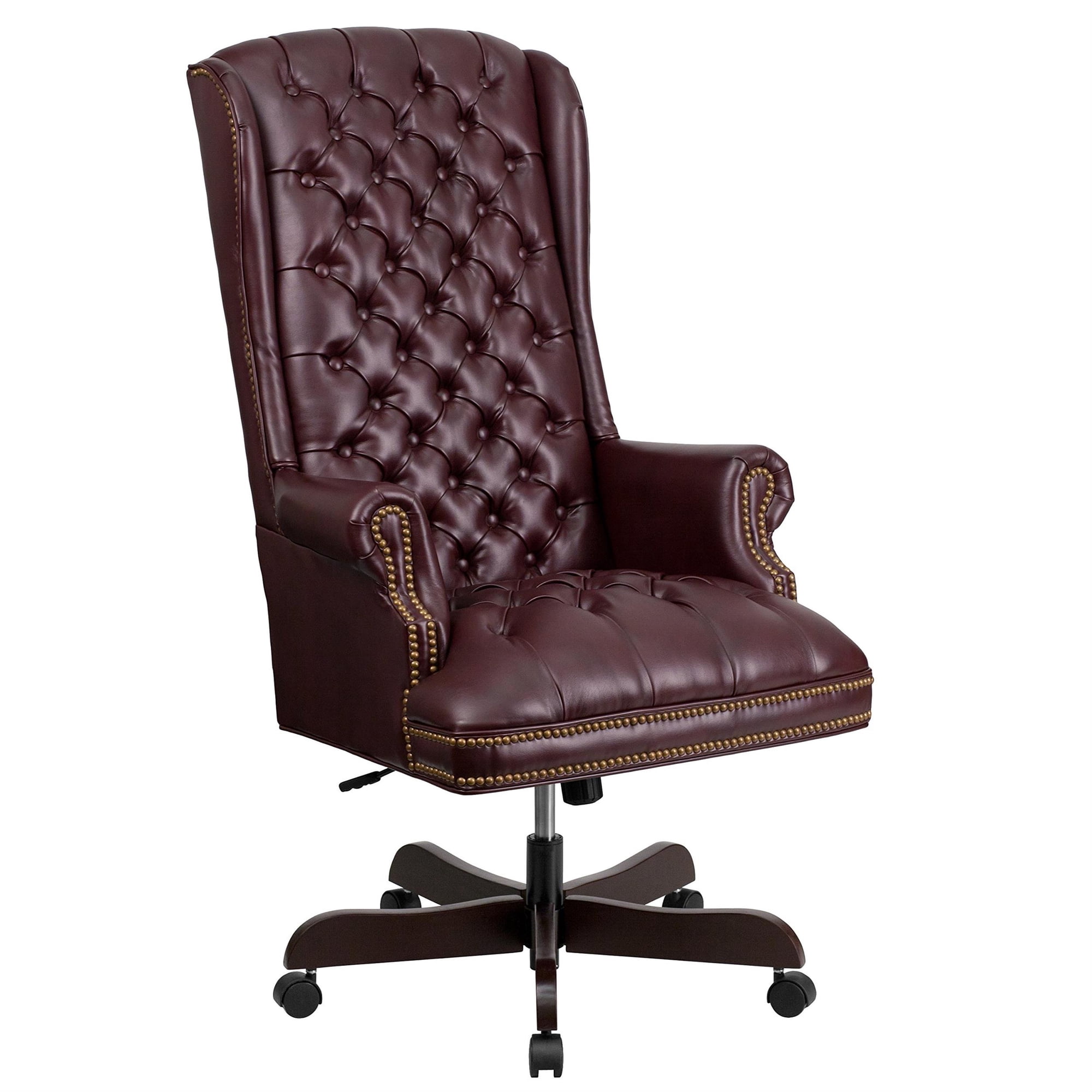
- The Wingback Executive: High back with curved “wings” that originally protected the sitter from drafts. Today, it creates a sense of enclosure and authority.
- The Capstan (or Club) Chair: A lower back, often with a curved top rail. It's less imposing but equally classic, often found in partner's desks or conference rooms.
- The Tufted Library Chair: Deep button-tufting (diamond pattern) on the back and inside arms. This is the epitome of old-world luxury, often paired with a matching ottoman.
5. The Base: Wood or Polished Metal
Tradition often calls for a wooden base—usually mahogany, cherry, or walnut finish—with casters that allow movement without sacrificing the aesthetic. Some traditional designs use a polished brass or “antique bronze” five-star base, which adds a touch of formality. The casters should be sturdy and appropriate for your floor type (carpet or hardwood).
Modern Ergonomics Disguised as Tradition
One common misconception is that traditional chairs are all looks and no back support. The best manufacturers now integrate modern mechanisms invisibly. You'll find chairs with:
- Concealed lumbar adjustment: A lever or knob that increases or decreases the curve of the lower back support, all hidden beneath the leather.
- Synchro-tilt or knee-tilt mechanisms: Allow the seat and back to move in a natural ratio, keeping your feet planted while you recline.
- Adjustable seat depth: A slider that moves the seat pan forward or back to accommodate different leg lengths, ensuring proper circulation.
- Pneumatic height adjustment: A gas lift hidden within the classic column, allowing the chair to fit a range of desk heights.
When shopping, look for terms like “ergonomic traditional leather chair” or “executive chair with hidden adjustments.” These ensure you get the best of both worlds.
Ergonomics by the numbers: A study in the Journal of Applied Ergonomics found that chairs with adjustable lumbar support reduced reported lower back discomfort by 54% over an 8-hour workday, regardless of the chair's exterior style. So, that classic look can absolutely be healthy.
Preserving Your Investment: A Care Guide
Leather is a natural material; it needs attention to maintain its beauty. Follow this simple routine:
- Weekly: Dust the chair with a soft, dry cloth (microfiber works well). Vacuum the crevices around the tufting and base.
- Every 3-6 months: Use a dedicated leather cleaner to remove any body oils or grime. Follow with a high-quality leather conditioner. This keeps the hide supple and prevents cracking.
- Immediate action: If you spill something, blot (don't rub!) with a clean, absorbent cloth. For water-based spills, a mild soap solution can be used sparingly, but always test on a hidden area first.
- Environmental control: Keep the chair away from direct heating vents and windows with intense sun. UV rays can fade and dry out leather. Maintaining a consistent humidity level in your office also helps.
Frequently Asked Questions About Traditional Leather Office Chairs
Conclusion: A Legacy in Leather
Choosing a traditional leather office chair is an act of foresight. You are selecting a piece that will not wear out, but rather, will wear in—developing a character that no new chair can replicate. It's a daily reminder of substance over flash, of quality over disposability. Whether you're presiding over a corner office or creating a personal library at home, this chair will support you in comfort and style. Use the guide above to find the one that feels like it was made for you, and enjoy the journey of making it yours.