
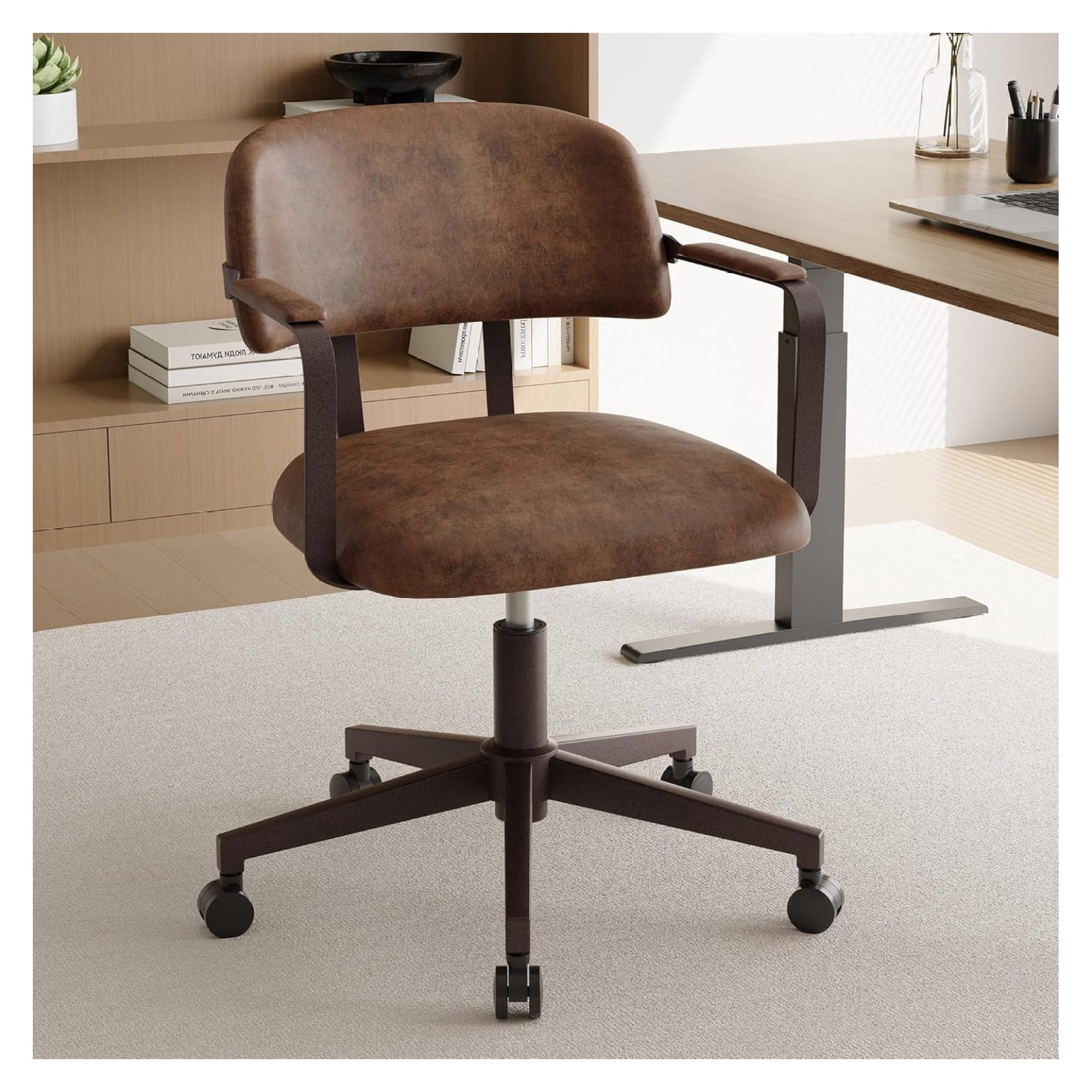
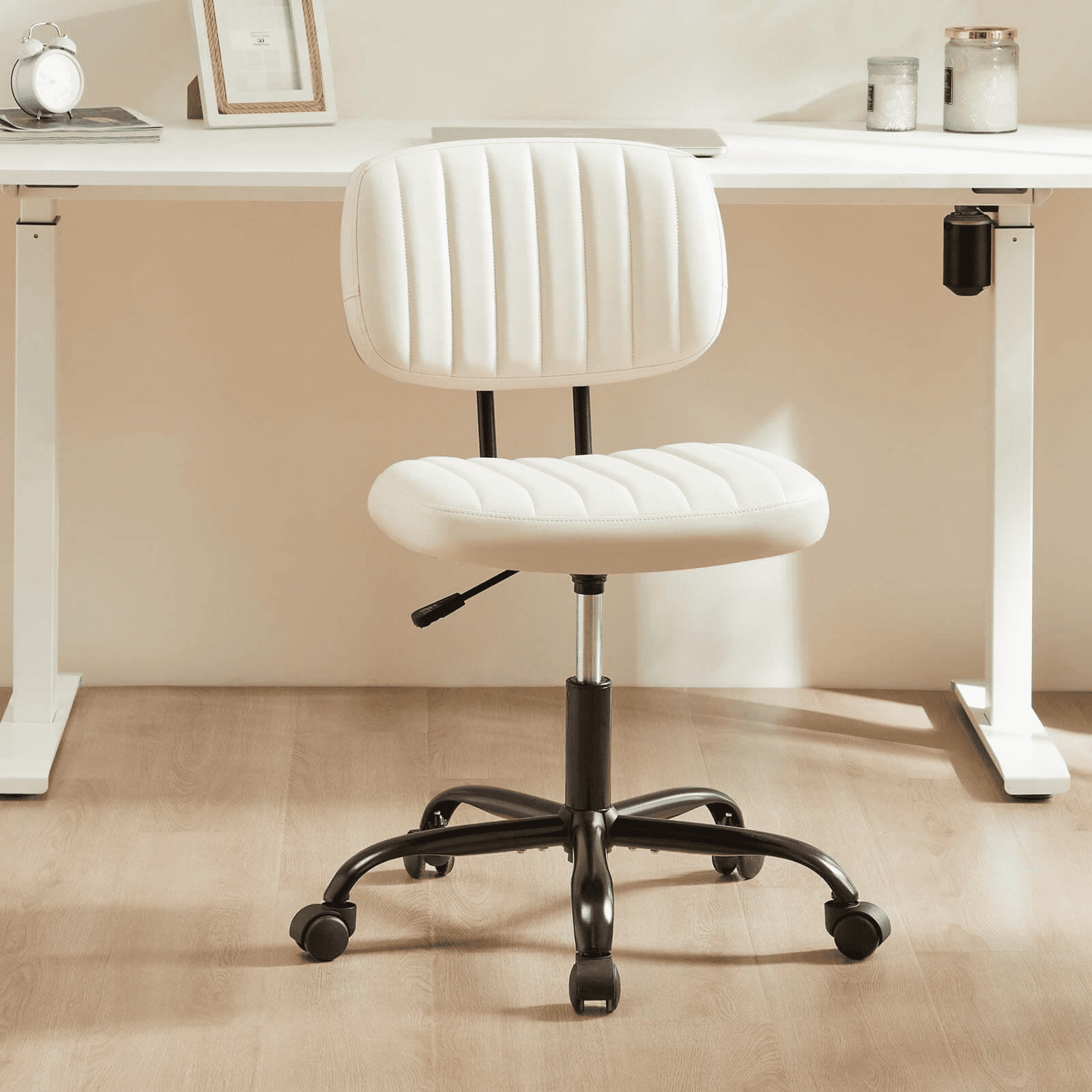
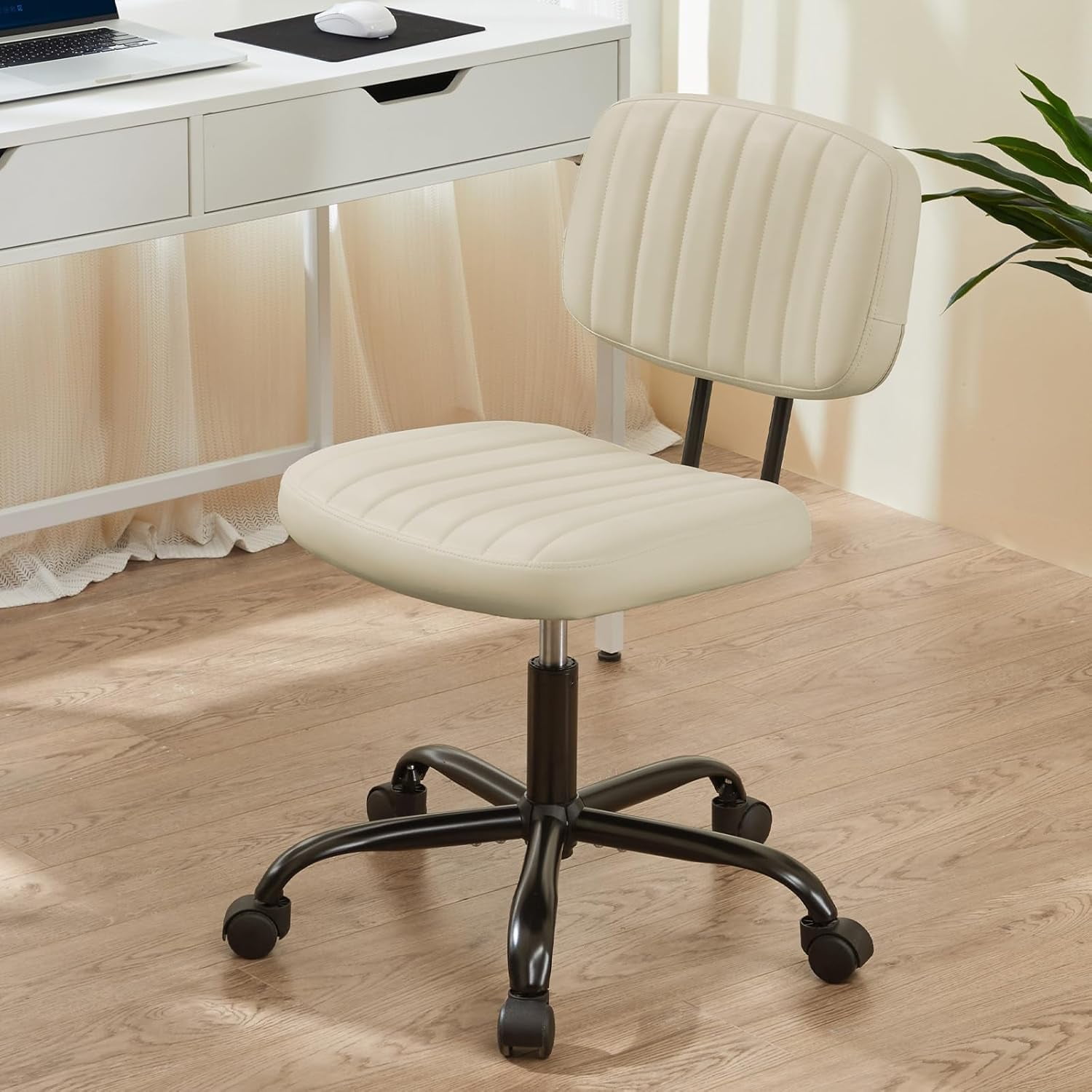
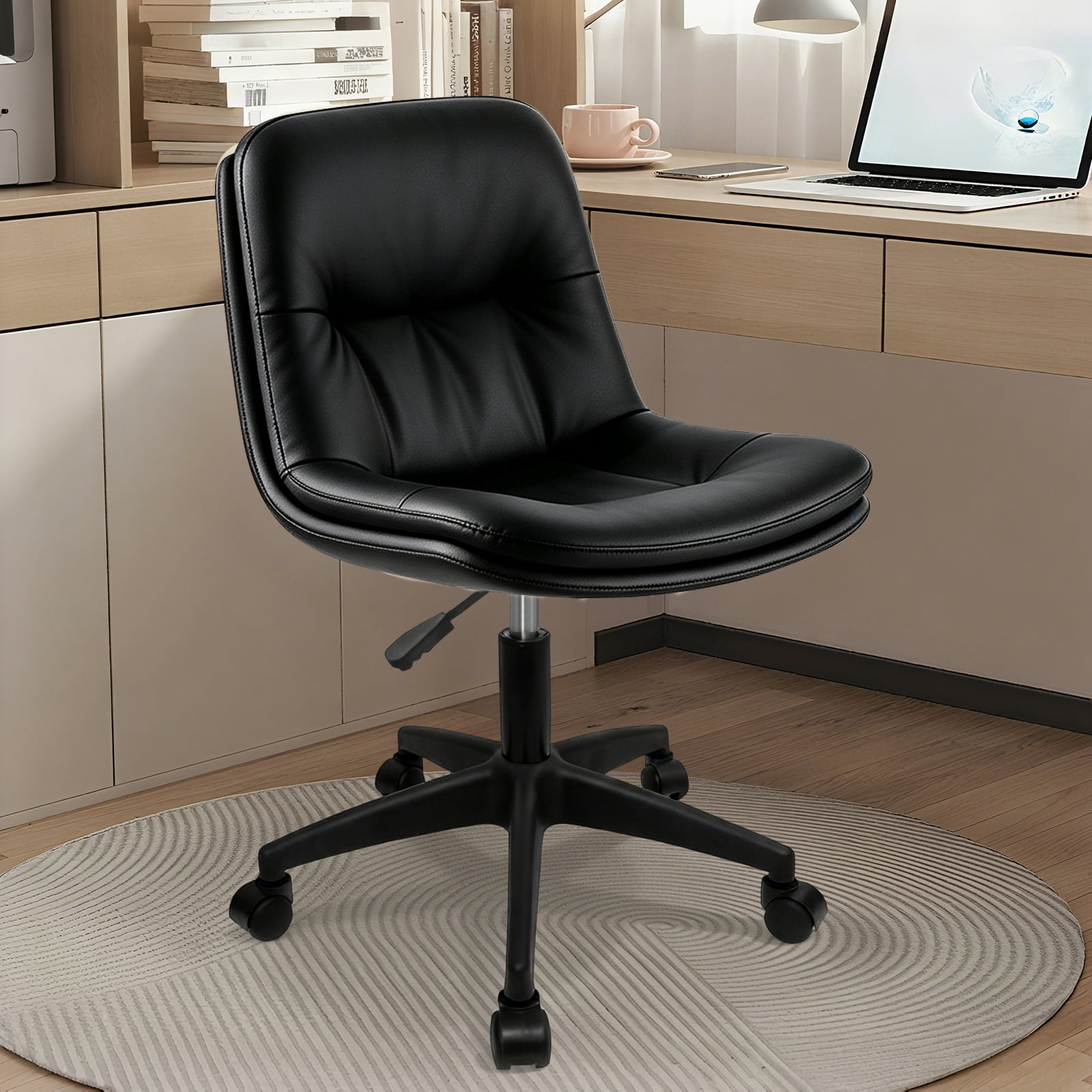
The Rise of the Small Leather Office Chair: Big Style, Tiny Footprint
Working from a cozy apartment nook or a compact home office often means making tough choices about furniture. You want the professional look and durability of leather, but a massive executive chair would overwhelm your space. Enter the small leather office chair—a solution that blends space-saving practicality with the timeless elegance of leather. These chairs are not merely scaled-down versions; they are thoughtfully engineered to provide ergonomic support, aesthetic appeal, and a footprint that respects your square footage.
According to a 2023 survey by the Home Office Institute, 47% of remote workers cite "limited space" as a primary challenge when furnishing their workspace. A small leather office chair directly addresses this, offering a footprint up to 30% smaller than traditional executive chairs. But "small" doesn't mean "short on features." Modern designs incorporate adjustable height, lumbar support, and smooth-rolling casters, ensuring you don't sacrifice comfort for space. Think of it as the "tiny house" movement applied to office seating: efficient, intentional, and stylish.
Anatomy of a Small Leather Office Chair: What to Look For
Choosing the right compact leather chair requires understanding its key components. Unlike general office chairs, every inch matters. Here’s a breakdown of what makes a small leather chair effective and comfortable.
1. Dimensions That Define "Small"
Not all small chairs are created equal. You’ll typically find two categories: petite-sized chairs (designed for smaller-framed individuals) and space-saving chairs (designed to fit into tight floor plans). Here are the critical measurements to consider:
- Seat Width: Look for 18" to 20". This is narrow enough to fit between desk columns but wide enough for comfort.
- Seat Depth: Aim for 16" to 18". A shallower depth prevents pressure behind the knees if you're shorter, and allows the chair to tuck fully under a desk.
- Back Height: Typically 18" to 22". Most small chairs are mid-back, offering lumbar support without a towering headrest that makes a room feel crowded.
- Overall Width (including arms): If space is extremely tight, consider armless models, which can be as narrow as 18" overall.
Pro Tip: Always measure your designated chair area, including the space needed to push the chair back. A small chair that doesn't fit under your desk when not in use defeats the purpose.
2. Leather Types: Balancing Luxury and Practicality
The term "leather" can mean different things. For a small chair that sees daily use, understanding the material is crucial.
Top-Grain Leather
- ✔️ Highest durability, develops a patina
- ✔️ Breathable and luxurious feel
- ❌ Most expensive option
- ❌ Requires regular conditioning
Bonded Leather
- ✔️ More affordable
- ✔️ Consistent texture and color
- ❌ Less durable, may peel over time
- ❌ Not as breathable
For a small office chair, high-quality bonded leather or split-grain leather often provides the best value. It offers the professional look of leather at a price point that makes sense for a secondary or home office, and it's generally easier to clean. If the chair is for a primary workspace where you'll sit 8+ hours daily, investing in top-grain leather is worthwhile for longevity.
3. Ergonomic Features in a Compact Form
Don't assume "small" means "less support." Many compact chairs are ergonomic powerhouses. Here’s a numbered checklist of features to prioritize:
- Adjustable Seat Height: Non-negotiable. Pneumatic lift should allow your feet to rest flat (usually 16"-21" from floor).
- Lumbar Support: Look for a pronounced curve or an adjustable lumbar pad. It maintains the spine's natural S-shape.
- Tilt Mechanism: A mechanism that allows you to recline slightly and lock the position helps change posture throughout the day.
- Smooth-Rolling Casters: Essential for a small space to move easily without catching on cords or furniture legs. Hard casters for carpet, soft for hardwood.
4. Style That Elevates Your Space
A small leather chair is often a focal point in a compact room. Its style matters. Consider these popular aesthetics:
- Classic Executive: Tufted back, polished chrome base, and rich brown or black leather. It adds a traditional, authoritative feel.
- Modern Minimalist: Clean lines, exposed stitching, and a sleek silhouette. Often in lighter leathers like tan or cream to make a small room feel airier.
- Mid-Century Modern: Wooden accents on the arms or base, combined with leather. Perfect for a trendy, instagram-worthy home office.
Did you know? A study by the Interior Design Society found that using furniture with exposed legs (like many small leather chairs) makes a room feel up to 20% larger than using furniture with a solid, skirted base. The visibility of floor space creates an illusion of openness.
Frequently Asked Questions About Small Leather Office Chairs
Final Verdict: Is a Small Leather Office Chair Right for You?
Selecting a small leather office chair is a smart, strategic move for anyone battling limited square footage without wanting to compromise on style or comfort. It's a testament to thoughtful design—proving that great things truly come in small packages. Whether you're a remote worker, a student in a compact dorm, or an executive needing a secondary chair for a visitor area, these chairs offer a unique blend of functionality and aesthetics.
Prioritize chairs with solid construction, appropriate leather type for your usage, and the ergonomic adjustments that matter most to you. By focusing on the anatomy of the chair—its dimensions, materials, and support features—you'll find a piece that not only fits your space but enhances your daily work life. A small leather chair is an investment in your workspace's efficiency and your personal comfort, proving that you don't need a large room to think big.