
The Enduring Appeal of the Traditional Office Chair
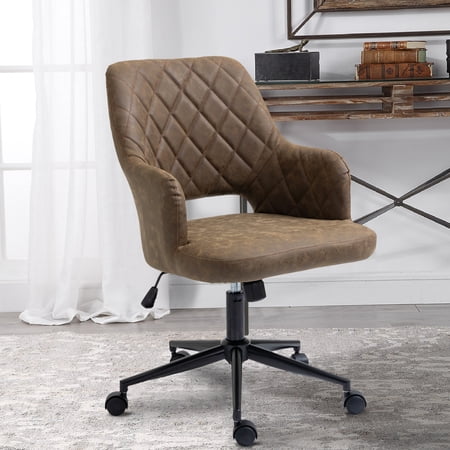
In an era of stark minimalist designs, the traditional office chair stands as a symbol of stability, success, and refined taste. Think of a stately desk in a corner office: the chair that accompanies it is rarely a mesh racing shell—it is often a high‑back executive throne with warm wood, deep button tufting, and polished nailhead trim. More than just seating, it conveys authority and a respect for heritage.
But tradition does not mean outdated. Today’s classic chairs hide modern ergonomics beneath their timeless exteriors: lumbar adjusters, synchronised tilts, and pneumatic lifts. Whether you are a lawyer, a university dean, or a CEO who appreciates craftsmanship, a well‑chosen traditional chair supports your work ethic and your posture for decades.
Anatomy of a True Traditional Office Chair
Unlike contemporary “one‑size‑fits‑all” seating, traditional chairs are built around a solid wood frame—often kiln‑dried mahogany, walnut, or oak. This foundation gives them heft and longevity. Let’s break down the components that define this category.
1. The Wooden Base and Arms
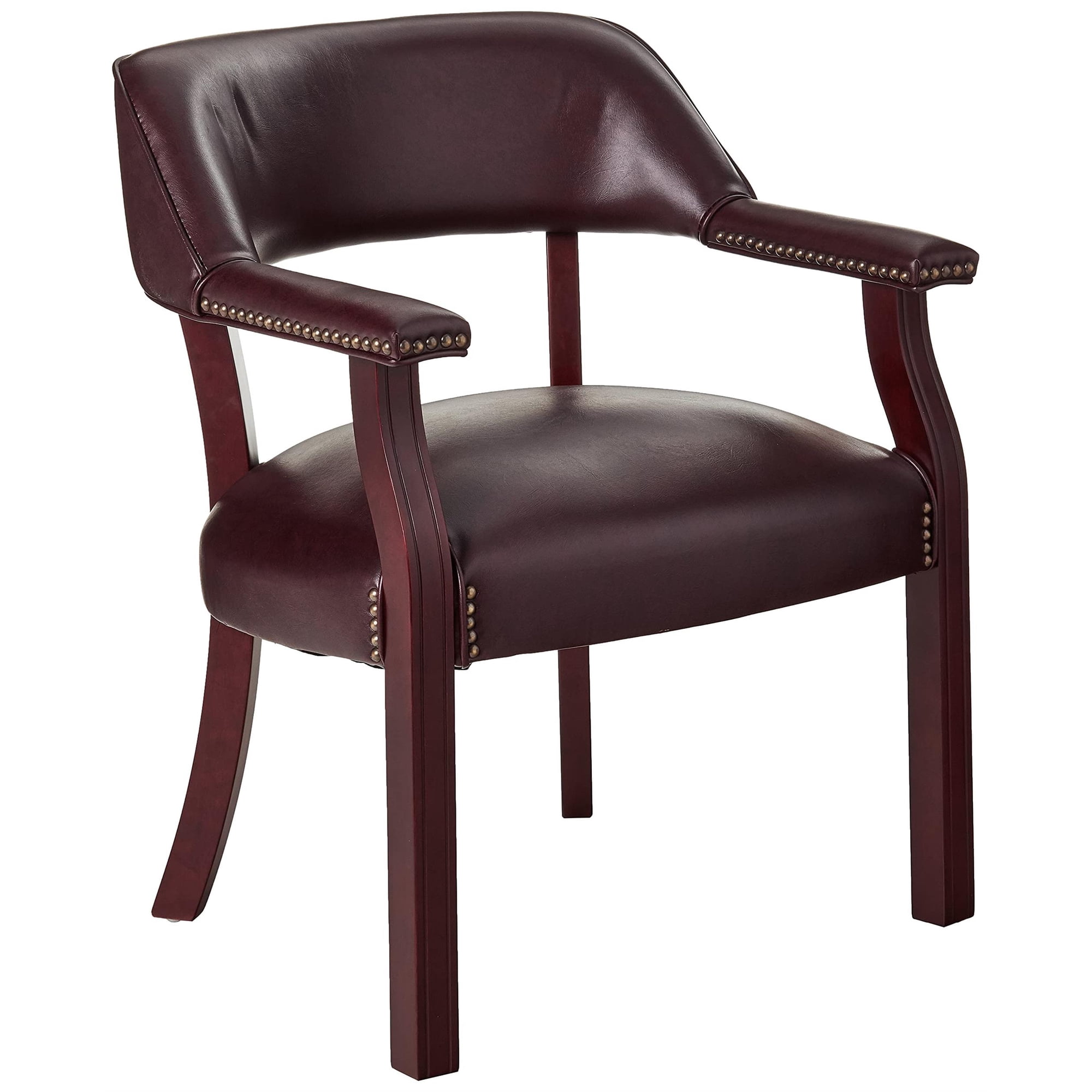
• Solid wood legs or five‑star base: Many traditional models feature a polished wood base with brass floor glides or casters. The wood is usually stained in cherry, espresso, or mahogany.
• Rolled arms: Softly curved arms, often upholstered to match the back, invite you to lean and think. They are wider than modern arms, offering a place to rest a cup of coffee or a leather portfolio.
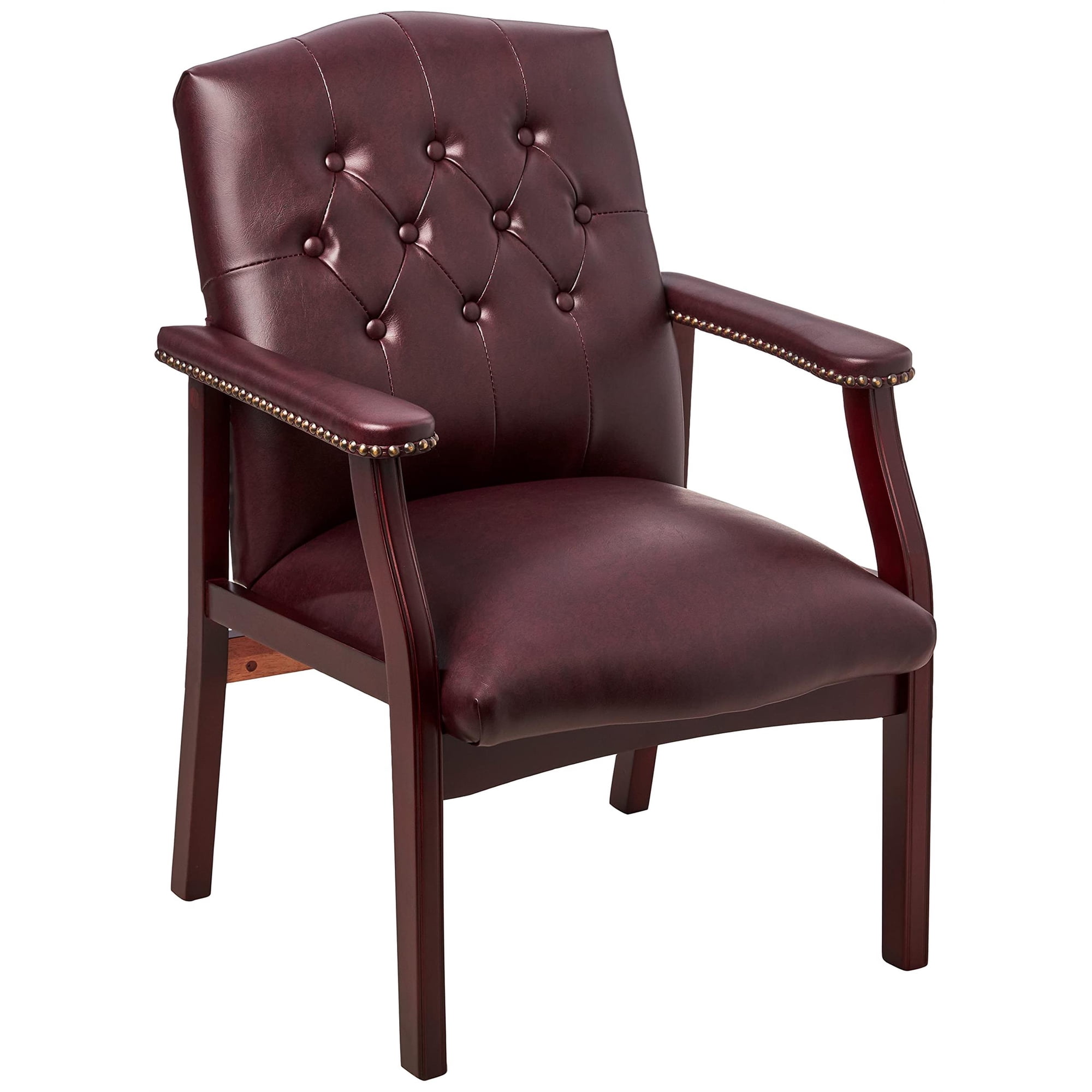
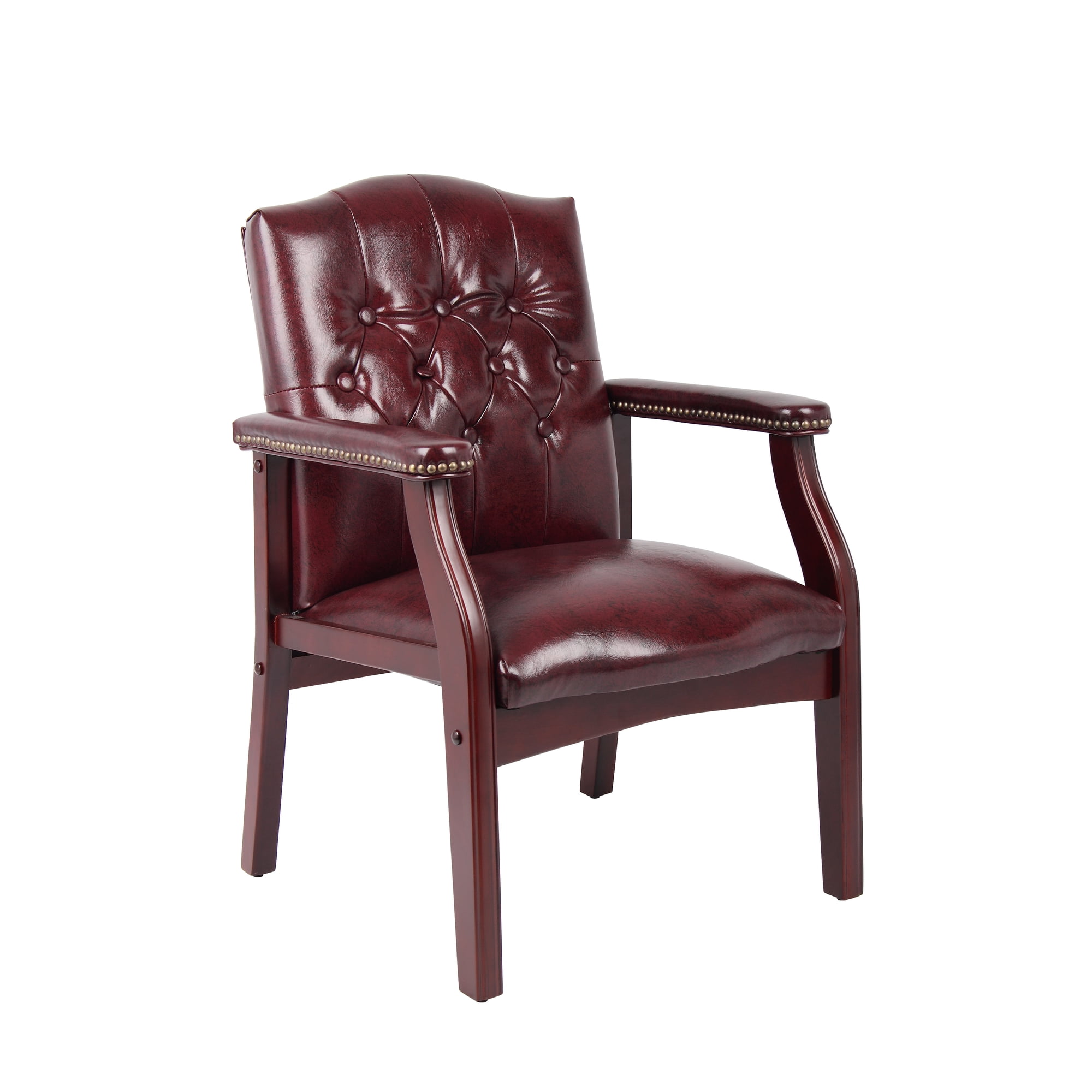
• Detail work: Look for hand‑applied finishes, carved accents, and antique‑brass nailhead trim—hallmarks of quality.
2. Upholstery: Leather, Fabric & Vintage Appeal
• Top‑grain leather is the gold standard: it develops a rich patina over time and resists wear. For a truly traditional look, choose deep burgundy, forest green, or classic black.
• High‑end fabric options include woven tweed or heavy cotton velvet, often used in “library” or “university” styles. They feel warm and are breathable.
• Button tufting (diamond or biscuit pattern) adds a formal, luxurious touch. It also helps distribute pressure evenly across the backrest.
3. Seat Construction & Ergonomics (Hidden)
Many assume traditional chairs are firm and unforgiving. Premium models use multi‑layer density foam wrapped over sinuous springs or webbing. This provides immediate comfort yet resists sagging. Adjustable lumbar support is often concealed behind the upholstery, accessible via a knob on the side or back. You also get:
• Pneumatic seat height adjustment (concealed under the seat)
• Tilt tension control (to let you rock or lock)
• Swivel mechanism with smooth‑rolling casters suitable for carpets or hard floors.
4. Comparing Traditional vs. Contemporary – a Quick Insight
- Authoritative executive presence
- Heirloom durability (15‑25 years)
- Natural materials (wood, leather)
- Timeless style that never looks dated
- Lighter, more adjustable
- Often mesh or plastic
- Trend‑driven aesthetics
- Shorter lifespan (5‑10 years typical)
5. The “Restoration” Factor: Why Traditional Chairs Are Often Refurbished
Because they are built so well, traditional office chairs are prime candidates for restoration. A 30‑year‑old solid oak chair with new foam and leather can outlast a brand‑new budget chair. Many companies now offer restoration services, or you can buy “refurbished vintage” models with updated gas lifts and casters—an eco‑friendly choice that also preserves craftsmanship.
6. Space & Setting Considerations
Traditional chairs shine in:
• Private offices with wood panelling or bookcases
• Law firms, financial advisory offices, academic settings
• Home offices where you want furniture‑like warmth
They tend to be larger than task chairs, so measure your space: allow at least 30” width for the arms and 30” depth for the recline.
7. Five Maintenance Tips for Longevity
- Dust wood regularly with a microfiber cloth; use furniture polish twice a year.
- Condition leather every 6‑12 months to prevent drying and cracking.
- Tighten hardware (arm brackets, base bolts) every few months—wood expands and contracts.
- Vacuum fabric upholstery with a brush attachment to prevent dust buildup.
- Keep away from direct heat/AC vents to protect both wood and leather.
Why Traditional Chairs Remain a Smart Investment
According to a 2023 survey by the American Home Furnishings Alliance, 42% of executives over 45 prefer traditional office seating over contemporary designs when equipping their primary workspace. The reasons? Perceived quality (87%), comfort during long meetings (76%), and professional image (91%). Moreover, a well‑maintained traditional chair retains about 60% of its value after a decade, compared to 20% for typical mesh chairs.
“A traditional chair is like a good tailored suit—it fits your character and lasts for years,” says interior designer Mark Davidson. “I often source vintage executive chairs and reupholster them with modern foam. Clients love the combination of history and comfort.”
Frequently Asked Questions About Traditional Office Chairs
Conclusion: Invest in Legacy
The traditional office chair is not merely a place to sit—it’s a daily reminder of craftsmanship, stability, and personal success. By choosing a chair built with solid wood, premium leather, and timeless lines, you create an office environment that inspires confidence in clients and comfort for yourself. Whether you purchase a new hand‑crafted model or restore a vintage gem, you’re making a decision that pays dividends in both aesthetics and ergonomics for years to come.
Explore the collection above to find a traditional chair that matches your stature and style. And remember: the best chair is the one you look forward to sitting in every morning.