

Why Your Office Chair Deserves a Dedicated Back Pad
Imagine your office chair is a five-star hotel bed—comfortable, but not tailored to your unique spinal curve. A back pad for office chair acts like a custom mattress topper, filling the gaps and providing support exactly where you need it. For the millions of people who sit 8+ hours daily, lower back pain isn't just an inconvenience; it's a productivity killer. According to the American Chiropractic Association, back pain is one of the leading causes of missed work. Yet, the simplest solution is often overlooked: an ergonomic back pad.
Quick Fact: Studies show that using a lumbar support cushion can reduce spinal disc pressure by up to 35% and improve sitting posture within just two weeks of consistent use. It's a small investment with massive returns in health and focus.
Anatomy of a Perfect Back Pad: What to Look For
Not all back pads are created equal. Choosing the right one involves understanding the materials, shapes, and adjustability features. Here's a deep dive into the critical components.
1. Material Matters: Foam, Gel, and Air
Memory Foam
- Conforms to your body heat and shape for personalized comfort.
- Excellent pressure distribution reduces hotspots.
- Variants: Open-cell foam is more breathable; gel-infused foam stays cooler.
Gel & Air
- Gel pads are ideal for temperature regulation and even support.
- Air cushions allow you to adjust firmness by inflating or deflating.
- Hybrid models combine foam with gel layers for dual benefits.
2. Shape and Profile: Flat vs. Contoured vs. Wedge
The shape determines which part of your back gets support.
- Contoured (Ergonomic) Pads: These have a distinct curve that fits the natural lordotic curve of your lower spine. They are the gold standard for active lumbar support.
- Flat/Wedge Cushions: Often used for both back and seat, wedge shapes can tilt the pelvis slightly, reducing pressure on the tailbone and promoting an upright posture.
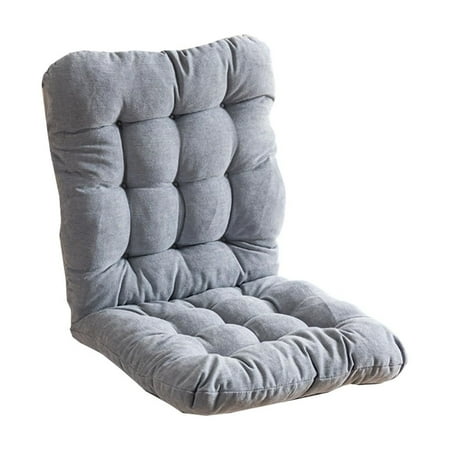
- Full-Back Pads: Larger pads that support the entire back, from shoulders to lumbar. Great for chairs with thin mesh or no padding at all.
3. Attachment and Adjustability: Strap Systems
A back pad that slips down every time you move is useless. Look for these features:
- Elastic straps with non-slip silicone: These grip the chair tightly and prevent sliding.
- Bungee cord systems: Allow for easy attachment to any chair type, including mesh.
- Adjustable height placement: Some pads allow you to move the cushion up or down on a backplate, ensuring the support hits your lumbar curve perfectly.
4. Breathability and Cover Material
If you live in a warm climate or your office runs hot, breathability is key.
- Mesh covers offer maximum airflow.
- Cotton or bamboo fabric is soft, washable, and naturally breathable.
- Velour or synthetic leather looks premium but may trap heat.
5. Portability: From Office to Home
Many remote workers need a pad that travels with them. Lightweight pads with a carry handle or those that roll up easily are perfect for hybrid workstyles.
Posture Correction
Trains your back to sit upright, reducing slouching by 50%.
Pain Relief
Targets the lumbar region, alleviating sciatica and chronic lower back pain.
Versatility
Use it on office chairs, car seats, sofas, or even airplane seats.
Cost-Effective
A $40 pad can make a $200 chair feel like a $1,000 ergonomic model.
Targeted Relief: Matching Back Pads to Common Ailments
| Condition | Pad Type Recommendation | Why It Works |
|---|---|---|
| Lower Lumbar Fatigue | Contoured memory foam pad | Fills the void, maintains curve, reduces muscle strain. |
| Sciatica | Wedge cushion or pad with coccyx cutout | Tilts pelvis forward, takes pressure off sciatic nerve. |
| Upper Back & Shoulder Tension | Full-back elongated pad | Supports thoracic spine, encourages shoulder retraction. |
| Poor Posture (Kyphosis) | Firm, thick lumbar roll | Provides a physical barrier against slouching. |
Just like a tailored suit elevates your appearance, the right back pad for office chair elevates your skeletal alignment. It's not just about softness; it's about strategic support.
Frequently Asked Questions About Back Pads for Office Chairs
Conclusion: Invest in Your Back, Boost Your Productivity
Your office chair is your command center, and a back pad for office chair is the secret weapon that transforms it from a mere seat into a health tool. Whether you're a CEO finalizing a deal or a remote worker grinding through deadlines, the comfort of your back directly influences your output. Don't wait for chronic pain to force a change. By selecting a pad based on material, shape, and your specific pain points, you're making a proactive investment in your long-term well-being. Remember, the best chair in the world is only as good as the support it gives your spine. Choose wisely, sit comfortably, and work productively.